The Lebanon Ceasefire Was Supposed To Stop The Strikes. It Barely Lasted The Night.

The Ceasefire Began At 4PM. By Morning, Southern Lebanon Was Hit Again

A new Isr*el-Hezbollah ceasefire was supposed to begin at 4pm local time on Friday, after mediation involving the United States and Qatar, with help from Iran. The goal was simple: stop the fighting in Lebanon long enough for the wider regional diplomacy to move forward.

But by Saturday morning, the truce was already under pressure.

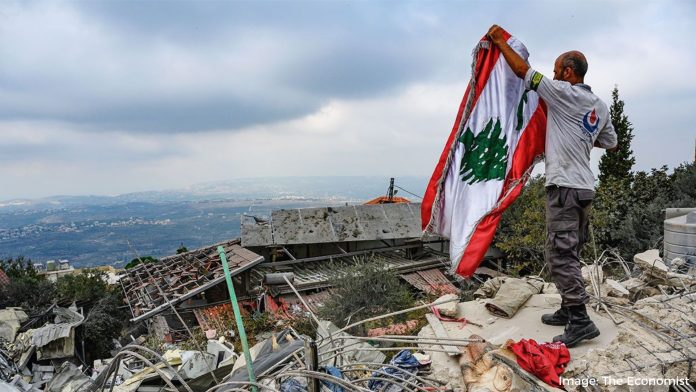
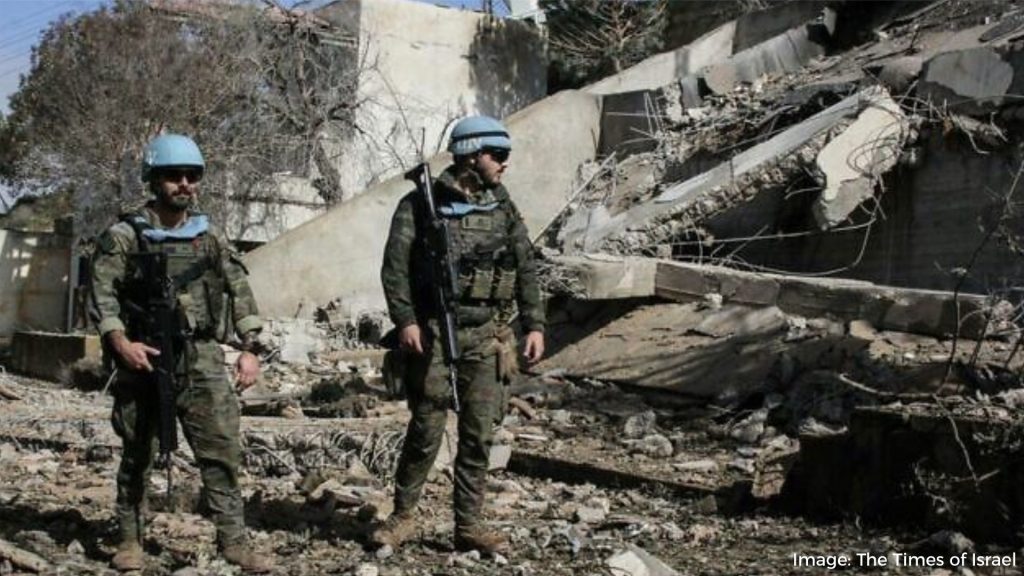
According to Reuters, Lebanese state media reported that Isr*eli air strikes and drone attacks killed at least five people in southern Lebanon despite the ceasefire. The attacks reportedly hit the Nabatieh area, destroying residential buildings and homes, while Isr*eli artillery also shelled Nabatieh and nearby areas before dawn. Reuters said Isr*el had not immediately commented on the latest reports at the time of publication.

That timing is the story. A ceasefire that begins in the afternoon and is already being tested by morning does not look like stability. It looks like the weakest point in a much bigger deal.
Everyone Is Waiting For Switzerland

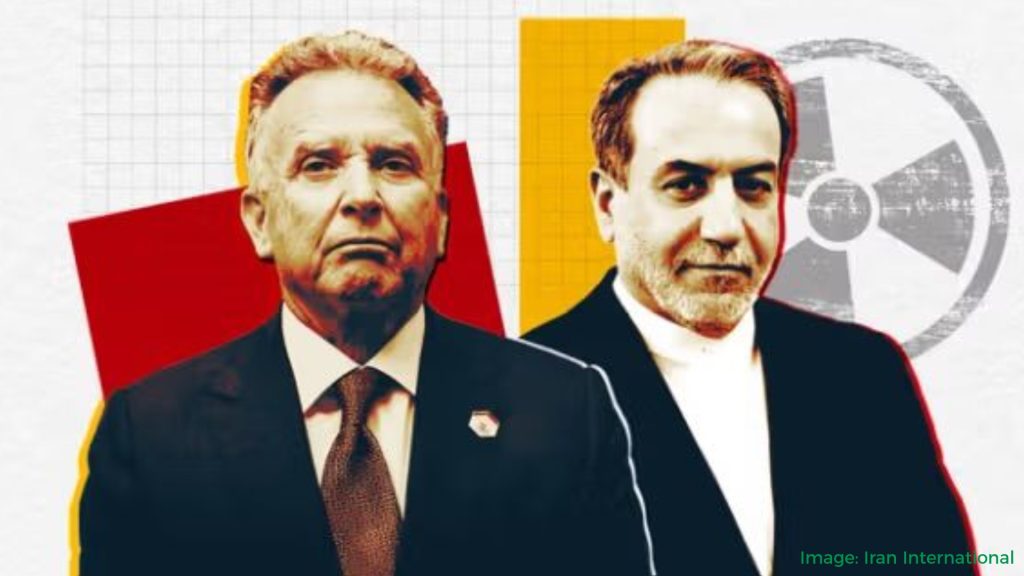
The Lebanon truce matters because it is tied to the wider US-Iran ceasefire process. Reuters reported that US envoy Steve Witkoff and Iranian Foreign Minister Abbas Araqchi were heading to Switzerland for talks aimed at turning the interim US-Iran pact into a longer-term agreement.

Those talks are supposed to begin the real work: nuclear limits, sanctions, the future of Iranian oil exports, the reopening of the Strait of Hormuz, and the broader question of whether the war can actually end across all connected fronts.

That is why Lebanon cannot be treated as a side issue. It is one of the conditions holding the whole diplomatic structure together. If the Isr*el-Hezbollah truce collapses, it does not only threaten southern Lebanon. It threatens the atmosphere around the US-Iran talks everyone is waiting for in Switzerland.

Washington Is Now Pressuring Isr*el In Public

The other major shift is that the Trump administration is no longer speaking about Isr*el with the same automatic deference it usually gets from Washington.

Reuters reported that President Donald Trump wrote that the US expected a “complete ceasefire on all fronts, including Lebanon, Hezbollah and Isr*el.” He also urged everyone in the region to maintain their commitments so negotiations could take place.

Trump has also been openly critical of Isr*el’s conduct in Lebanon. Reuters reported earlier this week that he said he was “not happy” with the way Isr*el had handled itself, and another Reuters report said Trump stated an Isr*eli strike on Lebanon “should not have happened.” The Guardian reported that Trump said he told Isr*el, “You just gotta calm down,” while pushing for the Hezbollah ceasefire.

Vice President JD Vance has also entered the fight. Reuters reported that Vance criticised what he called an Isr*eli “freakout” over the Iran deal and warned Isr*eli critics against undermining it. Vance also delayed his planned trip to Switzerland after the Lebanon escalation disrupted the diplomatic track.

That matters because the pressure is no longer only coming from Tehran. Washington itself is signaling that Isr*el’s actions in Lebanon could damage the deal the US is trying to sell as a diplomatic breakthrough.

Lebanon Is The Test Case

Iran’s position is straightforward: if the deal says the war must end on all fronts, then Lebanon has to be included. Al Jazeera reported that Tehran says the US must ensure Isr*el ends attacks on Lebanon before diplomacy can move forward.

That puts Washington in a difficult position. It is trying to move US-Iran talks forward in Switzerland, calm oil markets, reopen trade routes, and present the ceasefire as proof that diplomacy is working. But if Isr*el keeps striking Lebanon, Iran can argue that the US cannot enforce the most basic condition of its own deal.

For Hezbollah, continued Isr*eli attacks make the ceasefire look meaningless. For Lebanon, they mean the truce has not yet translated into safety. For the US, they create a credibility problem. And for Iran, they become evidence that any agreement with Washington depends on whether Washington can restrain Isr*el.
The First Night Was The Warning

The ceasefire was supposed to stop the strikes. Instead, southern Lebanon was hit again before the truce even reached its first full morning.

That does not mean the entire US-Iran process has collapsed. But it does mean the weakest part of the structure has already been exposed.

Everyone is waiting for Switzerland. But the real test may already be happening in Lebanon.

If the Lebanon ceasefire breaks, the wider US-Iran ceasefire could start shaking with it.
Sources

Reuters

Reuters

Reuters

Al Jazeera

The Guardian

The Ceasefire Began At 4PM. By Morning, Southern Lebanon Was Hit Again

A new Isr*el-Hezbollah ceasefire was supposed to begin at 4pm local time on Friday, after mediation involving the United States and Qatar, with help from Iran. The goal was simple: stop the fighting in Lebanon long enough for the wider regional diplomacy to move forward.

But by Saturday morning, the truce was already under pressure.

According to Reuters, Lebanese state media reported that Isr*eli air strikes and drone attacks killed at least five people in southern Lebanon despite the ceasefire. The attacks reportedly hit the Nabatieh area, destroying residential buildings and homes, while Isr*eli artillery also shelled Nabatieh and nearby areas before dawn. Reuters said Isr*el had not immediately commented on the latest reports at the time of publication.

That timing is the story. A ceasefire that begins in the afternoon and is already being tested by morning does not look like stability. It looks like the weakest point in a much bigger deal.

Everyone Is Waiting For Switzerland

The Lebanon truce matters because it is tied to the wider US-Iran ceasefire process. Reuters reported that US envoy Steve Witkoff and Iranian Foreign Minister Abbas Araqchi were heading to Switzerland for talks aimed at turning the interim US-Iran pact into a longer-term agreement.

Those talks are supposed to begin the real work: nuclear limits, sanctions, the future of Iranian oil exports, the reopening of the Strait of Hormuz, and the broader question of whether the war can actually end across all connected fronts.

That is why Lebanon cannot be treated as a side issue. It is one of the conditions holding the whole diplomatic structure together. If the Isr*el-Hezbollah truce collapses, it does not only threaten southern Lebanon. It threatens the atmosphere around the US-Iran talks everyone is waiting for in Switzerland.

Washington Is Now Pressuring Isr*el In Public

The other major shift is that the Trump administration is no longer speaking about Isr*el with the same automatic deference it usually gets from Washington.

Reuters reported that President Donald Trump wrote that the US expected a “complete ceasefire on all fronts, including Lebanon, Hezbollah and Isr*el.” He also urged everyone in the region to maintain their commitments so negotiations could take place.

Trump has also been openly critical of Isr*el’s conduct in Lebanon. Reuters reported earlier this week that he said he was “not happy” with the way Isr*el had handled itself, and another Reuters report said Trump stated an Isr*eli strike on Lebanon “should not have happened.” The Guardian reported that Trump said he told Isr*el, “You just gotta calm down,” while pushing for the Hezbollah ceasefire.

Vice President JD Vance has also entered the fight. Reuters reported that Vance criticised what he called an Isr*eli “freakout” over the Iran deal and warned Isr*eli critics against undermining it. Vance also delayed his planned trip to Switzerland after the Lebanon escalation disrupted the diplomatic track.

That matters because the pressure is no longer only coming from Tehran. Washington itself is signaling that Isr*el’s actions in Lebanon could damage the deal the US is trying to sell as a diplomatic breakthrough.

Lebanon Is The Test Case

Iran’s position is straightforward: if the deal says the war must end on all fronts, then Lebanon has to be included. Al Jazeera reported that Tehran says the US must ensure Isr*el ends attacks on Lebanon before diplomacy can move forward.

That puts Washington in a difficult position. It is trying to move US-Iran talks forward in Switzerland, calm oil markets, reopen trade routes, and present the ceasefire as proof that diplomacy is working. But if Isr*el keeps striking Lebanon, Iran can argue that the US cannot enforce the most basic condition of its own deal.

For Hezbollah, continued Isr*eli attacks make the ceasefire look meaningless. For Lebanon, they mean the truce has not yet translated into safety. For the US, they create a credibility problem. And for Iran, they become evidence that any agreement with Washington depends on whether Washington can restrain Isr*el.

The First Night Was The Warning

The ceasefire was supposed to stop the strikes. Instead, southern Lebanon was hit again before the truce even reached its first full morning.

That does not mean the entire US-Iran process has collapsed. But it does mean the weakest part of the structure has already been exposed.

Everyone is waiting for Switzerland. But the real test may already be happening in Lebanon.

If the Lebanon ceasefire breaks, the wider US-Iran ceasefire could start shaking with it.

Sources

Reuters

Reuters

Reuters

Al Jazeera

The Guardian

spot_img

Explore more

spot_img
Global Affairs

British Muslims Say They No Longer Feel Safe. The Attacks Are...

Britain Is Getting Its Seventh Prime Minister In A Decade.

Pakistan Helped Build A Peace Roadmap in Switzerland. Isr*el And Its...

The Plan To End Al-Aqsa Has Already Started.

Congress Just Made Isr*el Harder To Hold Accountable

The War On Pakistan’s Trade Routes

Isr*el Wasn’t At The Table. But Its War In Lebanon Just...

A President Tried To Manufacture A War Scare. South Korea Gave...