
By Verity Quill
What India’s Lawmakers Declared
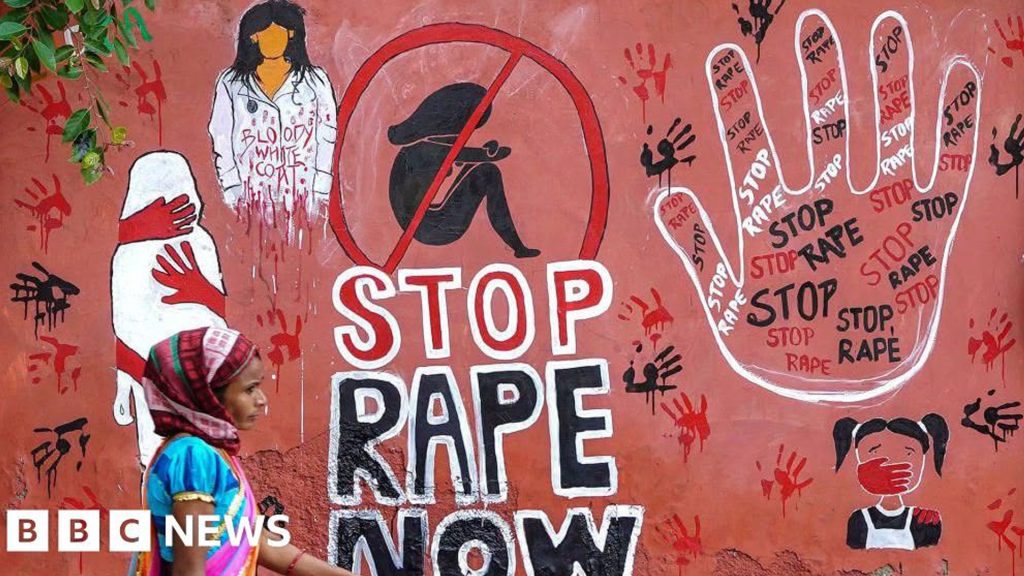
India’s political parties routinely promise to protect women. Yet an August 2024 analysis of official election affidavits by the Association for Democratic Reforms reveals a disturbing contradiction inside the country’s political institutions.
ADR examined 4,693 affidavits filed by sitting members of Parliament and state legislative assemblies during elections held between 2019 and 2024. Its analysis found that 151 sitting MPs and MLAs had declared pending criminal cases related to crimes against women.
Of those lawmakers, 16 were members of Parliament and 135 were state legislators.
These are not convictions, and every accused person remains entitled to due process. But the information does not come from anonymous online allegations. It comes from criminal cases disclosed by the politicians themselves in sworn election affidavits.
Women’s Safety And Political Messaging
Women’s safety is frequently used as a defining political promise in India.
At the same time, Hindu nationalist politics has promoted narratives such as “love jihad,” portraying Muslim men as threats to Hindu women. That rhetoric has contributed to hostility toward interfaith relationships, anti-conversion campaigns and heightened scrutiny of Muslim men.
The ADR findings redirect attention toward the political system itself.
When parties invoke women’s safety to target religious communities but continue nominating candidates facing serious cases involving women, protection begins to resemble a selective political slogan rather than a consistent principle.
Crimes committed by individuals from any community should be investigated. But the standard cannot become communal outrage when an accused person is Muslim and procedural silence when allegations concern politically valuable candidates.
Rape, Assault And Other Serious Allegations
The cases reviewed by ADR cover offences including rape, sexual harassment, assault or criminal force against women, trafficking-related provisions, kidnapping, domestic cruelty and other crimes involving women.
Among the 151 lawmakers, 16 declared cases related specifically to rape. Two were sitting MPs and 14 were members of state legislative assemblies.
The report does not state that all 151 politicians face rape or trafficking allegations. Instead, the broader group has declared pending cases across several legal categories involving crimes against women.
That distinction matters. But it does not erase the institutional question created when candidates carrying serious pending cases continue receiving party nominations and holding legislative power.
The BJP Tops The List
According to the ADR party breakdown, the parties with the highest numbers of sitting lawmakers declaring pending cases involving crimes against women were:
BJP: 54
Congress: 23
Telugu Desam Party: 17
The figures show that the problem extends across India’s political spectrum.
However, the BJP records the highest number. As India’s largest governing party, that raises particular questions about the standards applied when candidates are selected.
ADR also found that the BJP and Congress each had five lawmakers with declared rape cases.
The Accountability Gap
ADR has called on political parties to stop nominating candidates facing serious criminal cases and urged faster judicial proceedings involving elected representatives.
The delays are not hypothetical. A Supreme Court amicus curiae report found close to 4,442 criminal cases involving sitting lawmakers still pending nationwide, some for decades, with the oldest dating back to 1983.
Slow trials create two problems at once. Victims may wait years for accountability, while accused politicians can remain in office without a timely determination of guilt or innocence.
Political parties control who receives election tickets long before voters enter polling stations. They cannot place the entire burden on the electorate after deciding which candidates appear on the ballot.
The Bigger Question
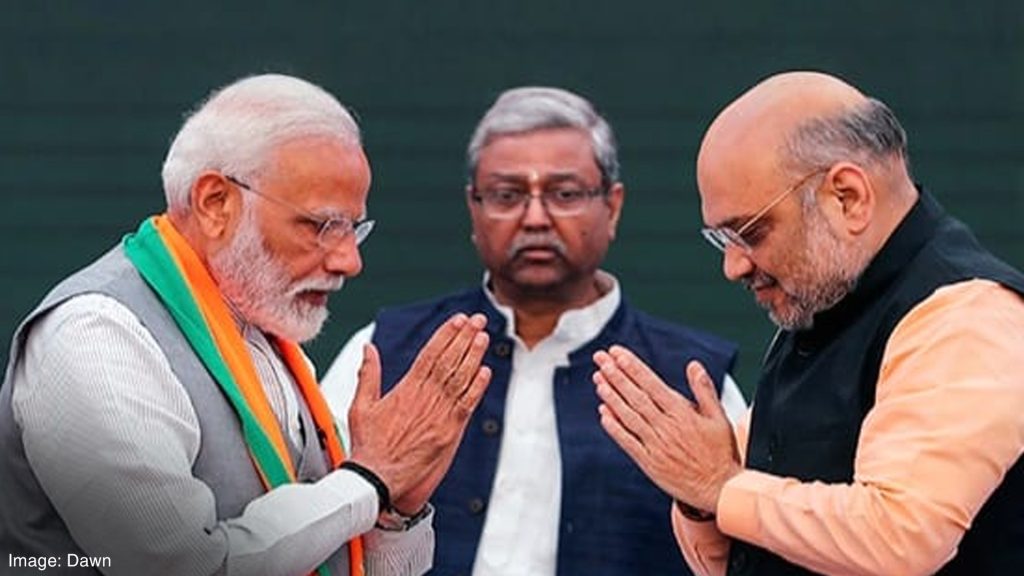
The contradiction is difficult to ignore.
Political parties routinely ask voters to trust them on women’s safety while fielding candidates facing serious declared criminal cases involving women.
Pending cases are not convictions. But candidate selection is a political decision, not a judicial verdict.
If protecting women is presented as a defining political value, that commitment should begin before nominations are announced, not after elections are won.
Until then, campaign promises and candidate choices will continue sending two very different messages.
Sources Used
- Association for Democratic Reforms: Analysis of Sitting MPs and MLAs with Declared Cases Related to Crimes Against Women (2024)
https://adrindia.org/sites/default/files/Analysis_of_Sitting_MPs_and_MLAs_with_Declared_Cases_Related_to_Crimes_against_Women_2024_FinalVer_English.pdf - Association for Democratic Reforms: 151 Lawmakers Face Cases of Crime Against Women, BJP MPs/MLAs Top List
https://adrindia.org/index.php/content/151-lawmakers-face-cases-of-crime-against-women-bjp-mpsmlas-top-list-report