US House Passes $1.15 Trillion Defense Bill to Fund the Iran War as Americans Struggle With Costs

The US Is Spending Trillions on the Iran War While Its Own Households Pay the Price

Maryam Tariq

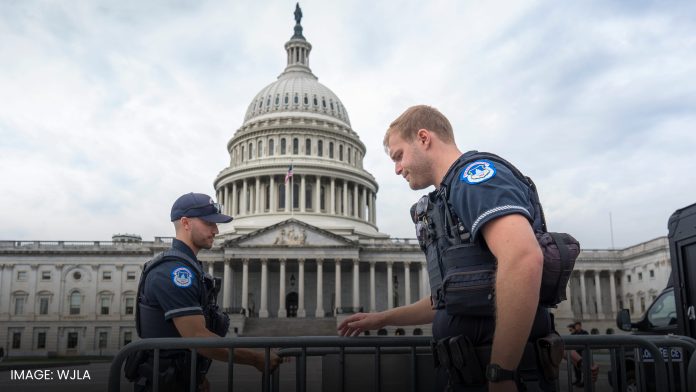
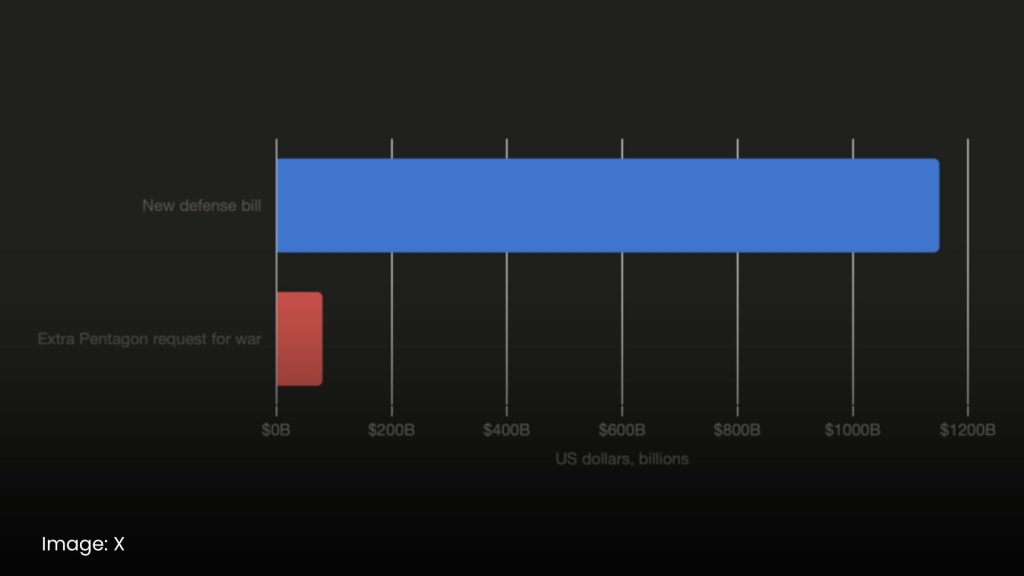
The United States has now carried out twelve consecutive nights of airstrikes against Iran, with President Trump warning that the US will target Iran’s Pickaxe Mountain nuclear enrichment facility and bomb a bridge or power plant in Tehran for every ship attacked in the Strait of Hormuz. Just days later, the House of Representatives narrowly passed a $1.15 trillion annual defense policy bill, advancing the measure amid rising tension over both the war’s cost and its toll on ordinary Americans.
What the Latest Escalation Actually Involves

The strikes have hit coastal and western Iranian cities including Bushehr, Ahvaz and Sirik, part of an operation officially known as Epic Fury that Trump and Secretary of War Pete Hegseth say is targeting Iran’s missile capabilities, navy, and nuclear ambitions. Trump has said he will accept nothing less than Iran’s unconditional surrender. The war, which began February 28, has now stretched well beyond its original timeline, with officials at the outset suggesting it could last only a few weeks.

How Much This Is Costing American Households

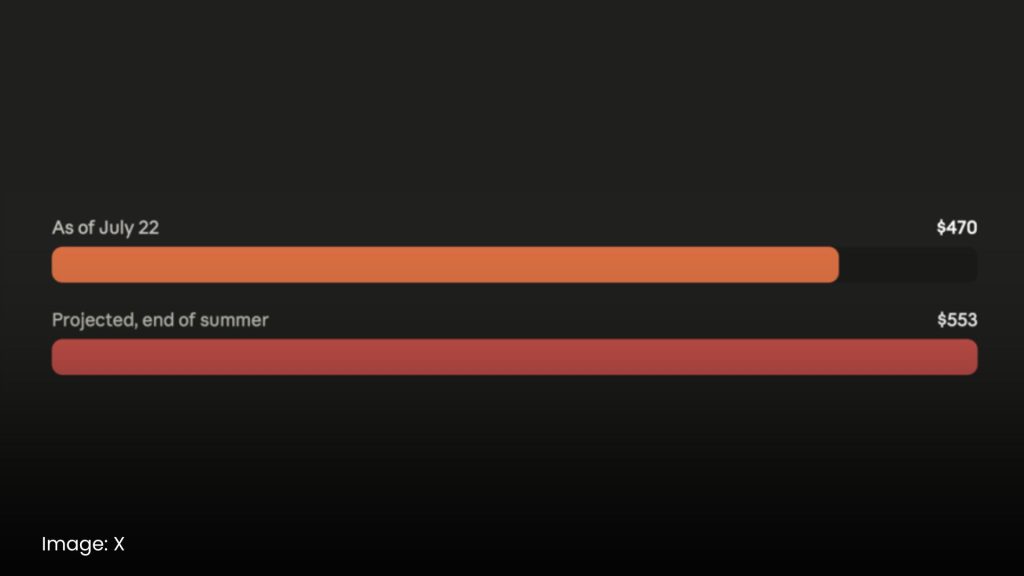
The economic toll on ordinary Americans has been steep and measurable. According to the Institute on Taxation and Economic Policy, the average US household has already paid an additional $470 due to war driven increases in gas and energy prices as of July 22, a figure projected to climb to $553 by the end of summer. Nationally, Americans have paid over $62.8 billion more to the oil industry since prices began rising. Gas prices surged past $4 a gallon in the weeks following the war’s start, with AAA recording the sharpest single week price jump since Russia’s invasion of Ukraine in 2022. Moody’s chief economist Mark Zandi has estimated the war has effectively cost US households close to $1,000 each when accounting for broader inflationary effects, more than erasing the benefit many households received from recent tax cuts.

The Taxpayer Bill Keeps Climbing

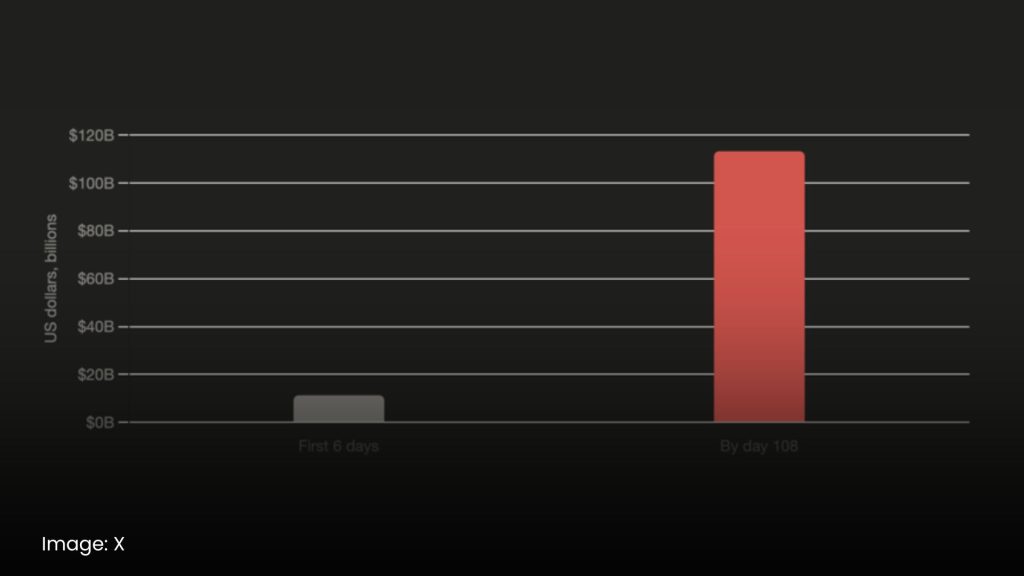
Beyond consumer costs, the direct taxpayer burden of the war has grown steadily. A cost tracking analysis found the war cost $113.3 billion over its first 108 days, running at roughly $1 billion per day based on Pentagon briefings to Congress. In June, the Pentagon requested an additional $80 billion specifically to cover war related costs, on top of expenses still to come from repairing 20 US military sites targeted by Iranian retaliation and replacing at least 40 damaged or destroyed aircraft. Economists including Harvard’s Linda Bilmes note that wars carry a long tail of costs that often continue accumulating well after active combat ends.

Why the New Defense Bill Is Controversial

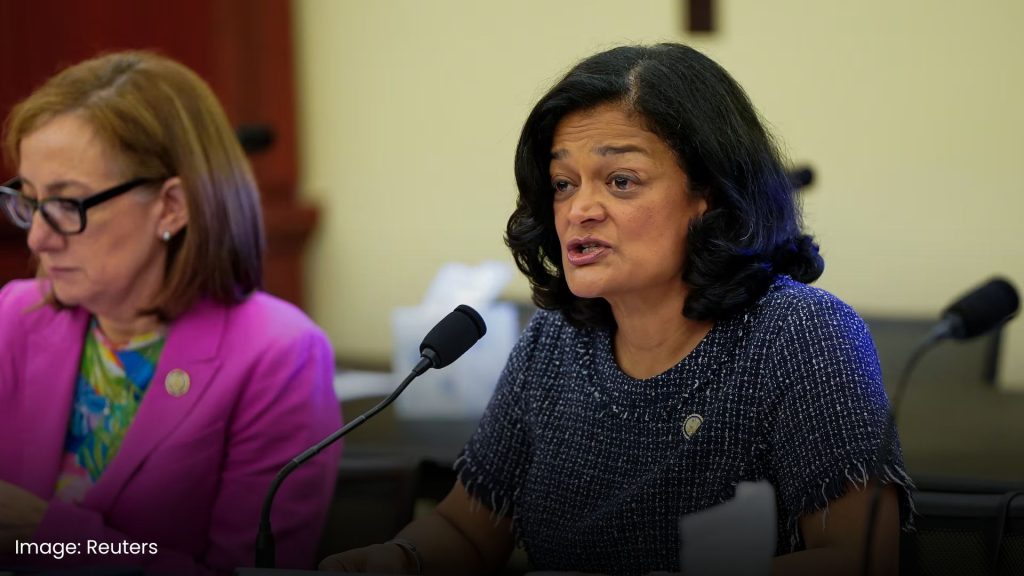
Against this backdrop, the House’s passage of the $1.15 trillion defense bill has drawn sharp criticism from progressive lawmakers. Democratic Rep. Pramila Jayapal said American people are being crushed under the weight of inflation driven by what she called Trump’s unconstitutional war, arguing that a small fraction of the bill’s funding could instead restore Medicaid cuts that pushed millions off healthcare, or pay for universal pre-K and other programs that would ease the broader cost of living crisis facing working Americans. She said she refuses to support an agenda that prioritizes military spending while working people struggle.
The Broader Economic Picture

The war’s ripple effects extend beyond US borders as well. The World Bank cut its 2026 global growth forecast to 2.5 percent, the lowest since the pandemic, citing the war as a significant factor, with Gulf economies expected to grow just 1.3 percent this year compared to 4.5 percent in 2025. Inflation in the US has climbed to its highest level in nearly two years, complicating the job of incoming Federal Reserve Chair Kevin Warsh, while economists at Goldman Sachs warn elevated energy prices will continue eroding consumer spending power, hitting lower income households hardest since they spend a larger share of their budgets on fuel and food.

What This Tension Really Reveals

Taken together, the numbers illustrate a widening gap between how much the government is willing to spend prosecuting the war abroad and how little relief is being offered to households absorbing its costs at home, a contrast that is increasingly shaping the political fight in Washington over the war’s future.

Sources:

·  House advances $1.15 trillion defense bill amid tensions over Iran war — The Hill: https://thehill.com/homenews/house/5983971-house-passes-ndaa-defense-bill/

·  In 8 weeks, the Iran war has dented the US economy, the damage could linger, economists say — CBS News: https://www.cbsnews.com/news/iran-war-economic-impact-gas-prices-inflation-2026/

·  Iran war cost US households $1,000 each, top economist says — Fortune: https://fortune.com/2026/07/01/iran-war-cost-american-households-1000-mark-zandi/

·  Here’s how much the Iran war cost, and how its effects will linger — NPR: https://www.npr.org/2026/06/17/nx-s1-5860739/iran-war-cost-oil-military-trade

The US Is Spending Trillions on the Iran War While Its Own Households Pay the Price

Maryam Tariq

The United States has now carried out twelve consecutive nights of airstrikes against Iran, with President Trump warning that the US will target Iran’s Pickaxe Mountain nuclear enrichment facility and bomb a bridge or power plant in Tehran for every ship attacked in the Strait of Hormuz. Just days later, the House of Representatives narrowly passed a $1.15 trillion annual defense policy bill, advancing the measure amid rising tension over both the war’s cost and its toll on ordinary Americans.

What the Latest Escalation Actually Involves

The strikes have hit coastal and western Iranian cities including Bushehr, Ahvaz and Sirik, part of an operation officially known as Epic Fury that Trump and Secretary of War Pete Hegseth say is targeting Iran’s missile capabilities, navy, and nuclear ambitions. Trump has said he will accept nothing less than Iran’s unconditional surrender. The war, which began February 28, has now stretched well beyond its original timeline, with officials at the outset suggesting it could last only a few weeks.

How Much This Is Costing American Households

The economic toll on ordinary Americans has been steep and measurable. According to the Institute on Taxation and Economic Policy, the average US household has already paid an additional $470 due to war driven increases in gas and energy prices as of July 22, a figure projected to climb to $553 by the end of summer. Nationally, Americans have paid over $62.8 billion more to the oil industry since prices began rising. Gas prices surged past $4 a gallon in the weeks following the war’s start, with AAA recording the sharpest single week price jump since Russia’s invasion of Ukraine in 2022. Moody’s chief economist Mark Zandi has estimated the war has effectively cost US households close to $1,000 each when accounting for broader inflationary effects, more than erasing the benefit many households received from recent tax cuts.

The Taxpayer Bill Keeps Climbing

Beyond consumer costs, the direct taxpayer burden of the war has grown steadily. A cost tracking analysis found the war cost $113.3 billion over its first 108 days, running at roughly $1 billion per day based on Pentagon briefings to Congress. In June, the Pentagon requested an additional $80 billion specifically to cover war related costs, on top of expenses still to come from repairing 20 US military sites targeted by Iranian retaliation and replacing at least 40 damaged or destroyed aircraft. Economists including Harvard’s Linda Bilmes note that wars carry a long tail of costs that often continue accumulating well after active combat ends.

Why the New Defense Bill Is Controversial

Against this backdrop, the House’s passage of the $1.15 trillion defense bill has drawn sharp criticism from progressive lawmakers. Democratic Rep. Pramila Jayapal said American people are being crushed under the weight of inflation driven by what she called Trump’s unconstitutional war, arguing that a small fraction of the bill’s funding could instead restore Medicaid cuts that pushed millions off healthcare, or pay for universal pre-K and other programs that would ease the broader cost of living crisis facing working Americans. She said she refuses to support an agenda that prioritizes military spending while working people struggle.
The Broader Economic Picture

The war’s ripple effects extend beyond US borders as well. The World Bank cut its 2026 global growth forecast to 2.5 percent, the lowest since the pandemic, citing the war as a significant factor, with Gulf economies expected to grow just 1.3 percent this year compared to 4.5 percent in 2025. Inflation in the US has climbed to its highest level in nearly two years, complicating the job of incoming Federal Reserve Chair Kevin Warsh, while economists at Goldman Sachs warn elevated energy prices will continue eroding consumer spending power, hitting lower income households hardest since they spend a larger share of their budgets on fuel and food.
What This Tension Really Reveals

Taken together, the numbers illustrate a widening gap between how much the government is willing to spend prosecuting the war abroad and how little relief is being offered to households absorbing its costs at home, a contrast that is increasingly shaping the political fight in Washington over the war’s future.

Sources:

·  House advances $1.15 trillion defense bill amid tensions over Iran war — The Hill: https://thehill.com/homenews/house/5983971-house-passes-ndaa-defense-bill/

·  In 8 weeks, the Iran war has dented the US economy, the damage could linger, economists say — CBS News: https://www.cbsnews.com/news/iran-war-economic-impact-gas-prices-inflation-2026/

·  Iran war cost US households $1,000 each, top economist says — Fortune: https://fortune.com/2026/07/01/iran-war-cost-american-households-1000-mark-zandi/

·  Here’s how much the Iran war cost, and how its effects will linger — NPR: https://www.npr.org/2026/06/17/nx-s1-5860739/iran-war-cost-oil-military-trade
spot_img

Explore more

spot_img
Global Affairs

Foreign Countries Are Fueling Myanmar’s War for Their Own Benefit

What Are the US and Iran Actually Negotiating Through Oman

UN Official Calls West Bank Attacks “Pogroms,” Wants Weapons Ban on...

UN Rights Chief Wins Second Term, But the US, Israel and...

A Super El Nino Could Cost the World Up to 7...

Trump to Use Frozen Iranian Money, Worth Billions, to Pay for...

Iran Rejects New US Ceasefire Offer, Says It Rejected a Broken...