
Hidden Wounded. Emptying Arsenals. America’s Iran War Is Becoming A Strategic Disaster.
By Verity Quill
The Hidden Human Cost Of America’s Iran War
The United States is fighting a war whose full human cost has not always been disclosed as it unfolded.
According to reporting by The New York Times
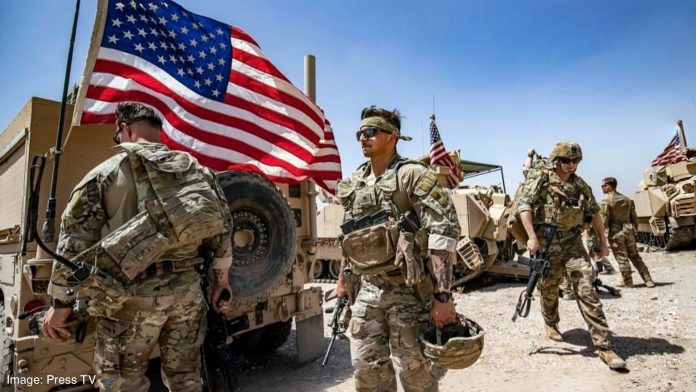
Iran struck American forces in Jordan three times during the week before a deadly attack, injuring dozens of personnel and damaging several helicopters. The Pentagon did not publicly acknowledge those earlier incidents at the time.
US military officials told the newspaper that Central Command is not required to disclose every injury, particularly when service members sustain comparatively minor wounds and quickly return to duty. Officials argued that detailed disclosures could help Iran determine which attacks were successful and identify vulnerabilities at American bases.
The Pentagon later acknowledged
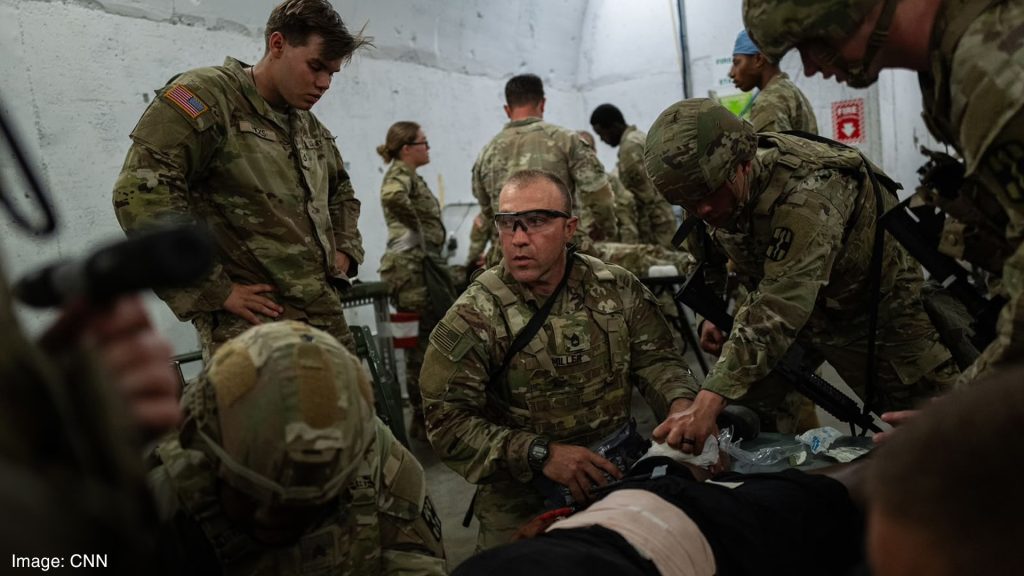
that nearly 100 service members had sustained some degree of injury since fighting resumed in July. Spokesperson Sean Parnell said 96% had returned to duty and described most cases as minor concussions.
Operational secrecy may protect troops during an active conflict. But it also leaves the public dependent on officials to decide which casualties count as significant enough to disclose.
Incomplete US Casualty Figures Are Part Of A Wider Pattern
The controversy did not begin with the latest strikes.
that as many as 150 troops had been wounded within the war’s opening ten days, far more than the Pentagon had disclosed at the time. The Pentagon subsequently confirmed approximately 140 wounded after the story ran, and had previously only acknowledged eight service members seriously injured.
Subsequent reporting alleged that hundreds of additional personnel had been treated for blast exposure, smoke inhalation and other injuries before the scale of those cases became publicly known.
By July 20, CNN and the Washington Post reported
that 18 US service members had been killed since the war began, and the
recorded approximately 447 wounded as of July 21.
A concussion may allow a soldier to return to duty quickly. It is still an injury. Excluding such cases from regular public updates can make a military campaign appear less damaging than it is.
The Iran War Is Burning Through US Missile Stockpiles
The casualty controversy is unfolding alongside another strategic problem: the rapid consumption of American missiles.
Analysts estimate that the United States fired more than 850 Tomahawk cruise missiles during the initial campaign, consuming a substantial share of the weapons positioned on launch platforms across the Middle East.
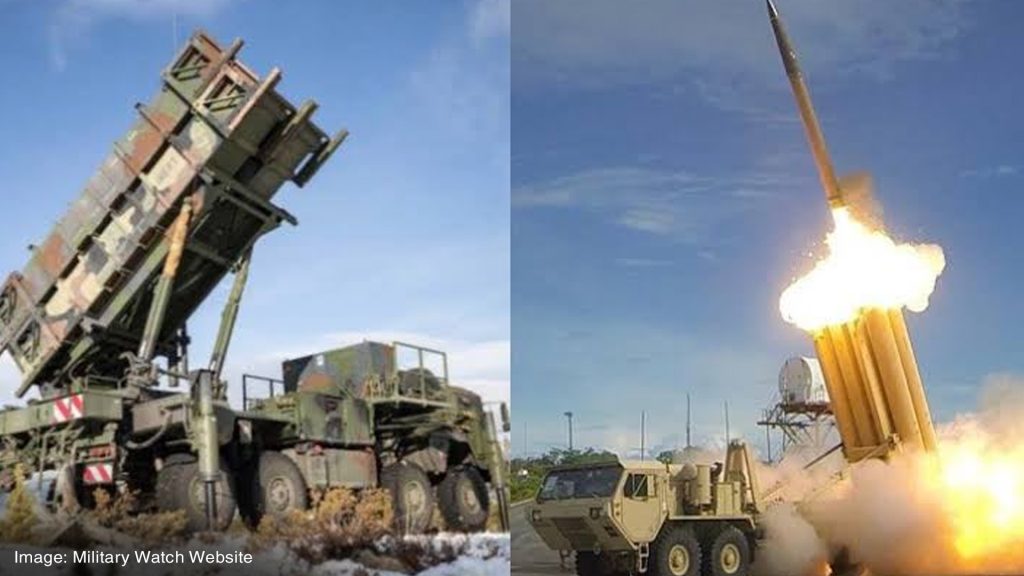
The United States has also used large quantities of Patriot, THAAD and naval interceptors to defend military bases and regional allies from Iranian missiles and drones.
Unlike aircraft, launchers and ships, missiles cannot simply be reused after a mission. Once fired, each interceptor or cruise missile must be replaced through an industrial system that can take years to increase production.
The Pentagon maintains that the United States has sufficient weapons for the Iran campaign. But the
Center for Strategic and International Studies concluded
that the war depleted several critical inventories and created a potential “window of vulnerability” in the Western Pacific.
THAAD, Patriot And Tomahawk Inventories Could Take Years To Rebuild
THAAD appears to be among the most severely affected systems.
The interceptors are designed to destroy ballistic missiles during the final stage of their flight. They are also central to defending American forces and allies in regions threatened by China or North Korea.
that some US air-defence inventories may have fallen by more than half during the Iran conflict, including potential losses across THAAD, Patriot and Standard Missile systems.
Its replenishment analysis suggests that restoring Tomahawk, THAAD and Patriot inventories to their prewar levels will require several years, even with larger orders and expanded production. Tomahawk stocks may not fully recover until around 2030, while the rebuilding of key air-defence inventories could continue through 2029.
The problem is not simply financial. Missile production depends on specialised factories, components, trained workers and long-term contracts. Congress can approve billions of dollars immediately. Industry cannot instantly produce thousands of advanced weapons because politicians have suddenly discovered that warehouses are not magical.
America May Be Consuming Weapons Needed Against China
The same weapons being fired in the Middle East are central to American plans for a potential conflict in the Indo-Pacific.
Tomahawks would be used against ships, airfields and military infrastructure. THAAD and Patriot systems would protect American bases and allied territory. Naval interceptors would be essential for defending aircraft carriers and regional forces.
Depleting those inventories against Iran therefore creates risks far beyond the current battlefield.
that shortages could weaken American readiness during a confrontation involving China, Taiwan or North Korea.
Japan has also reportedly been warned that planned deliveries of hundreds of Tomahawks could be delayed as the United States prioritises rebuilding its own stocks.
The Pentagon Is Asking Congress To Pay For The Damage
The war’s financial cost is also accelerating.
Defense Secretary Pete Hegseth told lawmakers
that the conflict had cost approximately $37.5 billion by July 21. The administration requested nearly $90 billion in additional Iran-related funding, including money for continuing operations and replacing depleted munitions.
Pentagon officials warned that without new funding, the military could be forced to reduce training, maintenance and other readiness spending.
The request reveals the scale of the problem more clearly than official reassurances do. The United States is not merely paying to continue the war. It is asking taxpayers to finance the enormous task of rebuilding the military capacity already consumed by it.
The United States Is Hiding Damage While Creating New Vulnerabilities
The casualty reporting and missile shortages are not separate failures.
Together, they show a war whose immediate human cost has been disclosed selectively while its strategic cost is being transferred into future years, future budgets and future conflicts.
The Pentagon argues that secrecy protects American forces. It also says the United States remains capable of sustaining operations.
But a military can remain capable of fighting today while becoming less prepared for tomorrow.
America’s wounded may disappear from public briefings once they return to duty.
Its emptied missile racks will take much longer to hide.
Hyperlinked Sources
Mediaite: Pentagon Has Not Disclosed Dozens Of Injuries To US Service Members In Iran War
CBS News: Iran War Updates, Troops Killed And Wounded In Jordan
Reuters via AOL: As Many As 150 US Troops Wounded In Opening Days Of Iran War
CNN: US Military Identifies Soldiers Killed In Jordan And Iraq
Time: The 17 US Service Members Killed In The Iran War (Pentagon Defense Casualty Analysis System)
CSIS: Rebuilding US Missile Inventory, A Multiyear ProjectCSIS: Last Rounds? Status Of Key Munitions At The Iran War Ceasefire