Europe Attacks Islam. Its Football Glory Still Depends On Muslims.

Europe Vilifies Islam, Then Celebrates The Muslim Players Carrying Its Teams

By Verity Quill

Europe’s political class increasingly presents Islam as a cultural threat. Yet when its national teams need goals, symbols of unity and moments of sporting history, Muslim footballers are often standing at the centre of the celebration.

The 2026 World Cup made that contradiction impossible to ignore.

Lamine Yamal Refused To Hide His Faith

Lamine Yamal scored his first World Cup goal ten minutes into Spain’s 4–0 win over Saudi Arabia on June 21. Then he fell into sujood, the Islamic prostration of gratitude, before a global audience. (Al Jazeera)

The image was both personal and political. Yamal represents Spain while remaining visibly connected to his faith. He has also publicly challenged Islamophobic chanting and expressed support for Palestine.

At the moment Spain celebrated him as a national hero, he rejected the old expectation that Muslim success must arrive stripped of Muslim identity.

Djed Spence Made England History

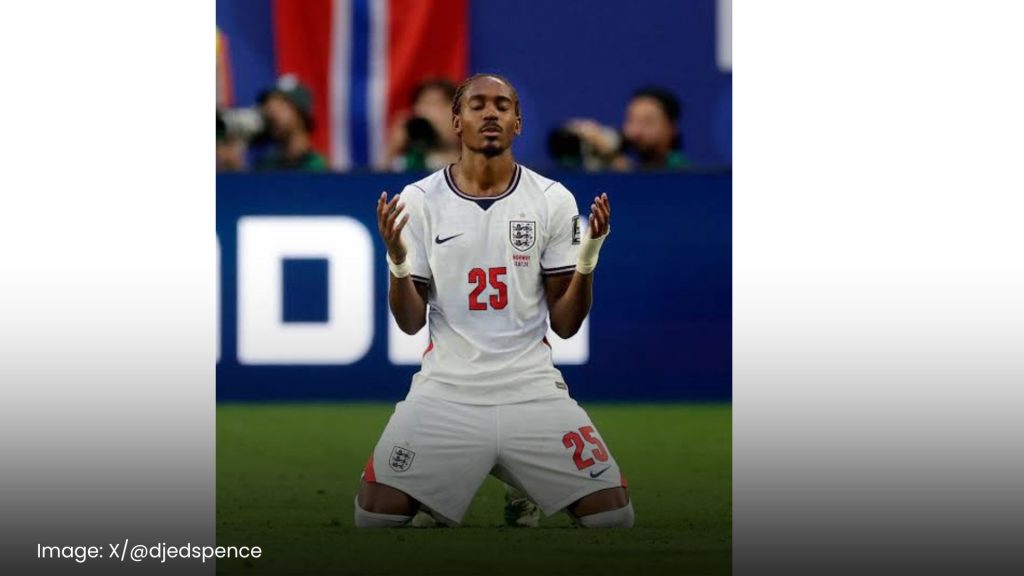
Djed Spence became the first Muslim footballer to represent England’s senior men’s team in 2025. At the World Cup, he became the first Muslim man to wear the England shirt at the tournament. (Al Jazeera)

After England defeated Norway in the quarterfinal, Spence knelt on the pitch and raised his hands in prayer.

For young British Muslims, the moment was bigger than a team sheet. England had fielded generations of players from immigrant communities, yet its senior men’s side had never included an openly Muslim footballer.

Spence’s breakthrough also rests on years of work away from television cameras. Former footballer Riz Rehman spent 15 years with the Professional Footballers’ Association pushing clubs to provide prayer rooms, Ramadan education and breaks for fasting players to open their fast.

The Professional Footballers’ Association now helps clubs create prayer and quiet spaces and adapt training and facilities for players observing Ramadan.
These measures are not favours. They allow Muslim players to compete without being forced to choose between elite football and religious practice.

Faith Became Part Of The World Cup

The visibility extended beyond Europe’s teams.

Mohamed Salah scored during Egypt’s historic first World Cup victory, while footage shared after the achievement showed the Egyptian squad performing sujood together in gratitude. Egypt eventually produced its greatest World Cup campaign, reaching the knockout rounds for the first time.

Their faith was not treated as an interruption to the spectacle. It became part of the spectacle.

New Zealand’s Sarpreet Singh also became the first Sikh to play at a senior men’s World Cup, widening the tournament’s representation beyond Islam and showing that global football does not require athletes to erase their religious identity before they can belong.

The Celebration Ends Outside The Stadium

That visibility matters because the political climate outside football tells a harsher story.

The European Union Agency for Fundamental Rights found that 47 percent of Muslim respondents across 13 European Union countries had experienced racial discrimination during the previous five years. (FRA)

The Council of Europe’s anti-racism commission says anti-Muslim hate speech remains prominent across Europe and has warned political leaders and public officials about their role in allowing hateful discourse to become normal.

This is the contradiction Muslim players are forced to inhabit.

They are embraced when they score, celebrated when they win and turned into national symbols when their countries need unity. But Muslims living in the same countries are still discussed as security risks, demographic threats or evidence that Europe is losing its identity.

Football cannot prove that every European team depends on one individual Muslim player. Nor can a goal defeat institutional Islamophobia.

But the sport exposes a truth that anti-Muslim politics repeatedly tries to deny: Muslims are not outsiders waiting for permission to enter European society.
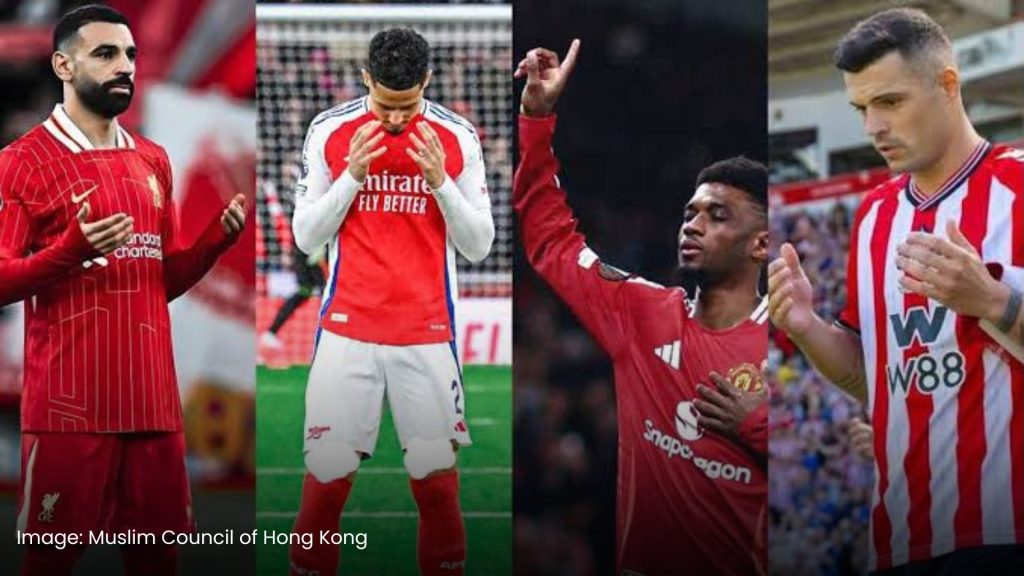
They are already wearing the shirt, carrying expectations, scoring the goals and making the history.

Lamine Yamal’s sujood did not weaken Spain. Djed Spence’s faith did not make him less English.

Europe can continue vilifying Islam in politics. It cannot honestly separate Muslim identity from the football glory it celebrates.

Hyperlinked Sources

Al Jazeera: Spain Thrash Saudi Arabia As Lamine Yamal Off The Mark At World Cup 2026

Al Jazeera: A Role Model: Djed Spence, First Muslim England Player, Lifts Hopes

European Union Agency For Fundamental Rights: Muslims In Europe Face Ever More Racism And Discrimination

FIFA: Egypt’s Historic 2026 World Cup Run (source referenced, not independently re-verified for this document)

The Professional Footballers’ Association: Support For Muslim Players (source referenced, not independently re-verified for this document)

1News: Sarpreet Singh Becomes The First Sikh To Play At A Men’s World Cup (source referenced, not independently re-verified for this document)

Council of Europe: Anti-Muslim Hate Speech Remains At Alarming Levels (source referenced, not independently re-verified for this document)

Europe Vilifies Islam, Then Celebrates The Muslim Players Carrying Its Teams

By Verity Quill

Europe’s political class increasingly presents Islam as a cultural threat. Yet when its national teams need goals, symbols of unity and moments of sporting history, Muslim footballers are often standing at the centre of the celebration.

The 2026 World Cup made that contradiction impossible to ignore.

Lamine Yamal Refused To Hide His Faith

Lamine Yamal scored his first World Cup goal ten minutes into Spain’s 4–0 win over Saudi Arabia on June 21. Then he fell into sujood, the Islamic prostration of gratitude, before a global audience. (Al Jazeera)

The image was both personal and political. Yamal represents Spain while remaining visibly connected to his faith. He has also publicly challenged Islamophobic chanting and expressed support for Palestine.

At the moment Spain celebrated him as a national hero, he rejected the old expectation that Muslim success must arrive stripped of Muslim identity.

Djed Spence Made England History

Djed Spence became the first Muslim footballer to represent England’s senior men’s team in 2025. At the World Cup, he became the first Muslim man to wear the England shirt at the tournament. (Al Jazeera)

After England defeated Norway in the quarterfinal, Spence knelt on the pitch and raised his hands in prayer.

For young British Muslims, the moment was bigger than a team sheet. England had fielded generations of players from immigrant communities, yet its senior men’s side had never included an openly Muslim footballer.

Spence’s breakthrough also rests on years of work away from television cameras. Former footballer Riz Rehman spent 15 years with the Professional Footballers’ Association pushing clubs to provide prayer rooms, Ramadan education and breaks for fasting players to open their fast.

The Professional Footballers’ Association now helps clubs create prayer and quiet spaces and adapt training and facilities for players observing Ramadan.

These measures are not favours. They allow Muslim players to compete without being forced to choose between elite football and religious practice.

Faith Became Part Of The World Cup

The visibility extended beyond Europe’s teams.

Mohamed Salah scored during Egypt’s historic first World Cup victory, while footage shared after the achievement showed the Egyptian squad performing sujood together in gratitude. Egypt eventually produced its greatest World Cup campaign, reaching the knockout rounds for the first time.

Their faith was not treated as an interruption to the spectacle. It became part of the spectacle.

New Zealand’s Sarpreet Singh also became the first Sikh to play at a senior men’s World Cup, widening the tournament’s representation beyond Islam and showing that global football does not require athletes to erase their religious identity before they can belong.

The Celebration Ends Outside The Stadium

That visibility matters because the political climate outside football tells a harsher story.

The European Union Agency for Fundamental Rights found that 47 percent of Muslim respondents across 13 European Union countries had experienced racial discrimination during the previous five years. (FRA)

The Council of Europe’s anti-racism commission says anti-Muslim hate speech remains prominent across Europe and has warned political leaders and public officials about their role in allowing hateful discourse to become normal.

This is the contradiction Muslim players are forced to inhabit.

They are embraced when they score, celebrated when they win and turned into national symbols when their countries need unity. But Muslims living in the same countries are still discussed as security risks, demographic threats or evidence that Europe is losing its identity.

Football cannot prove that every European team depends on one individual Muslim player. Nor can a goal defeat institutional Islamophobia.

But the sport exposes a truth that anti-Muslim politics repeatedly tries to deny: Muslims are not outsiders waiting for permission to enter European society.

They are already wearing the shirt, carrying expectations, scoring the goals and making the history.

Lamine Yamal’s sujood did not weaken Spain. Djed Spence’s faith did not make him less English.

Europe can continue vilifying Islam in politics. It cannot honestly separate Muslim identity from the football glory it celebrates.

Hyperlinked Sources

Al Jazeera: Spain Thrash Saudi Arabia As Lamine Yamal Off The Mark At World Cup 2026

Al Jazeera: A Role Model: Djed Spence, First Muslim England Player, Lifts Hopes

European Union Agency For Fundamental Rights: Muslims In Europe Face Ever More Racism And Discrimination

FIFA: Egypt’s Historic 2026 World Cup Run (source referenced, not independently re-verified for this document)

The Professional Footballers’ Association: Support For Muslim Players (source referenced, not independently re-verified for this document)

1News: Sarpreet Singh Becomes The First Sikh To Play At A Men’s World Cup (source referenced, not independently re-verified for this document)

Council of Europe: Anti-Muslim Hate Speech Remains At Alarming Levels (source referenced, not independently re-verified for this document)

spot_img

Explore more

spot_img
Global Affairs

Commanders Allegedly Told US Troops Trump Was Anointed By Jesus For...

Five Historic Mosques Were Demolished To Widen A Road To Modi’s...

Trump wants more data centers. New York’s governor just said no.

The icc’s judges did not find misconduct. Why did 82 countries...

Mali wants its gold and lithium back. Is that why Trump...

The Bulldozers Won: Assam’s BJP Returns With A Mandate To Evict...

Free On Paper, Exiled In Practice: India’s Cage Just Got Bigger