
A Chickenpox Outbreak Is Spreading Across Gaza
Nearly 9,300 chickenpox cases were reported across more than 130 health facilities in Gaza within two weeks, according to the UN Office for the Coordination of Humanitarian Affairs (OCHA). More than half of the reported cases were recorded in Khan Younis.
Chickenpox is generally a manageable childhood illness. However, it can become more serious for newborns, pregnant women and people whose immune systems are weakened by illness or malnutrition.
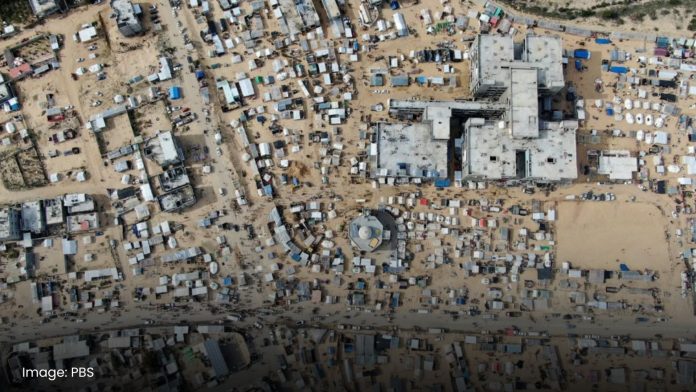
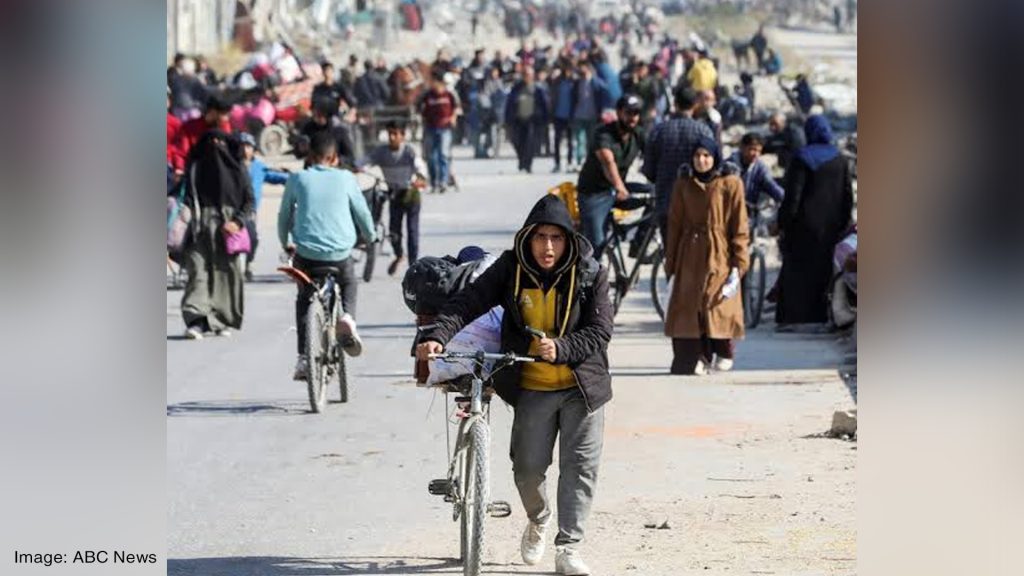
In Gaza, the virus is spreading through conditions created by mass displacement, overcrowding and the collapse of basic sanitation. More than 1.7 million displaced people are living across over 1,600 displacement sites, while organised site management reaches only about one-third of them.
Many families lack reliable access to clean drinking water, soap, waste collection and safe sanitation. Crowded shelters make isolation almost impossible, allowing infectious diseases to spread rapidly among children and families.
The Health Emergency Is Growing
The 9,300 figure covers chickenpox cases alone over a two-week reporting period.
One week later, the United Nations announced that more than 18,000 new cases of chickenpox, ectoparasitic infestation and impetigo had been recorded during the following reporting period. A UN spokesperson confirmed the same figures directly in a Secretariat briefing, noting that acute respiratory illness and skin disease remain the most frequently reported conditions in Gaza, while waterborne disease continues to rise around Khan Younis.
The figures are not directly comparable because the newer number combines three different conditions. However, they show that the wider infectious-disease emergency continued to worsen.
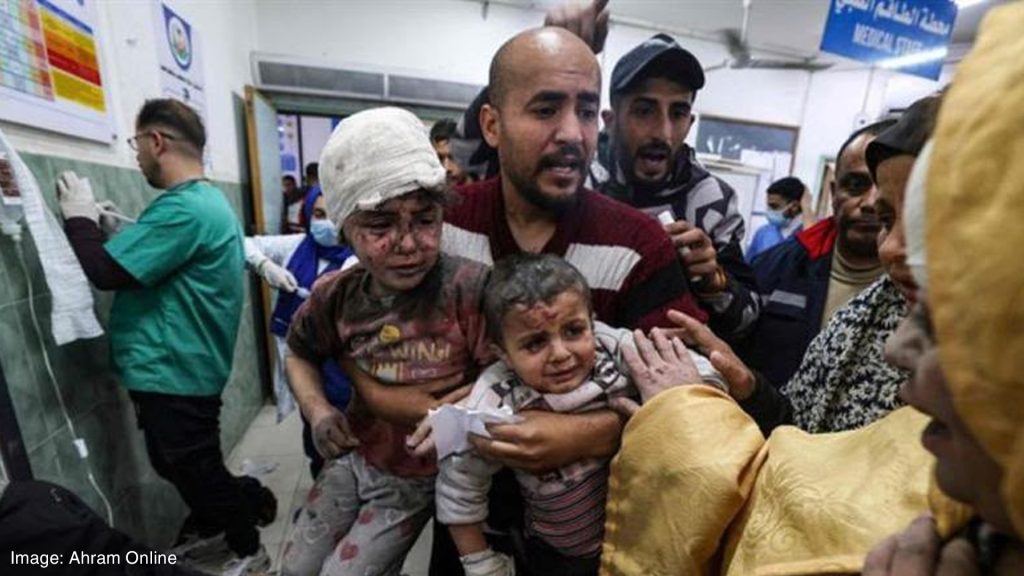
Health agencies have expanded water trucking, chlorination, hygiene promotion, home-isolation guidance and treatment with fever medicines, antihistamines and antibiotics where complications occur. The UN says additional humanitarian access, funding and medical supplies remain urgently needed.
Hospitals Are Struggling To Cope
The outbreak is unfolding as Gaza’s healthcare system continues to operate under severe strain. As of May 2026, only 14 of Gaza HYPERLINK “https://www.vaticannews.va/en/world/news/2026-05/gaza-attacks-hospitals-war-humanitarian-emergency-united-nations.html”‘ HYPERLINK “https://www.vaticannews.va/en/world/news/2026-05/gaza-attacks-hospitals-war-humanitarian-emergency-united-nations.html”s 36 hospitals remain even partially functional, according to the World Health Organization. Health facilities continue to face shortages of medicines, fuel, medical equipment and healthcare workers.
At Al Shifa Hospital, a shortage of sodium bicarbonate has reduced dialysis capacity for around 240 patients. More broadly, roughly 700 hemodialysis patients across Gaza are now at risk due to shortages of critical consumables, while cardiac and oncology services remain available only on a very limited basis.
Patients living with diabetes, cancer, kidney disease, hypertension and heart disease continue to face disrupted treatment as hospitals prioritise emergency care.
Medical Shortages Continue
Médecins Sans Frontières (MSF) says Isr*eli restrictions have left its teams with a critical shortage of medical supplies, with almost 50 percent of essential medications for chronic diseases in critically low stock. MSF medical adviser Dr. Randa Abu El-Khair Masoud described a bone drill failing mid-surgery on a two-year-old child because it was the only one the hospital had, forcing the team to source a replacement from another facility and delaying the operation.
The organisation reports shortages of medicines for chronic illnesses, surgical supplies and replacement equipment, while thousands of patients continue to require specialised treatment unavailable inside Gaza.
A Public-Health System Under Pressure
The chickenpox outbreak is not simply the story of one childhood illness.
It reflects what happens when overcrowding, damaged health facilities, disrupted vaccination services, shortages of clean water and limited medical supplies combine to weaken an entire public-health system.
Ordinarily manageable diseases become far more difficult to contain under these conditions.
The number that matters is not only 9,300. It is what that figure reveals about the growing pressure on Gaza’s healthcare system, and the challenges facing children, healthcare workers and displaced families as infectious diseases continue to spread.
Sources
• OCHA Humanitarian Situation Report, 3 July 2026
• OCHA Humanitarian Situation Report, 10 July 2026
• UN Secretary-General Spokesperson Briefing, 10 July 2026
• Vatican News / WHO, Gaza hospital attacks report
• MSF, Gaza: Israeli entry restrictions cause critical shortage of medical supplies