

France Bans Social Media for Kids Under 15

France Becomes First EU Country to Ban Social Media for Under 15s, but Enforcement Questions Remain

Maryam Tariq

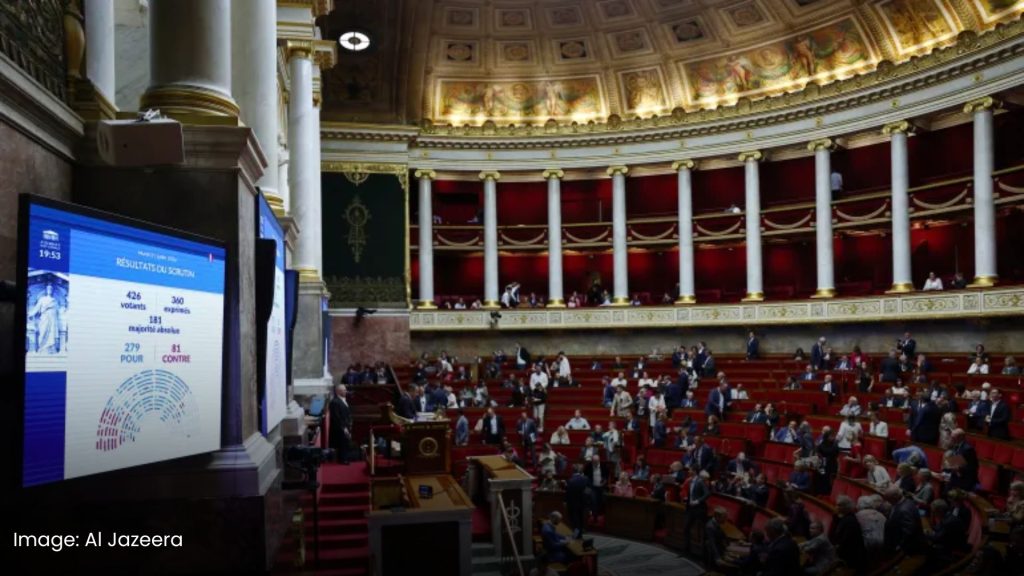
French lawmakers have approved a landmark bill banning social media access for children under the age of 15, making France the first country in the European Union to pass this kind of blanket restriction. The law, a signature initiative of President Emmanuel Macron’s second term, cleared both chambers of parliament on July 21, with the National Assembly passing it 279 to 81 after Senate approval earlier the same day.

How the Social Media Ban Will Actually Work

Under the legislation, children under 15 will be barred from creating new social media accounts starting September 1, timed to coincide with the start of the French school year. Platforms will have until January 2027 to identify and suspend existing accounts belonging to users under that age threshold. The law also bans mobile phone use in French high schools, extending a restriction already in place for primary and middle schools since 2018. Digital Minister Anne Le Henanff said the September timeline was realistic because age verification tools already exist, adding that for four months, everyone in France will effectively have to prove their age to keep using these platforms. The ban does not apply to educational websites or online encyclopedias.
Why Macron Is Pushing This Now

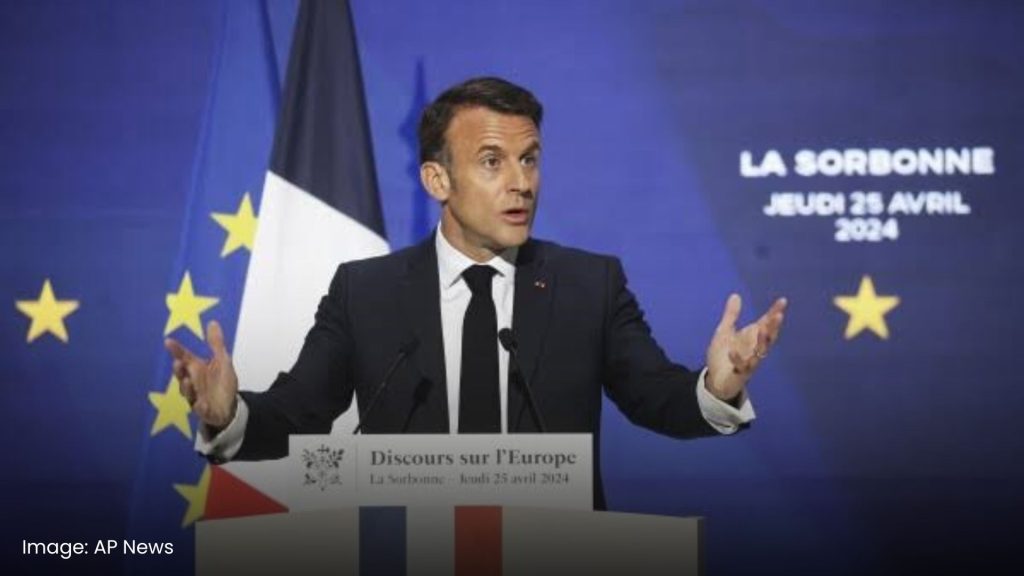
Macron has repeatedly pointed to social media as a contributing factor in rising violence among young people, and the push gained momentum after a fatal school stabbing in eastern France shocked the country. France’s health watchdog found that 90 percent of children aged 12 to 17 use smartphones daily to access the internet, with 58 percent of them using their devices specifically for social networks, and that one in two teenagers spends between two and five hours a day on their phone. Several French families have also filed lawsuits against TikTok, alleging the platform’s design contributed to their children’s suicides. Macron called parliament’s approval a major step forward, saying France is leading the way in Europe on protecting children and teenagers.

The Enforcement Questions Critics Are Raising

Not every lawmaker is convinced the law will function as intended. Members of the left wing France Unbowed party opposed the bill, arguing its constitutionality is unclear, that it would effectively end online anonymity for all users, not just minors, and that it would be nearly impossible to enforce in practice. Ines Legendre, a legal adviser for the online child protection group e-Enfance, acknowledged the law won’t translate into an immediate outright ban, raising open questions about how existing underage accounts will actually be identified and suspended, and how age verification will be implemented for new accounts going forward. France’s government has separately floated restricting VPN access specifically to prevent children from bypassing the new age checks, a move some industry figures warn could set a precedent for broader digital restrictions down the line.

Where France Fits Into a Global Trend

France’s ban follows a wave of similar restrictions internationally. Australia became the first country to bar children under 16 from social media in December, making platforms including TikTok, Facebook, Snapchat, Reddit, X and Instagram liable for fines up to 50 million Australian dollars if they fail to prevent underage account holders. European Commission President Ursula von der Leyen has separately called for EU wide limits on children’s social media use, with a special EU panel recommending platforms be barred to under 13s until they can prove their platforms are safe. The European Commission is expected to propose broader rules for all 27 member states in the near future.
What Happens Next

France’s Constitutional Council must still review the legislation before it can take effect, a standard step for major French laws. If upheld, the law will position France at the forefront of Europe’s growing regulatory pushback against major social platforms, even as questions remain about whether a national government can meaningfully enforce an age based ban on services built around global, easily accessible digital infrastructure.

Sources:

·  Major step forward, French lawmakers approve social media ban for children under 15 — France 24: https://www.france24.com/en/france/20260721-french-lawmakers-expected-to-pass-social-media-ban-for-children-under-15

·  French parliament passes social media ban for under 15s — Al Jazeera: https://www.aljazeera.com/news/2026/7/21/french-parliament-passes-social-media-ban-for-under-15s ·  French lawmakers pass sweeping social media ban for children under 15 — PBS News: https://www.pbs.org/newshour/world/french-lawmakers-pass-sweeping-social-media-ban-for-children-under-15
France Becomes First EU Country to Ban Social Media for Under 15s, but Enforcement Questions Remain

Maryam Tariq

French lawmakers have approved a landmark bill banning social media access for children under the age of 15, making France the first country in the European Union to pass this kind of blanket restriction. The law, a signature initiative of President Emmanuel Macron’s second term, cleared both chambers of parliament on July 21, with the National Assembly passing it 279 to 81 after Senate approval earlier the same day.

How the Social Media Ban Will Actually Work

Under the legislation, children under 15 will be barred from creating new social media accounts starting September 1, timed to coincide with the start of the French school year. Platforms will have until January 2027 to identify and suspend existing accounts belonging to users under that age threshold. The law also bans mobile phone use in French high schools, extending a restriction already in place for primary and middle schools since 2018. Digital Minister Anne Le Henanff said the September timeline was realistic because age verification tools already exist, adding that for four months, everyone in France will effectively have to prove their age to keep using these platforms. The ban does not apply to educational websites or online encyclopedias.

Why Macron Is Pushing This Now

Macron has repeatedly pointed to social media as a contributing factor in rising violence among young people, and the push gained momentum after a fatal school stabbing in eastern France shocked the country. France’s health watchdog found that 90 percent of children aged 12 to 17 use smartphones daily to access the internet, with 58 percent of them using their devices specifically for social networks, and that one in two teenagers spends between two and five hours a day on their phone. Several French families have also filed lawsuits against TikTok, alleging the platform’s design contributed to their children’s suicides. Macron called parliament’s approval a major step forward, saying France is leading the way in Europe on protecting children and teenagers.

The Enforcement Questions Critics Are Raising

Not every lawmaker is convinced the law will function as intended. Members of the left wing France Unbowed party opposed the bill, arguing its constitutionality is unclear, that it would effectively end online anonymity for all users, not just minors, and that it would be nearly impossible to enforce in practice. Ines Legendre, a legal adviser for the online child protection group e-Enfance, acknowledged the law won’t translate into an immediate outright ban, raising open questions about how existing underage accounts will actually be identified and suspended, and how age verification will be implemented for new accounts going forward. France’s government has separately floated restricting VPN access specifically to prevent children from bypassing the new age checks, a move some industry figures warn could set a precedent for broader digital restrictions down the line.

Where France Fits Into a Global Trend

France’s ban follows a wave of similar restrictions internationally. Australia became the first country to bar children under 16 from social media in December, making platforms including TikTok, Facebook, Snapchat, Reddit, X and Instagram liable for fines up to 50 million Australian dollars if they fail to prevent underage account holders. European Commission President Ursula von der Leyen has separately called for EU wide limits on children’s social media use, with a special EU panel recommending platforms be barred to under 13s until they can prove their platforms are safe. The European Commission is expected to propose broader rules for all 27 member states in the near future.

What Happens Next

France’s Constitutional Council must still review the legislation before it can take effect, a standard step for major French laws. If upheld, the law will position France at the forefront of Europe’s growing regulatory pushback against major social platforms, even as questions remain about whether a national government can meaningfully enforce an age based ban on services built around global, easily accessible digital infrastructure.

Sources:

·  Major step forward, French lawmakers approve social media ban for children under 15 — France 24: https://www.france24.com/en/france/20260721-french-lawmakers-expected-to-pass-social-media-ban-for-children-under-15

·  French parliament passes social media ban for under 15s — Al Jazeera: https://www.aljazeera.com/news/2026/7/21/french-parliament-passes-social-media-ban-for-under-15s ·  French lawmakers pass sweeping social media ban for children under 15 — PBS News: https://www.pbs.org/newshour/world/french-lawmakers-pass-sweeping-social-media-ban-for-children-under-15

spot_img

Explore more

spot_img
Global Affairs

Satellite Images Show Israel’s Is Building a Wall Going Past Gaza’s...

US to Let Saudi Enrich Uranium, the Same Thing It Fought...

Delaware County’s First Muslim Sheriff Targeted With Racist Death Threats

Gaza’s Population Has Dropped by Nearly 10 Percent Since October 2023

Venezuela, Iran, Cuba: The Oil Pattern Behind Trump’s Three Targets

US Senators Push Bill to Punish India and China for Buying...

Behind the Cockroach Protests: A Broken Exam System That’s Cost Students...

The 2026 World Cup’s Real Price Tag: Billions Lost Before a...