
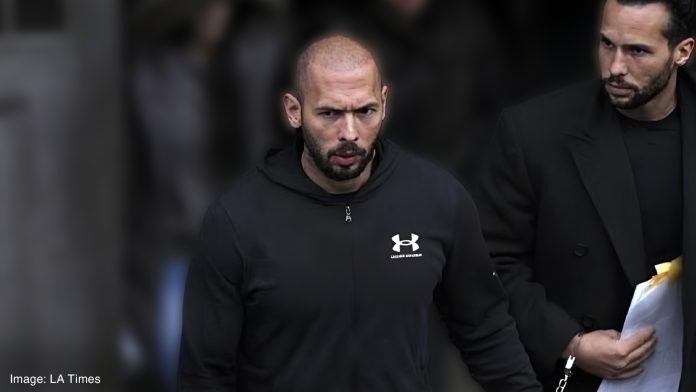
Andrew Tate And The Rise Of The Incel Bros

A Court Case That Became A Cultural Crisis

When Netflix’s Adolescence became one of the most talked-about dramas of 2025, it did something most legal proceedings had failed to do. It made millions of people understand, in four episodes, exactly what kind of culture Andrew Tate helped build and what that culture does to teenage boys. In the second episode, a detective trying to explain a 13-year-old’s murder of a female classmate turns to a colleague and says: “It’s the involuntary celibate stuff. It’s the Andrew Tate shite.”

That line landed globally because it reflected something parents, teachers and researchers had been warning about for years. The manosphere was not a fringe internet subculture anymore. It had moved into classrooms, bedrooms and now courtrooms.

And right now, Andrew Tate is in a great many of them simultaneously.

The Legal Picture Is Bigger Than One Paused Trial

A British judge recently paused Tate’s civil proceedings after police reopened criminal investigations into allegations made by three of the four women suing him. Those four women, granted anonymity by the court, accuse Tate of rape, assault and coercive control between 2013 and 2015. Two were in intimate relationships with him. Two worked for his online webcam business in Luton. One alleges Tate pointed a gun at her face and told her she would do as he said. Another alleges he strangled her until she was unconscious. Tate denies all allegations.

But the civil case is only one thread in a legal web that now stretches across two countries and multiple court systems.

In May 2025, the Crown Prosecution Service formally charged Andrew and Tristan Tate with 21 criminal offences including rape, human trafficking and actual bodily harm. The brothers deny wrongdoing and have said they will return to Britain to face the charges once Romanian proceedings conclude. Those Romanian proceedings, involving separate allegations of rape, trafficking and organized criminal activity, are still ongoing. In April 2026, a Romanian court lifted remaining judicial control measures on Tate, removing requirements such as regular police check-ins, while the broader investigation continues.
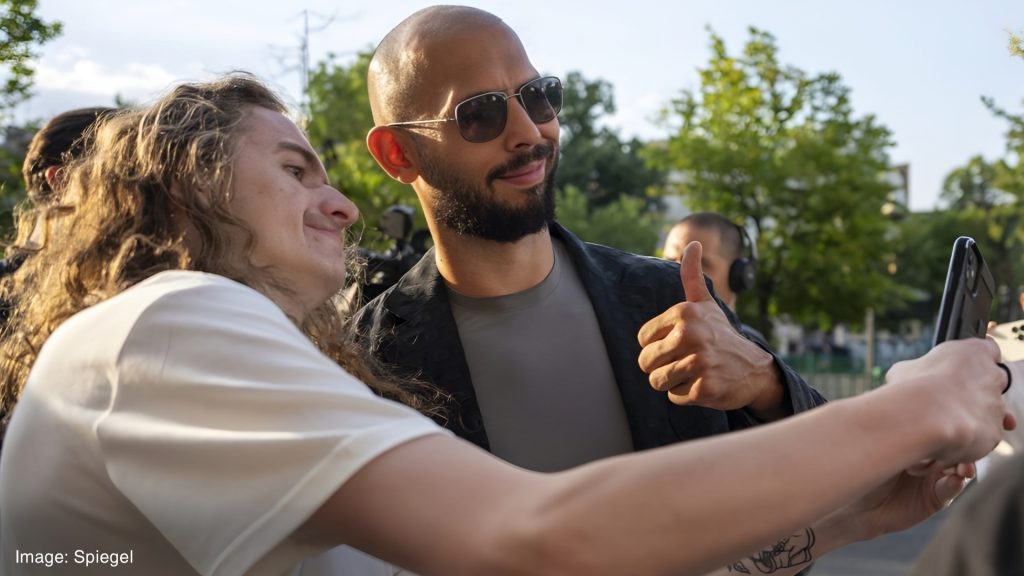
In December 2024, Westminster Magistrates’ Court ruled in favour of Devon and Cornwall Police, allowing the seizure of approximately £2.5 million from the Tate brothers’ frozen accounts for unpaid taxes across their online businesses.

The women who brought the civil case have already endured more than a decade of waiting. Their lawyer Matthew Jury put it plainly in court. Tate’s legal team applied for a 12-month delay on the civil proceedings. The judge rejected it.

The Detectives Who Cleared Him Are Now Under Investigation

The most explosive detail in the entire Tate legal saga has received remarkably little mainstream attention.

The officers who originally investigated and then closed the case against Tate in 2019 are now themselves facing misconduct scrutiny. The Independent Office for Police Conduct confirmed it is investigating Hertfordshire Constabulary’s handling of the original case. A former detective constable faces potential gross misconduct proceedings for alleged failures to properly investigate. Two former detective sergeants who supervised the investigation are also under scrutiny for their conduct.

The force itself acknowledged the situation, stating it was committed to ensuring allegations of such a serious nature are properly and thoroughly investigated, no matter how long ago they occurred.

That acknowledgment reframes the entire story. It is no longer simply a question of accusations versus denial. It raises a harder question: did institutional failure allow a man now facing 21 criminal charges to walk free for nearly a decade while his accusers were left without justice and later subjected to online harassment campaigns by his supporters?

How Andrew Tate Became Bigger Than Andrew Tate

The courtroom story is only half of why Tate matters in 2026.

The other half exists in the algorithm.

Tate built one of the most viral masculinity empires the internet has ever produced through short-form clips, podcasts, outrage-driven social media content and an online mentorship platform that critics compared to a pyramid scheme, financially rewarding members for recruiting new subscribers and flooding platforms with Tate content. His brand fused luxury lifestyle imagery, aggressive masculinity, hustle culture, anti-feminist rhetoric and dominance narratives into a format that algorithms were perfectly designed to amplify. Supporters viewed it as confidence and discipline. Critics viewed it as monetized misogyny aimed at emotionally vulnerable young men.

The result was not just a fanbase. It became an ecosystem where other men were competitors, emotional vulnerability was weakness, wealth was identity and women were status symbols. Researchers, teachers and youth experts have increasingly warned that this ecosystem is reshaping how teenage boys understand gender, power and relationships. Some British teachers have reported students directing manosphere-influenced hostility toward female colleagues in classrooms.

Extremism researchers now warn that incel-related violence and online misogyny are still not being studied seriously enough as forms of radicalization. A recent academic analysis found that the combination of algorithm-driven platforms and influencers like Tate creates conditions for gender-based radicalization with real-world consequences.

The Vacuum That Built Him

The deeper issue was never Andrew Tate specifically. It was the vacuum he filled.

Millions of young men online were searching for purpose, identity, belonging and a coherent story about what masculinity was supposed to mean in a world that seemed increasingly uncertain about all of those things. Mainstream institutions, schools, governments and media largely failed to notice that demand or speak to it directly. The internet noticed first. And men like Tate built businesses around it.

The legal cases against him remain unresolved. He may yet face a criminal trial in Britain, a separate criminal reckoning in Romania and a civil judgment from four women who refused to stop waiting for accountability.

But the culture he helped normalize is not waiting for a verdict. It is already inside the algorithm, inside the classroom and, as Netflix reminded millions of viewers, inside the mind of a 13-year-old boy who thought Andrew Tate had given him a map of the world.

He had not. But by the time anyone explained that, it was too late.

Sources: BBC, ITV News, The Guardian, Independent Office for Police Conduct, HotAir, Rolling Stone, Crown Prosecution Service, UK court reporting #Verum #AndrewTate #IncelBros #Manosphere #Masculinity #OnlineCulture #UKNews #SocialMedia #Netflix #BreakingNews
A Court Case That Became A Cultural Crisis

When Netflix’s Adolescence became one of the most talked-about dramas of 2025, it did something most legal proceedings had failed to do. It made millions of people understand, in four episodes, exactly what kind of culture Andrew Tate helped build and what that culture does to teenage boys. In the second episode, a detective trying to explain a 13-year-old’s murder of a female classmate turns to a colleague and says: “It’s the involuntary celibate stuff. It’s the Andrew Tate shite.”

That line landed globally because it reflected something parents, teachers and researchers had been warning about for years. The manosphere was not a fringe internet subculture anymore. It had moved into classrooms, bedrooms and now courtrooms.

And right now, Andrew Tate is in a great many of them simultaneously.

The Legal Picture Is Bigger Than One Paused Trial

A British judge recently paused Tate’s civil proceedings after police reopened criminal investigations into allegations made by three of the four women suing him. Those four women, granted anonymity by the court, accuse Tate of rape, assault and coercive control between 2013 and 2015. Two were in intimate relationships with him. Two worked for his online webcam business in Luton. One alleges Tate pointed a gun at her face and told her she would do as he said. Another alleges he strangled her until she was unconscious. Tate denies all allegations.

But the civil case is only one thread in a legal web that now stretches across two countries and multiple court systems.

In May 2025, the Crown Prosecution Service formally charged Andrew and Tristan Tate with 21 criminal offences including rape, human trafficking and actual bodily harm. The brothers deny wrongdoing and have said they will return to Britain to face the charges once Romanian proceedings conclude. Those Romanian proceedings, involving separate allegations of rape, trafficking and organized criminal activity, are still ongoing. In April 2026, a Romanian court lifted remaining judicial control measures on Tate, removing requirements such as regular police check-ins, while the broader investigation continues.

In December 2024, Westminster Magistrates’ Court ruled in favour of Devon and Cornwall Police, allowing the seizure of approximately £2.5 million from the Tate brothers’ frozen accounts for unpaid taxes across their online businesses.

The women who brought the civil case have already endured more than a decade of waiting. Their lawyer Matthew Jury put it plainly in court. Tate’s legal team applied for a 12-month delay on the civil proceedings. The judge rejected it.

The Detectives Who Cleared Him Are Now Under Investigation

The most explosive detail in the entire Tate legal saga has received remarkably little mainstream attention.

The officers who originally investigated and then closed the case against Tate in 2019 are now themselves facing misconduct scrutiny. The Independent Office for Police Conduct confirmed it is investigating Hertfordshire Constabulary’s handling of the original case. A former detective constable faces potential gross misconduct proceedings for alleged failures to properly investigate. Two former detective sergeants who supervised the investigation are also under scrutiny for their conduct.

The force itself acknowledged the situation, stating it was committed to ensuring allegations of such a serious nature are properly and thoroughly investigated, no matter how long ago they occurred.

That acknowledgment reframes the entire story. It is no longer simply a question of accusations versus denial. It raises a harder question: did institutional failure allow a man now facing 21 criminal charges to walk free for nearly a decade while his accusers were left without justice and later subjected to online harassment campaigns by his supporters?

How Andrew Tate Became Bigger Than Andrew Tate

The courtroom story is only half of why Tate matters in 2026.

The other half exists in the algorithm.

Tate built one of the most viral masculinity empires the internet has ever produced through short-form clips, podcasts, outrage-driven social media content and an online mentorship platform that critics compared to a pyramid scheme, financially rewarding members for recruiting new subscribers and flooding platforms with Tate content. His brand fused luxury lifestyle imagery, aggressive masculinity, hustle culture, anti-feminist rhetoric and dominance narratives into a format that algorithms were perfectly designed to amplify. Supporters viewed it as confidence and discipline. Critics viewed it as monetized misogyny aimed at emotionally vulnerable young men.

The result was not just a fanbase. It became an ecosystem where other men were competitors, emotional vulnerability was weakness, wealth was identity and women were status symbols. Researchers, teachers and youth experts have increasingly warned that this ecosystem is reshaping how teenage boys understand gender, power and relationships. Some British teachers have reported students directing manosphere-influenced hostility toward female colleagues in classrooms.

Extremism researchers now warn that incel-related violence and online misogyny are still not being studied seriously enough as forms of radicalization. A recent academic analysis found that the combination of algorithm-driven platforms and influencers like Tate creates conditions for gender-based radicalization with real-world consequences.

The Vacuum That Built Him

The deeper issue was never Andrew Tate specifically. It was the vacuum he filled.

Millions of young men online were searching for purpose, identity, belonging and a coherent story about what masculinity was supposed to mean in a world that seemed increasingly uncertain about all of those things. Mainstream institutions, schools, governments and media largely failed to notice that demand or speak to it directly. The internet noticed first. And men like Tate built businesses around it.

The legal cases against him remain unresolved. He may yet face a criminal trial in Britain, a separate criminal reckoning in Romania and a civil judgment from four women who refused to stop waiting for accountability.

But the culture he helped normalize is not waiting for a verdict. It is already inside the algorithm, inside the classroom and, as Netflix reminded millions of viewers, inside the mind of a 13-year-old boy who thought Andrew Tate had given him a map of the world.

He had not. But by the time anyone explained that, it was too late.

Sources: BBC, ITV News, The Guardian, Independent Office for Police Conduct, HotAir, Rolling Stone, Crown Prosecution Service, UK court reporting #Verum #AndrewTate #IncelBros #Manosphere #Masculinity #OnlineCulture #UKNews #SocialMedia #Netflix #BreakingNews
spot_img

Explore more

spot_img
Global Affairs

British Muslims Say They No Longer Feel Safe. The Attacks Are...

Britain Is Getting Its Seventh Prime Minister In A Decade.

Pakistan Helped Build A Peace Roadmap in Switzerland. Isr*el And Its...

The Lebanon Ceasefire Was Supposed To Stop The Strikes. It Barely...

The Plan To End Al-Aqsa Has Already Started.

Congress Just Made Isr*el Harder To Hold Accountable

The War On Pakistan’s Trade Routes

Isr*el Wasn’t At The Table. But Its War In Lebanon Just...