Abu Dhabi’s Great BETRAYAL

The Hidden War The UAE Did Not Want You To Know About

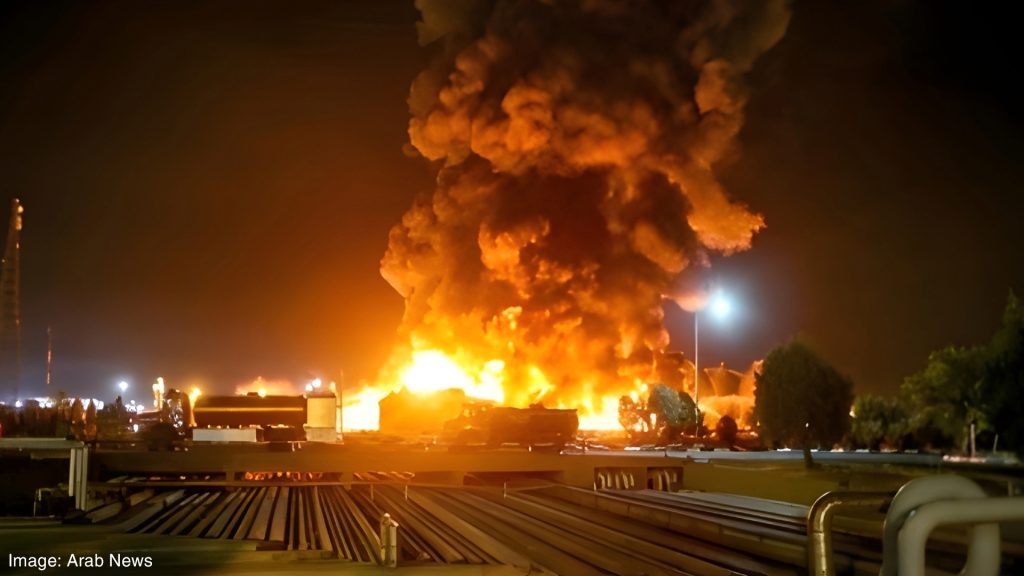
The Wall Street Journal confirmed this week that the UAE secretly carried out military strikes against Iran during the recent regional war, including a covert attack on the Lavan Island refinery in early April. The Financial Times reported the strike caused a major fire and knocked large sections of the facility offline for months. Iran acknowledged at the time that the refinery had been hit by an enemy attack and responded with waves of missiles and drones against Gulf targets. What it did not know publicly was who had fired. That question has now been answered.

The Most Bombed Country Nobody Talked About

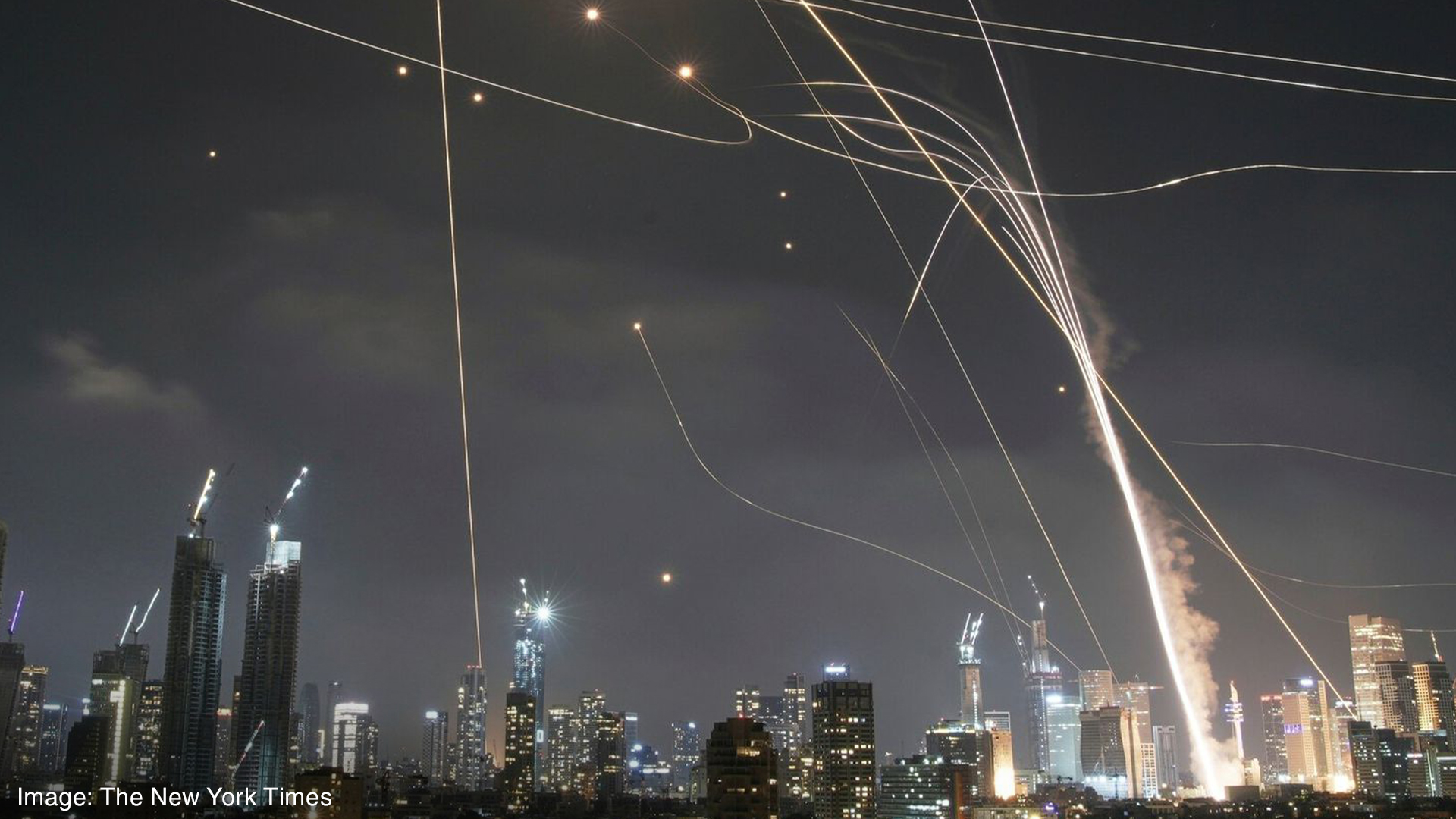
Iran did not target Isræl most heavily during the war. It targeted the UAE. According to the Emirati defense ministry, Iran fired approximately 550 ballistic and cruise missiles and more than 2,200 drones at the UAE during the conflict, making it the most targeted country in the region. More projectiles struck or were aimed at Dubai and Abu Dhabi than at Tel Aviv or Jerusalem. That context transforms everything that followed.

Half A Million People Erased Overnight

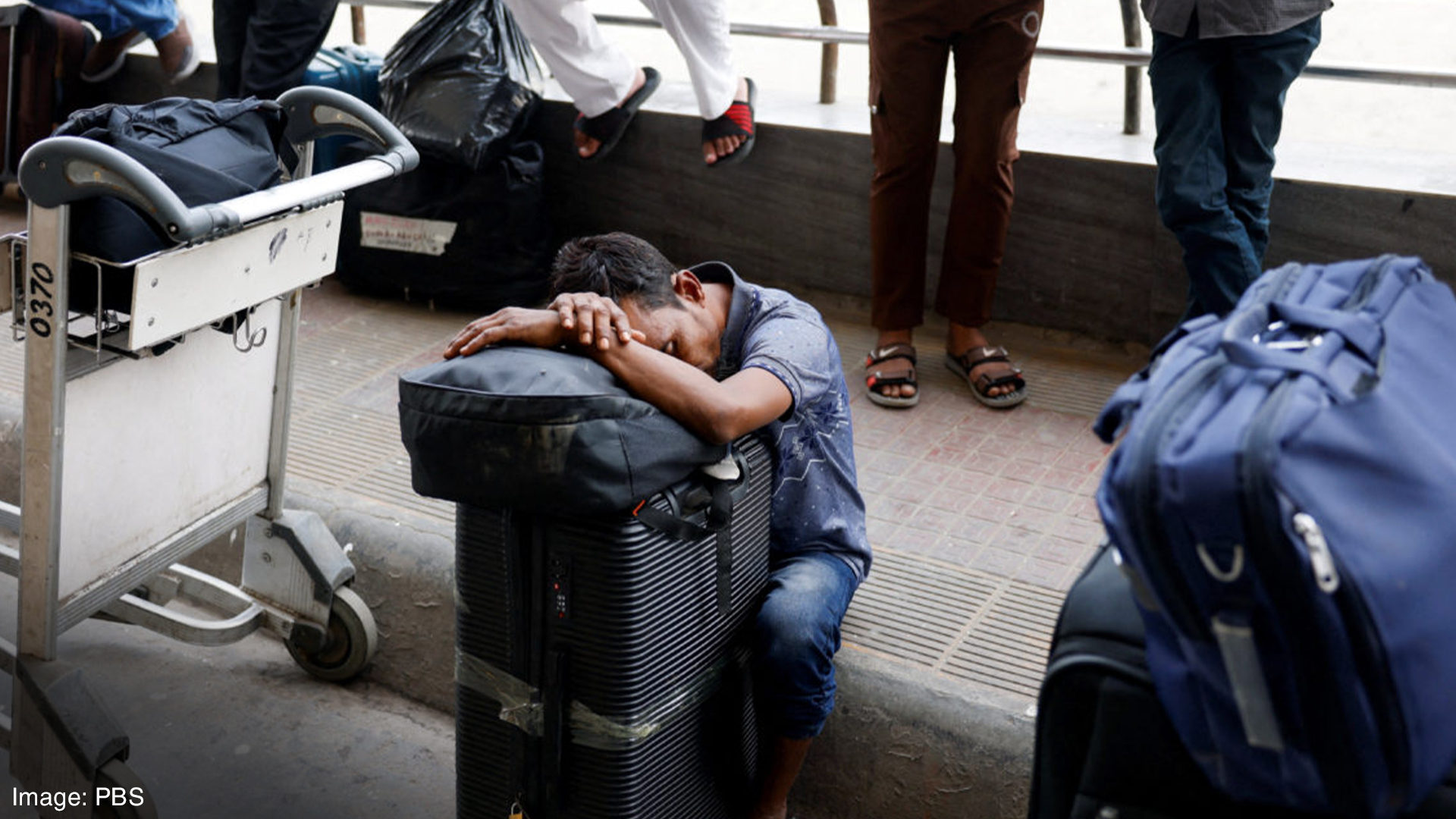
Before the Lavan story broke, another story was already unfolding quietly inside Dubai. Starting March 27, the UAE began cancelling the residency visas of Iranian nationals who were outside the country, with no public announcement and no official explanation. Employment visas went first, then family sponsorship visas, then ten-year Golden Visas held by property investors who had paid hundreds of thousands of dollars for the right to live in the UAE. People who had left on ordinary trips discovered their files were marked void when they tried to return. A London-based Iranian holding a UK work visa found his UAE residency revoked before he could board his flight to Dubai. A man who had left for India with his family found his residency cancelled while his non-Iranian relatives could still enter freely.
By April 1, Emirates and flydubai updated their systems overnight to state that Iranian nationals were no longer permitted to enter or transit the UAE. Iranian schools in Dubai were shut down. Student records were returned to parents. An Iranian hospital, an Iranian university branch, the Club of Iranians, and the Imam Hossein mosque were all suspended or closed. Staff whose visas were tied to those institutions had their residencies cancelled. Those stranded abroad are reportedly being routed home through Afghanistan. According to the Tehran Times, approximately 530 billion dollars in Iranian assets remain inside the UAE, belonging to people who are now effectively being expelled from the country. The UAE government issued no formal statement. It never does. The same silent method was used against Qatari nationals during the 2017 Gulf diplomatic crisis.

UAE presidential adviser Anwar Gargash described the response of fellow Gulf states during the war as “the weakest historically.” UAE Foreign Minister Abdullah bin Zayed called Iran “terrorist.” President Mohamed bin Zayed called Iran “an enemy.” The bridge that Dubai had spent decades building between the Iranian world and the West was closed in a matter of days.

Isræl Enters The Gulf

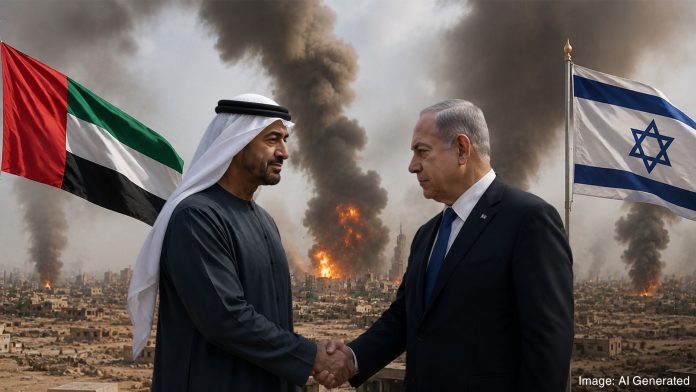
While Iranian families were losing their homes, Isræli forces were arriving. Axios confirmed that Netanyahu personally ordered the deployment of an Iron Dome battery with interceptors and several dozen IDF operators to the UAE following a direct call with President MBZ. The Financial Times added that Isræl also deployed the Iron Beam laser defense system and a drone-detection platform called Spectro, in some cases sending systems still in prototype stage. “We took it off the bench and gave it to the Emiratis,” one person familiar with the matter told the Financial Times. It was the first time in history that operational Isræli air defense systems and IDF personnel were stationed on Arab soil during an active conflict. What began in 2020 as a diplomatic handshake under the Abraham Accords had become, by 2026, a wartime military alliance. “Isræl did not even envision this closeness when we signed the Abraham Accords,” an Isræli diplomatic source told CNN. UAE adviser Gargash made the strategic direction explicit: “Isræli influence will become more prominent in the Gulf, not less.”

The OPEC Break And The Saudi Split

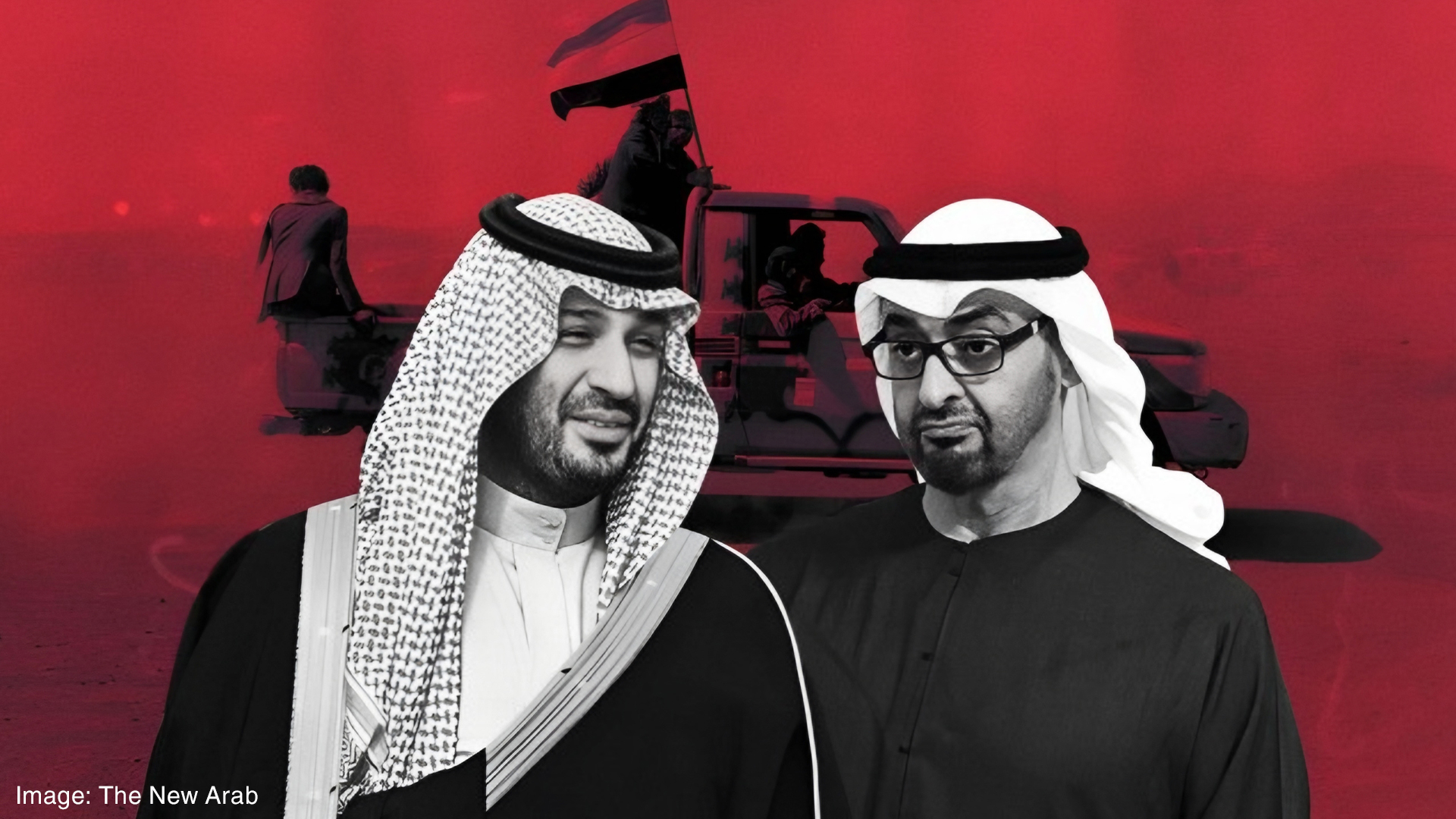
The UAE’s departure from OPEC and OPEC+, effective May 1, completed the picture. The UAE Energy Minister confirmed the decision was made without consulting any other member state, including Saudi Arabia. Analysts at Rystad Energy described the departure as removing one of OPEC’s core pillars. The UAE holds the second-largest spare production capacity in the cartel behind Saudi Arabia, and its exit structurally weakens Riyadh’s ability to manage global oil markets. The break reflects years of mounting tension between Abu Dhabi and Riyadh over Yemen, regional leadership, and energy policy, tensions that the Iran war appears to have pushed past the point of repair. “Saudi Arabia is now left doing more of the heavy lifting on price stability, and the market loses one of the few shock absorbers it had left,” one analyst told CNBC. Qatar left OPEC years ago. The UAE has now followed. What remains is increasingly a Saudi instrument, not an Arab one.
The Bigger Shift

What the Lavan strike, the Iranian expulsions, the Isræli troop deployment, and the OPEC exit have in common is a single decision: the UAE chose a side. Not reluctantly, and not quietly. It struck Iran’s energy infrastructure, welcomed Isræli troops onto its soil, erased the Iranian community it had spent decades building, walked out of the Arab world’s most powerful economic institution, and told its Gulf neighbors they had disappointed it. “The Emirates hadn’t realized how much it had outgrown the region,” one analyst at Harvard’s Belfer Center told CNN. The old Gulf balancing act, maintaining ties with Iran, the West, the Arab world, and Isræl simultaneously, is over for the UAE. Whether the rest of the Gulf follows is the question that will define the next decade.

Sources: Wall Street Journal, CNN, Financial Times, Al Jazeera, Axios, Washington Post, Times of Israel, Iran International, CNBC, JINSA

Hashtags: #Verum #UAE #Iran #Isræl #MiddleEast #OPEC #SaudiArabia #Geopolitics #AbrahamAccords #GulfWar

The Hidden War The UAE Did Not Want You To Know About

The Wall Street Journal confirmed this week that the UAE secretly carried out military strikes against Iran during the recent regional war, including a covert attack on the Lavan Island refinery in early April. The Financial Times reported the strike caused a major fire and knocked large sections of the facility offline for months. Iran acknowledged at the time that the refinery had been hit by an enemy attack and responded with waves of missiles and drones against Gulf targets. What it did not know publicly was who had fired. That question has now been answered.

The Most Bombed Country Nobody Talked About

Iran did not target Isræl most heavily during the war. It targeted the UAE. According to the Emirati defense ministry, Iran fired approximately 550 ballistic and cruise missiles and more than 2,200 drones at the UAE during the conflict, making it the most targeted country in the region. More projectiles struck or were aimed at Dubai and Abu Dhabi than at Tel Aviv or Jerusalem. That context transforms everything that followed.

Half A Million People Erased Overnight

Before the Lavan story broke, another story was already unfolding quietly inside Dubai. Starting March 27, the UAE began cancelling the residency visas of Iranian nationals who were outside the country, with no public announcement and no official explanation. Employment visas went first, then family sponsorship visas, then ten-year Golden Visas held by property investors who had paid hundreds of thousands of dollars for the right to live in the UAE. People who had left on ordinary trips discovered their files were marked void when they tried to return. A London-based Iranian holding a UK work visa found his UAE residency revoked before he could board his flight to Dubai. A man who had left for India with his family found his residency cancelled while his non-Iranian relatives could still enter freely.

By April 1, Emirates and flydubai updated their systems overnight to state that Iranian nationals were no longer permitted to enter or transit the UAE. Iranian schools in Dubai were shut down. Student records were returned to parents. An Iranian hospital, an Iranian university branch, the Club of Iranians, and the Imam Hossein mosque were all suspended or closed. Staff whose visas were tied to those institutions had their residencies cancelled. Those stranded abroad are reportedly being routed home through Afghanistan. According to the Tehran Times, approximately 530 billion dollars in Iranian assets remain inside the UAE, belonging to people who are now effectively being expelled from the country. The UAE government issued no formal statement. It never does. The same silent method was used against Qatari nationals during the 2017 Gulf diplomatic crisis.

UAE presidential adviser Anwar Gargash described the response of fellow Gulf states during the war as “the weakest historically.” UAE Foreign Minister Abdullah bin Zayed called Iran “terrorist.” President Mohamed bin Zayed called Iran “an enemy.” The bridge that Dubai had spent decades building between the Iranian world and the West was closed in a matter of days.

Isræl Enters The Gulf

While Iranian families were losing their homes, Isræli forces were arriving. Axios confirmed that Netanyahu personally ordered the deployment of an Iron Dome battery with interceptors and several dozen IDF operators to the UAE following a direct call with President MBZ. The Financial Times added that Isræl also deployed the Iron Beam laser defense system and a drone-detection platform called Spectro, in some cases sending systems still in prototype stage. “We took it off the bench and gave it to the Emiratis,” one person familiar with the matter told the Financial Times. It was the first time in history that operational Isræli air defense systems and IDF personnel were stationed on Arab soil during an active conflict. What began in 2020 as a diplomatic handshake under the Abraham Accords had become, by 2026, a wartime military alliance. “Isræl did not even envision this closeness when we signed the Abraham Accords,” an Isræli diplomatic source told CNN. UAE adviser Gargash made the strategic direction explicit: “Isræli influence will become more prominent in the Gulf, not less.”

The OPEC Break And The Saudi Split

The UAE’s departure from OPEC and OPEC+, effective May 1, completed the picture. The UAE Energy Minister confirmed the decision was made without consulting any other member state, including Saudi Arabia. Analysts at Rystad Energy described the departure as removing one of OPEC’s core pillars. The UAE holds the second-largest spare production capacity in the cartel behind Saudi Arabia, and its exit structurally weakens Riyadh’s ability to manage global oil markets. The break reflects years of mounting tension between Abu Dhabi and Riyadh over Yemen, regional leadership, and energy policy, tensions that the Iran war appears to have pushed past the point of repair. “Saudi Arabia is now left doing more of the heavy lifting on price stability, and the market loses one of the few shock absorbers it had left,” one analyst told CNBC. Qatar left OPEC years ago. The UAE has now followed. What remains is increasingly a Saudi instrument, not an Arab one.
The Bigger Shift

What the Lavan strike, the Iranian expulsions, the Isræli troop deployment, and the OPEC exit have in common is a single decision: the UAE chose a side. Not reluctantly, and not quietly. It struck Iran’s energy infrastructure, welcomed Isræli troops onto its soil, erased the Iranian community it had spent decades building, walked out of the Arab world’s most powerful economic institution, and told its Gulf neighbors they had disappointed it. “The Emirates hadn’t realized how much it had outgrown the region,” one analyst at Harvard’s Belfer Center told CNN. The old Gulf balancing act, maintaining ties with Iran, the West, the Arab world, and Isræl simultaneously, is over for the UAE. Whether the rest of the Gulf follows is the question that will define the next decade.

Sources: Wall Street Journal, CNN, Financial Times, Al Jazeera, Axios, Washington Post, Times of Israel, Iran International, CNBC, JINSA

Hashtags: #Verum #UAE #Iran #Isræl #MiddleEast #OPEC #SaudiArabia #Geopolitics #AbrahamAccords #GulfWar
spot_img

Explore more

spot_img
Global Affairs

British Muslims Say They No Longer Feel Safe. The Attacks Are...

Britain Is Getting Its Seventh Prime Minister In A Decade.

Pakistan Helped Build A Peace Roadmap in Switzerland. Isr*el And Its...

The Lebanon Ceasefire Was Supposed To Stop The Strikes. It Barely...

The Plan To End Al-Aqsa Has Already Started.

Congress Just Made Isr*el Harder To Hold Accountable

The War On Pakistan’s Trade Routes

Isr*el Wasn’t At The Table. But Its War In Lebanon Just...