How Gaza, Reform UK, And Taxes Broke Labour’s Coalition
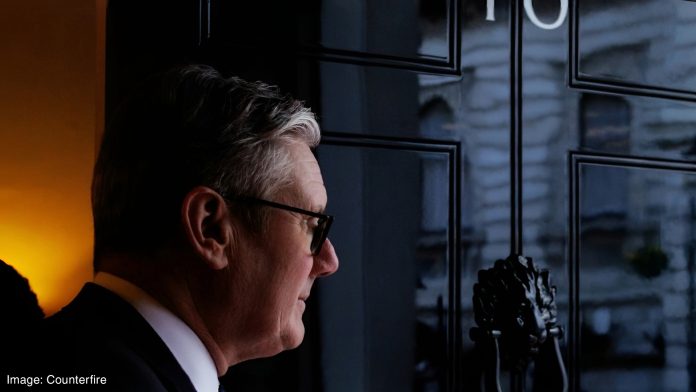
Keir Starmer is facing the biggest political crisis of his premiership after Labour suffered devastating local election losses across Britain. The party lost more than 1,100 council seats while Nigel Farage’s Reform UK gained nearly 1,450 seats and took control of 14 councils, including Sunderland, Essex, Havering, Suffolk, and Newcastle-under-Lyme. Havering marked Reform’s first London council, a development that would have been unthinkable even twelve months ago. The scale of the losses has triggered open revolt inside Labour, with several MPs pushing for a departure timetable and potential successors already being discussed by name.
The Cabinet Knew Before The Votes Were Counted
The most explosive detail to emerge from the wreckage is not the results themselves. It is what happened before them. Energy Secretary Ed Miliband reportedly urged Starmer to begin planning his resignation weeks before election night, according to The Times, in order to avoid a painful period of public infighting once the scale of the losses became clear. A sitting cabinet minister telling a sitting prime minister to plan his exit before a single vote has been counted is not a political warning. It is a political verdict. Starmer refused. He gave a make-or-break speech on Monday refusing to resign, saying the Labour government would never be forgiven for inflicting the chaos of constantly changing leaders on the country. His own MPs were not convinced. Labour MP Catherine West immediately began collecting signatures calling for Starmer to set a departure timetable for September. MP Paulette Hamilton said the party may as well hand in the keys to Downing Street if it does not change leader soon. Potential successors already being discussed include Health Secretary Wes Streeting, former Deputy PM Angela Rayner, and Greater Manchester Mayor Andy Burnham. A leadership contest requires the endorsement of 81 Labour MPs.
Reform UK Is No Longer A Protest Party
The biggest shock of the elections is not that Labour lost. It is who is winning instead. Reform UK now controls 14 councils. It took Essex, which the Conservatives had held for 25 years. It won Havering in London. It swept through Sunderland, Suffolk, and Newcastle-under-Lyme, Labour strongholds since the end of the First World War. One YouGov poll placed Reform at 25% nationally compared to Labour’s 18%, an extraordinary result for a governing party less than two years into office. Farage has aggressively capitalised on the moment, publicly declaring that Starmer will be “gone by summer” while celebrating in Havering. He described the results as a “truly historic shift in British politics” and said Reform could now win in areas Labour had dominated since before living memory.
The Gaza Collapse
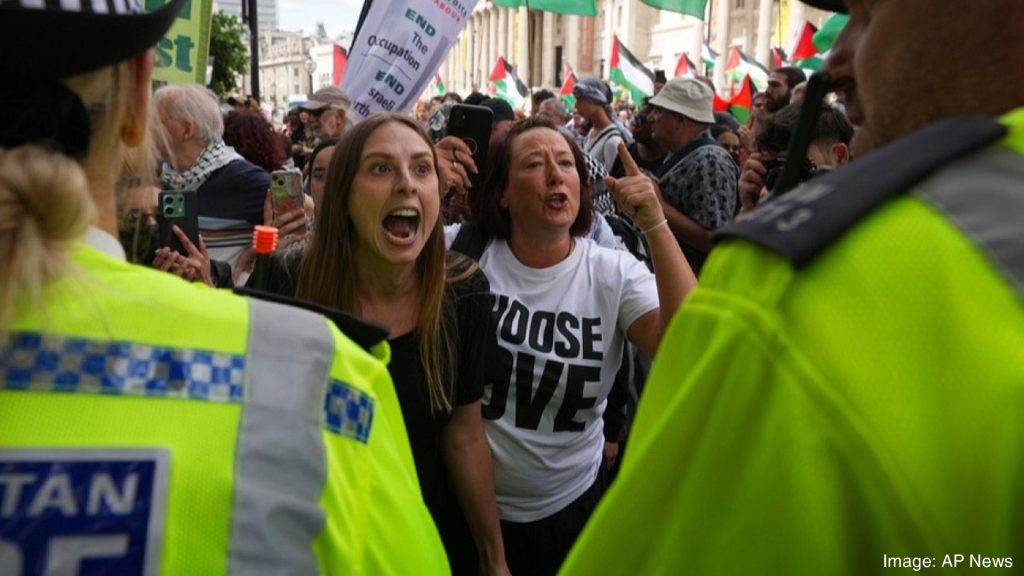
A crucial and underreported driver of Labour’s losses is the collapse of its Muslim and progressive voter base over Gaza. Starmer’s government listed Palestine Action as a terrorist organisation, arrested thousands of protesters for voicing support for it, and moved to ban anti-Isræl demonstrations. Left-wing and Muslim voters abandoned Labour in droves as a result, shifting to the Greens or independent candidates. The Greens gained more than 300 seats nationally. In Wales, Plaid Cymru swept Labour’s traditional heartland. The progressive vote that handed Starmer his 2024 landslide has fragmented into pieces Labour does not know how to reassemble.
Taxes, The Economy, And The Pensioner Betrayal
The government is also facing fury over taxes and living costs. Between July 2024 and November 2025, Starmer’s government imposed a new tax or increased an existing one every ten days, according to the Taxpayers’ Alliance, giving Britain the fastest rising tax rates in the developed world per the OECD. The most emotionally devastating policy was the stripping of the winter fuel allowance from millions of pensioners during a cost of living crisis, a decision so toxic that Starmer was eventually forced into a humiliating U-turn under backbench pressure. His net approval rating now sits at minus 48 on YouGov’s polling scale, making him the least popular prime minister in recent British history.
The Mandelson Scandal
No single controversy damaged Starmer’s reputation as thoroughly as the Mandelson affair. Peter Mandelson served as Starmer’s US ambassador until September 2025, when he was dismissed after emails emerged in which he called Jeffrey Epstein his “best pal” and urged his early release from prison in 2008. Starmer was reportedly aware of Mandelson’s ties to Epstein when he made the appointment. Mandelson was arrested in February 2026 and is currently being investigated for lobbying on Epstein’s behalf and leaking classified information to the convicted sex offender. Starmer’s chief of staff Morgan McSweeney resigned over the appointment. The scandal cemented a wider public narrative around establishment distrust and elite political networks that Reform UK has exploited relentlessly.
Britain’s Political System Is Fragmenting
The deeper story extends far beyond Starmer. Wales has shifted to Plaid Cymru. Scotland remains dominated by the SNP. Reform UK is reshaping England from the populist right. The Greens are absorbing the progressive left. The Liberal Democrats are gaining in suburban Tory seats. Britain’s traditional Labour versus Conservative political order is breaking apart simultaneously from every direction. A leadership contest requires the endorsement of 81 Labour MPs. The numbers to trigger one are being collected. Whether Starmer survives the summer is no longer the central question. The central question is what Britain’s political map looks like when he is gone.
Sources: BBC, NPR, Al Jazeera, YouGov, Reuters, The Guardian, The Times, Financial Times, ITV News, CNN, Time
Hashtags: #Verum #UKPolitics #KeirStarmer #ReformUK #NigelFarage #LabourParty #Britain #Gaza #Politics #LabourCrisis