
A $480 billion industry. 41% of it may be fraud. And one in three brands has already paid a human that never existed.
That is not a culture war talking point. Those are the numbers behind the internet’s fastest growing backlash, and they are far worse than most people realise.
The Scale of the Fraud
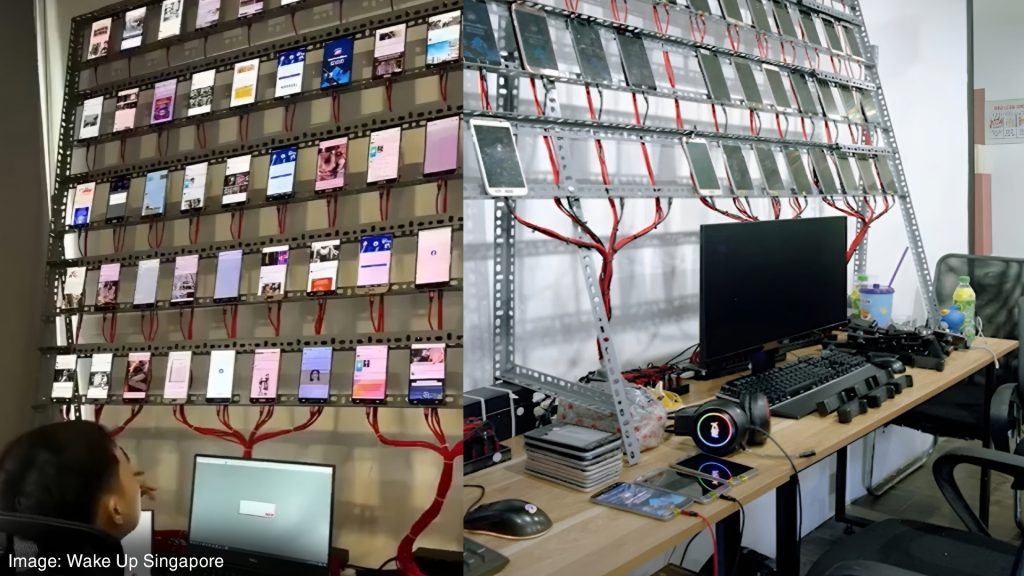
A global audit by HypeAuditor spanning 8.7 million influencer profiles across 12 platforms found fraudulent activity had climbed to 41.3%, with AI-generated bot networks accounting for 58% of all detected fraud cases. The total cost to the global influencer marketing ecosystem: an estimated $4.1 billion in wasted ad spend.
A separate audit of 100,000 creator accounts found 37.2% of followers showed signs of being fake, purchased or artificially generated. The World Federation of Advertisers surveyed 1,400 senior marketing professionals across 28 countries and found 81% had encountered influencer fraud within the past 12 months, with the average affected campaign reporting a 37% discrepancy between projected and actual authentic reach, translating to a median budget waste of $128,000 per mid-scale campaign.
Goldman Sachs projects the creator economy will approach $480 billion by 2027. Critics increasingly describe it as the world’s largest unregulated trust economy, where perception functions as currency and fraud is the baseline condition.
The Rise of AI Influencers
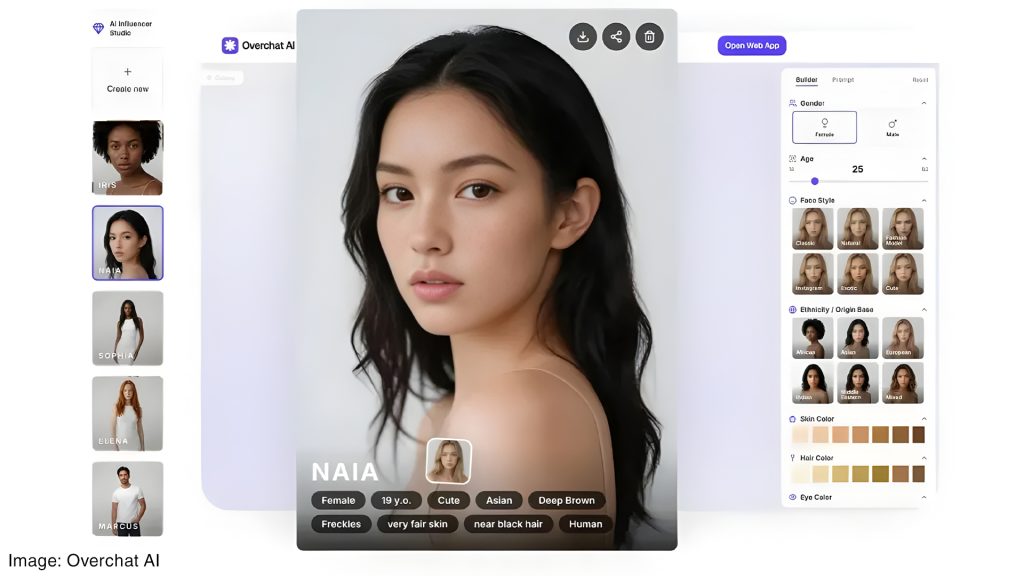
The story becomes darker with the rise of fully synthetic influencers.
The Verge documented AI-generated influencers appearing at Coachella through hyper-realistic fake photographs and carefully curated online personalities. Some disclosed they were artificial. Many did not. The New York Times found 304 AI-generated accounts pushing pro-Trump political content across social media. None of the accounts reviewed self-identified as AI-generated.
Critics warn the deeper concern is psychological. AI influencers deploy specific techniques to manufacture emotional dependency. Simulated Vulnerability involves scripted moments of struggle designed to mimic human hardship and lower audience defences. Algorithmic Mirroring uses personal user data to reflect a viewer’s exact values, fears and hopes back at them in real time. The fatal paradox, as one analyst put it, is that the more authentic an AI influencer appears, the more deceptive it actually is.
People are increasingly forming attachments to personalities that never actually existed.
The Manipulation Nobody Is Talking About
Beyond fake followers and AI personas, a darker practice has quietly taken hold.
Brands are now secretly paying influencers to undermine competitors while posing as independent voices giving honest opinions. Analysts call this “negative influencing.” It operates on the same illusion of authenticity as traditional endorsements but has remained almost entirely unexamined by mainstream media. Regulators are only now beginning to treat it as a legal liability.
The FTC raised its maximum civil penalty for endorsement violations to $53,088 per violation and returned $337.3 million to consumers through enforcement actions in 2024 alone. Fake social media indicators, including purchased followers and fabricated engagement, are now explicitly banned under FTC rules.
Economic Anger Is Driving the Backlash
The anti-influencer movement is also deeply tied to financial frustration.
At a time when millions struggle with rent, food costs and financial instability, displays of extreme luxury online no longer feel aspirational. They feel insulting. Viral backlash erupted under influencer posts showing $1,000 dinners, luxury shopping hauls and sponsored getaways. One comment under a lifestyle post captured the mood of an entire generation:
“Girl I can barely afford rent.”
Users increasingly believe that even vulnerability and emotional openness online are carefully managed branding strategies. Authenticity itself has been monetised.
Even Influencers Are Turning on the Platforms
The revolt is no longer just audiences versus influencers. Influencers themselves are attacking the platforms that built them.
Instagram head Adam Mosseri faced widespread backlash from creators after discussing AI-driven platform changes. One creator with nearly a million followers said Instagram had “taken the social out of social media.” Another said: “You engineered an algorithm nobody asked for. We followed people because we wanted to see them, then you hid them.”
Established creators report that years of audience-building can disappear overnight because of algorithm shifts. Platforms, they argue, were never built for human connection. They were built for attention extraction.
The Real Fear
People can tolerate advertising.
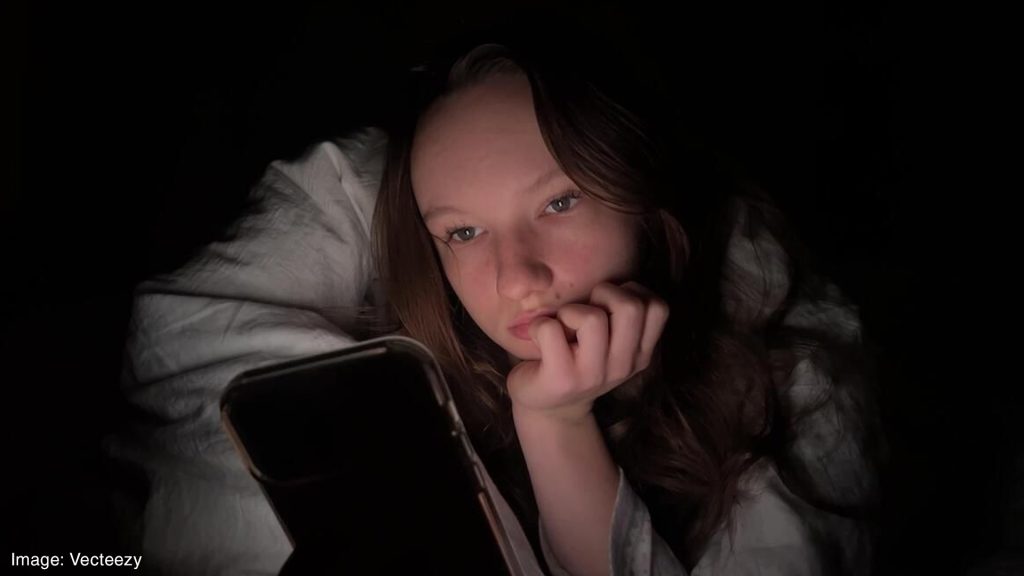
What they increasingly cannot tolerate is feeling manipulated all the time.
SOURCES
HypeAuditor, The Verge, The New York Times, Federal Trade Commission, Goldman Sachs, World Federation of Advertisers, SociaVault, Kantar and IZEA joint study