The Iran War Could Restart Any Day

Somewhere in an airline operations room this week, a manager looked at a flight map and started cancelling routes.

That is what a geopolitical crisis looks like from the inside. Not missiles. A spreadsheet. Thousands of airline workers across Asia and Europe are now facing reduced hours and grounded flights as carriers absorb nearly $15 billion in losses tied to the Iran crisis. They had no part in the standoff. They are paying for it anyway.

The fear is no longer theoretical.

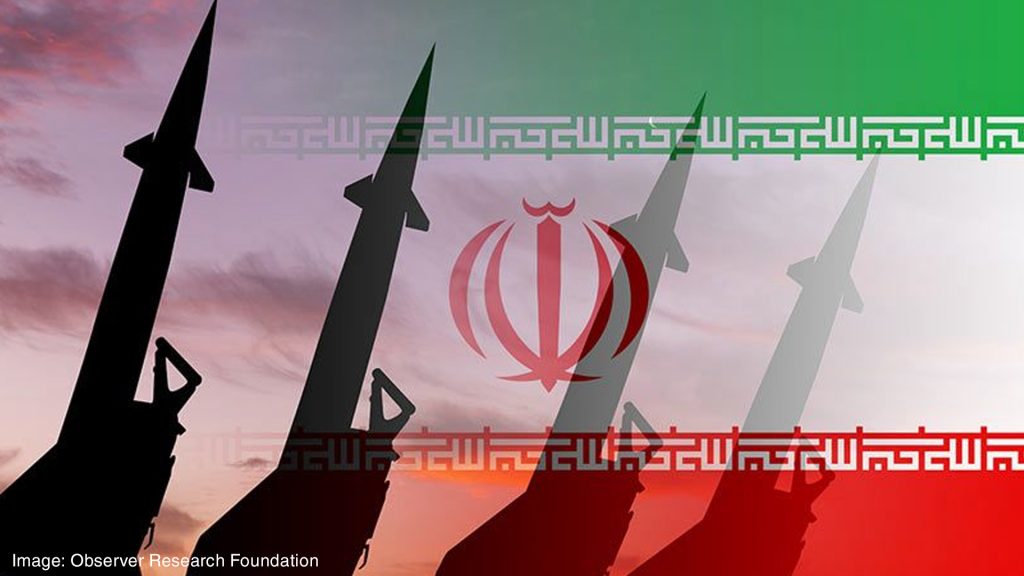
The ceasefire between Iran and the United States was supposed to calm one of the most dangerous moments the Middle East has faced in years. Days later, the region already looks like it is sliding back toward escalation. The missiles slowed down. The panic did not.
Trump’s Threats Immediately Raised Fears Again

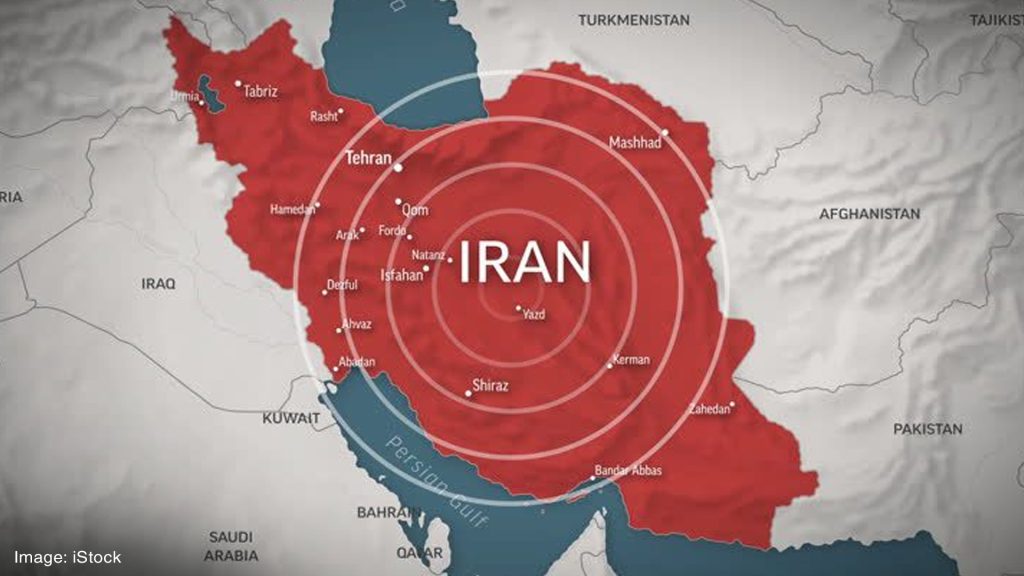
The latest alarm erupted after Donald Trump reportedly warned Iran that the US could target bridges, energy infrastructure and strategic sites if the Strait of Hormuz is not reopened and talks continue to stall.

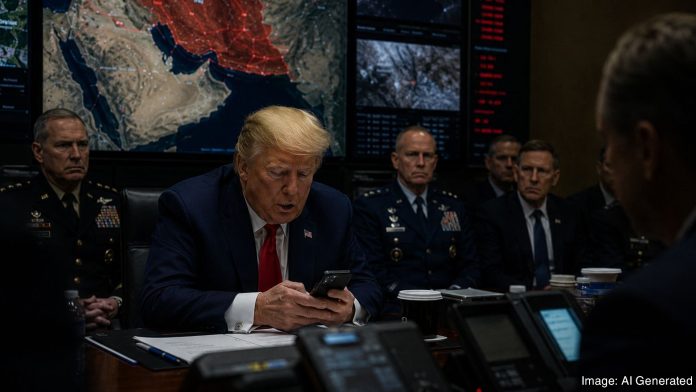
Emergency Situation Room discussions resumed inside the White House as Iran-US nuclear negotiations began showing signs of collapse almost immediately after restarting.

Iran has refused to separate its nuclear negotiations from the wider Hormuz crisis, turning what was meant to be a diplomatic reset into another pressure point between Washington and Tehran. That distinction matters. It means the ceasefire is no longer just about stopping strikes. It is now tied to sanctions, oil routes, naval pressure and economic leverage.

Pakistan Is Quietly Holding The Whole Process Together

One country sits at the centre of this crisis that most coverage ignores. Pakistan.

Every major proposal between Iran and the United States is being passed through Islamabad. Pakistani mediators have shuttled draft after draft between the two sides. It is one of the most consequential diplomatic roles any country has played in the region in years, carried by a nation often dismissed as too unstable to matter.

Pakistan also has a direct stake. The Hormuz blockade is pushing oil prices up worldwide, and few economies feel that faster than Pakistan’s. The country brokering the peace is also one of the countries most desperate for it to hold.

Why The Trump-Xi Talks Failed To Calm Markets

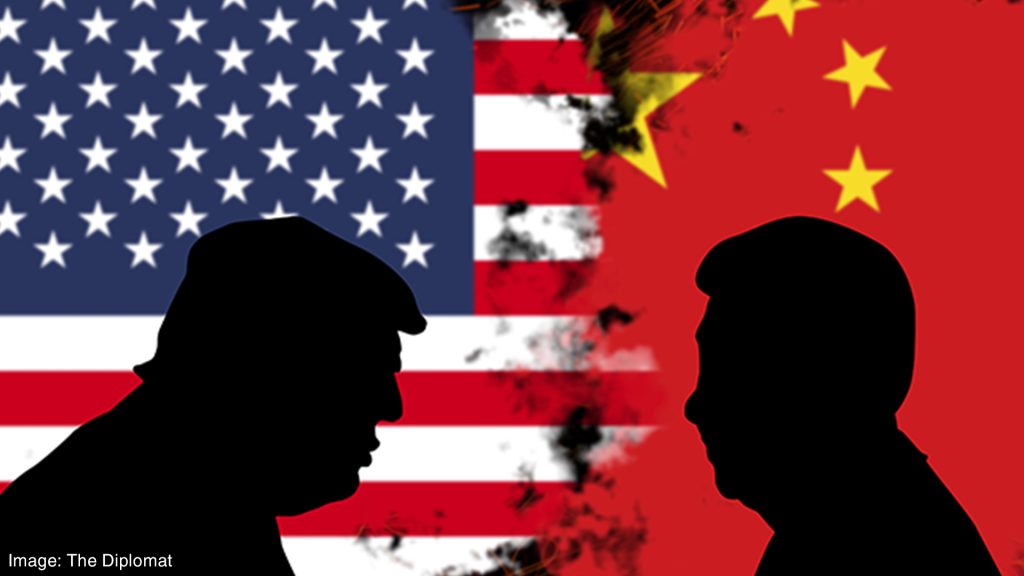
Global markets had hoped Trump’s recent talks with Chinese President Xi Jinping would help stabilize the situation. The meeting appears to have done the opposite.
Trump publicly suggested China should help pressure Iran into reopening Hormuz, but no major breakthrough emerged. Beijing gave no clear sign it was prepared to intervene directly. That uncertainty rattled investors almost immediately and reinforced fears that even the world’s largest powers may not have a clear path to containing the crisis.

Oil Prices Are Rising Again Over Hormuz Fears

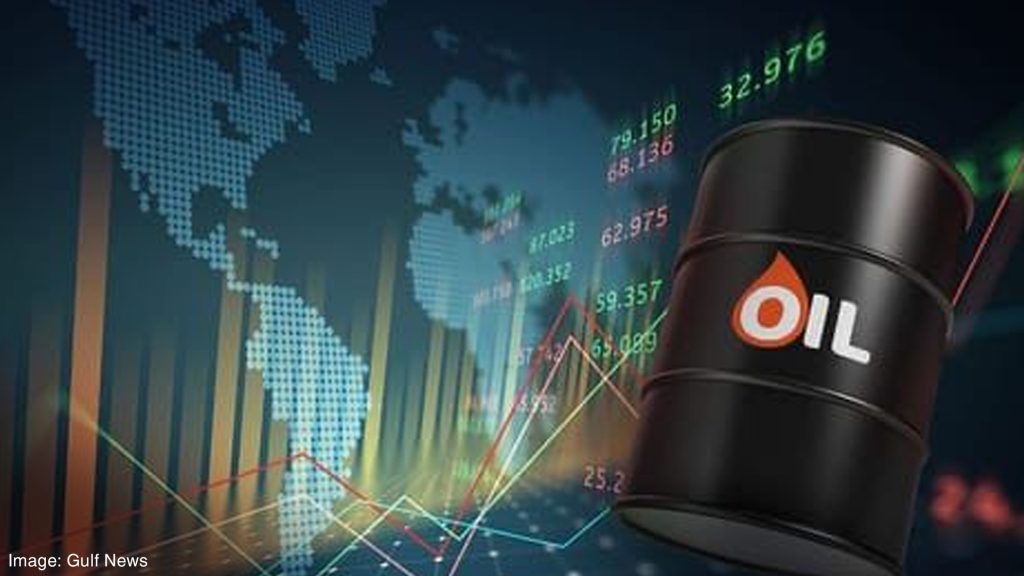
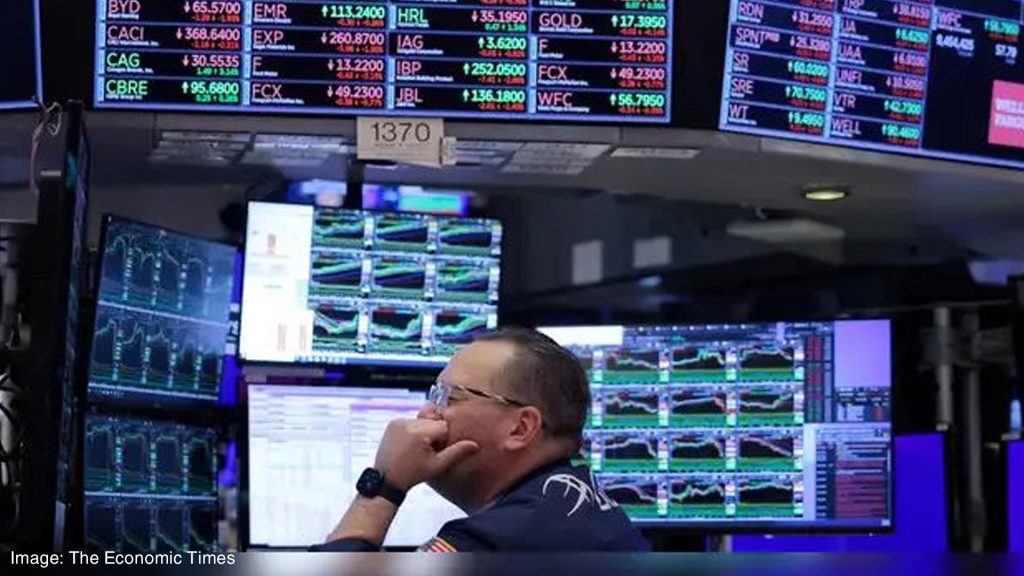
The market reaction was immediate. Brent crude climbed back above $84 a barrel this week as traders responded to renewed fears around the Strait of Hormuz. Asian markets fell again as investors shifted back into crisis mode.

This moment feels different from past Hormuz scares. Traders are no longer reacting to hypothetical risk. They are reacting to active diplomatic breakdowns happening day by day.

Why Gulf Markets Panicked Over Barakah

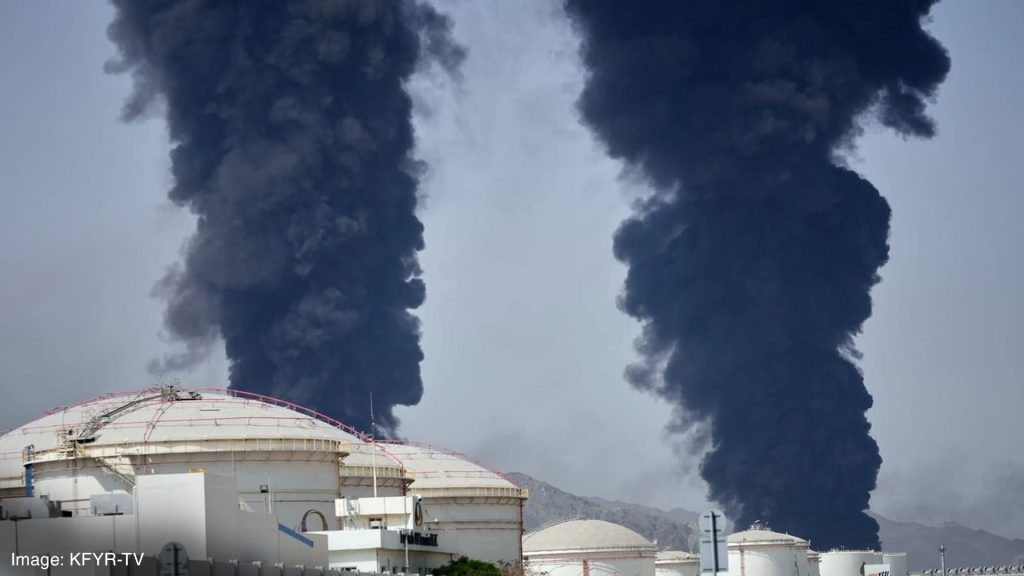
Then came the most alarming detail of the week. Reports of a drone strike and fire near the UAE’s Barakah nuclear facility.

Authorities said radiation levels remained normal and operations were unaffected. The markets did not care about the reassurance. A nuclear-linked site becoming entangled in an already unstable crisis was enough to send a fresh wave of panic through Gulf energy markets. The symbolism alone did the damage.

The Economic Damage Is Already Spreading

The financial fallout is now impossible to ignore. Global companies have disclosed more than $25 billion in losses linked to the crisis, with nearly $15 billion of that tied to airlines facing higher fuel costs and rerouted flights.

That damage does not stay inside corporate balance sheets. It moves. Higher shipping and fuel costs feed into the price of food, goods and transport for ordinary families far from the Gulf. Investors increasingly fear a prolonged Hormuz crisis could push inflation back across global markets.
The Region No Longer Trusts The Ceasefire

Officially, the ceasefire still exists. Across the region, confidence in it appears to be collapsing.

Oil is climbing again. Markets are reacting again. Diplomacy is struggling again. After a week of failed talks, infrastructure threats, market panic and a drone near a nuclear plant, the Middle East increasingly looks like it is preparing for another round of conflict rather than moving away from one.

By Shizza Farooqui

Sources: Reuters, Al Jazeera, Axios, Washington Post, House of Commons Library, IRNA

Somewhere in an airline operations room this week, a manager looked at a flight map and started cancelling routes.

That is what a geopolitical crisis looks like from the inside. Not missiles. A spreadsheet. Thousands of airline workers across Asia and Europe are now facing reduced hours and grounded flights as carriers absorb nearly $15 billion in losses tied to the Iran crisis. They had no part in the standoff. They are paying for it anyway.

The fear is no longer theoretical.

The ceasefire between Iran and the United States was supposed to calm one of the most dangerous moments the Middle East has faced in years. Days later, the region already looks like it is sliding back toward escalation. The missiles slowed down. The panic did not.

Trump’s Threats Immediately Raised Fears Again

The latest alarm erupted after Donald Trump reportedly warned Iran that the US could target bridges, energy infrastructure and strategic sites if the Strait of Hormuz is not reopened and talks continue to stall.

Emergency Situation Room discussions resumed inside the White House as Iran-US nuclear negotiations began showing signs of collapse almost immediately after restarting.

Iran has refused to separate its nuclear negotiations from the wider Hormuz crisis, turning what was meant to be a diplomatic reset into another pressure point between Washington and Tehran. That distinction matters. It means the ceasefire is no longer just about stopping strikes. It is now tied to sanctions, oil routes, naval pressure and economic leverage.

Pakistan Is Quietly Holding The Whole Process Together

One country sits at the centre of this crisis that most coverage ignores. Pakistan.

Every major proposal between Iran and the United States is being passed through Islamabad. Pakistani mediators have shuttled draft after draft between the two sides. It is one of the most consequential diplomatic roles any country has played in the region in years, carried by a nation often dismissed as too unstable to matter.

Pakistan also has a direct stake. The Hormuz blockade is pushing oil prices up worldwide, and few economies feel that faster than Pakistan’s. The country brokering the peace is also one of the countries most desperate for it to hold.

Why The Trump-Xi Talks Failed To Calm Markets

Global markets had hoped Trump’s recent talks with Chinese President Xi Jinping would help stabilize the situation. The meeting appears to have done the opposite.

Trump publicly suggested China should help pressure Iran into reopening Hormuz, but no major breakthrough emerged. Beijing gave no clear sign it was prepared to intervene directly. That uncertainty rattled investors almost immediately and reinforced fears that even the world’s largest powers may not have a clear path to containing the crisis.

Oil Prices Are Rising Again Over Hormuz Fears

The market reaction was immediate. Brent crude climbed back above $84 a barrel this week as traders responded to renewed fears around the Strait of Hormuz. Asian markets fell again as investors shifted back into crisis mode.

This moment feels different from past Hormuz scares. Traders are no longer reacting to hypothetical risk. They are reacting to active diplomatic breakdowns happening day by day.

Why Gulf Markets Panicked Over Barakah

Then came the most alarming detail of the week. Reports of a drone strike and fire near the UAE’s Barakah nuclear facility.

Authorities said radiation levels remained normal and operations were unaffected. The markets did not care about the reassurance. A nuclear-linked site becoming entangled in an already unstable crisis was enough to send a fresh wave of panic through Gulf energy markets. The symbolism alone did the damage.

The Economic Damage Is Already Spreading

The financial fallout is now impossible to ignore. Global companies have disclosed more than $25 billion in losses linked to the crisis, with nearly $15 billion of that tied to airlines facing higher fuel costs and rerouted flights.

That damage does not stay inside corporate balance sheets. It moves. Higher shipping and fuel costs feed into the price of food, goods and transport for ordinary families far from the Gulf. Investors increasingly fear a prolonged Hormuz crisis could push inflation back across global markets.
The Region No Longer Trusts The Ceasefire

Officially, the ceasefire still exists. Across the region, confidence in it appears to be collapsing.

Oil is climbing again. Markets are reacting again. Diplomacy is struggling again. After a week of failed talks, infrastructure threats, market panic and a drone near a nuclear plant, the Middle East increasingly looks like it is preparing for another round of conflict rather than moving away from one.

By Shizza Farooqui

Sources: Reuters, Al Jazeera, Axios, Washington Post, House of Commons Library, IRNA

spot_img

Explore more

spot_img
Global Affairs

British Muslims Say They No Longer Feel Safe. The Attacks Are...

Britain Is Getting Its Seventh Prime Minister In A Decade.

Pakistan Helped Build A Peace Roadmap in Switzerland. Isr*el And Its...

The Lebanon Ceasefire Was Supposed To Stop The Strikes. It Barely...

The Plan To End Al-Aqsa Has Already Started.

Congress Just Made Isr*el Harder To Hold Accountable

The War On Pakistan’s Trade Routes

Isr*el Wasn’t At The Table. But Its War In Lebanon Just...