
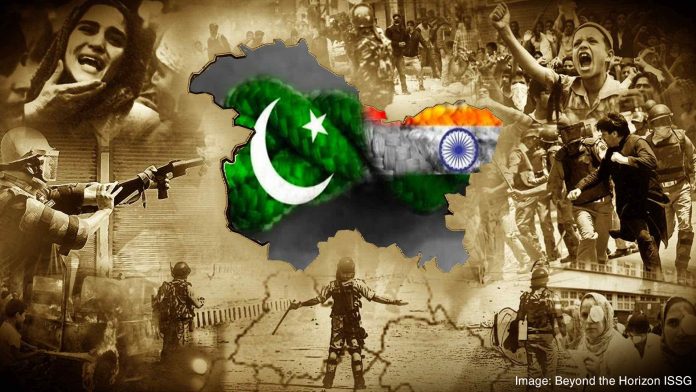
India Says Pakistan Will Be “Starved” Of Water

The Treaty That Kept Two Nuclear Powers From War

For more than 60 years, the Indus Waters Treaty survived wars, border clashes, military escalation and diplomatic breakdowns between India and Pakistan.

Signed in 1960 and brokered by the World Bank, the treaty divided six major rivers between the two nuclear powers and created one of the world’s most important water-sharing systems.

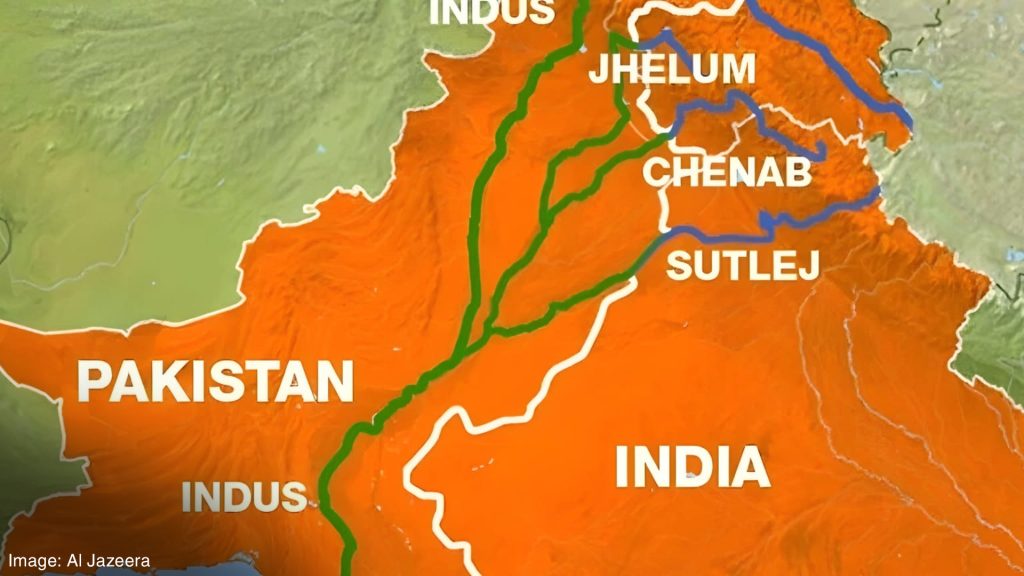
Under the agreement, India received control over the eastern rivers Ravi, Beas and Sutlej, while Pakistan retained primary access to the western rivers Indus, Jhelum and Chenab.

Those rivers are not just waterways.

They are the backbone of Pakistan’s survival infrastructure.

The Indus Basin Irrigation System supports roughly 80% of Pakistan’s agriculture, sustains millions of livelihoods, powers hydropower generation and directly affects food security across the country.

The basin itself supports more than 300 million people across both India and Pakistan.

For decades, the treaty acted as one of the last functioning stabilizers between two rivals armed with nuclear weapons.

That stability is now under pressure.
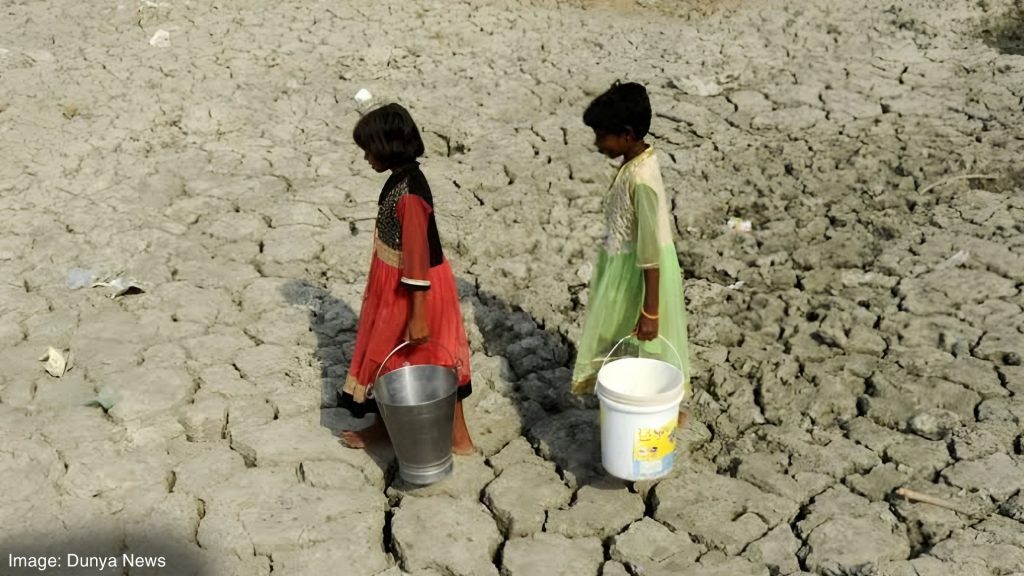
Why India Cut Pakistan’s Water Supply

The turning point came after the April 2025 militant attack in Pahalgam’s Baisaran Valley, where 26 civilians were killed.

India blamed Pakistan-backed militancy and suspended implementation of the Indus Waters Treaty on April 23, 2025. Pakistan denied involvement and called for a neutral investigation.

The suspension immediately disrupted hydrological cooperation between the two countries.

Flood forecasting coordination stopped. Data-sharing mechanisms froze. Meetings of the Permanent Indus Commission were cancelled.
Even after a military ceasefire was reached on May 10, 2025, the water treaty was never restored.

That distinction has become one of the most dangerous aspects of the crisis.

The military confrontation slowed down.

The water dispute did not.

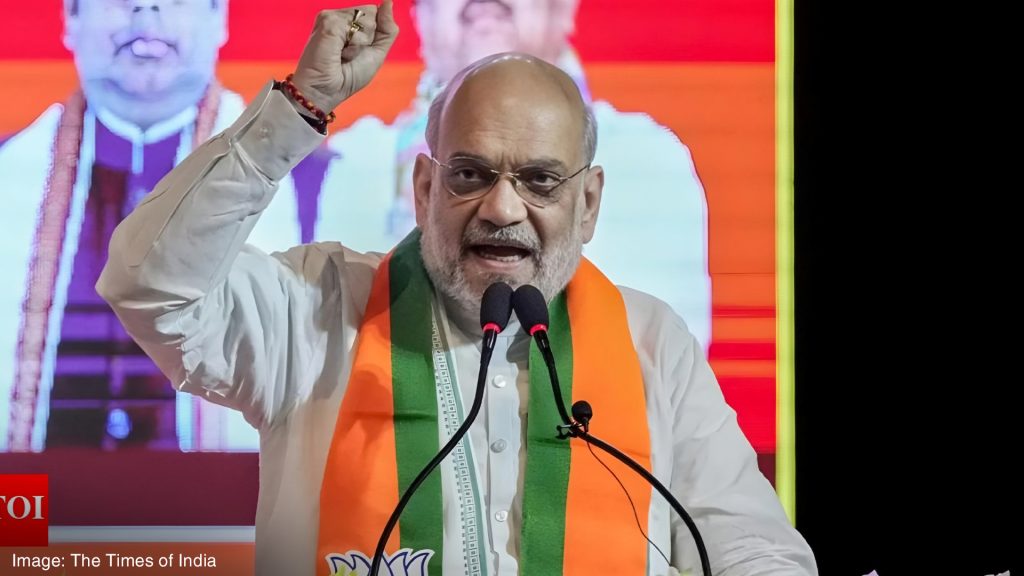
India’s Home Minister Amit Shah later declared that the treaty would “never be restored,” adding that Pakistan would be “starved of water” and that India intended to redirect water flows internally through future canal infrastructure.

The statement sent shockwaves through Pakistan’s political and agricultural sectors.

Pakistan Has 30 Days Of Water. Here Is What That Means.

Pakistan’s vulnerability comes from more than geopolitics.

It comes from storage.

According to regional water and climate analysts, Pakistan stores only around 30 days of water supply, while India’s storage capacity reaches roughly 220 days.

That imbalance becomes terrifying during drought cycles, heatwaves or political escalation.

Roughly 90% of Pakistan’s agricultural production depends on the Indus basin irrigation system.

Agriculture contributes around a quarter of Pakistan’s GDP and employs nearly 40% of the workforce. More than 61% of working women in Pakistan are connected to the agricultural sector.

The Indus basin itself covers around 65% of Pakistan’s territory and supports nearly 195 million Pakistanis.

At the same time, Pakistan’s water infrastructure remains deeply inefficient.

Agriculture consumes around 94% of national water withdrawals, while flood irrigation systems lose massive amounts of water through seepage and evaporation.

This means Pakistan faces pressure from both outside and inside its own system simultaneously.

India Is Building More Dams. Courts Said Stop. India Said No.

Since suspending the treaty, India has accelerated hydropower and river infrastructure projects in Jammu and Kashmir.

Projects such as Kiru and Pakal Dul are expected to significantly increase hydropower capacity on rivers largely allocated to Pakistan under the treaty framework.

India has also accelerated sediment-flushing operations at projects including Baglihar, Salal and Dulhasti.

Meanwhile, the legal battle surrounding the treaty has intensified internationally.

In May 2026, a Court of Arbitration linked to the treaty process issued a supplemental ruling affirming that India could not unilaterally suspend proceedings tied to the agreement.

India rejected the ruling entirely, calling the tribunal “illegal and void” and refusing to recognize its authority.

Pakistan escalated the issue to the United Nations Security Council, arguing that the suspension threatens regional stability, food systems and international treaty credibility.

India maintains the treaty remains a bilateral issue and rejects international intervention.

The result is a growing legal and geopolitical vacuum around one of the world’s most important shared river systems.

The Climate Layer Nobody Is Talking About

The Indus basin is already one of the world’s most climate-vulnerable regions.
Glacial retreat in the Himalayas, rising temperatures, erratic monsoons and worsening drought cycles are reshaping water availability across South Asia.

Research shows the basin has already lost nearly 25% of its perennial snow and ice cover since 2001.

The treaty itself was written decades before modern climate science and contains no real mechanism to address glacial collapse, groundwater depletion or long-term climate stress.

That means a treaty originally designed to prevent conflict is now being tested under conditions it was never built to survive.

This is why analysts increasingly warn that the India-Pakistan water crisis is no longer simply about diplomacy or borders.

It is becoming a climate-era survival issue between two nuclear powers.

And outside South Asia, much of the world has barely noticed.

By Shizza Farooqui

Sources

Reuters, Al Jazeera, Chatham House, CSIS, Lowy Institute, The Guardian, The Friday Times, Dawn, The News International, Pakistan Today, ISAS, IWA Publishing, IISD, Scroll.in, Daily Pakistan, Britannica, OpIndia
The Treaty That Kept Two Nuclear Powers From War

For more than 60 years, the Indus Waters Treaty survived wars, border clashes, military escalation and diplomatic breakdowns between India and Pakistan.

Signed in 1960 and brokered by the World Bank, the treaty divided six major rivers between the two nuclear powers and created one of the world’s most important water-sharing systems.

Under the agreement, India received control over the eastern rivers Ravi, Beas and Sutlej, while Pakistan retained primary access to the western rivers Indus, Jhelum and Chenab.

Those rivers are not just waterways.

They are the backbone of Pakistan’s survival infrastructure.

The Indus Basin Irrigation System supports roughly 80% of Pakistan’s agriculture, sustains millions of livelihoods, powers hydropower generation and directly affects food security across the country.

The basin itself supports more than 300 million people across both India and Pakistan.

For decades, the treaty acted as one of the last functioning stabilizers between two rivals armed with nuclear weapons.

That stability is now under pressure.

Why India Cut Pakistan’s Water Supply

The turning point came after the April 2025 militant attack in Pahalgam’s Baisaran Valley, where 26 civilians were killed.

India blamed Pakistan-backed militancy and suspended implementation of the Indus Waters Treaty on April 23, 2025. Pakistan denied involvement and called for a neutral investigation.

The suspension immediately disrupted hydrological cooperation between the two countries.

Flood forecasting coordination stopped. Data-sharing mechanisms froze. Meetings of the Permanent Indus Commission were cancelled.

Even after a military ceasefire was reached on May 10, 2025, the water treaty was never restored.

That distinction has become one of the most dangerous aspects of the crisis.

The military confrontation slowed down.

The water dispute did not.

India’s Home Minister Amit Shah later declared that the treaty would “never be restored,” adding that Pakistan would be “starved of water” and that India intended to redirect water flows internally through future canal infrastructure.

The statement sent shockwaves through Pakistan’s political and agricultural sectors.

Pakistan Has 30 Days Of Water. Here Is What That Means.

Pakistan’s vulnerability comes from more than geopolitics.

It comes from storage.

According to regional water and climate analysts, Pakistan stores only around 30 days of water supply, while India’s storage capacity reaches roughly 220 days.

That imbalance becomes terrifying during drought cycles, heatwaves or political escalation.

Roughly 90% of Pakistan’s agricultural production depends on the Indus basin irrigation system.

Agriculture contributes around a quarter of Pakistan’s GDP and employs nearly 40% of the workforce. More than 61% of working women in Pakistan are connected to the agricultural sector.

The Indus basin itself covers around 65% of Pakistan’s territory and supports nearly 195 million Pakistanis.

At the same time, Pakistan’s water infrastructure remains deeply inefficient.

Agriculture consumes around 94% of national water withdrawals, while flood irrigation systems lose massive amounts of water through seepage and evaporation.

This means Pakistan faces pressure from both outside and inside its own system simultaneously.

India Is Building More Dams. Courts Said Stop. India Said No.

Since suspending the treaty, India has accelerated hydropower and river infrastructure projects in Jammu and Kashmir.

Projects such as Kiru and Pakal Dul are expected to significantly increase hydropower capacity on rivers largely allocated to Pakistan under the treaty framework.

India has also accelerated sediment-flushing operations at projects including Baglihar, Salal and Dulhasti.

Meanwhile, the legal battle surrounding the treaty has intensified internationally.

In May 2026, a Court of Arbitration linked to the treaty process issued a supplemental ruling affirming that India could not unilaterally suspend proceedings tied to the agreement.

India rejected the ruling entirely, calling the tribunal “illegal and void” and refusing to recognize its authority.

Pakistan escalated the issue to the United Nations Security Council, arguing that the suspension threatens regional stability, food systems and international treaty credibility.

India maintains the treaty remains a bilateral issue and rejects international intervention.

The result is a growing legal and geopolitical vacuum around one of the world’s most important shared river systems.

The Climate Layer Nobody Is Talking About

The Indus basin is already one of the world’s most climate-vulnerable regions.

Glacial retreat in the Himalayas, rising temperatures, erratic monsoons and worsening drought cycles are reshaping water availability across South Asia.

Research shows the basin has already lost nearly 25% of its perennial snow and ice cover since 2001.

The treaty itself was written decades before modern climate science and contains no real mechanism to address glacial collapse, groundwater depletion or long-term climate stress.

That means a treaty originally designed to prevent conflict is now being tested under conditions it was never built to survive.

This is why analysts increasingly warn that the India-Pakistan water crisis is no longer simply about diplomacy or borders.

It is becoming a climate-era survival issue between two nuclear powers.

And outside South Asia, much of the world has barely noticed.

By Shizza Farooqui

Sources

Reuters, Al Jazeera, Chatham House, CSIS, Lowy Institute, The Guardian, The Friday Times, Dawn, The News International, Pakistan Today, ISAS, IWA Publishing, IISD, Scroll.in, Daily Pakistan, Britannica, OpIndia

spot_img

Explore more

spot_img
Global Affairs

British Muslims Say They No Longer Feel Safe. The Attacks Are...

Britain Is Getting Its Seventh Prime Minister In A Decade.

Pakistan Helped Build A Peace Roadmap in Switzerland. Isr*el And Its...

The Lebanon Ceasefire Was Supposed To Stop The Strikes. It Barely...

The Plan To End Al-Aqsa Has Already Started.

Congress Just Made Isr*el Harder To Hold Accountable

The War On Pakistan’s Trade Routes

Isr*el Wasn’t At The Table. But Its War In Lebanon Just...