Maldives “Death Cave” Claims Six Lives

Above the surface, the Maldives looked exactly the way the world imagines paradise.

Turquoise water. Luxury yachts. Coral reefs glowing beneath sunlight.

Beneath it was a tunnel with no way out.

In May 2026, an elite diving expedition entered a deep underwater cave system near Alimathaa Island in the Maldives’ Vaavu Atoll. Days later, six people would be dead, including a military diver sent in to recover the bodies.

It is now the deadliest known diving disaster in Maldivian history.

And investigators believe it may have started with a single wrong turn.

The Expedition Beneath Paradise

The group was not made up of casual resort tourists.

The victims included marine scientists, researchers, and experienced technical divers connected to the University of Genoa and professional diving operations.

Among them were ecology professor Monica Montefalcone, her daughter Giorgia Sommacal, marine biologist Federico Gualtieri, researcher Muriel Oddenino, and diving instructor Gianluca Benedetti.

Monica and Giorgia went into the cave together. Neither came back out. Monica’s husband and Giorgia’s father, Carlo Sommacal, is now publicly demanding answers.
His wife had survived the 2004 Indian Ocean tsunami while diving off the coast of Kenya. She did not survive a cave in the Maldives.

The divers had been staying aboard a 36-metre luxury yacht called the Duke of York, which offers high-end expedition cruises around the Maldives. According to Italy’s foreign ministry, 25 Italian tourists were on board that day. Twenty of them watched five members of their group descend beneath the surface and never return.

One more diver had reportedly prepared to join them. At the last moment, she stayed behind. That decision may have saved her life.

Inside The Cave

The cave system beneath Alimathaa Island is not an ordinary tourist dive site.

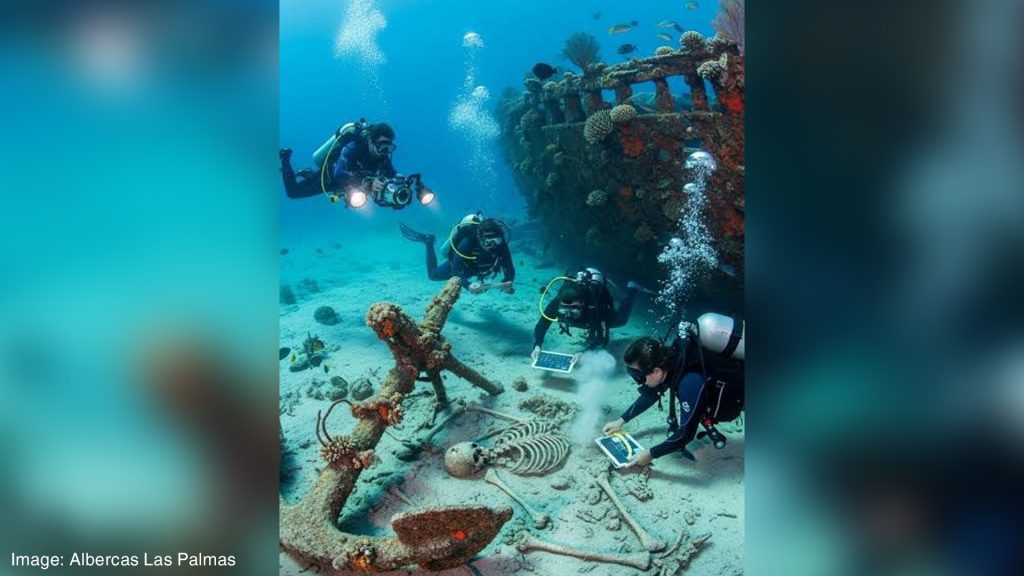
It is a maze of coral reef tunnels and chambers, formally known as the Dhekunu Kandu cave system, reaching depths between 50 and 70 metres below the surface. That is far deeper than the Maldives’ 30-metre recreational diving limit. The nickname “Death Cave” emerged from media coverage of this disaster, though locals and divers had long known the site as exceptionally dangerous. The Maldivian presidential spokesperson confirmed that the cave is so deep that “divers even with the best equipment do not try to approach.”

Technical diving expert Vladimir Tochilov, who explored the cave years earlier, described it as suitable only for highly trained cave divers with advanced preparation and specialised planning.

The entrance itself sits nearly 50 metres underwater.

Inside, the cave reportedly splits into multiple chambers connected by narrow passages and tight corridors. One passage leads through a sandbank area that appears navigable while entering but can destroy visibility when divers attempt to leave. That detail may have become fatal.

The Wrong Turn

According to the Finnish recovery team that later entered the cave, the group appears to have taken the wrong tunnel while attempting to exit.

Instead of finding the narrow corridor leading back out, investigators believe the divers entered a dead-end passage with no alternate escape route.

Loose sediment inside the cave likely worsened the disaster. In cave diving, disturbed silt can create a silt-out, reducing visibility to almost zero within seconds. At depths approaching 70 metres, that becomes catastrophic. Divers face nitrogen narcosis, oxygen toxicity risks, rapidly shrinking bottom time, and extreme pressure. One mistake can trigger a chain of disorientation, panic, gas depletion, and eventually entrapment.

Recovery teams later found four bodies inside the innermost dead-end chamber. Diving instructor Gianluca Benedetti was discovered separately near the second chamber with an empty tank.

The Rescue Mission Became Another Tragedy

The recovery operation soon turned deadly itself.
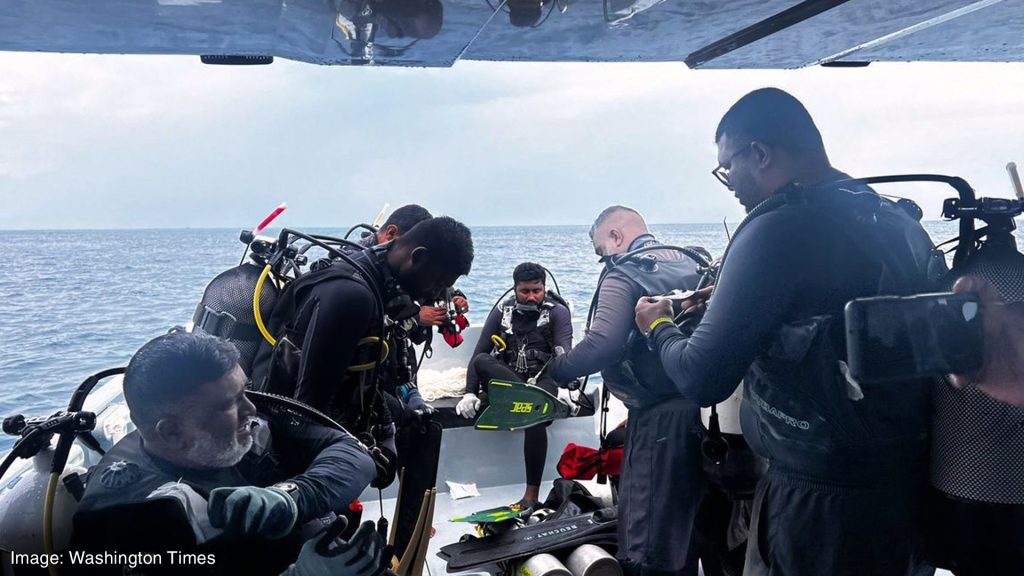
Maldivian military diver Sergeant Mohamed Mahudhee joined efforts to retrieve the missing Italians from the cave system. He later became critically ill with decompression sickness after repeated deep dives during the recovery mission and died shortly afterward.

His death raised the toll to six.

Mahudhee was buried with full military honours in Male, where thousands attended the funeral, including Maldivian President Mohamed Muizzu.

That moment transformed the story from a diving accident into a national tragedy. Even the people sent to recover the bodies were not safe inside the cave.

The Cameras That May Hold The Final Moments

The Finnish cave-diving team that ultimately recovered the bodies also retrieved underwater cameras from inside the cave system. Those cameras may now become central to the investigation.

Authorities in both Italy and the Maldives are attempting to reconstruct exactly what happened during the dive, including gas planning, navigation decisions, communication failures, visibility collapse, and whether the team fully understood the risks inside the cave network.

Italian prosecutors have already opened a culpable homicide investigation. Maldivian authorities are investigating whether officials were properly informed that the expedition involved cave penetration at extreme depth.

Authorities say the divers had permission for technical diving operations, but officials claim they were never told the team intended to enter the cave itself. If they had known, they say specialised Coast Guard support and additional precautions may have been deployed. The vessel’s licence has since been suspended pending the investigation.

Paradise And The Psychology Of Risk

The Maldives built its global image on paradise.

But stories like this expose another side of modern luxury tourism: the growing appetite for increasingly extreme experiences hidden beneath beautiful destinations.

What makes this tragedy so disturbing is not recklessness. These were experienced divers. Scientists. Professionals. People who understood risk better than most.

And still, the cave won.

That is why the story has spread so quickly online. Not because people are fascinated by death. Because people are fascinated by environments that look perfectly safe until they suddenly are not.

Above the surface, the Maldives still looks like paradise.

Beneath it sits a narrow underwater maze where six people never made it back out.

By Shizza Farooqui

Sources

CNN | BBC | CBS News | NDTV | ABC News | People Magazine | India Today | Maldives National Defence Force statements | Italian investigative reporting | Divenet | Dive Magazine

Above the surface, the Maldives looked exactly the way the world imagines paradise.

Turquoise water. Luxury yachts. Coral reefs glowing beneath sunlight.

Beneath it was a tunnel with no way out.

In May 2026, an elite diving expedition entered a deep underwater cave system near Alimathaa Island in the Maldives’ Vaavu Atoll. Days later, six people would be dead, including a military diver sent in to recover the bodies.

It is now the deadliest known diving disaster in Maldivian history.

And investigators believe it may have started with a single wrong turn.

The Expedition Beneath Paradise

The group was not made up of casual resort tourists.

The victims included marine scientists, researchers, and experienced technical divers connected to the University of Genoa and professional diving operations.

Among them were ecology professor Monica Montefalcone, her daughter Giorgia Sommacal, marine biologist Federico Gualtieri, researcher Muriel Oddenino, and diving instructor Gianluca Benedetti.

Monica and Giorgia went into the cave together. Neither came back out. Monica’s husband and Giorgia’s father, Carlo Sommacal, is now publicly demanding answers.

His wife had survived the 2004 Indian Ocean tsunami while diving off the coast of Kenya. She did not survive a cave in the Maldives.

The divers had been staying aboard a 36-metre luxury yacht called the Duke of York, which offers high-end expedition cruises around the Maldives. According to Italy’s foreign ministry, 25 Italian tourists were on board that day. Twenty of them watched five members of their group descend beneath the surface and never return.

One more diver had reportedly prepared to join them. At the last moment, she stayed behind. That decision may have saved her life.

Inside The Cave

The cave system beneath Alimathaa Island is not an ordinary tourist dive site.

It is a maze of coral reef tunnels and chambers, formally known as the Dhekunu Kandu cave system, reaching depths between 50 and 70 metres below the surface. That is far deeper than the Maldives’ 30-metre recreational diving limit. The nickname “Death Cave” emerged from media coverage of this disaster, though locals and divers had long known the site as exceptionally dangerous. The Maldivian presidential spokesperson confirmed that the cave is so deep that “divers even with the best equipment do not try to approach.”

Technical diving expert Vladimir Tochilov, who explored the cave years earlier, described it as suitable only for highly trained cave divers with advanced preparation and specialised planning.

The entrance itself sits nearly 50 metres underwater.

Inside, the cave reportedly splits into multiple chambers connected by narrow passages and tight corridors. One passage leads through a sandbank area that appears navigable while entering but can destroy visibility when divers attempt to leave. That detail may have become fatal.

The Wrong Turn

According to the Finnish recovery team that later entered the cave, the group appears to have taken the wrong tunnel while attempting to exit.

Instead of finding the narrow corridor leading back out, investigators believe the divers entered a dead-end passage with no alternate escape route.

Loose sediment inside the cave likely worsened the disaster. In cave diving, disturbed silt can create a silt-out, reducing visibility to almost zero within seconds. At depths approaching 70 metres, that becomes catastrophic. Divers face nitrogen narcosis, oxygen toxicity risks, rapidly shrinking bottom time, and extreme pressure. One mistake can trigger a chain of disorientation, panic, gas depletion, and eventually entrapment.

Recovery teams later found four bodies inside the innermost dead-end chamber. Diving instructor Gianluca Benedetti was discovered separately near the second chamber with an empty tank.

The Rescue Mission Became Another Tragedy

The recovery operation soon turned deadly itself.

Maldivian military diver Sergeant Mohamed Mahudhee joined efforts to retrieve the missing Italians from the cave system. He later became critically ill with decompression sickness after repeated deep dives during the recovery mission and died shortly afterward.

His death raised the toll to six.

Mahudhee was buried with full military honours in Male, where thousands attended the funeral, including Maldivian President Mohamed Muizzu.

That moment transformed the story from a diving accident into a national tragedy. Even the people sent to recover the bodies were not safe inside the cave.

The Cameras That May Hold The Final Moments

The Finnish cave-diving team that ultimately recovered the bodies also retrieved underwater cameras from inside the cave system. Those cameras may now become central to the investigation.

Authorities in both Italy and the Maldives are attempting to reconstruct exactly what happened during the dive, including gas planning, navigation decisions, communication failures, visibility collapse, and whether the team fully understood the risks inside the cave network.

Italian prosecutors have already opened a culpable homicide investigation. Maldivian authorities are investigating whether officials were properly informed that the expedition involved cave penetration at extreme depth.

Authorities say the divers had permission for technical diving operations, but officials claim they were never told the team intended to enter the cave itself. If they had known, they say specialised Coast Guard support and additional precautions may have been deployed. The vessel’s licence has since been suspended pending the investigation.

Paradise And The Psychology Of Risk

The Maldives built its global image on paradise.

But stories like this expose another side of modern luxury tourism: the growing appetite for increasingly extreme experiences hidden beneath beautiful destinations.

What makes this tragedy so disturbing is not recklessness. These were experienced divers. Scientists. Professionals. People who understood risk better than most.

And still, the cave won.

That is why the story has spread so quickly online. Not because people are fascinated by death. Because people are fascinated by environments that look perfectly safe until they suddenly are not.

Above the surface, the Maldives still looks like paradise.

Beneath it sits a narrow underwater maze where six people never made it back out.

By Shizza Farooqui

Sources

CNN | BBC | CBS News | NDTV | ABC News | People Magazine | India Today | Maldives National Defence Force statements | Italian investigative reporting | Divenet | Dive Magazine

spot_img

Explore more

spot_img
Global Affairs

British Muslims Say They No Longer Feel Safe. The Attacks Are...

Britain Is Getting Its Seventh Prime Minister In A Decade.

Pakistan Helped Build A Peace Roadmap in Switzerland. Isr*el And Its...

The Lebanon Ceasefire Was Supposed To Stop The Strikes. It Barely...

The Plan To End Al-Aqsa Has Already Started.

Congress Just Made Isr*el Harder To Hold Accountable

The War On Pakistan’s Trade Routes

Isr*el Wasn’t At The Table. But Its War In Lebanon Just...