
We Are Now Living in a World Straight Out of a Fable Where Animals Speak Human Language

The Day Humans Finally Understand Their Pets

Maryam Tariq

AI Pet Translators

For generations, people have wondered what their pets are thinking. Whether it is a dog barking at the door or a cat staring silently from across the room, animal communication has remained one of science’s biggest mysteries.

Now, advances in artificial intelligence may be bringing humans closer to understanding animals than ever before.

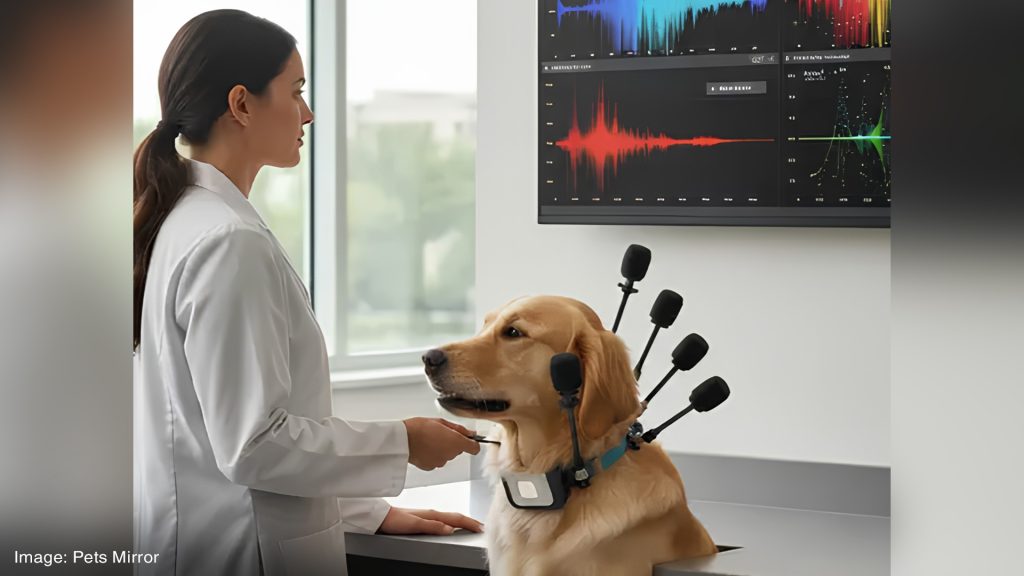
A Chinese startup called Meng Xiaoyi has developed an AI powered device known as PettiChat. The small collar clip records sounds and movements, then uses artificial intelligence to interpret what a pet may be feeling.

The system was trained using more than one million pet recordings and can reportedly generate responses in about 1.2 seconds.
Scientific Breakthroughs

While commercial products are grabbing headlines, scientific research has also made major progress.

In 2023, researchers successfully exchanged a basic greeting with an Alaskan humpback whale. Scientists have also discovered that whale communication shares certain statistical patterns found in human languages.

Neuroscientists are studying vocal learning in animals and investigating the genetic factors that influence communication. Research suggests some species possess more sophisticated communication abilities than previously believed.

Why Animal Language Is So Difficult

Despite the excitement, experts caution that translating animal communication is far more complicated than translating human languages.

Animals do not rely solely on sounds. Body posture, movement, facial expressions, environmental context, and social behavior all contribute to their communication.

A cat’s meow, for example, may carry different meanings depending on the situation. A bark could signal excitement, warning, fear, or a request for attention.

Because of this complexity, many researchers believe current systems are better at identifying emotional states rather than translating complete thoughts.
The Future Of Human Animal Communication

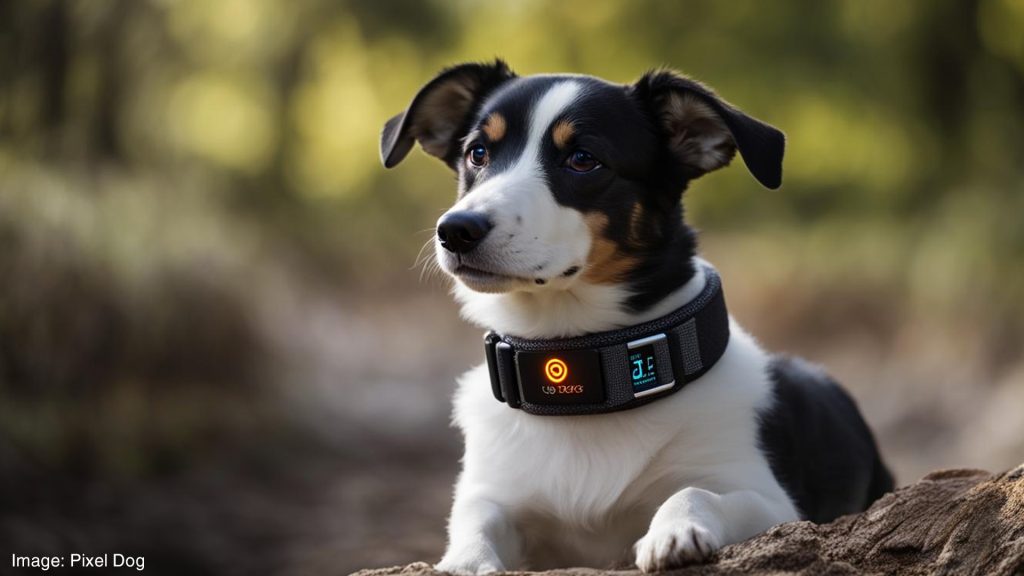
Major technology companies are investing in the field. Baidu has filed patents for systems designed to analyze vocalizations, behavior patterns, and biological signals to better understand animals.

As artificial intelligence becomes more advanced, researchers believe future systems may accurately recognize emotions such as stress, happiness, hunger, and anxiety.

Whether humans will ever hold full conversations with their pets remains uncertain. However, the gap between science fiction and reality is shrinking rapidly.
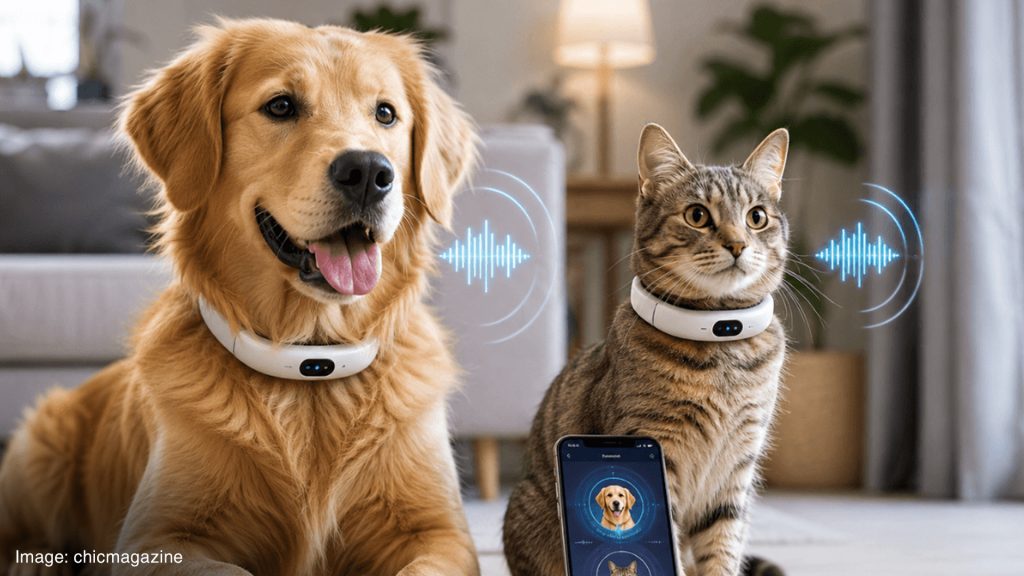
The dream of finally understanding what animals are trying to tell us may no longer belong only to movies.

Sources:  Science News / BBC Newsround / Rockefeller University / New York University / Alibaba Cloud / Baidu / Nature Communications Research on Whale Communication


The Day Humans Finally Understand Their Pets

Maryam Tariq

AI Pet Translators

For generations, people have wondered what their pets are thinking. Whether it is a dog barking at the door or a cat staring silently from across the room, animal communication has remained one of science’s biggest mysteries.

Now, advances in artificial intelligence may be bringing humans closer to understanding animals than ever before.

A Chinese startup called Meng Xiaoyi has developed an AI powered device known as PettiChat. The small collar clip records sounds and movements, then uses artificial intelligence to interpret what a pet may be feeling.

The system was trained using more than one million pet recordings and can reportedly generate responses in about 1.2 seconds.

Scientific Breakthroughs

While commercial products are grabbing headlines, scientific research has also made major progress.

In 2023, researchers successfully exchanged a basic greeting with an Alaskan humpback whale. Scientists have also discovered that whale communication shares certain statistical patterns found in human languages.

Neuroscientists are studying vocal learning in animals and investigating the genetic factors that influence communication. Research suggests some species possess more sophisticated communication abilities than previously believed.

Why Animal Language Is So Difficult

Despite the excitement, experts caution that translating animal communication is far more complicated than translating human languages.

Animals do not rely solely on sounds. Body posture, movement, facial expressions, environmental context, and social behavior all contribute to their communication.

A cat’s meow, for example, may carry different meanings depending on the situation. A bark could signal excitement, warning, fear, or a request for attention.

Because of this complexity, many researchers believe current systems are better at identifying emotional states rather than translating complete thoughts.

The Future Of Human Animal Communication

Major technology companies are investing in the field. Baidu has filed patents for systems designed to analyze vocalizations, behavior patterns, and biological signals to better understand animals.

As artificial intelligence becomes more advanced, researchers believe future systems may accurately recognize emotions such as stress, happiness, hunger, and anxiety.

Whether humans will ever hold full conversations with their pets remains uncertain. However, the gap between science fiction and reality is shrinking rapidly.

The dream of finally understanding what animals are trying to tell us may no longer belong only to movies.

Sources:  Science News / BBC Newsround / Rockefeller University / New York University / Alibaba Cloud / Baidu / Nature Communications Research on Whale Communication

spot_img

Explore more

spot_img
Business

The Ban That Built America’s Rival

The House Is Testing Trump’s Power

No Vaccine. No Trust. No Time.

The New Global Enemy Is The Migrant

Albania Is Not For Sale

Myanmar: The Genocide Nobody Is Watching

Sweden Stripped Islamophobia From Official Language. Muslims Are Asking Why.

808km. Nine Days. Pakistan Found Its Hero.