Sweden Stripped Islamophobia From Official Language. Muslims Are Asking Why.

Sweden Changed The Word

Sweden has not banned the word “Islamophobia.” But it has changed how the state wants to talk about it.

In a 2026 parliamentary debate, Sweden’s Foreign Minister Maria Malmer Stenergard said the government sees the term “Islamophobia” as problematic and prefers the phrase “anti-Muslim racism” or “anti-Muslim hatred.” Sweden’s 2024 action plan against racism and hate crime also says anti-Muslim racism replaces and corresponds to the term Islamophobia used in earlier national policy language.

The government’s argument is that the word “phobia” can make the issue sound like irrational individual fear, instead of discrimination, exclusion, hate or racism. It also argues that “Islamophobia” can blur the line between criticism of Islam as a religion and hostility toward Muslims as people.

That is the official explanation. But the political question is bigger than vocabulary.

Why Muslims Are Worried

For Muslim communities and anti-racism advocates, the concern is not only what Sweden calls the problem. It is what happens when a government changes the public language around anti-Muslim hate.

Words shape policy. They shape statistics. They shape what schools teach, what police track, what ministries fund, and what victims feel able to report. If the term changes, communities want to know whether the recognition changes with it.

A Swedish human rights report documented testimony from Muslim congregations and associations about anti-Muslim racism at individual, structural and political levels, and said the terms include racism, intolerance and discrimination against Muslims and those perceived to be Muslim.

That is why this story matters. For many Muslims, this is not an abstract linguistic debate. It is about whether the state still names their lived experience clearly.
The Far-Right Context Matters

The timing is also sensitive.

The parliamentary push around the term came after Sweden Democrats MP Richard Jomshof questioned the use of “Islamophobia,” arguing that the term is used to silence criticism of Islam. Sweden’s government currently relies on support from the right-wing Sweden Democrats, a party that has gained major influence over immigration and integration policy.

The stakes have since grown further. The Guardian reported in April 2026 that Prime Minister Ulf Kristersson had opened the door to letting the Sweden Democrats enter government after the next election. The party that triggered this word change may soon hold formal government power.

That context is why critics see the wording shift as more than technical housekeeping. They see it as part of a wider European argument over Islam, migration, national identity and far-right pressure.

The government says “anti-Muslim racism” is more precise. Critics ask why the change is happening now, and who benefits when the older word disappears from official use.

This Is Not Only A Swedish Debate

Sweden is also trying to move this language internationally, including in EU and UN contexts. The government wants to use terms like “anti-Muslim racism” or “anti-Muslim hatred” instead of “Islamophobia” in international institutions, with discussions planned in Brussels.

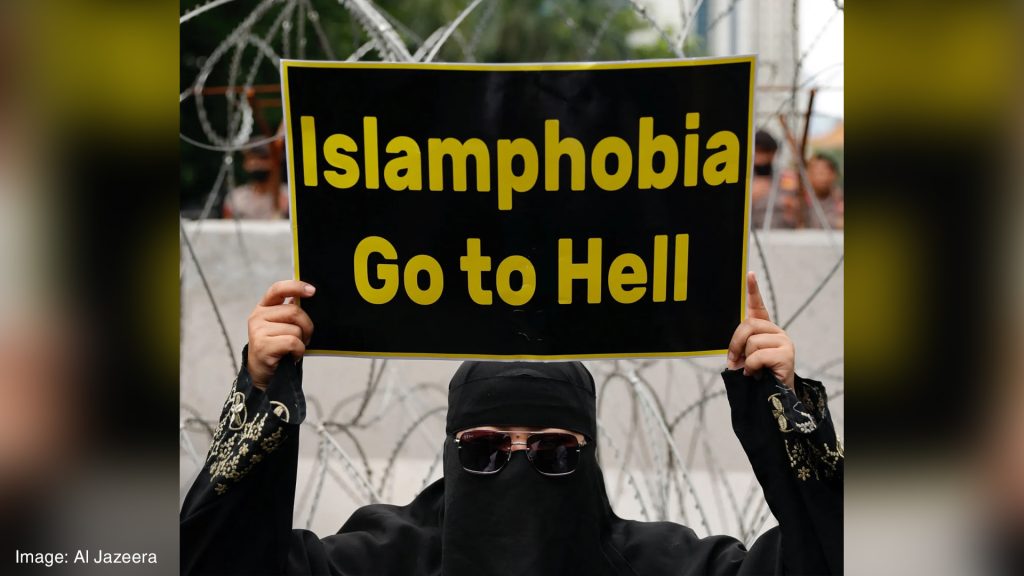
That matters because the UN still formally recognises the International Day to Combat Islamophobia, and Muslim communities across Europe have long used the term to describe discrimination, hate crimes, mosque attacks, online abuse, political scapegoating and everyday suspicion.

And the data makes the timing harder to ignore. The Coalition to Counter Islamophobia in Europe recorded 876 cases of anti-Muslim discrimination across the continent in 2025 alone. Eighty per cent of victims were women. In 41 per cent of cases, the discrimination was linked directly to wearing the hijab. Underreporting across nearly all countries means the true figure is likely far higher.

The discrimination is rising. The word used to describe it is being renamed.

The Real Question Is Recognition

There is a fair debate to be had about terminology. “Anti-Muslim racism” can be more specific in some legal and policy contexts because it focuses on people targeted as Muslims, including those perceived to be Muslim because of their name, clothing or appearance.

But precision should not become erasure.
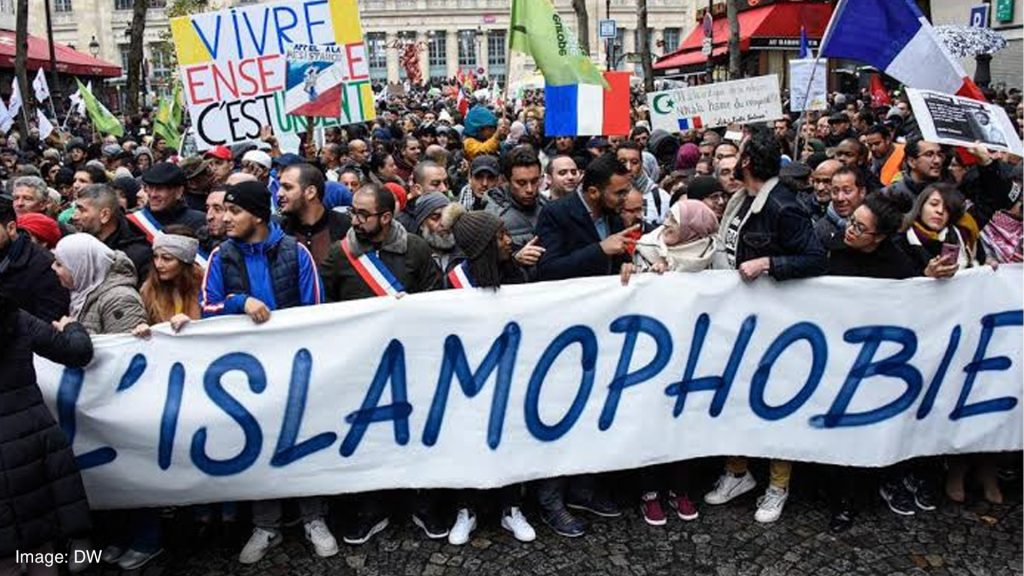
If Sweden’s new language leads to stronger tracking, clearer protections and better recognition of anti-Muslim discrimination, the government will claim it made the issue sharper. If it weakens public recognition at a time of rising far-right influence, critics will see it as a retreat.

That is the heart of the story.

Sweden says it wants precision. Muslims are asking whether the state has changed the word, or changed the meaning.

By Shizza Farooqui

SOURCES

Swedish Government Action Plan to Combat Racism and Hate Crime 2024 | Swedish Riksdag debate record April 2026 | Swedish human rights reporting on Muslim congregations | Svenska Dagbladet | Göteborgs-Posten | European Conservative | ABNA | Brussels Signal | The Guardian | Muslim Network TV | Coalition to Counter Islamophobia in Europe 2025 Annual Report | OHCHR / UN materials

Sweden Changed The Word

Sweden has not banned the word “Islamophobia.” But it has changed how the state wants to talk about it.

In a 2026 parliamentary debate, Sweden’s Foreign Minister Maria Malmer Stenergard said the government sees the term “Islamophobia” as problematic and prefers the phrase “anti-Muslim racism” or “anti-Muslim hatred.” Sweden’s 2024 action plan against racism and hate crime also says anti-Muslim racism replaces and corresponds to the term Islamophobia used in earlier national policy language.

The government’s argument is that the word “phobia” can make the issue sound like irrational individual fear, instead of discrimination, exclusion, hate or racism. It also argues that “Islamophobia” can blur the line between criticism of Islam as a religion and hostility toward Muslims as people.

That is the official explanation. But the political question is bigger than vocabulary.

Why Muslims Are Worried

For Muslim communities and anti-racism advocates, the concern is not only what Sweden calls the problem. It is what happens when a government changes the public language around anti-Muslim hate.

Words shape policy. They shape statistics. They shape what schools teach, what police track, what ministries fund, and what victims feel able to report. If the term changes, communities want to know whether the recognition changes with it.

A Swedish human rights report documented testimony from Muslim congregations and associations about anti-Muslim racism at individual, structural and political levels, and said the terms include racism, intolerance and discrimination against Muslims and those perceived to be Muslim.

That is why this story matters. For many Muslims, this is not an abstract linguistic debate. It is about whether the state still names their lived experience clearly.

The Far-Right Context Matters

The timing is also sensitive.

The parliamentary push around the term came after Sweden Democrats MP Richard Jomshof questioned the use of “Islamophobia,” arguing that the term is used to silence criticism of Islam. Sweden’s government currently relies on support from the right-wing Sweden Democrats, a party that has gained major influence over immigration and integration policy.

The stakes have since grown further. The Guardian reported in April 2026 that Prime Minister Ulf Kristersson had opened the door to letting the Sweden Democrats enter government after the next election. The party that triggered this word change may soon hold formal government power.

That context is why critics see the wording shift as more than technical housekeeping. They see it as part of a wider European argument over Islam, migration, national identity and far-right pressure.

The government says “anti-Muslim racism” is more precise. Critics ask why the change is happening now, and who benefits when the older word disappears from official use.

This Is Not Only A Swedish Debate

Sweden is also trying to move this language internationally, including in EU and UN contexts. The government wants to use terms like “anti-Muslim racism” or “anti-Muslim hatred” instead of “Islamophobia” in international institutions, with discussions planned in Brussels.

That matters because the UN still formally recognises the International Day to Combat Islamophobia, and Muslim communities across Europe have long used the term to describe discrimination, hate crimes, mosque attacks, online abuse, political scapegoating and everyday suspicion.

And the data makes the timing harder to ignore. The Coalition to Counter Islamophobia in Europe recorded 876 cases of anti-Muslim discrimination across the continent in 2025 alone. Eighty per cent of victims were women. In 41 per cent of cases, the discrimination was linked directly to wearing the hijab. Underreporting across nearly all countries means the true figure is likely far higher.

The discrimination is rising. The word used to describe it is being renamed.

The Real Question Is Recognition

There is a fair debate to be had about terminology. “Anti-Muslim racism” can be more specific in some legal and policy contexts because it focuses on people targeted as Muslims, including those perceived to be Muslim because of their name, clothing or appearance.

But precision should not become erasure.

If Sweden’s new language leads to stronger tracking, clearer protections and better recognition of anti-Muslim discrimination, the government will claim it made the issue sharper. If it weakens public recognition at a time of rising far-right influence, critics will see it as a retreat.

That is the heart of the story.

Sweden says it wants precision. Muslims are asking whether the state has changed the word, or changed the meaning.

By Shizza Farooqui

SOURCES

Swedish Government Action Plan to Combat Racism and Hate Crime 2024 | Swedish Riksdag debate record April 2026 | Swedish human rights reporting on Muslim congregations | Svenska Dagbladet | Göteborgs-Posten | European Conservative | ABNA | Brussels Signal | The Guardian | Muslim Network TV | Coalition to Counter Islamophobia in Europe 2025 Annual Report | OHCHR / UN materials
spot_img

Explore more

spot_img
Global Affairs

China Has Written Uyghur Erasure Into Law.

Christopher Nolan Filmed The Odyssey On Occupied Land. Behind It Sits...

From Teen Suicide To Fake Nudes: The Human Cost Of The...

She Was Blinded At 14. Bollywood Called It “Limited Damage.”

Isr*el’s Sexual Abuse Crisis Is Not A Scandal. It Is A...

Qualified, Shortlisted, Then Shut Out: Black Doctors In The UK Face...

Behind Messi’s Silence On Gaza Lies A Web Of Isr*eli Ties

The Fight For Jerusalem Begins With Who Controls Its Story