No Vaccine. No Trust. No Time.

The Coffin That Shows The Crisis

In Congo, the Ebola response is no longer only fighting a virus. It is fighting fear.

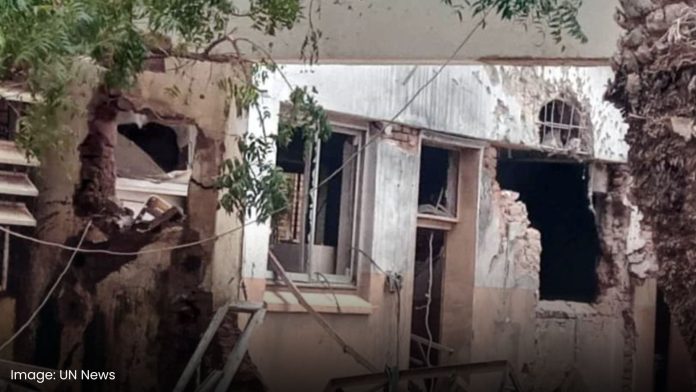
An Ebola burial team was attacked in Katana, South Kivu, and forced to abandon a coffin. Community members later handled the body, one of the most dangerous things that can happen during an Ebola outbreak, because the virus remains contagious for up to three days after a person dies. A similar attack in Bunia injured four people. In May, 18 suspected Ebola patients escaped a treatment centre in Mongbwalu after residents attacked and burned a tent at the facility.

That is how trust breaks: the responders arrive, the community panics, and the virus gets another chance.

The latest confirmed figures are already serious. DR Congo has recorded 363 confirmed cases and 62 deaths since the outbreak was declared on 15 May. The disease has spread across 25 health zones nationally, including Ituri, North Kivu and South Kivu, and into Uganda’s capital Kampala. Goma, a rebel-held city of over 1 million people, has confirmed cases.

The Numbers May Be Too Small

The official figures may not show the full outbreak.

The International Rescue Committee warned on 1 June that the crisis is likely significantly larger and more advanced than official figures suggest. The reason is stark: only 20% of contacts are currently being traced. Four out of five people who may have been exposed to Ebola are not being found, monitored or isolated.

Rachel Howard, the IRC’s Senior Technical Emergency Health Advisor, said: “When four out of five contacts are not being traced, it becomes incredibly difficult to contain the outbreak or even understand its true scale.”

The virus may have been spreading undetected since before March, potentially three months before the first official case was identified on 15 May. Multiple chains of transmission were already established across communities and provinces before anyone knew an outbreak had begun. Doctors Without Borders put it plainly: “Never before has an Ebola outbreak recorded so many cases so soon after its declaration.”

Ebola containment depends on speed. Find the sick. Trace the contacts. Isolate the exposed. Bury the dead safely. When that system fails, the virus moves quietly through families, clinics, markets and border crossings before anyone can map where it has gone.

This Strain Changes The Playbook

This is not the Ebola the world prepared for.

The outbreak is caused by Bundibugyo ebolavirus. The two vaccines the world built its Ebola response around, Merck’s Ervebo and Johnson and Johnson’s two-dose regimen, were designed for the Zaire strain. They do not protect against Bundibugyo. There is no vaccine. There is no approved treatment. There is no rapid diagnostic test that specifically targets this strain.

That last point explains how the outbreak spread invisibly for months. Early tests in the DRC came back negative because they were built for Zaire. By the time specialist laboratory testing confirmed Bundibugyo, the virus had already moved across provinces.

Initial symptoms are indistinguishable from malaria: fever, weakness, headache, body pain. In a conflict-hit region where people already mistrust health workers, that window of ambiguity is lethal. By the time haemorrhagic bleeding begins, the patient is at peak contagiousness.

The System That Was Supposed To Prevent This

The International Rescue Committee has been direct about why the response is so fragile. Eastern DRC is confronting this outbreak more fragile and less prepared than during the 2018-2020 outbreak that killed more than 2,000 people, and with fewer resources.

The IRC links this directly to global aid cuts. The US Agency for International Development was the primary body for building local outbreak detection and prevention capacity in vulnerable regions, including DRC. The Trump administration has largely dismantled it. A lawsuit over that dismantling is ongoing. The infrastructure that might have caught this virus in March no longer exists in the form it once did.

The US has since pledged $112 million to the regional response. But the early-warning systems that money was supposed to maintain had already been cut.

An American Surgeon And A Verdict

The human cost is not abstract.

Dr Peter Stafford, a 39-year-old American surgeon working at Nyankunde Hospital in Ituri Province, unknowingly operated on a 33-year-old patient with severe abdominal pain before the outbreak was detected. That patient had Ebola. She died. Stafford contracted the virus. By the time he was evacuated to Germany for treatment, he was barely able to stand. His wife and four children remain in Congo.

His colleague described the scene: people in full protective equipment holding Stafford upright as he walked to the evacuation flight.

He was the first confirmed American case of this outbreak. Seven Americans have been evacuated in total, including a second doctor sent to quarantine in Prague who has tested negative so far.

Kenya Was Pulled Into The Crisis

Then the outbreak became political.

Kenya has no confirmed Ebola cases. But a US-backed quarantine facility for Americans potentially exposed to Ebola was being built at Laikipia Air Base in Nanyuki. The planned 50-bed unit would hold exposed Americans for observation, with anyone testing positive moved to Europe or the United States for treatment.

Hundreds of Kenyans marched to the base on 1 June. Police fired tear gas and live ammunition. Two people were shot dead. One was a local shopkeeper who had closed his business because of the unrest and was walking home when he was killed.

A Kenyan court suspended construction and operations and ordered the government to disclose all agreements. Kenyan President William Ruto admitted Trump personally asked him to approve the facility. He said yes.

Fredrick Ojiro, 38, coordinator of the campaign to block the facility, told reporters: “If you want to help Americans affected by Ebola, fly them to America or Germany and leave Kenya alone out of this Ebola quagmire.”

That is not an unreasonable question. The only confirmed American case, Dr Stafford, was flown directly to Germany. A second was sent to Prague. The Kenya facility was built not because Kenya was the medically appropriate location, but because the Trump administration refused to bring exposed Americans home. A country with no Ebola was asked to carry the risk so that one did not have to.

The Warning Is No Longer Local

The outbreak has already forced global health agencies to act.

PAHO has activated preparedness measures, strengthened surveillance and prepared molecular detection shipments for countries in the Americas considered at risk. Brazil and Italy both investigated and ruled out suspected cases this week. The CDC has blocked all non-US citizens who have been in Congo, Uganda or South Sudan in the last 21 days from entering the United States.

That does not mean Ebola is spreading through the Americas. It means the world knows this outbreak cannot be treated as someone else’s problem.

This is what happens when the world waits too long: the virus spreads, trust collapses, and countries start preparing after the danger has already moved.

No vaccine. No trust. No time.

By Shizza Farooqui

SOURCES: Reuters, International Rescue Committee, WHO, CDC, ECDC, Al Jazeera, ABC News, NBC News, Bloomberg, AP, PAHO, Doctors Without Borders, GAVI, KFF Health News, Euronews, PreventionWeb
The Coffin That Shows The Crisis

In Congo, the Ebola response is no longer only fighting a virus. It is fighting fear.

An Ebola burial team was attacked in Katana, South Kivu, and forced to abandon a coffin. Community members later handled the body, one of the most dangerous things that can happen during an Ebola outbreak, because the virus remains contagious for up to three days after a person dies. A similar attack in Bunia injured four people. In May, 18 suspected Ebola patients escaped a treatment centre in Mongbwalu after residents attacked and burned a tent at the facility.

That is how trust breaks: the responders arrive, the community panics, and the virus gets another chance.

The latest confirmed figures are already serious. DR Congo has recorded 363 confirmed cases and 62 deaths since the outbreak was declared on 15 May. The disease has spread across 25 health zones nationally, including Ituri, North Kivu and South Kivu, and into Uganda’s capital Kampala. Goma, a rebel-held city of over 1 million people, has confirmed cases.

The Numbers May Be Too Small

The official figures may not show the full outbreak.

The International Rescue Committee warned on 1 June that the crisis is likely significantly larger and more advanced than official figures suggest. The reason is stark: only 20% of contacts are currently being traced. Four out of five people who may have been exposed to Ebola are not being found, monitored or isolated.

Rachel Howard, the IRC’s Senior Technical Emergency Health Advisor, said: “When four out of five contacts are not being traced, it becomes incredibly difficult to contain the outbreak or even understand its true scale.”

The virus may have been spreading undetected since before March, potentially three months before the first official case was identified on 15 May. Multiple chains of transmission were already established across communities and provinces before anyone knew an outbreak had begun. Doctors Without Borders put it plainly: “Never before has an Ebola outbreak recorded so many cases so soon after its declaration.”

Ebola containment depends on speed. Find the sick. Trace the contacts. Isolate the exposed. Bury the dead safely. When that system fails, the virus moves quietly through families, clinics, markets and border crossings before anyone can map where it has gone.

This Strain Changes The Playbook

This is not the Ebola the world prepared for.

The outbreak is caused by Bundibugyo ebolavirus. The two vaccines the world built its Ebola response around, Merck’s Ervebo and Johnson and Johnson’s two-dose regimen, were designed for the Zaire strain. They do not protect against Bundibugyo. There is no vaccine. There is no approved treatment. There is no rapid diagnostic test that specifically targets this strain.

That last point explains how the outbreak spread invisibly for months. Early tests in the DRC came back negative because they were built for Zaire. By the time specialist laboratory testing confirmed Bundibugyo, the virus had already moved across provinces.

Initial symptoms are indistinguishable from malaria: fever, weakness, headache, body pain. In a conflict-hit region where people already mistrust health workers, that window of ambiguity is lethal. By the time haemorrhagic bleeding begins, the patient is at peak contagiousness.

The System That Was Supposed To Prevent This

The International Rescue Committee has been direct about why the response is so fragile. Eastern DRC is confronting this outbreak more fragile and less prepared than during the 2018-2020 outbreak that killed more than 2,000 people, and with fewer resources.

The IRC links this directly to global aid cuts. The US Agency for International Development was the primary body for building local outbreak detection and prevention capacity in vulnerable regions, including DRC. The Trump administration has largely dismantled it. A lawsuit over that dismantling is ongoing. The infrastructure that might have caught this virus in March no longer exists in the form it once did.

The US has since pledged $112 million to the regional response. But the early-warning systems that money was supposed to maintain had already been cut.

An American Surgeon And A Verdict

The human cost is not abstract.

Dr Peter Stafford, a 39-year-old American surgeon working at Nyankunde Hospital in Ituri Province, unknowingly operated on a 33-year-old patient with severe abdominal pain before the outbreak was detected. That patient had Ebola. She died. Stafford contracted the virus. By the time he was evacuated to Germany for treatment, he was barely able to stand. His wife and four children remain in Congo.

His colleague described the scene: people in full protective equipment holding Stafford upright as he walked to the evacuation flight.

He was the first confirmed American case of this outbreak. Seven Americans have been evacuated in total, including a second doctor sent to quarantine in Prague who has tested negative so far.

Kenya Was Pulled Into The Crisis

Then the outbreak became political.

Kenya has no confirmed Ebola cases. But a US-backed quarantine facility for Americans potentially exposed to Ebola was being built at Laikipia Air Base in Nanyuki. The planned 50-bed unit would hold exposed Americans for observation, with anyone testing positive moved to Europe or the United States for treatment.

Hundreds of Kenyans marched to the base on 1 June. Police fired tear gas and live ammunition. Two people were shot dead. One was a local shopkeeper who had closed his business because of the unrest and was walking home when he was killed.

A Kenyan court suspended construction and operations and ordered the government to disclose all agreements. Kenyan President William Ruto admitted Trump personally asked him to approve the facility. He said yes.

Fredrick Ojiro, 38, coordinator of the campaign to block the facility, told reporters: “If you want to help Americans affected by Ebola, fly them to America or Germany and leave Kenya alone out of this Ebola quagmire.”

That is not an unreasonable question. The only confirmed American case, Dr Stafford, was flown directly to Germany. A second was sent to Prague. The Kenya facility was built not because Kenya was the medically appropriate location, but because the Trump administration refused to bring exposed Americans home. A country with no Ebola was asked to carry the risk so that one did not have to.

The Warning Is No Longer Local

The outbreak has already forced global health agencies to act.

PAHO has activated preparedness measures, strengthened surveillance and prepared molecular detection shipments for countries in the Americas considered at risk. Brazil and Italy both investigated and ruled out suspected cases this week. The CDC has blocked all non-US citizens who have been in Congo, Uganda or South Sudan in the last 21 days from entering the United States.

That does not mean Ebola is spreading through the Americas. It means the world knows this outbreak cannot be treated as someone else’s problem.

This is what happens when the world waits too long: the virus spreads, trust collapses, and countries start preparing after the danger has already moved.

No vaccine. No trust. No time.

By Shizza Farooqui

SOURCES: Reuters, International Rescue Committee, WHO, CDC, ECDC, Al Jazeera, ABC News, NBC News, Bloomberg, AP, PAHO, Doctors Without Borders, GAVI, KFF Health News, Euronews, PreventionWeb
spot_img

Explore more

spot_img
Business

The Ban That Built America’s Rival

The House Is Testing Trump’s Power

The New Global Enemy Is The Migrant

Albania Is Not For Sale

Myanmar: The Genocide Nobody Is Watching

Sweden Stripped Islamophobia From Official Language. Muslims Are Asking Why.

808km. Nine Days. Pakistan Found Its Hero.

The Deepfake Fraud Victims Never Saw Coming