

The Most Disturbing Number Is Newborns
Europe’s STI crisis is no longer only an adult health story.
The European Centre for Disease Prevention and Control says bacterial sexually transmitted infections reached record highs in 2024. Gonorrhoea hit 106,331 cases, a 303% increase since 2015. Syphilis more than doubled over the same period to 45,577 cases. Chlamydia remained the most frequently reported bacterial STI, with 213,443 cases.
But the darkest warning is congenital syphilis.
ECDC says confirmed congenital syphilis cases rose from 78 in 2023 to 140 in 2024 across reporting EU/EEA countries. That means infections passed during pregnancy are now part of the wider European STI surge.
That is the line where this story changes. Because congenital syphilis is not inevitable. With screening and treatment during pregnancy, it can usually be prevented.
Diseases People Thought Were Controlled Are Moving Again
For decades, many people treated diseases like syphilis and gonorrhoea as problems modern testing and antibiotics had mostly pushed into the past. The new data shows something different.
Gonorrhoea’s 2024 notification rate was the highest recorded since European STI surveillance began in 2009. In England alone, gonorrhoea cases in 2023 were the highest since records began in 1918, the year of the Spanish flu. For decades, both gonorrhoea and syphilis were regarded as Victorian-era diseases that modern medicine had largely pushed into the past. The new data says otherwise.
Syphilis is also at its highest level in the past decade, and chlamydia remains widespread.
The age profile matters too. ECDC says gonorrhoea is especially concentrated among young adults, with high notification rates in the 20-24 and 25-34 age groups. That makes this not only a public-health story, but a modern-life story about dating, testing, stigma, and prevention habits.
The danger is not only infection. Untreated STIs can lead to chronic pain, infertility, and other serious complications. Syphilis can also affect the heart and nervous system, and during pregnancy it can lead to miscarriage, stillbirth, or congenital infection.
The Testing Gap Is Now A Crisis
This is where the newborn angle becomes devastating.
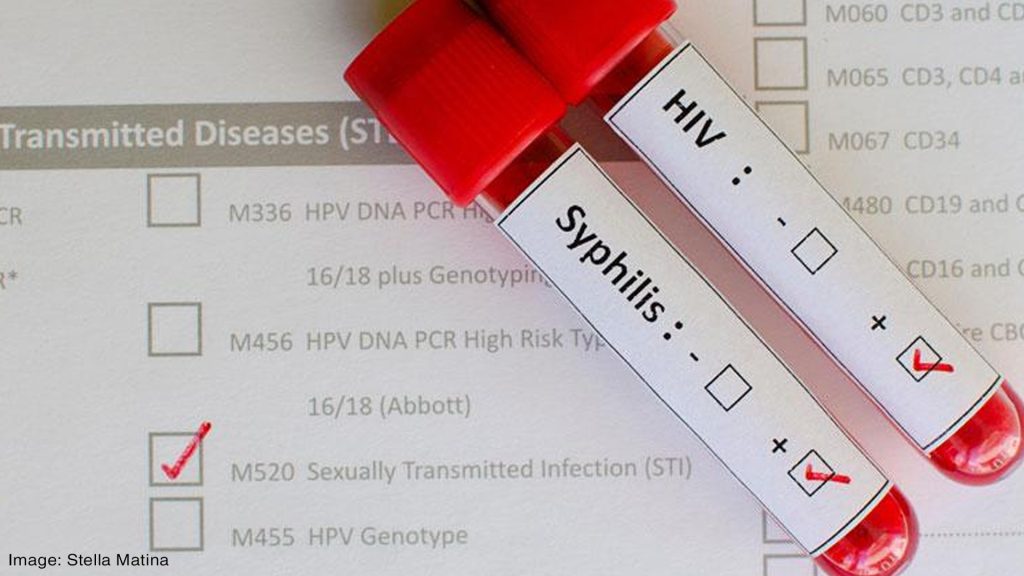
If congenital syphilis is rising, that suggests the system is missing people before birth: missed screening, delayed treatment, barriers to care, stigma, or people simply not getting tested early enough.
Thirteen of 29 reporting European countries still charge out-of-pocket costs for basic STI tests. When testing has a price, people delay it. When people delay it, infections spread silently. When pregnant women are missed, babies pay the price.
ECDC warned that without targeted action, the trend is likely to continue. Its message is not complicated: Europe needs better testing, earlier diagnosis, stronger prevention, and easier access to treatment.
The Antibiotic Resistance Threat Is Growing
Gonorrhoea carries another risk: resistance.
Gonorrhoea has repeatedly developed resistance to antibiotics used against it. ECDC has warned about antimicrobial resistance in Neisseria gonorrhoeae, the bacterium that causes gonorrhoea. That matters because when treatment options narrow, a common infection becomes harder and more expensive to control.
This does not mean gonorrhoea is untreatable across Europe. That would be misleading. But it does mean public-health agencies are watching resistance closely, because the trend can turn a rising STI into a far more dangerous medical problem.
The UK Vaccine Programme Is The Hope Beat
There is one important sign of progress.
The UK launched a national targeted gonorrhoea vaccination programme using the 4CMenB vaccine in August 2025, following advice from the Joint Committee on Vaccination and Immunisation. NHS England described the rollout as a world-first programme to prevent gonorrhoea, using an existing meningococcal B vaccine. UKHSA research suggested the jab could reduce gonorrhoea risk by up to 40% among eligible high-risk groups.
There is also progress on treatment. Zoliflodacin, the first new antibiotic developed exclusively for gonorrhoea in decades, showed a 90% cure rate in clinical trials published in The Lancet. It is expected to receive marketing approval in the United States. After years of narrowing treatment options, a new tool may be coming.
That does not solve Europe’s STI crisis. But it shows what the next phase may look like: not just warnings and shame, but vaccines, routine testing, public-health messaging, and easier treatment access.
Europe’s Warning Is Bigger Than Sex
The uncomfortable truth is that STI outbreaks grow in silence.
People avoid testing because of shame. Health systems miss early infections. Pregnant women may not be screened or treated in time. Young adults may underestimate risk. And bacteria do not wait for public conversation to become comfortable.
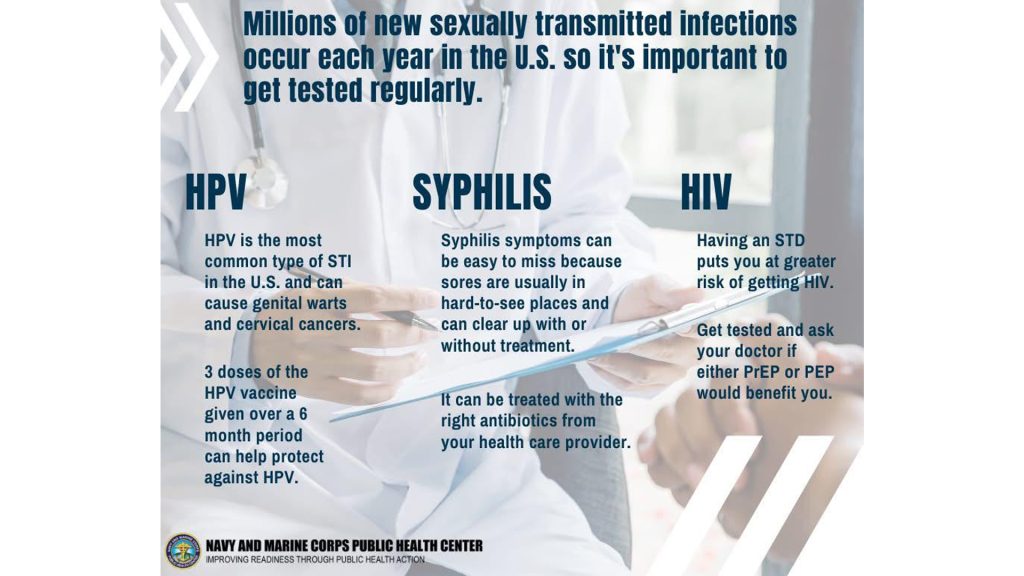
Europe’s STI crisis is now breaking records. But the most painful part is not the adult numbers.
It is the newborns.
That is what turns this from a private-health issue into a public-health failure.
By Shizza Farooqui
Sources: ECDC, NHS England, UKHSA, Imperial College London, The Lancet, Euronews, Medscape, CIDRAP, WHO, NordiskPost, EurekAlert.