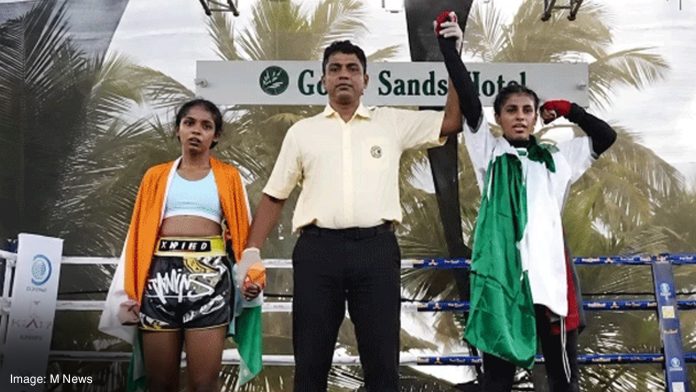
Ayesha Baloch gave Pakistan the kind of sports moment that travels beyond the mat.
Pakistani state media reported that she won gold in a wrestling final after defeating an Indian opponent, with her technical superiority visible throughout the bout. She stood on the podium, raised Pakistan’s flag, and turned the victory into a moment of national pride.
That is why the story moved so quickly online.
But the image that spread fastest was not the medal. After her final bout ended, Ayesha dropped to her knees on the mat in a prostration of gratitude. A Pakistani woman, on an Asian stage, bowing to God after beating India. That single image captured everything the words around it were trying to say. It went viral immediately.
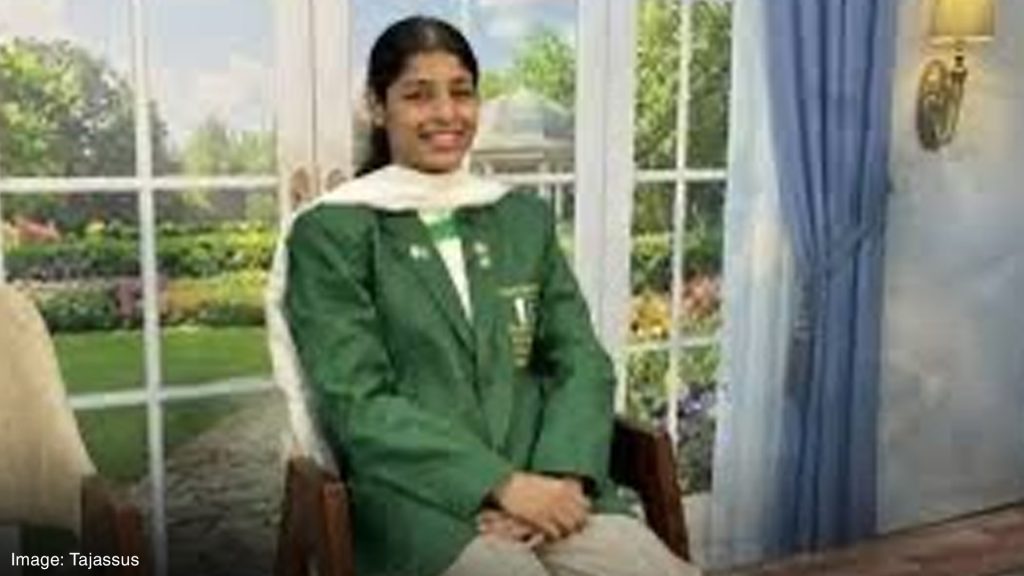
A Pakistani woman winning gold is already powerful. A Pakistani woman beating India in a wrestling final carries another layer entirely. In South Asia, sport is rarely just sport when Pakistan and India meet. Every contest becomes a test of nerve, identity and national pride. For Ayesha Baloch, that meant one win became bigger than one match.
It became a flag moment.
For Pakistan, the emotional force of this story is obvious. Women athletes in the country often fight two battles at once. One is against their opponent. The other is against limited facilities, weak funding, low visibility and the quiet assumption that some sports are not meant for them. Wrestling makes that even sharper. It is physical, demanding and culturally difficult for many women to enter. Ayesha entered anyway. And she won.
The Balochistan angle matters too. It matters specifically. Balochistan is Pakistan’s largest province and its most underserved. It consistently ranks last in education, healthcare and economic development. It is a province the country discusses most often through the language of crisis, militancy and political grievance. When a national victory comes from there, it does not just feel like a sports result. It feels like a correction. A reminder that the talent exists. What it has always lacked is not courage. It is investment, infrastructure and sustained attention from the institutions that are supposed to serve it.
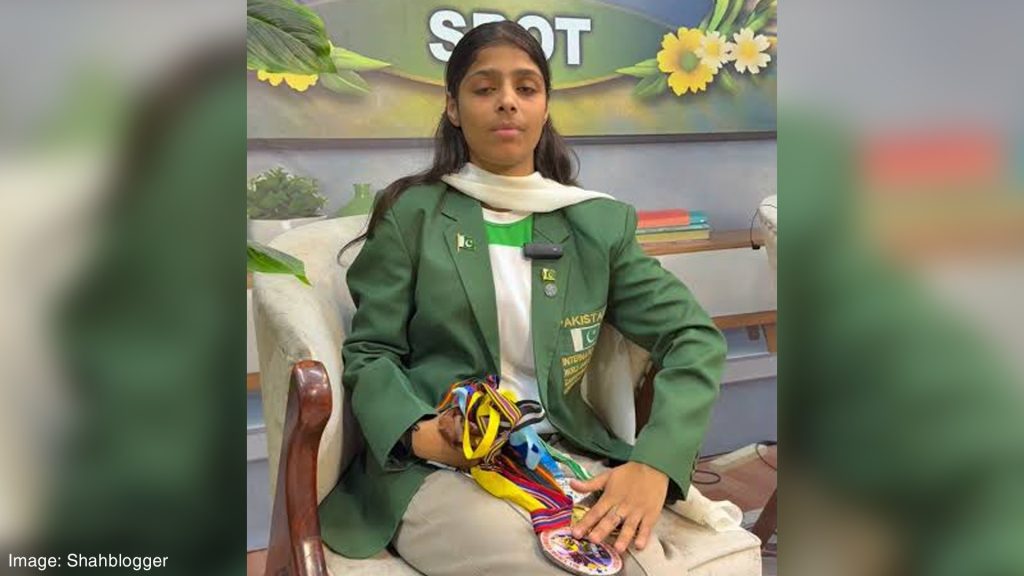
Ayesha Baloch has now given Pakistan a moment to celebrate. But the harder question is what happens after the celebration fades. Viral posts move on. Podium photos get replaced by the next trend. If Pakistan wants more Ayesha Balochs, pride has to become something more than applause. It has to become coaching budgets, women’s competitions, safe training pathways and real money flowing into provinces that have been producing talent while receiving almost nothing in return.
For now, the image is enough.
A girl from Balochistan beat India, won gold, bowed to God, and raised Pakistan’s flag.
Some victories are counted in medals. Others are counted in the girls who see them and think, maybe I can do that too.
By Shizza Farooqui
Sources: Radio Pakistan | Pakistan Observer