The Sherpa Who Crawled Back From Death

The last thing Chris Thrall heard from him was: “Yes, yes, fine Chris, please go, go.”

Thrall, a British climber, had turned to check on his Sherpa guide as they descended from Camp 4 at 7,900 metres. The guide had sat down with his backpack to rest. It did not seem unusual. Sherpas rest and catch up. Thrall moved on. Six days passed before anyone saw Hillary Dawa Sherpa again.

In those six days, his family had begun to bury him.
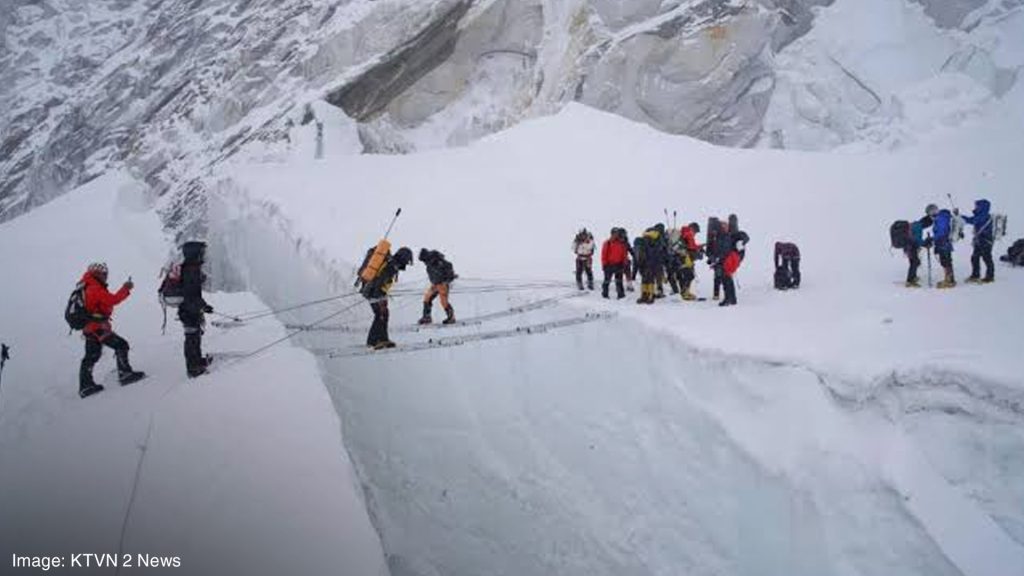
Hillary Dawa, 52, was guiding a Polish climber for a small Kathmandu-based company called Himalayan Traverse when he was last seen on May 29. After Thrall moved ahead, something went wrong on the descent. Near Camp 1, at around 6,000 metres, Hillary Dawa slipped and fell into a crevasse. He spent two days trapped inside the icy fissure before managing to free himself. Then he kept moving. No food. No bottled oxygen. No radio contact. Alone on the world’s tallest mountain for nearly a week.

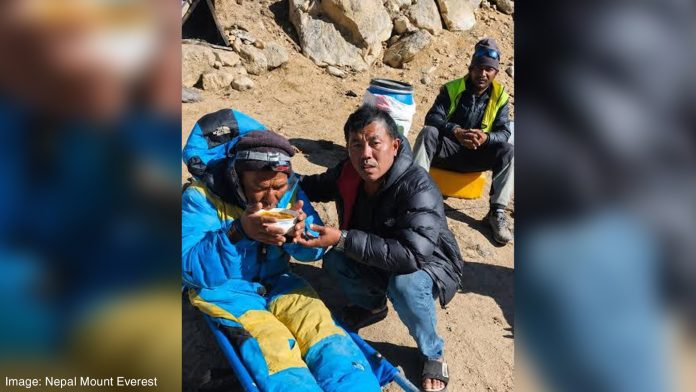
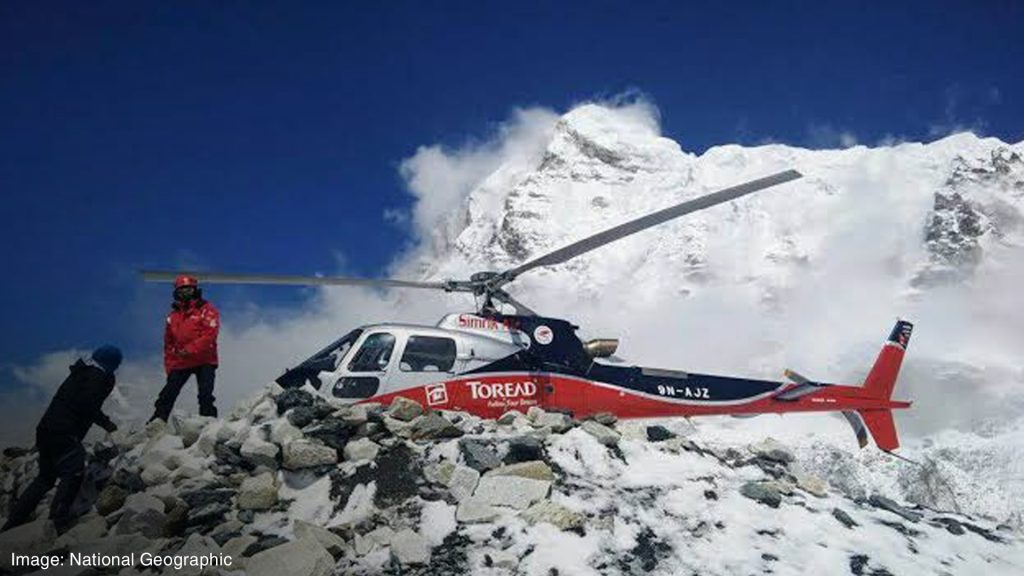
A garbage clearing crew from the Sagarmatha Pollution Control Committee found him on the morning of June 4, crawling through the snow near the Khumbu Icefall toward base camp. He was airlifted to HAMS Hospital in Kathmandu.

Pemba Sherpa of 8K Expeditions, who coordinated the search, said: “As far as I know, no one has survived alone at that altitude on Everest before. To survive for six days and descend safely is extraordinary.”

At home, his wife Damu Sherpa had already begun offering last rite prayers for his soul. His teenage daughter, Mendo Lhamu, was on the second day of a multi-day funeral ritual when the news came. “When we first heard about it, we could not be sure if that person was indeed our father,” she said. “So to be certain, we asked for photos to be sent, and then only we were sure and very happy.”

That detail is the one that stays with you.

A daughter asking for photographs to confirm her father was still alive. A wife interrupted mid-prayer.

That is why the story feels like a miracle. But Everest stories are rarely only miracles.

The Workers Behind the Summit

This rescue came at the end of a record-breaking Everest season. Nepal issued a record 494 permits. More than 1,000 climbers and guides reached the summit. Five people died. The mountain is marketed as the ultimate human dream. For the Sherpa workers who make that dream operational, it is also a workplace where one fall, one storm, or one delayed rescue can become fatal.

A guided Everest expedition costs a foreign climber between $30,000 and $120,000. The average Sherpa guide earns approximately $4,000 for the entire season. Western guides doing comparable high-altitude work earn around $50,000. Sherpa guides are statistically ten times more likely to die on the mountain than commercial fishermen, the most dangerous non-military profession in the United States.

Hillary Dawa’s disappearance went unresolved for six days. Helicopters were dispatched but failed to locate him. Questions remain about why search efforts took so long to intensify and who bears responsibility when a worker goes missing at altitude. His employer, Himalayan Traverse Adventures, did not respond to repeated requests for comment from journalists.

That is the harder truth beneath this survival story.
A man came back from a mountain his family thought had already taken him. But his survival also exposes the unequal economy of Everest, where the people carrying the heaviest risk receive the smallest share of the reward and the least attention when something goes wrong.

Everest is not conquered by climbers alone. It is carried by workers whose names too often appear only when something goes wrong.

This time, one of them came back.

By Shizza FarooquiSources: Reuters | AP | The Guardian | AFP | CNN | Al Jazeera | Outside Online
The last thing Chris Thrall heard from him was: “Yes, yes, fine Chris, please go, go.”

Thrall, a British climber, had turned to check on his Sherpa guide as they descended from Camp 4 at 7,900 metres. The guide had sat down with his backpack to rest. It did not seem unusual. Sherpas rest and catch up. Thrall moved on. Six days passed before anyone saw Hillary Dawa Sherpa again.

In those six days, his family had begun to bury him.

Hillary Dawa, 52, was guiding a Polish climber for a small Kathmandu-based company called Himalayan Traverse when he was last seen on May 29. After Thrall moved ahead, something went wrong on the descent. Near Camp 1, at around 6,000 metres, Hillary Dawa slipped and fell into a crevasse. He spent two days trapped inside the icy fissure before managing to free himself. Then he kept moving. No food. No bottled oxygen. No radio contact. Alone on the world’s tallest mountain for nearly a week.

A garbage clearing crew from the Sagarmatha Pollution Control Committee found him on the morning of June 4, crawling through the snow near the Khumbu Icefall toward base camp. He was airlifted to HAMS Hospital in Kathmandu.

Pemba Sherpa of 8K Expeditions, who coordinated the search, said: “As far as I know, no one has survived alone at that altitude on Everest before. To survive for six days and descend safely is extraordinary.”

At home, his wife Damu Sherpa had already begun offering last rite prayers for his soul. His teenage daughter, Mendo Lhamu, was on the second day of a multi-day funeral ritual when the news came. “When we first heard about it, we could not be sure if that person was indeed our father,” she said. “So to be certain, we asked for photos to be sent, and then only we were sure and very happy.”

That detail is the one that stays with you.

A daughter asking for photographs to confirm her father was still alive. A wife interrupted mid-prayer.

That is why the story feels like a miracle. But Everest stories are rarely only miracles.

The Workers Behind the Summit

This rescue came at the end of a record-breaking Everest season. Nepal issued a record 494 permits. More than 1,000 climbers and guides reached the summit. Five people died. The mountain is marketed as the ultimate human dream. For the Sherpa workers who make that dream operational, it is also a workplace where one fall, one storm, or one delayed rescue can become fatal.

A guided Everest expedition costs a foreign climber between $30,000 and $120,000. The average Sherpa guide earns approximately $4,000 for the entire season. Western guides doing comparable high-altitude work earn around $50,000. Sherpa guides are statistically ten times more likely to die on the mountain than commercial fishermen, the most dangerous non-military profession in the United States.

Hillary Dawa’s disappearance went unresolved for six days. Helicopters were dispatched but failed to locate him. Questions remain about why search efforts took so long to intensify and who bears responsibility when a worker goes missing at altitude. His employer, Himalayan Traverse Adventures, did not respond to repeated requests for comment from journalists.

That is the harder truth beneath this survival story.

A man came back from a mountain his family thought had already taken him. But his survival also exposes the unequal economy of Everest, where the people carrying the heaviest risk receive the smallest share of the reward and the least attention when something goes wrong.

Everest is not conquered by climbers alone. It is carried by workers whose names too often appear only when something goes wrong.

This time, one of them came back.

By Shizza FarooquiSources: Reuters | AP | The Guardian | AFP | CNN | Al Jazeera | Outside Online
spot_img

Explore more

spot_img
Global Affairs

British Muslims Say They No Longer Feel Safe. The Attacks Are...

Britain Is Getting Its Seventh Prime Minister In A Decade.

Pakistan Helped Build A Peace Roadmap in Switzerland. Isr*el And Its...

The Lebanon Ceasefire Was Supposed To Stop The Strikes. It Barely...

The Plan To End Al-Aqsa Has Already Started.

Congress Just Made Isr*el Harder To Hold Accountable

The War On Pakistan’s Trade Routes

Isr*el Wasn’t At The Table. But Its War In Lebanon Just...