
Designer Babies: How Far Have We Actually Come?

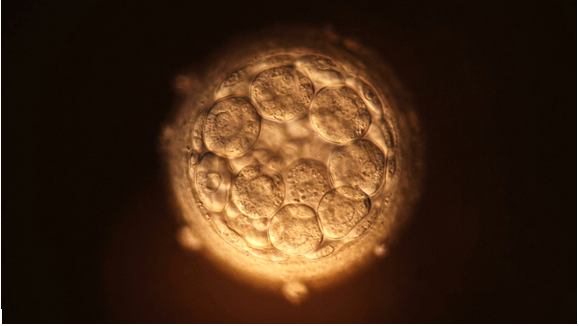
A human embryo viewed through a microscope during the IVF process.

The phrase “designer baby” used to belong in science fiction. Not anymore. Thanks to rapid advances in IVF technology and genetic screening, parents today can already influence far more about their future child than most people realise, and the science is moving faster than the laws trying to govern it.

Right now, through a process called preimplantation genetic testing (PGT), parents undergoing IVF can screen embryos for chromosomal abnormalities, single-gene disorders like cystic fibrosis, Huntington’s disease and sickle cell anaemia, and the sex of the child.[1] The newer and more controversial frontier is polygenic screening. Companies like Orchid and Nucleus Genomics go further by estimating an embryo’s genetic predisposition to conditions like Type 2 diabetes, Alzheimer’s, schizophrenia and certain cancers. Nucleus Genomics takes it even further, screening for traits like height, IQ and male-pattern baldness.[2] For a few thousand dollars on top of already expensive IVF costs, parents can essentially rank their embryos before choosing which one to implant. Orchid’s test alone costs $2,500 per embryo, not including IVF fees.[3]
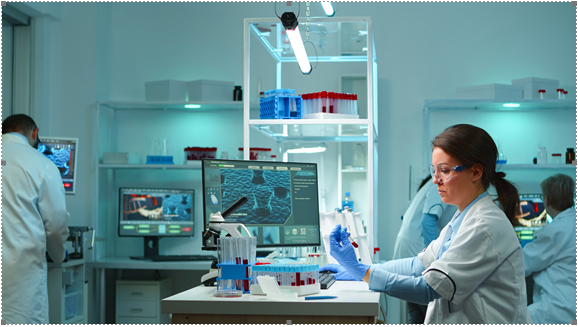
Researchers at work inside a modern genetics laboratory.

The cutting edge research is moving faster still. In late 2025, biotech entrepreneur Lucas Harrington raised $30 million to launch Preventive, a public benefit company dedicated to researching heritable genome editing, where CRISPR technology would directly edit an embryo’s DNA rather than just screen it. Two other US startups, Bootstrap Bio and Manhattan Genomics, are pursuing similar territory. A company called Herasight is already on the market offering genetic tests that rank embryos for future IQ and other traits.[4] The global IVF industry is now worth $28 billion, with investment in fertility tech startups hitting $2 billion in 2024 alone, a 55% increase over 2023.[5]

We already know what happens when someone ignores the ethical guardrails entirely. In 2018, Chinese scientist He Jiankui used CRISPR to edit the genes of human embryos, resulting in the birth of twin girls with modified DNA. He was subsequently imprisoned for three years.[4] The case remains the starkest reminder that the technology to create genuinely gene-edited humans already exists. The question has never been capability. It has always been governance.

And governance is precisely where the system is failing. In the US, implanting a genetically modified embryo is federally banned, yet polygenic screening companies are operating freely and marketing directly to consumers with almost no regulatory oversight, because the law simply has not caught up with the science.[2] That gap is widening every year.

The shortfalls go beyond regulation. Most geneticists are cautious about the hype. Traits like intelligence and height are influenced by thousands of genes interacting with each other and with the environment, meaning selecting for them through embryo screening is far less reliable than companies suggest. Research led by statistical geneticist Shai Carmi of Hebrew University found the actual boost in IQ or height achievable through current embryo selection is marginal at best.[6] Beyond the science, the ethical concerns are serious. Only wealthy families can afford these tests, raising real questions about whether genetic advantage simply becomes another thing money can buy. As philosopher Peter Singer warned, wealthy people now have the opportunity to embed their advantages into the genes of their children.[3]There are also deeper questions about what it does to the parent-child relationship when a child is essentially selected from a menu.

The future is where it gets genuinely complicated. AI-enabled IVF processes are being developed that could dramatically lower costs, making embryo screening accessible to far more people. If heritable gene editing proves safe, the cost of editing an embryo has been estimated at just $5,000, a fraction of what most medical procedures cost today.[4] The technology is not waiting for society to catch up.

At the heart of the debate is a deeply human question about the nature of parenthood.

The science is arriving faster than the rules governing it. The question was never really whether we could build a designer baby. It was always whether we should, and who gets to decide before someone else does it for us.

Sources

Healthline, February 2025. “Can We Create Designer Babies with Gene Editing?”
healthline.com/health/pregnancy/designer-babies

Axios, November 2025. “Elective IVF gains traction. Doctors have concerns.”
axios.com/2025/11/22/ivf-designer-babies-how-orchid-nucleus

Harvard Petrie-Flom Center, October 2025. “Designer Babies? The Ethical and Regulatory Implications of Polygenic Embryo Screening.”
petrieflom.law.harvard.edu/2024/03/11/designer-babies-the-ethical-and-regulatory-implications-of-polygenic-embryo-screening

MIT Technology Review, November 2025. “Here’s the latest company planning for gene-edited babies.”
technologyreview.com/2025/10/31/1127461/heres-the-latest-company-planning-for-gene-edited-babies

Fortune, November 2025. “Silicon Valley sets its sights on building the perfect baby.”
fortune.com/2025/11/29/ivf-silicon-valley-billionaire-baby

ScienceDaily. “Simulations suggest embryo selection based on traits like height or IQ is still far off.”
sciencedaily.com/releases/2019/11/191121121757.htm

A human embryo viewed through a microscope during the IVF process.

The phrase “designer baby” used to belong in science fiction. Not anymore. Thanks to rapid advances in IVF technology and genetic screening, parents today can already influence far more about their future child than most people realise, and the science is moving faster than the laws trying to govern it.

Right now, through a process called preimplantation genetic testing (PGT), parents undergoing IVF can screen embryos for chromosomal abnormalities, single-gene disorders like cystic fibrosis, Huntington’s disease and sickle cell anaemia, and the sex of the child.[1] The newer and more controversial frontier is polygenic screening. Companies like Orchid and Nucleus Genomics go further by estimating an embryo’s genetic predisposition to conditions like Type 2 diabetes, Alzheimer’s, schizophrenia and certain cancers. Nucleus Genomics takes it even further, screening for traits like height, IQ and male-pattern baldness.[2] For a few thousand dollars on top of already expensive IVF costs, parents can essentially rank their embryos before choosing which one to implant. Orchid’s test alone costs $2,500 per embryo, not including IVF fees.[3]

Researchers at work inside a modern genetics laboratory.

The cutting edge research is moving faster still. In late 2025, biotech entrepreneur Lucas Harrington raised $30 million to launch Preventive, a public benefit company dedicated to researching heritable genome editing, where CRISPR technology would directly edit an embryo’s DNA rather than just screen it. Two other US startups, Bootstrap Bio and Manhattan Genomics, are pursuing similar territory. A company called Herasight is already on the market offering genetic tests that rank embryos for future IQ and other traits.[4] The global IVF industry is now worth $28 billion, with investment in fertility tech startups hitting $2 billion in 2024 alone, a 55% increase over 2023.[5]

We already know what happens when someone ignores the ethical guardrails entirely. In 2018, Chinese scientist He Jiankui used CRISPR to edit the genes of human embryos, resulting in the birth of twin girls with modified DNA. He was subsequently imprisoned for three years.[4] The case remains the starkest reminder that the technology to create genuinely gene-edited humans already exists. The question has never been capability. It has always been governance.

And governance is precisely where the system is failing. In the US, implanting a genetically modified embryo is federally banned, yet polygenic screening companies are operating freely and marketing directly to consumers with almost no regulatory oversight, because the law simply has not caught up with the science.[2] That gap is widening every year.

The shortfalls go beyond regulation. Most geneticists are cautious about the hype. Traits like intelligence and height are influenced by thousands of genes interacting with each other and with the environment, meaning selecting for them through embryo screening is far less reliable than companies suggest. Research led by statistical geneticist Shai Carmi of Hebrew University found the actual boost in IQ or height achievable through current embryo selection is marginal at best.[6] Beyond the science, the ethical concerns are serious. Only wealthy families can afford these tests, raising real questions about whether genetic advantage simply becomes another thing money can buy. As philosopher Peter Singer warned, wealthy people now have the opportunity to embed their advantages into the genes of their children.[3]There are also deeper questions about what it does to the parent-child relationship when a child is essentially selected from a menu.

The future is where it gets genuinely complicated. AI-enabled IVF processes are being developed that could dramatically lower costs, making embryo screening accessible to far more people. If heritable gene editing proves safe, the cost of editing an embryo has been estimated at just $5,000, a fraction of what most medical procedures cost today.[4] The technology is not waiting for society to catch up.

At the heart of the debate is a deeply human question about the nature of parenthood.

The science is arriving faster than the rules governing it. The question was never really whether we could build a designer baby. It was always whether we should, and who gets to decide before someone else does it for us.

Sources

Healthline, February 2025. “Can We Create Designer Babies with Gene Editing?”
healthline.com/health/pregnancy/designer-babies

Axios, November 2025. “Elective IVF gains traction. Doctors have concerns.”
axios.com/2025/11/22/ivf-designer-babies-how-orchid-nucleus

Harvard Petrie-Flom Center, October 2025. “Designer Babies? The Ethical and Regulatory Implications of Polygenic Embryo Screening.”
petrieflom.law.harvard.edu/2024/03/11/designer-babies-the-ethical-and-regulatory-implications-of-polygenic-embryo-screening

MIT Technology Review, November 2025. “Here’s the latest company planning for gene-edited babies.”
technologyreview.com/2025/10/31/1127461/heres-the-latest-company-planning-for-gene-edited-babies

Fortune, November 2025. “Silicon Valley sets its sights on building the perfect baby.”
fortune.com/2025/11/29/ivf-silicon-valley-billionaire-baby

ScienceDaily. “Simulations suggest embryo selection based on traits like height or IQ is still far off.”
sciencedaily.com/releases/2019/11/191121121757.htm

spot_img

Explore more

spot_img
Global Affairs

British Muslims Say They No Longer Feel Safe. The Attacks Are...

Britain Is Getting Its Seventh Prime Minister In A Decade.

Pakistan Helped Build A Peace Roadmap in Switzerland. Isr*el And Its...

The Lebanon Ceasefire Was Supposed To Stop The Strikes. It Barely...

The Plan To End Al-Aqsa Has Already Started.

Congress Just Made Isr*el Harder To Hold Accountable

The War On Pakistan’s Trade Routes

Isr*el Wasn’t At The Table. But Its War In Lebanon Just...