Taliban Arrested Women Over Dress Rules. Then Shot The Crowd That Protested.
By Verity Quill
What Happened In Herat
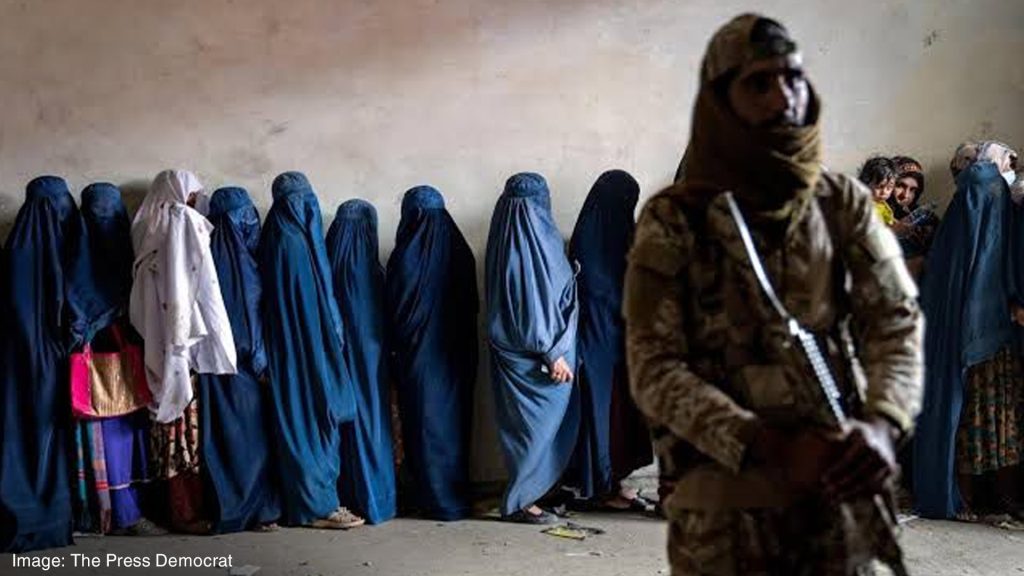
In Herat, Afghanistan, a crackdown over women’s clothing turned into one of the rarest and most dangerous acts of public defiance under Taliban rule. According to Reuters, Taliban authorities arrested at least 30 women and girls accused of violating strict dress-code rules. Human Rights Watch reported that the arrests began after Taliban-linked announcements in Herat warned women not to leave their homes unless they followed the morality police’s prescribed version of hijab. Residents said Taliban morality police then stopped women in streets, cars and rickshaws, detaining women whose clothing did not match the Taliban’s preferences.
Women Were Already Wearing Hijab
One of the most disturbing details is that residents told Human Rights Watch the women were already wearing hijab. The issue was not whether they were covered. It was whether they were covered in the exact way Taliban authorities demanded. One resident described Taliban vans arriving and arresting women, including pregnant and older women, because the style of their hijab did not meet Taliban standards. That detail matters because it strips away the Taliban’s public excuse. This was not about faith. It was about control.
The Protest In Jibreil
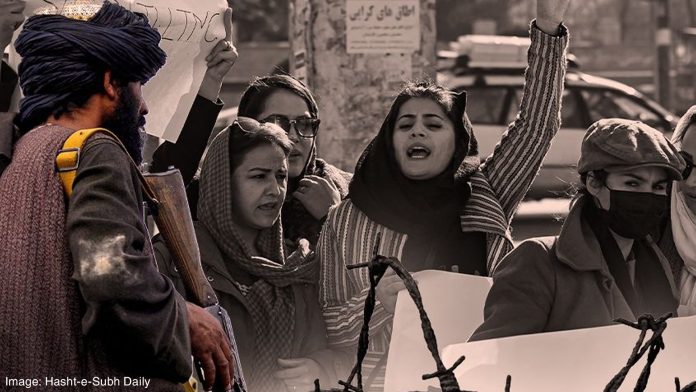
The arrests sparked a rare protest in Herat’s Jibreil district, a predominantly Hazara area. AP reported that around 100 to 150 people gathered to protest the arrests, while other reporting described demonstrators chanting for education, work and freedom. The crowd included men, women and children. Under Taliban rule, even gathering publicly against the state can carry enormous risk. That is why the Herat protest stands out. People knew what the Taliban could do, and they came out anyway.
The Taliban Crackdown Turned Deadly
The protest was met with violence. Reuters reported that UN officials said Taliban forces used excessive force, including live ammunition, against protesters. At least two people were reported killed, including a child, and more than 20 people were injured. AP reported that the UN confirmed one boy’s death and was investigating reports of another fatality. The Guardian reported that video from the Jibreil district showed gunmen in Taliban uniform firing toward protesters.
Why This Is Bigger Than A Dress Code
This was not just a protest over clothing. Since returning to power in 2021, the Taliban has erased women and girls from much of public life: schools, universities, many jobs, public spaces and freedom of movement. The Herat arrests show how deep that control has become. Women were detained not because they refused to cover, but because Taliban officials decided their covering was not acceptable enough. Then, when people protested, the state responded with bullets. This is why Afghan activists and human rights groups describe Taliban rule as gender apartheid: a system where women are controlled, punished and removed from public life by law, fear and force.
The ICC Warrants That Changed Nothing On The Ground
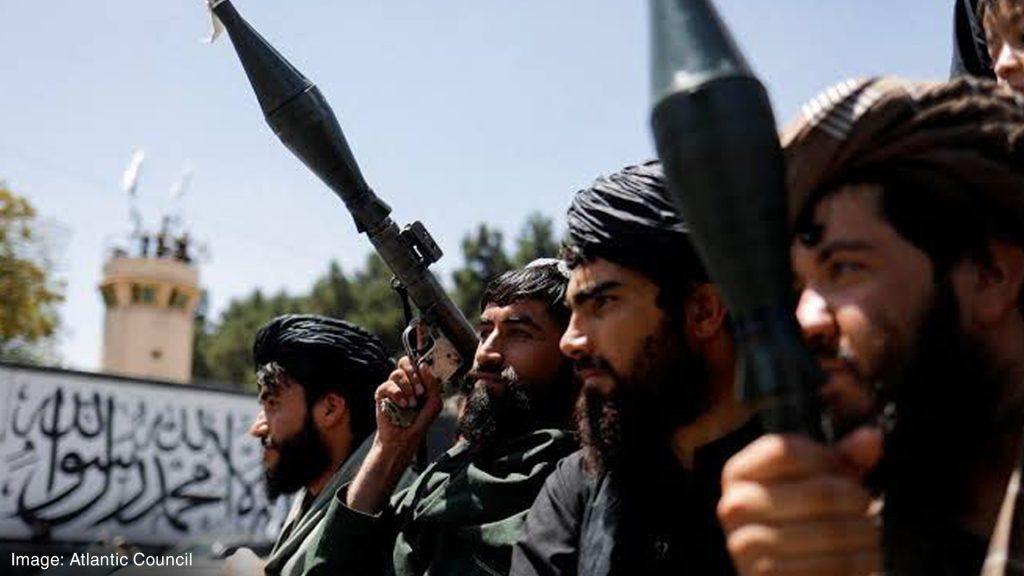
In July 2025, the International Criminal Court issued arrest warrants for Taliban Supreme Leader Haibatullah Akhundzada and Chief Justice Abdul Hakim Haqqani over alleged crimes against humanity linked to persecution on gender grounds. Amnesty International and Human Rights Watch described the warrants as a major step toward accountability for Afghan women and girls. But no Taliban leader has been arrested. The ICC has no police force of its own and depends on states to enforce its warrants. In Herat, that gap between international law and reality was brutal: the court may call Taliban gender persecution a crime against humanity, but Afghan women and their supporters are still being detained, beaten and shot in the streets.
By Verity Quill | verumnetwork.com
Sources
Reuters · AP · The Guardian · Human Rights Watch · ICC · Amnesty International · Democracy Now · Feminist Majority Foundation · CBS News · UN News