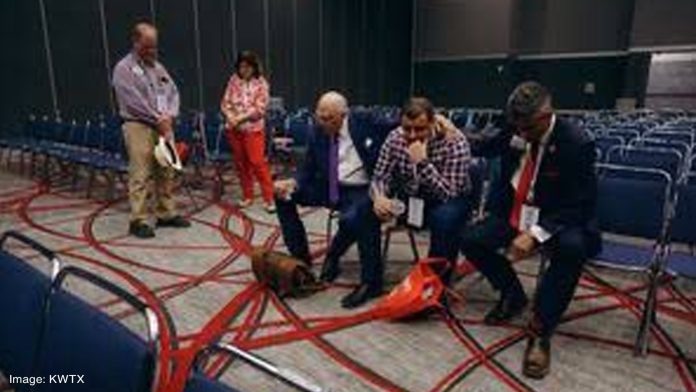
Muslim Conservatives Came Looking For Belonging
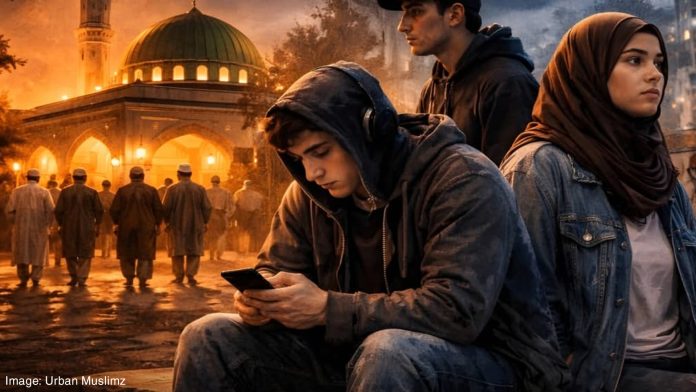
Muslim conservatives arrived at the Texas GOP convention in Houston hoping to understand whether they had a place inside the party.
What they found was something very different.
According to The Texas Tribune, Muslim delegates and attendees were shunned, confronted, and told to leave as the convention became dominated by anti-Sharia and anti-Islam messaging.
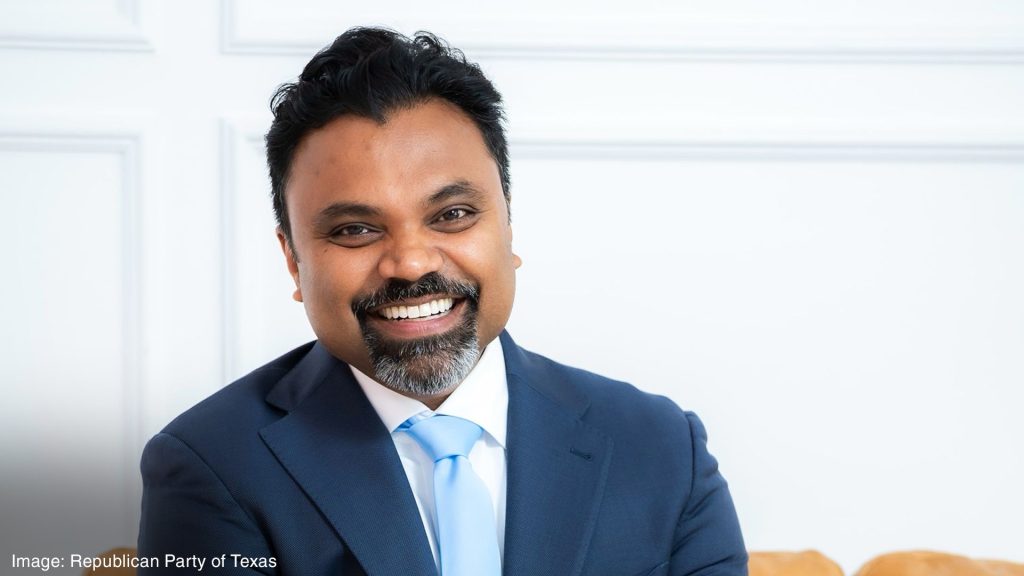
One of them was Mohamed Hussein, a Muslim conservative who came with his father, Tarek Hussein, a registered Republican delegate. Mohamed said he wanted to know whether the party’s anti-Islam rhetoric was only political noise, or whether people like him truly had no place there.
On the last day of the convention, Hussein attended a panel from the Judeo-Christian Caucus moderated by Dr. Rick Scarborough, a former Southern Baptist pastor and president of Recover America, an organisation that engages ministers in politics. Speakers told the audience that immigrants who do not believe in Judeo-Christian values will erode those values and create problems for America.
After the confrontation, Scarborough prayed out loud for forgiveness and prayed that Hussein would convert to Christianity.
Hussein broke down crying. He said he forgave Scarborough. But the moment had already spoken for itself. “I’m trying to process how somebody can say this and then try to pray for me,” he said.
The Stage Message Was Leave The Caucus
The hostility was not only coming from private conversations or individual attendees.
From the stage, outgoing Texas GOP chair Abraham George addressed two Muslim delegates after convention members raised objections over their ties to CAIR, the Council on American-Islamic Relations.
For Tarek Hussein, the accusation cut deepest. “When I educate my community about how to get active in the political party, now I’m being accused as an infiltrator,” he told the Tribune.
The moment cut through the convention’s official slogan: “Unity Drives Victory.”
For Muslim conservatives in the room, the message sounded far less like unity and far more like exclusion.
The CAIR Fight Became A Flashpoint
Much of the clash centred on CAIR.
Texas Republicans and Gov. Greg Abbott have accused CAIR of extremism and labelled it a terrorist threat, but the federal government has not designated CAIR as a terrorist organisation. CAIR denies terrorist activity and says it is a civil-rights organisation that works to protect American Muslims.
Convention members tried to remove delegates with CAIR ties, including Tarek Hussein and Amjad Muhtaseb, the husband of Muslim delegate Samar Halabi.
The party later determined that the full convention did not have the power to expel them under existing rules. Gaylyn Devine, an SREC member who defended the Muslim delegates’ right to remain, said: “They followed the rules. They voted in the Republican primary. One of them has been, like, a 40-year Republican.”
Muhtaseb, an engineer and business owner, put it simply. “We believe in Adam and Eve,” he said. “We don’t believe in this, multiple gender. We don’t drink. We don’t gamble. We are against pornography.”
These were not liberal activists crashing a conservative event. They were people who shared almost every social value the party claims to represent. Their faith was the only thing that made them a target.
A Woman In Hijab Was Told To Leave The Country
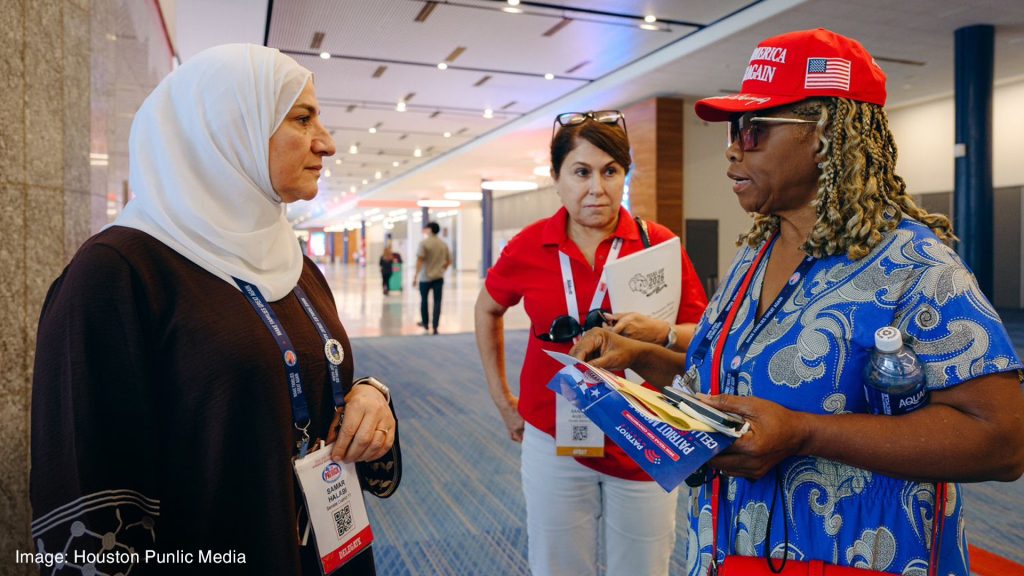
The hostility reached other Muslim delegates too.
Samar Halabi, a teacher, was the only woman at the convention wearing a hijab. She attended as a registered delegate with her husband.
Her experience showed that this was not only a dispute over procedure or party credentials.
It was about identity.
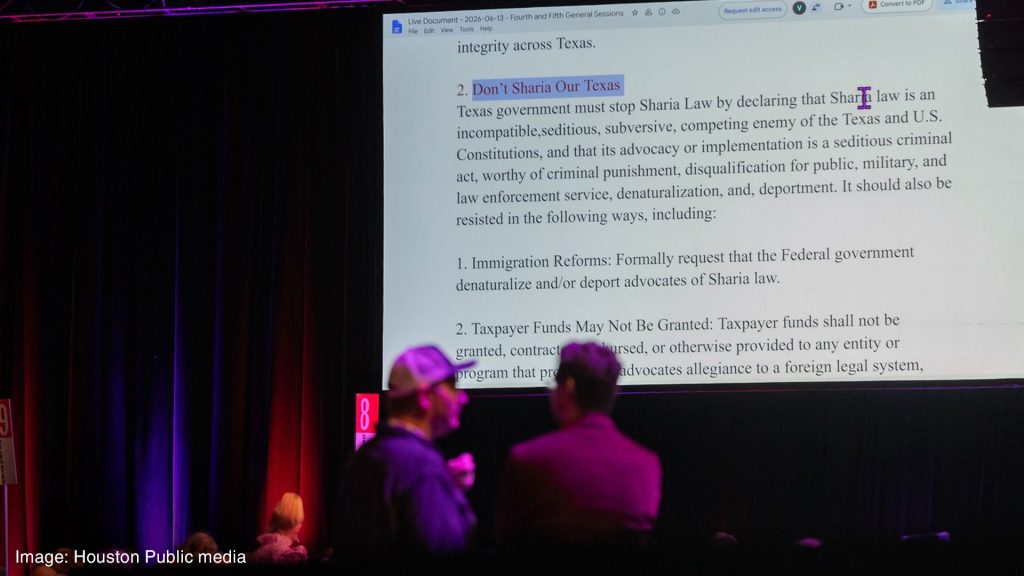
Anti-Sharia Politics Dominated The Convention
The broader convention atmosphere made the message even harder to miss.
Hussein put it plainly: “When they say Sharia-free, that means Muslim-free, no practices of Islam. No one is calling for the state to implement Sharia laws.”
State Rep. Brent Money, who founded the Sharia-Free Texas Caucus, reportedly argued that the country should be run by Christians. Some Republicans pushed back. State Rep. Mano DeAyala warned against alienating non-Christians.
But for the Muslim conservatives who came hoping to belong, the damage had already been done.
When Unity Has Limits
The Texas GOP convention said unity would drive victory.
But for Muslim conservatives who attended, the experience exposed the limits of that unity.
They came as people who shared many conservative values. Yet inside the convention, they were treated less like allies and more like suspects.
That is what makes this story matter beyond one political gathering in Houston.
It shows what happens when a party wants certain conservative values, but treats the religious identity behind some of those values as a threat.
For Mohamed Hussein, the convention answered the question he came to ask.
He wanted to know if Muslim conservatives had a place in the party.
What he found was a warning: belonging can disappear the moment identity becomes the target.
By Verity Quill | verumnetwork.com
Sources
The Texas Tribune | Muslim Republicans shunned at Texas GOP convention | June 2026 | Texas Monthly | Muslim Republicans at the Texas GOP convention | June 2026 | Houston Public Media | Texas Republican Party convention Muslims | June 2026