The Drone Plot Behind The Sentence
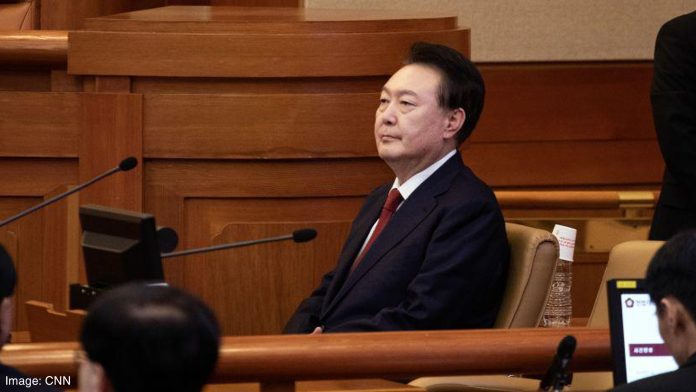
Former South Korean President Yoon Suk Yeol has been sentenced to 30 years in prison over a 2024 drone operation into North Korea.
A Seoul court found that Yoon conspired to authorize military drone flights over Pyongyang in October 2024 to create a pretext for his failed martial law attempt later that year. The court found him guilty of abuse of power and aiding the enemy, while prosecutors argued the operation was designed to heighten cross-border tensions and manufacture the conditions for emergency rule.
There is a detail in that conviction worth sitting with. Yoon spent his martial law address accusing opposition lawmakers of being North Korea-sympathizing anti-state forces. The court then convicted him of aiding the enemy, meaning aiding North Korea, by trying to provoke them into retaliation. The man who called others North Korea sympathizers was found guilty of benefiting North Korea himself.
The case centers on one of the most explosive accusations imaginable in a democracy: that a sitting president tried to use fear of North Korea as a political weapon at home.
Drones Over Pyongyang, Martial Law In Seoul
The drone flights took place in October 2024, when military drones were sent into North Korean airspace over Pyongyang. North Korea said the drones dropped propaganda leaflets, and the incident sharply raised tensions between the two Koreas.
The court later ruled that the operation was not ordinary military strategy. It said Yoon and his former defense minister sought to provoke North Korea into launching armed attacks or other serious retaliation against South Korea to manufacture a national emergency. That emergency could then justify martial law and consolidate power.
That is what makes the case so extraordinary. The alleged target was not only North Korea. It was South Korea’s own democracy.
The Martial Law Crisis That Lasted Six Hours
Yoon had already been sentenced to life in prison for leading an insurrection tied to his failed martial law declaration. The martial law order, issued in December 2024, lasted only hours before lawmakers overturned it, but it triggered one of South Korea’s deepest political crises in decades.
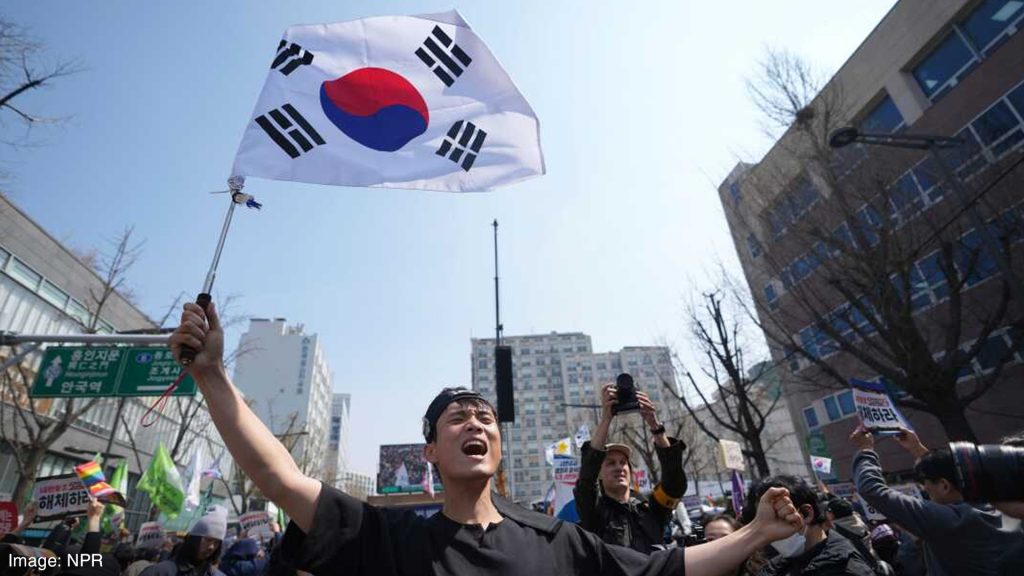
That night, shocked citizens and lawmakers ran to the National Assembly building. Soldiers had been deployed to blockade the chamber. People physically fought their way through to reach the floor. Within six hours, 190 lawmakers voted to overturn the declaration. Yoon’s cabinet was forced to lift martial law before dawn.
The 30-year drone sentence now adds another layer to that crisis. South Korea was not only judging a failed martial law order. It was judging whether the crisis itself had been partly manufactured.
The Man Who Built His Career Putting People In Prison
Before becoming president, Yoon was South Korea’s top prosecutor. He built his reputation sending people to court. He is now in a cell himself, with two sentences running simultaneously and appeals still pending.
His former defense minister Kim Yong Hyun was also sentenced to 30 years in the drone case alongside him. Former Prime Minister Han Duck-soo is serving 23 years for aiding the insurrection. Yoon’s wife, Kim Keon Hee, is in prison on separate bribery charges. The political machine Yoon built did not survive the courts.
Yoon Denies The Charges
Yoon has denied ordering or approving the drone mission. His defense argued that any military response was tied to North Korean provocations, including trash-filled balloons sent across the border into South Korea earlier that year. His lawyers have appealed the latest ruling and called the guilty verdict a threat to South Korea’s national security interests.
That denial matters, and the legal process is not finished. But the court’s ruling is already one of the most severe accountability moments against a former South Korean leader in modern history. The last time South Korea sentenced a former leader for insurrection was 1996, when Chun Doo-hwan was convicted for seizing power in a military coup.
Why This Case Matters
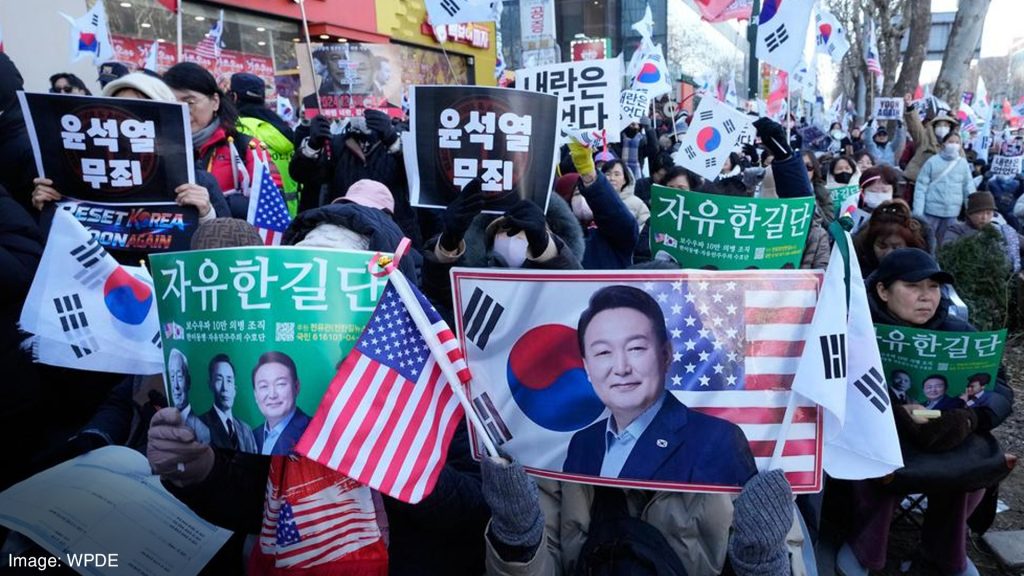
Park Ji-young watched the verdict announced on a screen outside the Seoul Central District Court. She lost her brother to political violence during the 1980 Gwangju massacre, the last time South Korea’s military turned on its own people. She told reporters she had waited her entire life to see a court hold a leader accountable for using soldiers against democracy. She was not celebrating. She was crying.
This story matters far beyond one man’s prison sentence. It shows how fear can become a political tool, especially when a leader has the power to turn national security into emergency rule. It also shows what accountability can look like when courts are willing to confront abuses at the highest level.
A president allegedly tried to turn North Korea into a crisis machine. South Korea answered with 30 years.
By Verity Quill | verumnetwork.com
SOURCES
AP News — Yoon and defense chief sentenced to 30 years for drone flights
Al Jazeera — Yoon gets 30 years over drone operation
NPR — Yoon given prison term for drone flights over Pyongyang