Isr*el Wasn’t At The Table. But Its War In Lebanon Just Emptied The Room.

Isr*el Wasn’t At The Table. But Its War In Lebanon Just Emptied The Room.

By Verity Quill

The Staff Were At The Airport. The Room Was Ready. Then Iran Said No.

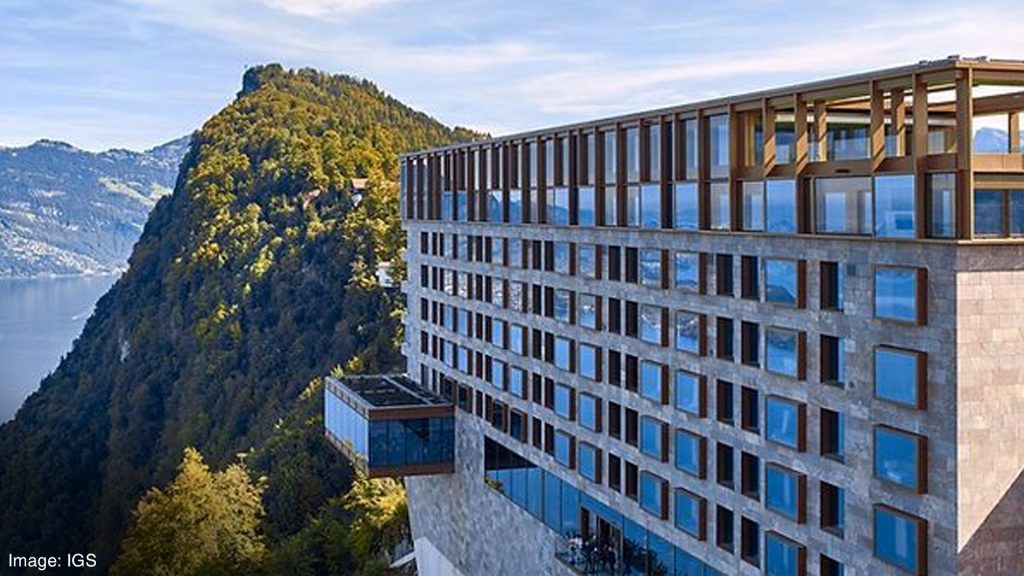
On Thursday night, JD Vance’s staff gathered at Joint Base Andrews outside Washington. Journalists assembled. Advance teams were already inside Switzerland’s Burgenstock resort near Lucerne, preparing for the vice president’s arrival. Dozens of White House officials had flown ahead. The venue was set.

Then, abruptly, the trip was cancelled. Vance would not be going.

By Friday morning, the Swiss Foreign Ministry confirmed what had become clear overnight. Planned talks between the United States and Iran to begin implementing their ceasefire deal had been postponed. No new date was given.

The reason the White House gave was logistics. The reason a US official gave Axios was something else entirely: Iran’s objections to Isr*el’s ongoing military campaign in Lebanon.

Why Iran Refused To Go To Switzerland

The deal signed between the US and Iran on Wednesday was supposed to lower the temperature across the Middle East. It called for an immediate and permanent end to military operations on all fronts, explicitly including Lebanon.
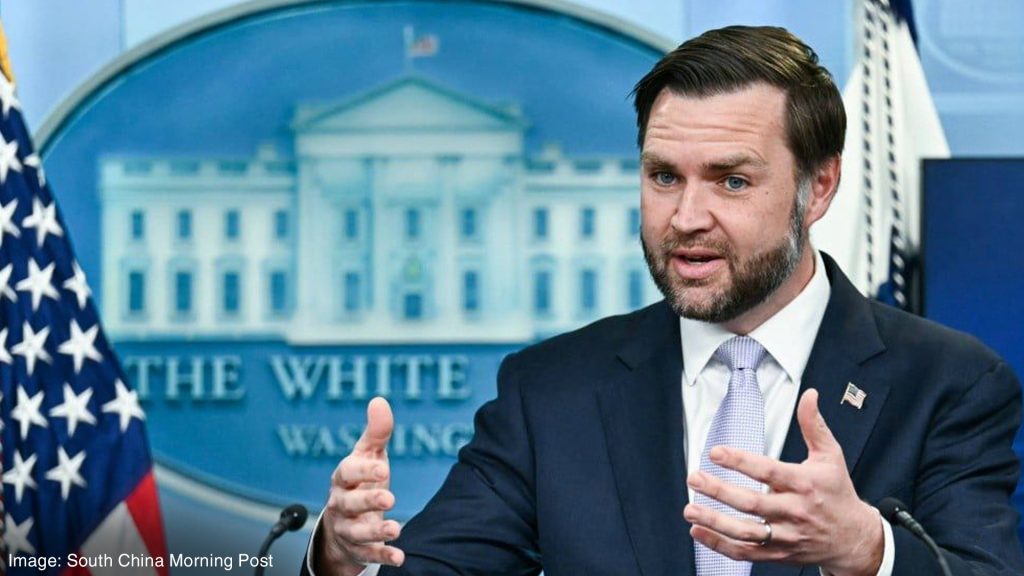
Iran’s Foreign Minister Abbas Araghchi made Tehran’s position plain. Speaking to foreign diplomats on state television, he said: “When we reached a ceasefire, we declared it across all fronts, with particular emphasis on Lebanon. Any continued occupation of Lebanese territory will be regarded by us as a violation of the memorandum of understanding.”

Isr*el’s position was equally plain. Netanyahu announced that Isr*eli forces would remain in a security zone in southern Lebanon until the Hezbollah threat was removed. Isr*eli airstrikes continued overnight into Friday, killing at least 16 people in southern Lebanon according to Al Jazeera, with four Isr*eli soldiers also killed in intense fighting.

Iran saw that as a violation. And so its delegation did not travel to Switzerland.

The Deal Was Already Fragile

The agreement announced on June 15 was meant to end the US-Iran war, reopen the Strait of Hormuz, and begin a 60-day negotiating period between Washington and Tehran. That next phase was meant to tackle the hardest issues: Iran’s nuclear programme, longer-term inspections, and what happens to a $300 billion reconstruction fund for Iran that has already become a political flashpoint inside the United States, with Trump and Vance publicly contradicting each other on who would pay for it.

None of that can happen if the talks collapse before they begin.

The deal’s 60-day clock started when the MOU was signed. Isr*el burned day one.
And the Strait of Hormuz, which carried a fifth of the world’s crude oil before the war, remains only partially open. Lloyd HYPERLINK “https://www.local10.com/news/2026/06/18/maritime-data-company-says-stranded-ships-have-begun-transiting-the-strait-of-hormuz/”‘ HYPERLINK “https://www.local10.com/news/2026/06/18/maritime-data-company-says-stranded-ships-have-begun-transiting-the-strait-of-hormuz/”s List estimates 550 merchant ships still need to exit the Persian Gulf. The main central route remains closed with an estimated 80 mines to clear. If the deal falls apart, those ships stay stuck. Oil prices stay elevated. The cost lands on ordinary people at petrol pumps and supermarket shelves worldwide.

Pakistan Was At The Centre Of This. Then Had To Cancel Too.

Pakistan mediated this deal. Prime Minister Shehbaz Sharif announced on April 8 that the ceasefire would cover “everywhere including Lebanon.” Pakistan signed the MOU. And Pakistan had also planned to attend the Switzerland talks as a mediating party.

Then Sharif cancelled his own Switzerland trip too, his spokesperson confirmed to AFP.

The country that spent months building this diplomatic architecture watched its first implementation meeting collapse in a single night.

Netanyahu Was Excluded From The Deal But Still Holds A Veto On The Ground

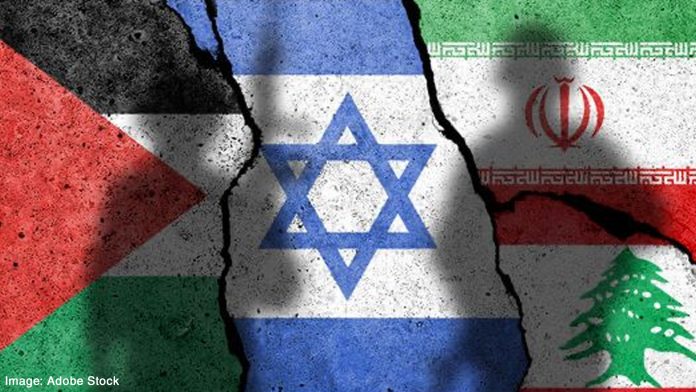
Isr*el was not a party to the US-Iran deal. It was not sitting at the Switzerland table. It did not sign the agreement. It was not invited.

But its actions in Lebanon decided whether the talks could even happen.

That is why the political picture is so blunt. One country not in the room is determining whether the room exists at all.

Vance’s Warning Shows How Isolated Isr*el Has Become

The diplomatic strain was visible before Switzerland collapsed.

At a press conference, Vance publicly stated that Trump was “the only head of state in the entire world who is sympathetic to the nation of Isr*el at this moment in time.”

That is not a defence of Isr*el. That is a warning to Netanyahu, delivered in public, that the alliance is almost entirely alone and that even Washington’s patience has limits.

Trump wanted this deal. Trump signed this deal at a candlelit dinner outside Paris. Vance was preparing to fly to Switzerland to lead the next phase. And then Lebanon dragged the deal back into crisis on its very first day of implementation.

Why This Is Bigger Than One Cancelled Meeting

Switzerland said it remains ready to facilitate future discussions. The White House said it looked forward to beginning technical talks as soon as possible. The preparatory arrangements at Burgenstock are continuing.

But the damage is already real.

The first formal step of implementation collapsed before it began. If the US cannot stop Isr*el from escalating in Lebanon, Iran has little reason to believe Washington can enforce the deal. And if Iran refuses to engage while Isr*eli attacks continue, the agreement could remain alive on paper while dying in practice.

A 60-day window is already burning. The nuclear questions remain unanswered. The reconstruction fund is already a political fight. And 550 ships are still waiting to move through a strait that is still only partially clear.

The Real Story Is The Power Of The Actor Outside The Room

The US and Iran were supposed to sit down in Switzerland and turn a ceasefire into something durable. The hotel was ready. The officials were ready. The airport team was ready.

Then Iran refused to come.

Not because Switzerland failed. Not because the paperwork disappeared. Not because the mediators gave up.

Because Isr*el kept bombing Lebanon.

Netanyahu was not invited to the table. But his war has already emptied the room.

By Verity Quill

Sources

Al Jazeera | US-Iran talks postponed | June 19, 2026

Axios | Vance Switzerland trip cancelled | June 19, 2026

The Irish Times | Switzerland talks abruptly cancelled | June 19, 2026

CBS News | Iran deal live updates | June 18-19, 2026

Al Jazeera | $300bn Iran reconstruction fund | June 18, 2026

NBC News | US-Iran deal live updates

Lloyd HYPERLINK “https://www.local10.com/news/2026/06/18/maritime-data-company-says-stranded-ships-have-begun-transiting-the-strait-of-hormuz/”‘ HYPERLINK “https://www.local10.com/news/2026/06/18/maritime-data-company-says-stranded-ships-have-begun-transiting-the-strait-of-hormuz/”s List | Strait of Hormuz shipping data | June 18, 2026

Stimson Center | US-Iran MOU analysis AFP | Pakistan PM cancels Switzerland trip | June 19, 2026
Isr*el Wasn’t At The Table. But Its War In Lebanon Just Emptied The Room.

By Verity Quill

The Staff Were At The Airport. The Room Was Ready. Then Iran Said No.

On Thursday night, JD Vance’s staff gathered at Joint Base Andrews outside Washington. Journalists assembled. Advance teams were already inside Switzerland’s Burgenstock resort near Lucerne, preparing for the vice president’s arrival. Dozens of White House officials had flown ahead. The venue was set.

Then, abruptly, the trip was cancelled. Vance would not be going.

By Friday morning, the Swiss Foreign Ministry confirmed what had become clear overnight. Planned talks between the United States and Iran to begin implementing their ceasefire deal had been postponed. No new date was given.

The reason the White House gave was logistics. The reason a US official gave Axios was something else entirely: Iran’s objections to Isr*el’s ongoing military campaign in Lebanon.

Why Iran Refused To Go To Switzerland

The deal signed between the US and Iran on Wednesday was supposed to lower the temperature across the Middle East. It called for an immediate and permanent end to military operations on all fronts, explicitly including Lebanon.

Iran’s Foreign Minister Abbas Araghchi made Tehran’s position plain. Speaking to foreign diplomats on state television, he said: “When we reached a ceasefire, we declared it across all fronts, with particular emphasis on Lebanon. Any continued occupation of Lebanese territory will be regarded by us as a violation of the memorandum of understanding.”

Isr*el’s position was equally plain. Netanyahu announced that Isr*eli forces would remain in a security zone in southern Lebanon until the Hezbollah threat was removed. Isr*eli airstrikes continued overnight into Friday, killing at least 16 people in southern Lebanon according to Al Jazeera, with four Isr*eli soldiers also killed in intense fighting.

Iran saw that as a violation. And so its delegation did not travel to Switzerland.

The Deal Was Already Fragile

The agreement announced on June 15 was meant to end the US-Iran war, reopen the Strait of Hormuz, and begin a 60-day negotiating period between Washington and Tehran. That next phase was meant to tackle the hardest issues: Iran’s nuclear programme, longer-term inspections, and what happens to a $300 billion reconstruction fund for Iran that has already become a political flashpoint inside the United States, with Trump and Vance publicly contradicting each other on who would pay for it.

None of that can happen if the talks collapse before they begin.

The deal’s 60-day clock started when the MOU was signed. Isr*el burned day one.

And the Strait of Hormuz, which carried a fifth of the world’s crude oil before the war, remains only partially open. Lloyd HYPERLINK “https://www.local10.com/news/2026/06/18/maritime-data-company-says-stranded-ships-have-begun-transiting-the-strait-of-hormuz/”‘ HYPERLINK “https://www.local10.com/news/2026/06/18/maritime-data-company-says-stranded-ships-have-begun-transiting-the-strait-of-hormuz/”s List estimates 550 merchant ships still need to exit the Persian Gulf. The main central route remains closed with an estimated 80 mines to clear. If the deal falls apart, those ships stay stuck. Oil prices stay elevated. The cost lands on ordinary people at petrol pumps and supermarket shelves worldwide.

Pakistan Was At The Centre Of This. Then Had To Cancel Too.

Pakistan mediated this deal. Prime Minister Shehbaz Sharif announced on April 8 that the ceasefire would cover “everywhere including Lebanon.” Pakistan signed the MOU. And Pakistan had also planned to attend the Switzerland talks as a mediating party.

Then Sharif cancelled his own Switzerland trip too, his spokesperson confirmed to AFP.

The country that spent months building this diplomatic architecture watched its first implementation meeting collapse in a single night.

Netanyahu Was Excluded From The Deal But Still Holds A Veto On The Ground

Isr*el was not a party to the US-Iran deal. It was not sitting at the Switzerland table. It did not sign the agreement. It was not invited.

But its actions in Lebanon decided whether the talks could even happen.

That is why the political picture is so blunt. One country not in the room is determining whether the room exists at all.

Vance’s Warning Shows How Isolated Isr*el Has Become

The diplomatic strain was visible before Switzerland collapsed.

At a press conference, Vance publicly stated that Trump was “the only head of state in the entire world who is sympathetic to the nation of Isr*el at this moment in time.”

That is not a defence of Isr*el. That is a warning to Netanyahu, delivered in public, that the alliance is almost entirely alone and that even Washington’s patience has limits.

Trump wanted this deal. Trump signed this deal at a candlelit dinner outside Paris. Vance was preparing to fly to Switzerland to lead the next phase. And then Lebanon dragged the deal back into crisis on its very first day of implementation.

Why This Is Bigger Than One Cancelled Meeting

Switzerland said it remains ready to facilitate future discussions. The White House said it looked forward to beginning technical talks as soon as possible. The preparatory arrangements at Burgenstock are continuing.

But the damage is already real.

The first formal step of implementation collapsed before it began. If the US cannot stop Isr*el from escalating in Lebanon, Iran has little reason to believe Washington can enforce the deal. And if Iran refuses to engage while Isr*eli attacks continue, the agreement could remain alive on paper while dying in practice.

A 60-day window is already burning. The nuclear questions remain unanswered. The reconstruction fund is already a political fight. And 550 ships are still waiting to move through a strait that is still only partially clear.

The Real Story Is The Power Of The Actor Outside The Room

The US and Iran were supposed to sit down in Switzerland and turn a ceasefire into something durable. The hotel was ready. The officials were ready. The airport team was ready.

Then Iran refused to come.

Not because Switzerland failed. Not because the paperwork disappeared. Not because the mediators gave up.

Because Isr*el kept bombing Lebanon.

Netanyahu was not invited to the table. But his war has already emptied the room.

By Verity Quill

Sources

Al Jazeera | US-Iran talks postponed | June 19, 2026

Axios | Vance Switzerland trip cancelled | June 19, 2026

The Irish Times | Switzerland talks abruptly cancelled | June 19, 2026

CBS News | Iran deal live updates | June 18-19, 2026

Al Jazeera | $300bn Iran reconstruction fund | June 18, 2026

NBC News | US-Iran deal live updates

Lloyd HYPERLINK “https://www.local10.com/news/2026/06/18/maritime-data-company-says-stranded-ships-have-begun-transiting-the-strait-of-hormuz/”‘ HYPERLINK “https://www.local10.com/news/2026/06/18/maritime-data-company-says-stranded-ships-have-begun-transiting-the-strait-of-hormuz/”s List | Strait of Hormuz shipping data | June 18, 2026

Stimson Center | US-Iran MOU analysis AFP | Pakistan PM cancels Switzerland trip | June 19, 2026

spot_img

Explore more

spot_img
Global Affairs

British Muslims Say They No Longer Feel Safe. The Attacks Are...

Britain Is Getting Its Seventh Prime Minister In A Decade.

Pakistan Helped Build A Peace Roadmap in Switzerland. Isr*el And Its...

The Lebanon Ceasefire Was Supposed To Stop The Strikes. It Barely...

The Plan To End Al-Aqsa Has Already Started.

Congress Just Made Isr*el Harder To Hold Accountable

The War On Pakistan’s Trade Routes

A President Tried To Manufacture A War Scare. South Korea Gave...