Nitin Gadkari Ethanol Controversy Explained: Why E20 Fuel Has Become a Political Debate
Isla Montclair
Nitin Gadkari E20 Ethanol Policy Sparks Debate
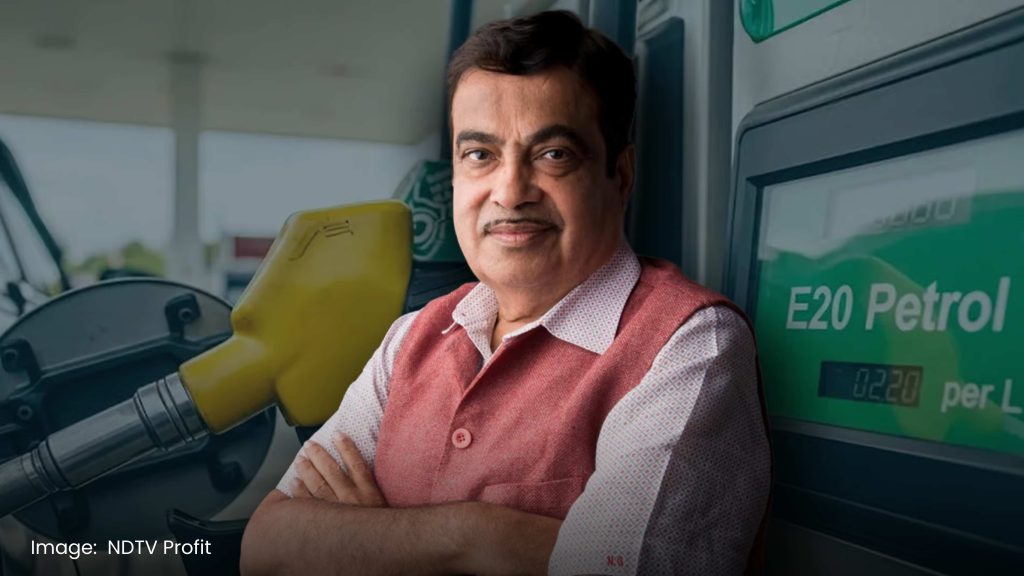
India’s Union Minister for Road Transport and Highways Nitin Gadkari has been facing criticism over the government’s E20 ethanol blending policy, which aims to mix 20% ethanol with petrol.
The policy is part of India’s effort to reduce dependence on imported crude oil, lower emissions and support domestic biofuel production. Gadkari has repeatedly defended ethanol blending, saying alternative fuels can help farmers become energy producers and reduce India’s fuel import burden.
However, the rollout has triggered public debate, with critics questioning whether the transition benefits consumers, vehicles and the environment.
E20 Fuel Controversy Over Vehicle Concerns
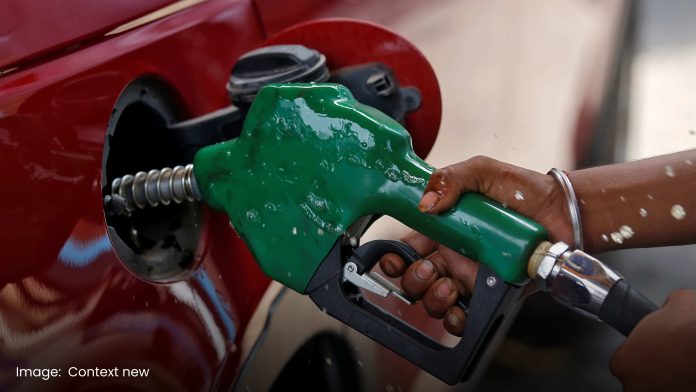
One of the biggest concerns surrounding E20 petrol is its impact on vehicles.
Critics argue that some older vehicles were not designed for higher ethanol blends and could face issues related to mileage, engine performance and long term maintenance.
Gadkari has rejected these concerns, saying that E20 fuel has undergone testing and that claims about widespread vehicle damage are incorrect. He has also accused critics of spreading misinformation and linked some criticism to groups affected by changes in the fuel market.
The debate continues because while newer vehicles are increasingly designed for ethanol blends, questions remain about older vehicles already on Indian roads.
Conflict Of Interest Allegations Against Gadkari
Another major controversy involves allegations of conflict of interest.
Opposition leaders and critics have questioned whether companies connected to Gadkari’s family could benefit from increased ethanol demand. Reports have highlighted discussions around companies linked to his family and their growth during the expansion of ethanol policies.
Gadkari has denied any wrongdoing and rejected claims that his personal interests influenced government policy. He has argued that the ethanol programme is focused on national energy security and farmer benefits.
Water Crisis Debate Around Ethanol Production
The controversy expanded further after concerns were raised about water usage in ethanol production.
Critics argue that producing ethanol, especially from water intensive crops like sugarcane, can put pressure on water resources at a time when several Indian regions face shortages.
Some environmental groups and political opponents have questioned whether promoting ethanol production could increase pressure on agriculture and groundwater supplies.
Supporters of the policy argue that ethanol production can use different sources, including crops and agricultural byproducts, and that the programme aims to create economic opportunities for farmers.
The debate has therefore become a larger argument about balancing energy independence with environmental sustainability.
Viral Nitin Gadkari Outburst Adds To Criticism
The controversy gained more attention after a video of Gadkari at a public event went viral.
In the clip, an attendee questioned him over fuel policy and previous statements related to petrol prices. Gadkari responded angrily and asked the person to leave, leading to criticism over how public representatives respond to questions.
The incident intensified online discussion around the E20 policy and added a personal dimension to an already heated political debate.
Gadkari’s Defence Of Ethanol Blending
Gadkari has continued defending ethanol blending as a key part of India’s energy strategy.
He argues that reducing dependence on imported oil will strengthen India’s economy and that ethanol can provide new opportunities for farmers. He has also said criticism of the policy is influenced by groups with interests in traditional fuel markets.
The government has presented ethanol blending as part of a wider push toward cleaner fuels and energy independence.
The Bigger Question Around India’s Fuel Future
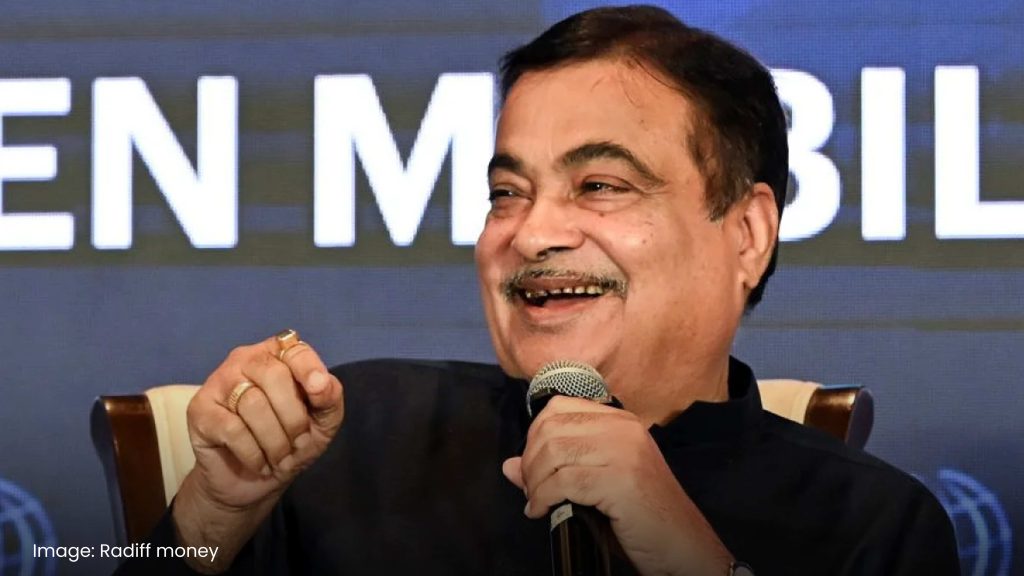
The Gadkari ethanol controversy reflects a wider debate about India’s energy transition.
Supporters see ethanol blending as a way to reduce oil imports and support agriculture. Critics question the environmental costs, consumer impact and transparency around policy decisions.
The debate is likely to continue as India expands alternative fuel policies and balances economic goals with concerns over sustainability and public interest.
Sources
“Petrol Lobby Is Rich”: Gadkari’s BIG Statement Amid E20 Fuel Backlash
Livemint Article
Petroleum lobby creating ethanol controversy, says Nitin Gadkari
Moneycontrol Article
Allegations work of powerful lobby hit by ethanol blending of petrol: Nitin Gadkari
The Economic Times Article