
Venezuela, Iran, Cuba: The Oil Pattern Behind Trump’s Three Targets

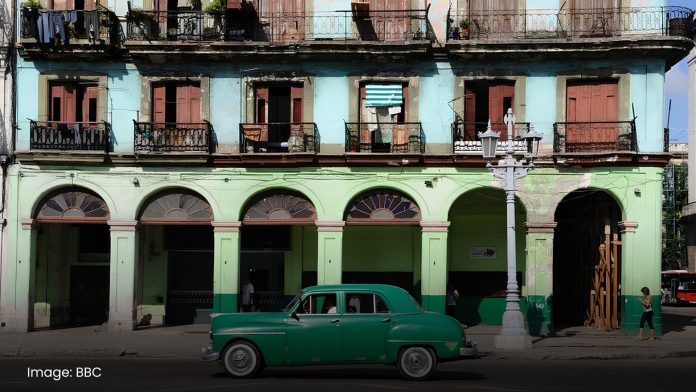
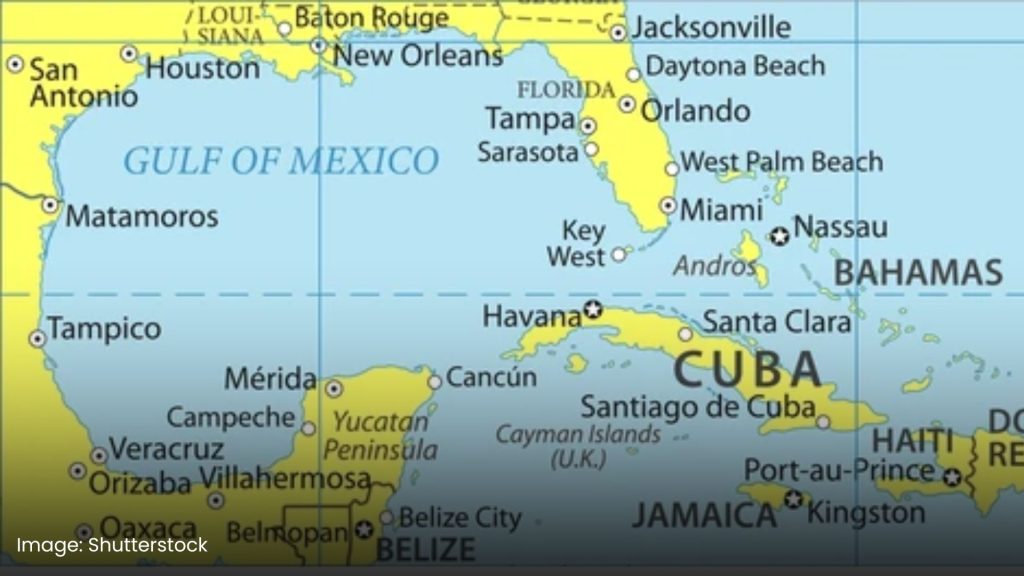
The Pentagon has developed early stage military options for a potential operation in Cuba, including a large scale air assault led by the US Army’s 101st Airborne Division, according to CBS News. Officials stress that no decision has been made and that an operation is unlikely in the near term, given the US military’s current focus on Iran. But Cuba is now the third country in six months to draw serious US military planning, following operations against Venezuela and Iran, and analysts are increasingly pointing to a pattern connecting all three, oil.

What Is Actually Happening in Cuba Right Now

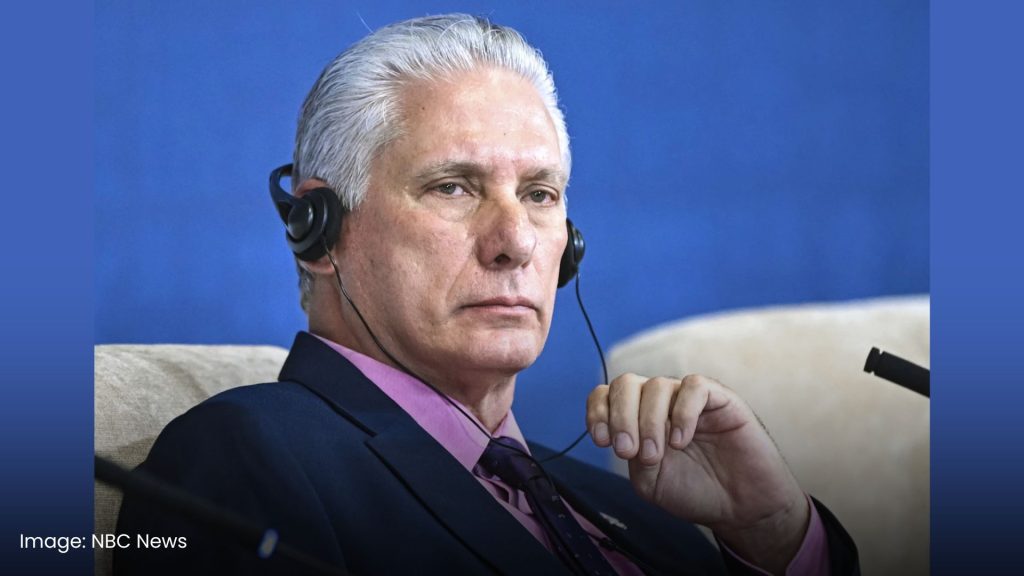
According to CBS News, senior Pentagon officials held a concept of operations briefing in late June to examine possible missions, troop requirements and logistics for action against Cuba. Any operation would compete for resources already committed to the restarted war against Iran. The review comes as Washington accuses Havana of acquiring attack drones of unknown origin and deepening ties with Russia, China and Iran, allegations Cuba has not fully addressed publicly. Secretary of State Marco Rubio has said the US prefers a diplomatic transition led by reform minded technocrats, tightening financial pressure on Cuba’s military conglomerate GAESA in the meantime. Cuban President Miguel Diaz-Canel has vowed the country will resist any military aggression, even as Cuba has moved to open its economy to foreign capital and private business, a shift that mirrors changes Venezuela made under similar US pressure.
The Venezuela Operation That Came First

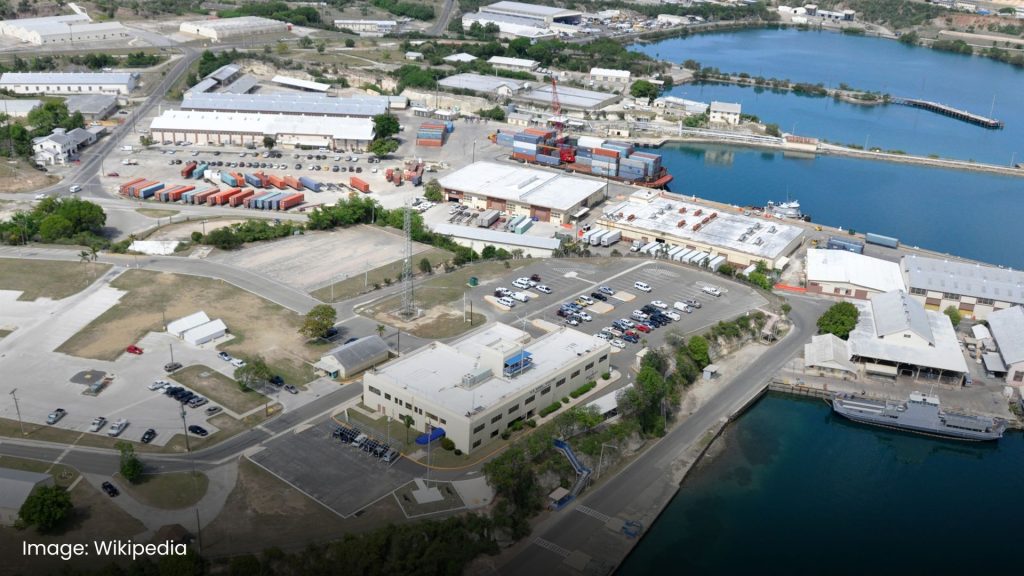
In January 2026, US forces carried out Operation Absolute Resolve, abducting Venezuelan President Nicolas Maduro and his wife on drug trafficking allegations. Venezuela holds the world’s largest proven oil reserves, roughly 17 percent of the global total, and the operation was followed by reports of a planned 100 billion dollar US investment push into Venezuela’s oil sector, even as the stated justification centered on narcotics and regional security.

The Iran War That Followed

Weeks later, the US and Israel launched Operation Epic Fury against Iran, killing top Iranian leadership including Ayatollah Ali Khamenei. The stated goal was eliminating Iran’s nuclear weapons capability, though some officials, including a resigning National Counterterrorism Center director, have publicly questioned whether Iran posed an imminent threat at all. Iran holds around 12 percent of global oil reserves. Analysts have noted that during the conflict, Trump expressed particular interest in controlling Iran’s Kharg Island oil terminal, and that the US, Venezuela and Iran combined hold close to a third of the world’s proven oil reserves.

Why Cuba Is a More Complicated Case

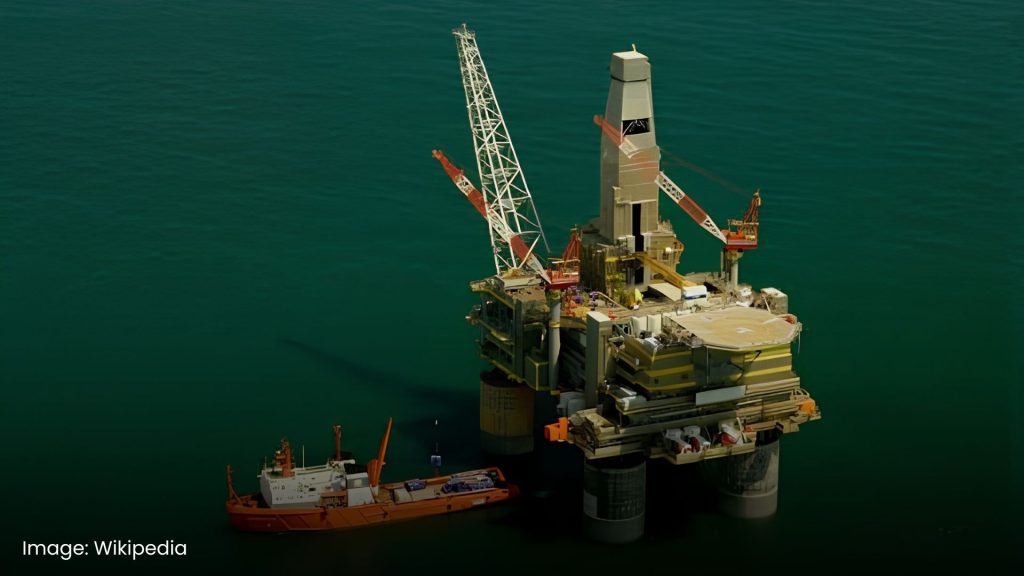
Cuba does not currently rank among major oil producers, holding roughly 124 billion barrels in proven reserves, ranking 67th globally. But US and Cuban geological surveys estimate recoverable offshore reserves between 4.6 and 20 billion barrels, potential that could place Cuba among the top oil holders in the Western Hemisphere behind only Venezuela and Canada. Extracting it would require deepwater drilling technology largely controlled by US companies, technology Cuba cannot access under the current sanctions regime. Some analysts argue this creates a structural bind, Cuba stays energy dependent and economically strained specifically because the same country blocking its energy independence is the one pressuring it over that dependence.

The Official Justifications vs the Emerging Pattern

Each country has been framed around a different official threat, drug trafficking in Venezuela, nuclear weapons in Iran, hostile foreign alliances in Cuba. In each case, oil access has followed as a quiet outcome rather than a stated goal. Trump’s January 2025 executive order establishing the National Energy Dominance Council explicitly prioritized long term energy production, and his administration has consistently pursued oil access over renewable energy investment across its broader foreign policy.
What This Means Going Forward

None of this confirms oil is the deciding factor behind US actions in Cuba, and officials continue to frame the pressure campaign around security and democratic reform. But with Venezuela and Iran both fitting a similar profile, oil rich nations facing designated national security threats followed by resource focused outcomes, Cuba’s inclusion in this pattern, however early stage, is drawing serious analytical attention well before any military decision is actually made.

Sources:

·  Senior defense officials looking at Cuba military options — CBS News: https://www.cbsnews.com/news/cuba-military-options-pentagon/

·  Report: Pentagon Reviews Possible Cuba Military Options Including 101st Airborne Assault Plan — YourNews: https://yournews.com/2026/07/16/7112886/report-pentagon-reviews-possible-cuba-military-options-including-101st-airborne/ ·  Report: Pentagon options for potential attack on Cuba include large scale air assault — KDH News: https://kdhnews.com/news/world/report-pentagon-options-for-potential-attack-on-cuba-include-large-scale-air-assault/article_a53f1043-e59d-5985-bd17-337a17a3617d.html
The Pentagon has developed early stage military options for a potential operation in Cuba, including a large scale air assault led by the US Army’s 101st Airborne Division, according to CBS News. Officials stress that no decision has been made and that an operation is unlikely in the near term, given the US military’s current focus on Iran. But Cuba is now the third country in six months to draw serious US military planning, following operations against Venezuela and Iran, and analysts are increasingly pointing to a pattern connecting all three, oil.

What Is Actually Happening in Cuba Right Now

According to CBS News, senior Pentagon officials held a concept of operations briefing in late June to examine possible missions, troop requirements and logistics for action against Cuba. Any operation would compete for resources already committed to the restarted war against Iran. The review comes as Washington accuses Havana of acquiring attack drones of unknown origin and deepening ties with Russia, China and Iran, allegations Cuba has not fully addressed publicly. Secretary of State Marco Rubio has said the US prefers a diplomatic transition led by reform minded technocrats, tightening financial pressure on Cuba’s military conglomerate GAESA in the meantime. Cuban President Miguel Diaz-Canel has vowed the country will resist any military aggression, even as Cuba has moved to open its economy to foreign capital and private business, a shift that mirrors changes Venezuela made under similar US pressure.

The Venezuela Operation That Came First

In January 2026, US forces carried out Operation Absolute Resolve, abducting Venezuelan President Nicolas Maduro and his wife on drug trafficking allegations. Venezuela holds the world’s largest proven oil reserves, roughly 17 percent of the global total, and the operation was followed by reports of a planned 100 billion dollar US investment push into Venezuela’s oil sector, even as the stated justification centered on narcotics and regional security.

The Iran War That Followed

Weeks later, the US and Israel launched Operation Epic Fury against Iran, killing top Iranian leadership including Ayatollah Ali Khamenei. The stated goal was eliminating Iran’s nuclear weapons capability, though some officials, including a resigning National Counterterrorism Center director, have publicly questioned whether Iran posed an imminent threat at all. Iran holds around 12 percent of global oil reserves. Analysts have noted that during the conflict, Trump expressed particular interest in controlling Iran’s Kharg Island oil terminal, and that the US, Venezuela and Iran combined hold close to a third of the world’s proven oil reserves.

Why Cuba Is a More Complicated Case

Cuba does not currently rank among major oil producers, holding roughly 124 billion barrels in proven reserves, ranking 67th globally. But US and Cuban geological surveys estimate recoverable offshore reserves between 4.6 and 20 billion barrels, potential that could place Cuba among the top oil holders in the Western Hemisphere behind only Venezuela and Canada. Extracting it would require deepwater drilling technology largely controlled by US companies, technology Cuba cannot access under the current sanctions regime. Some analysts argue this creates a structural bind, Cuba stays energy dependent and economically strained specifically because the same country blocking its energy independence is the one pressuring it over that dependence.

The Official Justifications vs the Emerging Pattern

Each country has been framed around a different official threat, drug trafficking in Venezuela, nuclear weapons in Iran, hostile foreign alliances in Cuba. In each case, oil access has followed as a quiet outcome rather than a stated goal. Trump’s January 2025 executive order establishing the National Energy Dominance Council explicitly prioritized long term energy production, and his administration has consistently pursued oil access over renewable energy investment across its broader foreign policy.

What This Means Going Forward

None of this confirms oil is the deciding factor behind US actions in Cuba, and officials continue to frame the pressure campaign around security and democratic reform. But with Venezuela and Iran both fitting a similar profile, oil rich nations facing designated national security threats followed by resource focused outcomes, Cuba’s inclusion in this pattern, however early stage, is drawing serious analytical attention well before any military decision is actually made.

Sources:

·  Senior defense officials looking at Cuba military options — CBS News: https://www.cbsnews.com/news/cuba-military-options-pentagon/

·  Report: Pentagon Reviews Possible Cuba Military Options Including 101st Airborne Assault Plan — YourNews: https://yournews.com/2026/07/16/7112886/report-pentagon-reviews-possible-cuba-military-options-including-101st-airborne/ ·  Report: Pentagon options for potential attack on Cuba include large scale air assault — KDH News: https://kdhnews.com/news/world/report-pentagon-options-for-potential-attack-on-cuba-include-large-scale-air-assault/article_a53f1043-e59d-5985-bd17-337a17a3617d.html

spot_img

Explore more

spot_img
Global Affairs

France Bans Social Media for Kids Under 15

Satellite Images Show Israel’s Is Building a Wall Going Past Gaza’s...

US to Let Saudi Enrich Uranium, the Same Thing It Fought...

Delaware County’s First Muslim Sheriff Targeted With Racist Death Threats

Gaza’s Population Has Dropped by Nearly 10 Percent Since October 2023

US Senators Push Bill to Punish India and China for Buying...

Behind the Cockroach Protests: A Broken Exam System That’s Cost Students...

The 2026 World Cup’s Real Price Tag: Billions Lost Before a...