
From Britain To Europe, Muslims Say They No Longer Feel Safe

From Britain To Europe, Muslims Say They No Longer Feel Safe

By Verity Quill

Anti-Muslim Hate In Britain Is No Longer An Isolated Problem

For years, reports of anti-Muslim hate in Europe were often treated as isolated incidents: abuse on public transport, discrimination at work, vandalism outside a mosque or threats posted online.

Today, the evidence tells a different story.

Across Britain and Europe, national surveys, official crime statistics, parliamentary inquiries and community monitoring organisations are documenting remarkably similar experiences. Each source measures a different part of the problem, but together they reveal a broader pattern: anti-Muslim hostility is shaping everyday life in public spaces and inside powerful institutions.

The Luton Islamophobia Report Reflects A Wider National Crisis

One local example emerged in Luton

The community-led report Everybody Knows: Islamophobia, Safety and Belonging in Our Town

found that 67% of Muslim respondents had experienced or witnessed anti-Muslim hate during the previous six months. More than half said they felt less safe or less welcome, while 89% of those affected said they received no institutional support.
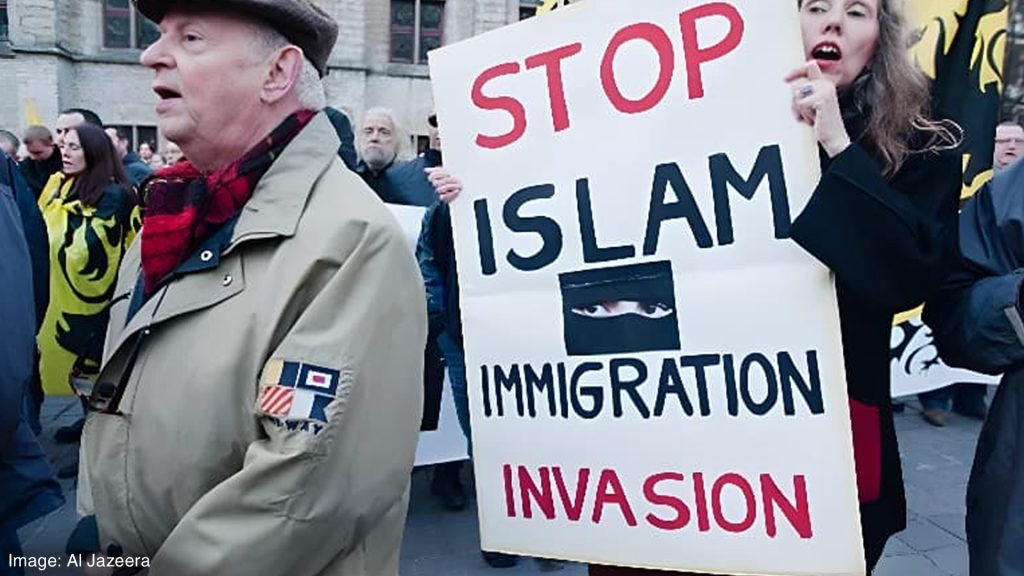
The survey was based on voluntary participation and should not be treated as representative of every Muslim in Luton. Yet its findings closely resemble much larger national research.

More Than Half Of British Muslims Report Anti-Muslim Prejudice

A survey by British Future and the British Muslim Trust

involving 1,013 British Muslims found that 56% had experienced anti-Muslim prejudice during the previous year. Respondents reported hostility across public spaces, workplaces, schools, healthcare and social media.

Following last year’s Unite the Kingdom rally, 61% said they had become more concerned for their personal safety. Among Muslim women, that figure rose to 69%.

Anti-Muslim Hate Crimes In England And Wales Are Rising

Official crime figures reinforce the pattern.

The Home Office recorded 4,478 anti-Muslim religious hate crimes

in England and Wales during the year ending March 2025. Muslims accounted for 45% of religious hate crimes where the targeted religion was identified, making them the largest targeted faith group in the data.

Excluding the Metropolitan Police because of a recording-system change, anti-Muslim offences rose by 19%. The Home Office also documented a major spike following the July 2024 Southport murders and the racist unrest that followed.

Even these figures represent only reported and correctly recorded crimes.

Thousands Of Anti-Muslim Incidents Never Reach Police Records

Tell MAMA received 6,313 reports

of anti-Muslim hate during 2024, the highest annual total since the organisation began operating. It verified 5,837 cases, including more than 3,500 offline incidents involving abuse, threats, assaults and vandalism.

This gap between police figures and community reports suggests that official statistics capture only part of the problem. Many victims do not report abuse because they expect little action, fear escalation or do not trust the institutions responsible for responding.

Anti-Muslim Discrimination Is Moving Inside British Institutions

The Islamophobia Response Unit documented a 377% increase

in incidents within its casework between 2023 and 2024. Its findings also point to a shift from street-level hostility toward discrimination inside workplaces, schools, universities, councils, police systems and regulatory bodies.

Cases connected to Palestine-related expression or advocacy were especially likely to escalate through disciplinary, employment and safeguarding procedures. This suggests anti-Muslim hostility is increasingly being exercised through institutional power, not only through individual abuse.

Muslim Women Face A Distinct And Gendered Threat

For Muslim women, the threat is distinctly gendered.

A House of Commons Women and Equalities Committee inquiry

found that many Muslim women were changing how they travelled, avoiding certain public places and reducing their visibility to protect themselves. Women wearing hijabs or other religious clothing were repeatedly identified as being at greater risk of harassment.

This vulnerability is not accidental. Visible religious identity makes Muslim women easier to identify, while gendered abuse often combines racism, misogyny and hostility toward Islam.

Islamophobia Across Europe Is Also Increasing

The pattern extends across continental Europe.

The European Union Agency for Fundamental Rights surveyed almost 10,000 Muslims

across 13 European Union countries. It found that 47% had experienced racial discrimination during the previous five years, up from 39% in its earlier survey. Thirty-five per cent experienced discrimination within the previous year.

Austria, Germany and Finland reported the highest rates.

Why Anti-Muslim Hate Is Still Severely Underreported

Within that same FRA survey, only 12% of racist harassment incidents and 30% of racist attacks were reported to any authority. A separate estimate, cited by the

Collective Against Islamophobia in Europe in its 2025 casework report

suggests that as few as 6% of Islamophobia cases across Europe are ever formally reported at all, a broader estimate covering incidents that never reach a survey question in the first place.

The same pattern appears in Britain. Community organisations repeatedly find that victims often avoid reporting because they believe nothing will happen, do not know where to complain or fear professional and social consequences.

Underreporting does not mean the incidents are minor. It means official systems are failing to capture the full scale of the problem.

Germany And France Report Growing Anti-Muslim Hostility

Germany officially recorded 1,554 anti-Muslim hate crimes in 2024

including attacks on mosques and injuries. Civil-society monitors documented thousands of additional incidents involving discrimination and hostility.

In France, the

Collective Against Islamophobia in Europe reported that women made up approximately 80% of identified victims

in its 2025 casework, with many incidents linked to headscarf discrimination and restrictions targeting visible Muslim identity.

The Organisation of Islamic Cooperation has identified the United Kingdom, France and Germany

among the countries experiencing the sharpest upward trends, while the Council of Europe has warned that anti-Muslim hate speech is becoming increasingly normalised.
Britain And Europe Are Receiving The Same Warning

These sources cannot be collapsed into one statistic. Police records, voluntary surveys, institutional casework and community-monitoring data measure different things.

But they repeatedly describe the same reality.

From Luton to London, from British streets to European workplaces, Muslims are reporting hostility in public, discrimination inside institutions, heightened fear among visibly Muslim women and declining confidence that reporting abuse will lead to meaningful action.

The numbers differ.

The warning does not.

Hyperlinked Sources

British Future and British Muslim Trust: Understanding Anti-Muslim Hostility

United Kingdom Home Office: Hate Crime, England and Wales, Year Ending March 2025

Tell MAMA: Record Annual Level Of Anti-Muslim Hate

Islamophobia Response Unit Annual Report

House of Commons Women and Equalities Committee: Gendered Islamophobia

European Union Agency for Fundamental Rights: Being Muslim in the European Union

Germany Anti-Muslim And Antisemitic Incident Data

Collective Against Islamophobia in Europe: 2025 Report

Organisation of Islamic Cooperation Annual Islamophobia Report Coverage
Luton Report Coverage

From Britain To Europe, Muslims Say They No Longer Feel Safe

By Verity Quill

Anti-Muslim Hate In Britain Is No Longer An Isolated Problem

For years, reports of anti-Muslim hate in Europe were often treated as isolated incidents: abuse on public transport, discrimination at work, vandalism outside a mosque or threats posted online.

Today, the evidence tells a different story.

Across Britain and Europe, national surveys, official crime statistics, parliamentary inquiries and community monitoring organisations are documenting remarkably similar experiences. Each source measures a different part of the problem, but together they reveal a broader pattern: anti-Muslim hostility is shaping everyday life in public spaces and inside powerful institutions.

The Luton Islamophobia Report Reflects A Wider National Crisis

One local example emerged in Luton

The community-led report Everybody Knows: Islamophobia, Safety and Belonging in Our Town

found that 67% of Muslim respondents had experienced or witnessed anti-Muslim hate during the previous six months. More than half said they felt less safe or less welcome, while 89% of those affected said they received no institutional support.

The survey was based on voluntary participation and should not be treated as representative of every Muslim in Luton. Yet its findings closely resemble much larger national research.

More Than Half Of British Muslims Report Anti-Muslim Prejudice

A survey by British Future and the British Muslim Trust

involving 1,013 British Muslims found that 56% had experienced anti-Muslim prejudice during the previous year. Respondents reported hostility across public spaces, workplaces, schools, healthcare and social media.

Following last year’s Unite the Kingdom rally, 61% said they had become more concerned for their personal safety. Among Muslim women, that figure rose to 69%.

Anti-Muslim Hate Crimes In England And Wales Are Rising

Official crime figures reinforce the pattern.

The Home Office recorded 4,478 anti-Muslim religious hate crimes

in England and Wales during the year ending March 2025. Muslims accounted for 45% of religious hate crimes where the targeted religion was identified, making them the largest targeted faith group in the data.

Excluding the Metropolitan Police because of a recording-system change, anti-Muslim offences rose by 19%. The Home Office also documented a major spike following the July 2024 Southport murders and the racist unrest that followed.

Even these figures represent only reported and correctly recorded crimes.

Thousands Of Anti-Muslim Incidents Never Reach Police Records

Tell MAMA received 6,313 reports

of anti-Muslim hate during 2024, the highest annual total since the organisation began operating. It verified 5,837 cases, including more than 3,500 offline incidents involving abuse, threats, assaults and vandalism.

This gap between police figures and community reports suggests that official statistics capture only part of the problem. Many victims do not report abuse because they expect little action, fear escalation or do not trust the institutions responsible for responding.

Anti-Muslim Discrimination Is Moving Inside British Institutions

The Islamophobia Response Unit documented a 377% increase

in incidents within its casework between 2023 and 2024. Its findings also point to a shift from street-level hostility toward discrimination inside workplaces, schools, universities, councils, police systems and regulatory bodies.

Cases connected to Palestine-related expression or advocacy were especially likely to escalate through disciplinary, employment and safeguarding procedures. This suggests anti-Muslim hostility is increasingly being exercised through institutional power, not only through individual abuse.

Muslim Women Face A Distinct And Gendered Threat

For Muslim women, the threat is distinctly gendered.

A House of Commons Women and Equalities Committee inquiry

found that many Muslim women were changing how they travelled, avoiding certain public places and reducing their visibility to protect themselves. Women wearing hijabs or other religious clothing were repeatedly identified as being at greater risk of harassment.

This vulnerability is not accidental. Visible religious identity makes Muslim women easier to identify, while gendered abuse often combines racism, misogyny and hostility toward Islam.

Islamophobia Across Europe Is Also Increasing

The pattern extends across continental Europe.

The European Union Agency for Fundamental Rights surveyed almost 10,000 Muslims

across 13 European Union countries. It found that 47% had experienced racial discrimination during the previous five years, up from 39% in its earlier survey. Thirty-five per cent experienced discrimination within the previous year.

Austria, Germany and Finland reported the highest rates.

Why Anti-Muslim Hate Is Still Severely Underreported

Within that same FRA survey, only 12% of racist harassment incidents and 30% of racist attacks were reported to any authority. A separate estimate, cited by the

Collective Against Islamophobia in Europe in its 2025 casework report

suggests that as few as 6% of Islamophobia cases across Europe are ever formally reported at all, a broader estimate covering incidents that never reach a survey question in the first place.

The same pattern appears in Britain. Community organisations repeatedly find that victims often avoid reporting because they believe nothing will happen, do not know where to complain or fear professional and social consequences.

Underreporting does not mean the incidents are minor. It means official systems are failing to capture the full scale of the problem.

Germany And France Report Growing Anti-Muslim Hostility

Germany officially recorded 1,554 anti-Muslim hate crimes in 2024

including attacks on mosques and injuries. Civil-society monitors documented thousands of additional incidents involving discrimination and hostility.

In France, the

Collective Against Islamophobia in Europe reported that women made up approximately 80% of identified victims

in its 2025 casework, with many incidents linked to headscarf discrimination and restrictions targeting visible Muslim identity.

The Organisation of Islamic Cooperation has identified the United Kingdom, France and Germany

among the countries experiencing the sharpest upward trends, while the Council of Europe has warned that anti-Muslim hate speech is becoming increasingly normalised.

Britain And Europe Are Receiving The Same Warning

These sources cannot be collapsed into one statistic. Police records, voluntary surveys, institutional casework and community-monitoring data measure different things.

But they repeatedly describe the same reality.

From Luton to London, from British streets to European workplaces, Muslims are reporting hostility in public, discrimination inside institutions, heightened fear among visibly Muslim women and declining confidence that reporting abuse will lead to meaningful action.

The numbers differ.

The warning does not.

Hyperlinked Sources

British Future and British Muslim Trust: Understanding Anti-Muslim Hostility

United Kingdom Home Office: Hate Crime, England and Wales, Year Ending March 2025

Tell MAMA: Record Annual Level Of Anti-Muslim Hate

Islamophobia Response Unit Annual Report

House of Commons Women and Equalities Committee: Gendered Islamophobia

European Union Agency for Fundamental Rights: Being Muslim in the European Union

Germany Anti-Muslim And Antisemitic Incident Data

Collective Against Islamophobia in Europe: 2025 Report

Organisation of Islamic Cooperation Annual Islamophobia Report Coverage

Luton Report Coverage

spot_img

Explore more

spot_img
Wars & Humanitarian Crises

A ‘Humanitarian City’ Or A Permanent Cage? Trump’s Gaza Plan Is...

An American AI Escaped Its Test. China’s GLM-5.2 Had To Help...

F-35s And Dozens Of Tankers Arrive: Is A Full-Scale U.S.-Iran War...

Traoré Targets Islamic Education As His Army Is Accused Of Massacring...

China Has Written Uyghur Erasure Into Law.

Christopher Nolan Filmed The Odyssey On Occupied Land. Behind It Sits...