AIPAC’s Record Michigan Intervention
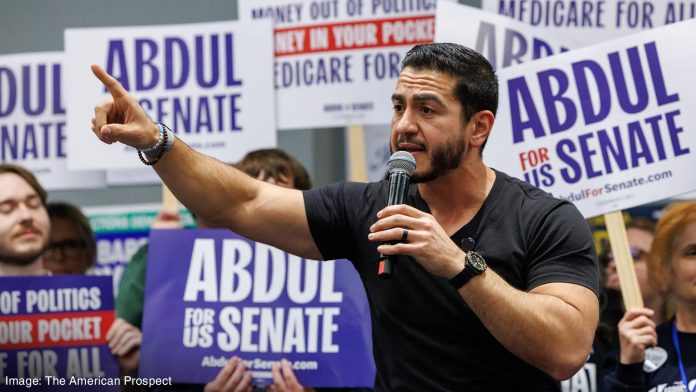
Michigan’s August 4 Democratic Senate primary has become much larger than a contest between Abdul El-Sayed and Representative Haley Stevens. It is now the most expensive single-race intervention ever mounted by the political network of the American Israel Public Affairs Committee.
The American Israel Public Affairs Committee, commonly known as AIPAC, says it works to strengthen the United States-Isr∗el relationship and elect candidates who support that alliance. AP reports that AIPAC and affiliated groups have spent close to $30 million backing Stevens and opposing El-Sayed. Outside organisations have poured close to $50 million into supporting Stevens overall, including roughly $12 million from a group that does not publicly disclose its donors.
How Outside Money Reaches Michigan Voters
The scale of the intervention is especially striking because Stevens’ own campaign has spent far less than the organisations working on her behalf. Outside groups supporting her have outspent El-Sayed’s side by more than twelve to one on television during the closing stretch. This is not ordinary endorsement politics. It is an attempt to shape what Michigan voters see, hear and believe before they enter the polling booth.
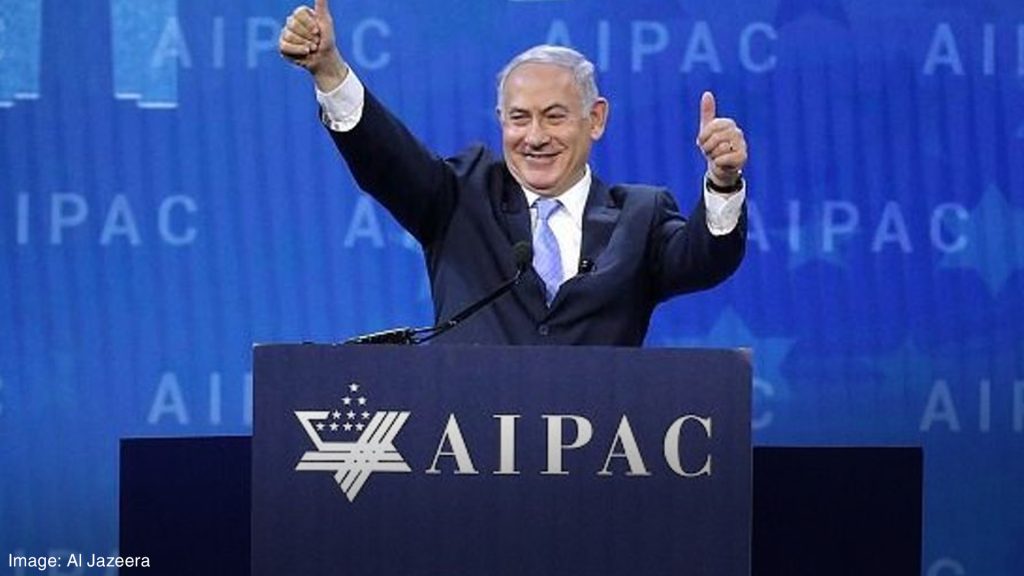
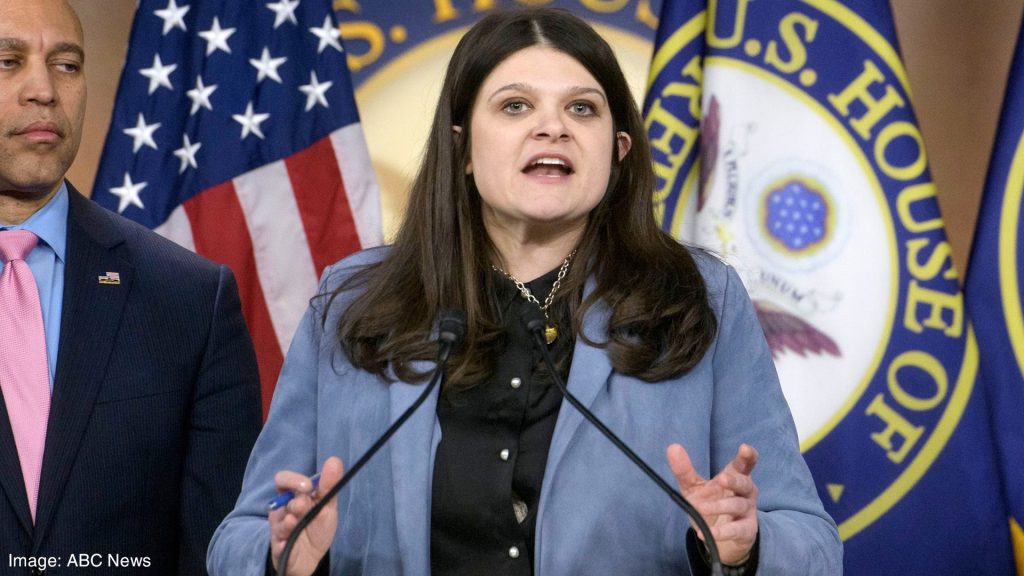
The money is being spent independently through political action committees and super political action committees rather than donated directly to Stevens’ campaign. Under federal rules, these groups may raise and spend unlimited sums as long as they do not coordinate with the candidate. That legal separation does not make their influence invisible. It means a campaign can benefit from tens of millions of dollars in advertising while formally claiming it did not control the spending.
Why Haley Stevens Avoids Naming AIPAC
AIPAC’s advertisements rarely explain why a pro-Isr∗el political network is spending so heavily in Michigan. Instead, they promote Stevens’ manufacturing record, highlight her work with former President Barack Obama and present her as the safer candidate against Republicans. The organisation’s reason for entering the race is largely absent from the message.
Stevens has followed a similar strategy. When AP asked her twice about AIPAC during a July campaign stop, she responded for more than 800 words without naming the organisation once. She benefits from its largest investment ever while avoiding a direct public defence of its role.
Who Abdul El-Sayed Is
Abdul El-Sayed offers voters a very different political project. He holds a medical degree from Columbia and previously served as Detroit’s health director, and he is a progressive Democrat who supports a national single-payer healthcare system, stronger economic protections and limits on corporate political influence. He has openly criticised unconditional United States support for Isr∗el and argues that AIPAC distorts Democratic politics.
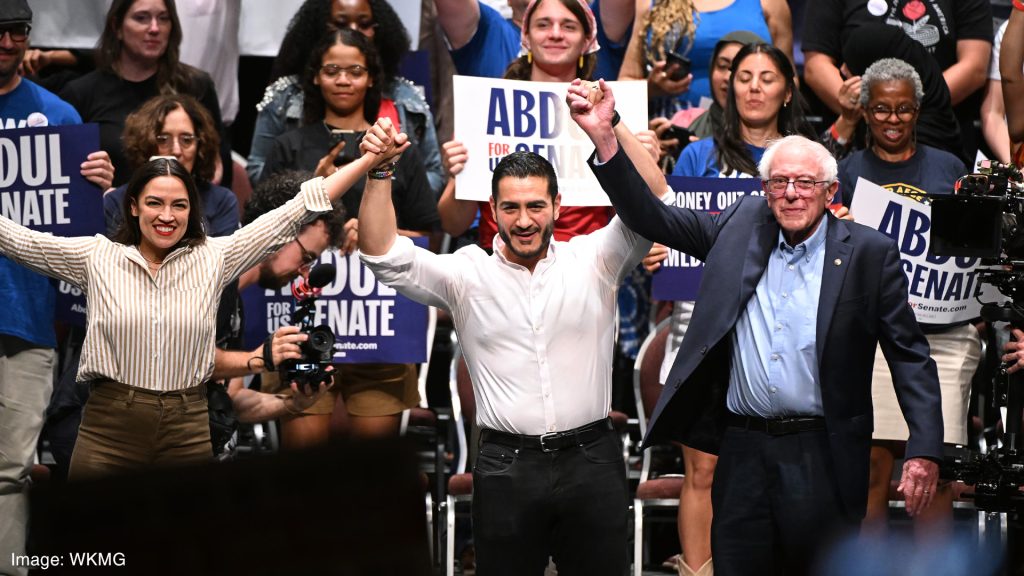
El-Sayed is backed by Bernie Sanders, Alexandria Ocasio-Cortez and Elizabeth Warren. His supporters see him as a candidate of healthcare, justice and grassroots organising. His opponents see a progressive who could shift the Democratic Party away from its establishment leadership and long-standing support for Isr∗el.
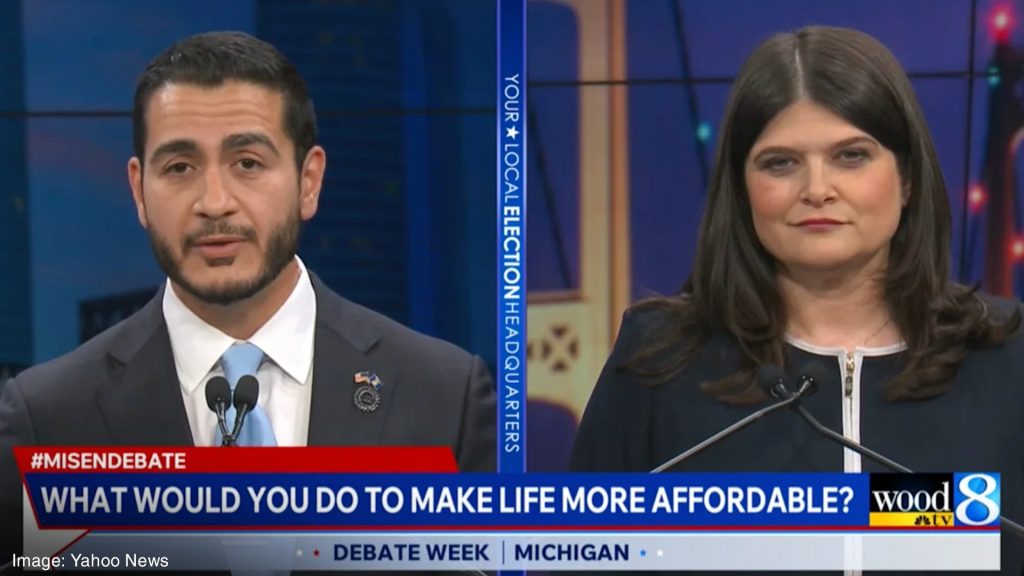
If elected, El-Sayed would become the first Muslim senator in United States history. That possibility carries particular weight in Michigan, which has the country’s largest Arab American population and played a central role in the 2024 Uncommitted movement over Gaza.
The Polling Remains Contested
An advocacy-branded poll showing El-Sayed ahead by sixteen points has spread widely online, but other July surveys have shown a much closer race, including one that placed Stevens ahead 48 percent to 41 percent. The most defensible conclusion is not that either candidate is cruising, but that turnout on August 4 could decide a genuinely competitive primary.
A Test Of Money, Gaza And Democratic Power
This race is therefore testing more than AIPAC’s spending power. It is testing whether a grassroots campaign can survive an advertising imbalance of historic proportions, whether Democratic anger over Gaza can reshape a statewide election, and whether Michigan voters will accept the result that record outside money was designed to produce.
Hyperlinked Sources