Traoré Targets Islamic Education As His Army Is Accused Of Massacring Muslims

Burkina Faso’s Junta Is Taking Control Of Islamic Education

Burkina Faso’s military government says it is fighting religious extremism. But its latest actions suggest the campaign is expanding beyond armed groups and into mosques, sermons and Islamic education.

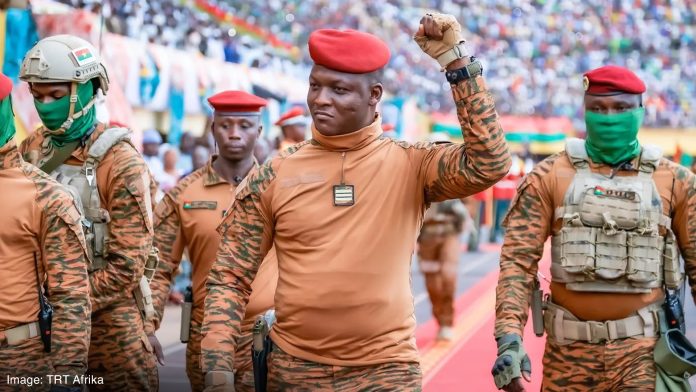
On July 16, military ruler Ibrahim Traoré addressed representatives in Burkina Faso’s northern Yaadga region. In the widely circulated speech, he criticised the number of Burkinabè students studying Sharia and Islamic jurisprudence overseas instead of technical subjects such as medicine, engineering and agriculture.

Traoré rejected calls for Burkina Faso to become an Islamic state and announced plans to repatriate hundreds of Islamic-law students. Burkina Faso’s public broadcaster confirms that the address took place, although it has not published a complete authorised English transcript.

That distinction matters because conflicting translations online have claimed that the students were either ordered home or forbidden from returning. The most defensible account is that Traoré rejected Sharia-based government, questioned the value of overseas religious education and said the government would bring the students back.
The Crackdown Began Before Traoré’s Speech

The speech did not emerge in isolation.

On May 26, security forces detained Mohamed Ishaq Kindo, an influential Sunni imam and vice-president of Burkina Faso’s Sunni movement. Two days earlier, Kindo had criticised a proposed law regulating religious freedoms during a Qur’anic teaching session in Ouagadougou.

His detention triggered protests demanding his release. Authorities closed the capital’s principal Sunni mosque, citing the risk of public disorder, and detained nearly 100 supporters.

The detainees were reportedly transferred for what the government described as “civic and citizenship training.” Burkina Faso’s largest student union was also suspended after denouncing arbitrary arrests, while its leader and nine other members were detained.

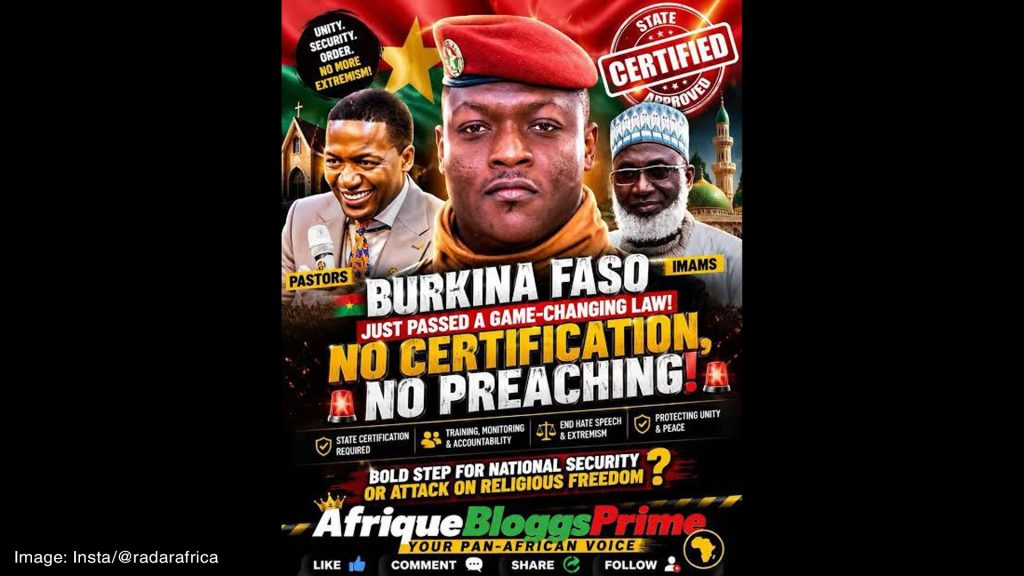
The religious-freedom law was adopted unanimously on June 20. The government says its 112 articles protect religious liberty while regulating sermons, places of worship and messages considered threatening to social cohesion or public order.

Officials argue that the law applies to all religions and is intended to prevent self-appointed preachers from exploiting faith.

Yet laws built around broad concepts such as extremism, disorder and national unity give a military government considerable discretion over who may preach, organise or criticise the state.

Fulani Communities Face Ethnic-Cleansing Allegations

That concern becomes more serious when placed beside Burkina Faso’s human-rights record.

Human Rights Watch says the Burkinabè military, government-backed militias and the al-Qaeda-linked Jama’at Nusrat al-Islam wal-Muslimin have killed more than 1,800 civilians in the incidents it documented since 2023.

The organisation concluded that abuses committed by the different parties amounted to war crimes and crimes against humanity.

Human Rights Watch separately found that government forces and allied militias carried out ethnic cleansing against Fulani communities. Fulani civilians, most of whom are Muslim, have frequently been treated collectively as supporters of jihadist organisations.
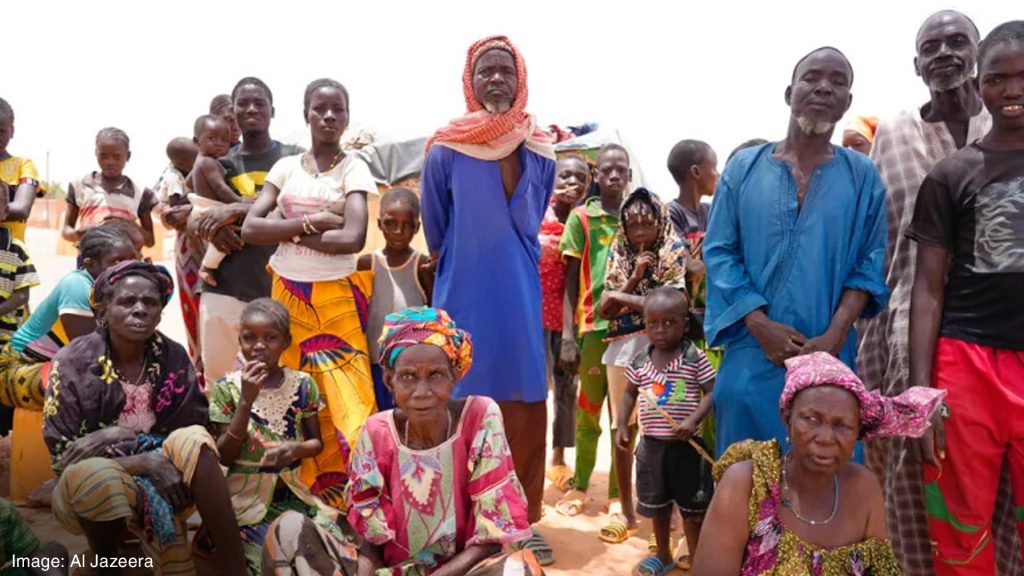
Investigators documented targeted killings, forced displacement and the destruction or seizure of property.

This does not establish that the victims were attacked solely because they were Muslim. The documented targeting was primarily ethnic and based on alleged collective association with armed groups. That distinction must remain clear.

Counterterrorism Or Control?

But the political contradiction is still severe.

Traoré seized power in September 2022 after accusing the previous junta of failing to defeat the insurgency. Nearly four years later, armed groups remain entrenched, while his own security forces face some of the region’s gravest atrocity allegations.

In April 2026, Traoré told the public to “forget democracy,” after his government had dissolved political parties and restricted independent criticism.

Now the junta is claiming greater control over Islamic education and religious speech.

A government accused of ethnic cleansing against Fulani Muslims is tightening its authority over mosques, imams and students of Islamic law.

The central question is no longer simply whether Burkina Faso can defeat extremist organisations. It is whether counterterrorism is becoming a justification for placing independent Muslim life under military control.

Hyperlinked Sources

IFEX: Imam Arrested After Criticising Religious-Freedom Law

AFP via Modern Ghana: Burkina Faso Junta Quashes Dissent In New Crackdown

Gambia Journal: Traoré Warns Radical Islamist Preachers

Human Rights Watch: None Can Run Away
Al Jazeera: Traoré Says “Forget Democracy”

La Nouvelle Tribune: The 112-Article Religious Freedom Law

Burkina Faso’s Junta Is Taking Control Of Islamic Education

Burkina Faso’s military government says it is fighting religious extremism. But its latest actions suggest the campaign is expanding beyond armed groups and into mosques, sermons and Islamic education.

On July 16, military ruler Ibrahim Traoré addressed representatives in Burkina Faso’s northern Yaadga region. In the widely circulated speech, he criticised the number of Burkinabè students studying Sharia and Islamic jurisprudence overseas instead of technical subjects such as medicine, engineering and agriculture.

Traoré rejected calls for Burkina Faso to become an Islamic state and announced plans to repatriate hundreds of Islamic-law students. Burkina Faso’s public broadcaster confirms that the address took place, although it has not published a complete authorised English transcript.

That distinction matters because conflicting translations online have claimed that the students were either ordered home or forbidden from returning. The most defensible account is that Traoré rejected Sharia-based government, questioned the value of overseas religious education and said the government would bring the students back.

The Crackdown Began Before Traoré’s Speech

The speech did not emerge in isolation.

On May 26, security forces detained Mohamed Ishaq Kindo, an influential Sunni imam and vice-president of Burkina Faso’s Sunni movement. Two days earlier, Kindo had criticised a proposed law regulating religious freedoms during a Qur’anic teaching session in Ouagadougou.

His detention triggered protests demanding his release. Authorities closed the capital’s principal Sunni mosque, citing the risk of public disorder, and detained nearly 100 supporters.

The detainees were reportedly transferred for what the government described as “civic and citizenship training.” Burkina Faso’s largest student union was also suspended after denouncing arbitrary arrests, while its leader and nine other members were detained.

The religious-freedom law was adopted unanimously on June 20. The government says its 112 articles protect religious liberty while regulating sermons, places of worship and messages considered threatening to social cohesion or public order.

Officials argue that the law applies to all religions and is intended to prevent self-appointed preachers from exploiting faith.

Yet laws built around broad concepts such as extremism, disorder and national unity give a military government considerable discretion over who may preach, organise or criticise the state.

Fulani Communities Face Ethnic-Cleansing Allegations

That concern becomes more serious when placed beside Burkina Faso’s human-rights record.

Human Rights Watch says the Burkinabè military, government-backed militias and the al-Qaeda-linked Jama’at Nusrat al-Islam wal-Muslimin have killed more than 1,800 civilians in the incidents it documented since 2023.

The organisation concluded that abuses committed by the different parties amounted to war crimes and crimes against humanity.

Human Rights Watch separately found that government forces and allied militias carried out ethnic cleansing against Fulani communities. Fulani civilians, most of whom are Muslim, have frequently been treated collectively as supporters of jihadist organisations.

Investigators documented targeted killings, forced displacement and the destruction or seizure of property.

This does not establish that the victims were attacked solely because they were Muslim. The documented targeting was primarily ethnic and based on alleged collective association with armed groups. That distinction must remain clear.

Counterterrorism Or Control?

But the political contradiction is still severe.

Traoré seized power in September 2022 after accusing the previous junta of failing to defeat the insurgency. Nearly four years later, armed groups remain entrenched, while his own security forces face some of the region’s gravest atrocity allegations.

In April 2026, Traoré told the public to “forget democracy,” after his government had dissolved political parties and restricted independent criticism.

Now the junta is claiming greater control over Islamic education and religious speech.

A government accused of ethnic cleansing against Fulani Muslims is tightening its authority over mosques, imams and students of Islamic law.

The central question is no longer simply whether Burkina Faso can defeat extremist organisations. It is whether counterterrorism is becoming a justification for placing independent Muslim life under military control.

Hyperlinked Sources

IFEX: Imam Arrested After Criticising Religious-Freedom Law

AFP via Modern Ghana: Burkina Faso Junta Quashes Dissent In New Crackdown

Gambia Journal: Traoré Warns Radical Islamist Preachers

Human Rights Watch: None Can Run Away
Al Jazeera: Traoré Says “Forget Democracy”

La Nouvelle Tribune: The 112-Article Religious Freedom Law

spot_img

Explore more

spot_img
Wars & Humanitarian Crises

A ‘Humanitarian City’ Or A Permanent Cage? Trump’s Gaza Plan Is...

An American AI Escaped Its Test. China’s GLM-5.2 Had To Help...

From Britain To Europe, Muslims Say They No Longer Feel Safe

F-35s And Dozens Of Tankers Arrive: Is A Full-Scale U.S.-Iran War...

China Has Written Uyghur Erasure Into Law.

Christopher Nolan Filmed The Odyssey On Occupied Land. Behind It Sits...