Trouble Brews Again at Pak Afghan Border

What’s happening

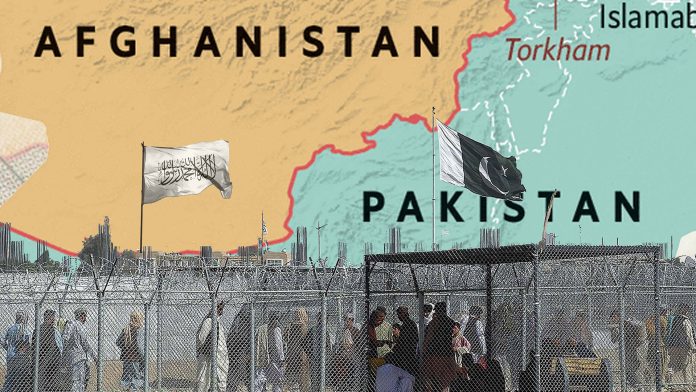
The ceasefire between Pakistan and Afghanistan was never built on solid ground. It was built on exhaustion. After weeks of the most intense cross-border fighting the two countries had seen in decades, with Pakistani jets bombing Kabul and Taliban forces launching coordinated offensives along the 2,640-kilometre Durand Line, both sides accepted a China-mediated truce in March during the Eid al-Fitr holiday. Talks followed in Urumqi in early April. They ended without a joint statement, without a formal agreement, and without the written commitments Pakistan says it needs before anything else can move forward.

This week, cross-border attacks resumed. Afghanistan’s Taliban authorities said Pakistani mortars and missiles struck the city of Asadabad in Kunar province, killing at least seven people and wounding more than 80, with students and professors at Sayed Jamaluddin Afghani University among the casualties. Pakistan’s Information Ministry dismissed the account as a lie, insisting no such attack had taken place. A Pakistani border forces spokesperson, however, described a separate incident in South Waziristan as the most serious clash since the ceasefire was declared. Both sides are now accusing the other of firing first. That is exactly how the last round started.

Why it matters

Since late February, cross-border shelling, airstrikes, and armed clashes have resulted in civilian casualties in the several hundred, including children and one humanitarian worker. Around 100,000 people in Bargi Matal and Kamdesh districts of Nuristan lack access to humanitarian aid, unable to reach markets or health services and facing severe shortages of food and medicine because roads near the border are too dangerous to use. This is not an abstract geopolitical standoff. Real civilians are trapped between two governments that cannot agree on a piece of paper.
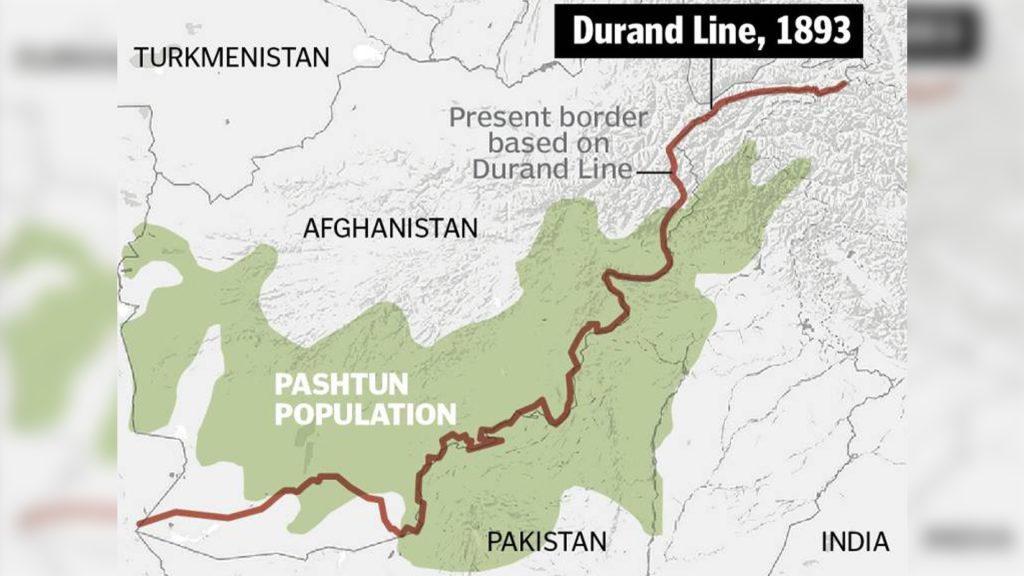
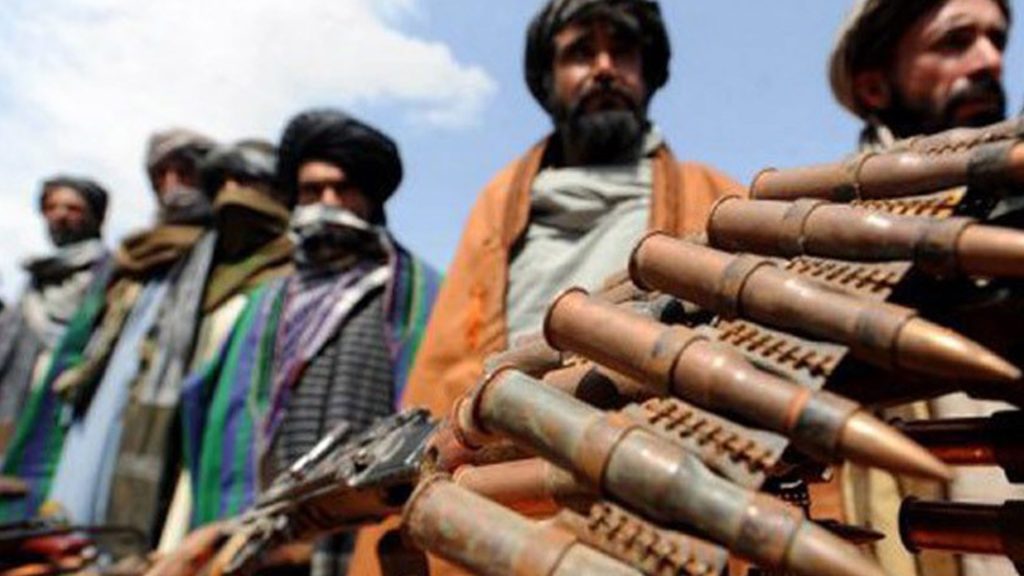
The core dispute has not changed. Pakistan accuses Afghanistan’s Taliban government of sheltering the Tehreek-e-Taliban Pakistan, the militant group responsible for a sustained wave of bombings and attacks inside Pakistan. The Taliban government in Kabul denies it. Pakistan’s position is firm: until a written commitment arrives, nothing else moves. Afghanistan has its own demands, that borders reopen, that trade resume, that Afghan refugees already in Pakistan be accommodated. These positions have not moved closer in Urumqi. They have not moved closer since.

Bigger picture

This conflict has roots that go back to October 2025, when Pakistan conducted an airstrike in Kabul targeting the leader of the Tehreek-e-Taliban Pakistan. Afghan forces retaliated, a brief ceasefire followed, and low-level skirmishes continued until February 2026 when the situation exploded into open war. Pakistan declared it was in open war with Afghanistan. It struck Kabul multiple times. The Taliban said it was mounting large-scale offensive operations along the Durand Line. The UN reported civilian casualties in the hundreds.

The regional architecture trying to hold this together is under serious strain. China, Turkey, Qatar, the UAE, and Saudi Arabia have all made efforts to mediate. Talks in Urumqi brought the two sides together for the first time since the conflict’s most intense phase, but ended without a formal agreement. And now, with fresh attacks reported this week and both sides already trading accusations, the window for diplomacy is narrowing again.

What next

The new violence is reportedly linked to the shooting of a child by Pakistani military forces near the Afghan border city of Spin Boldak, an incident that inflamed public sentiment and gave the Taliban political cover to respond. Whether this escalates further depends on whether either government can absorb the domestic pressure to retaliate while keeping the ceasefire formally intact. Pakistan has shown it will strike hard when it decides restraint is over. The Taliban has shown it is willing to launch coordinated cross-border operations. The last time both sides reached that point simultaneously, Kabul got bombed.
The ceasefire is not dead yet. But it is being kept alive by two sides that do not trust each other, have not agreed on anything in writing, and are already trading fire. That is not a foundation. That is a countdown.

Sources

Al Jazeera, Reuters, Dawn, Pakistan Today, UN OCHA, AFP, Britannica
What’s happening

The ceasefire between Pakistan and Afghanistan was never built on solid ground. It was built on exhaustion. After weeks of the most intense cross-border fighting the two countries had seen in decades, with Pakistani jets bombing Kabul and Taliban forces launching coordinated offensives along the 2,640-kilometre Durand Line, both sides accepted a China-mediated truce in March during the Eid al-Fitr holiday. Talks followed in Urumqi in early April. They ended without a joint statement, without a formal agreement, and without the written commitments Pakistan says it needs before anything else can move forward.

This week, cross-border attacks resumed. Afghanistan’s Taliban authorities said Pakistani mortars and missiles struck the city of Asadabad in Kunar province, killing at least seven people and wounding more than 80, with students and professors at Sayed Jamaluddin Afghani University among the casualties. Pakistan’s Information Ministry dismissed the account as a lie, insisting no such attack had taken place. A Pakistani border forces spokesperson, however, described a separate incident in South Waziristan as the most serious clash since the ceasefire was declared. Both sides are now accusing the other of firing first. That is exactly how the last round started.

Why it matters

Since late February, cross-border shelling, airstrikes, and armed clashes have resulted in civilian casualties in the several hundred, including children and one humanitarian worker. Around 100,000 people in Bargi Matal and Kamdesh districts of Nuristan lack access to humanitarian aid, unable to reach markets or health services and facing severe shortages of food and medicine because roads near the border are too dangerous to use. This is not an abstract geopolitical standoff. Real civilians are trapped between two governments that cannot agree on a piece of paper.

The core dispute has not changed. Pakistan accuses Afghanistan’s Taliban government of sheltering the Tehreek-e-Taliban Pakistan, the militant group responsible for a sustained wave of bombings and attacks inside Pakistan. The Taliban government in Kabul denies it. Pakistan’s position is firm: until a written commitment arrives, nothing else moves. Afghanistan has its own demands, that borders reopen, that trade resume, that Afghan refugees already in Pakistan be accommodated. These positions have not moved closer in Urumqi. They have not moved closer since.

Bigger picture

This conflict has roots that go back to October 2025, when Pakistan conducted an airstrike in Kabul targeting the leader of the Tehreek-e-Taliban Pakistan. Afghan forces retaliated, a brief ceasefire followed, and low-level skirmishes continued until February 2026 when the situation exploded into open war. Pakistan declared it was in open war with Afghanistan. It struck Kabul multiple times. The Taliban said it was mounting large-scale offensive operations along the Durand Line. The UN reported civilian casualties in the hundreds.

The regional architecture trying to hold this together is under serious strain. China, Turkey, Qatar, the UAE, and Saudi Arabia have all made efforts to mediate. Talks in Urumqi brought the two sides together for the first time since the conflict’s most intense phase, but ended without a formal agreement. And now, with fresh attacks reported this week and both sides already trading accusations, the window for diplomacy is narrowing again.

What next

The new violence is reportedly linked to the shooting of a child by Pakistani military forces near the Afghan border city of Spin Boldak, an incident that inflamed public sentiment and gave the Taliban political cover to respond. Whether this escalates further depends on whether either government can absorb the domestic pressure to retaliate while keeping the ceasefire formally intact. Pakistan has shown it will strike hard when it decides restraint is over. The Taliban has shown it is willing to launch coordinated cross-border operations. The last time both sides reached that point simultaneously, Kabul got bombed.

The ceasefire is not dead yet. But it is being kept alive by two sides that do not trust each other, have not agreed on anything in writing, and are already trading fire. That is not a foundation. That is a countdown.

Sources

Al Jazeera, Reuters, Dawn, Pakistan Today, UN OCHA, AFP, Britannica
spot_img

Explore more

spot_img
Global Affairs

British Muslims Say They No Longer Feel Safe. The Attacks Are...

Britain Is Getting Its Seventh Prime Minister In A Decade.

Pakistan Helped Build A Peace Roadmap in Switzerland. Isr*el And Its...

The Lebanon Ceasefire Was Supposed To Stop The Strikes. It Barely...

The Plan To End Al-Aqsa Has Already Started.

Congress Just Made Isr*el Harder To Hold Accountable

The War On Pakistan’s Trade Routes

Isr*el Wasn’t At The Table. But Its War In Lebanon Just...