A Political Earthquake in India
India is starting to look politically untouchable for anyone not named Narendra Modi.
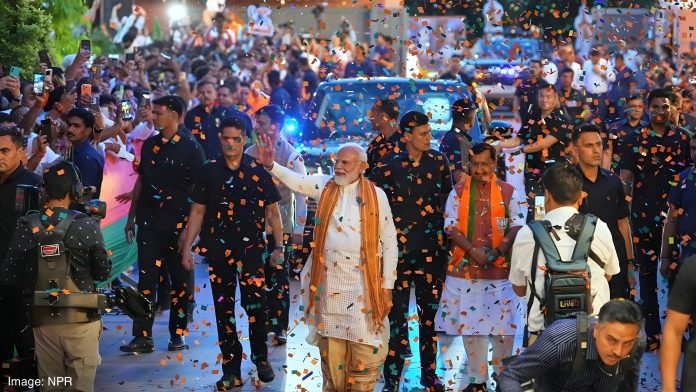
Narendra Modi’s Bharatiya Janata Party has taken control of West Bengal for the first time in history, marking one of the most dramatic political shifts India has seen in decades. Partial results released by the Election Commission of India showed BJP leading in nearly 190 seats in the 294-member state assembly, a stunning breakthrough that expands the party’s reach deeper into eastern India.
For years, West Bengal stood as one of the BJP’s toughest battlegrounds and one of the last major resistance points against Modi’s growing political dominance. That wall has now fallen.
Why This Victory Matters
Controlling West Bengal gives BJP far more than a symbolic win. It is one of India’s most culturally influential regions, home to nearly 100 million people, and it sits at the center of one of South Asia’s most sensitive geopolitical fault lines.
Analysts say BJP’s rise in West Bengal reflects how Narendra Modi has transformed Indian politics from a coalition-heavy system into one increasingly centered around a single leader and party. Some commentators have compared the current political climate to periods in Indian history where opposition forces struggled to remain relevant.
Why West Bengal’s Fall Hits Harder Than It Looks
West Bengal shares a long and historically significant border with Bangladesh, and that geographic detail matters more than it might appear right now.
India’s relationship with Bangladesh has deteriorated sharply since Prime Minister Sheikh Hasina was ousted in 2024 and fled to India, where she has remained in exile. Dhaka’s new government has demanded her return to face trial, while New Delhi has refused, creating one of the most serious diplomatic ruptures between the two neighbors in years. Trade tensions have followed, with Bangladesh signaling a broader realignment away from Indian influence.
BJP now controlling West Bengal, the Indian state most deeply intertwined with Bangladesh culturally, economically and geographically, adds a new and combustible dimension to an already strained relationship. For analysts watching South Asia, it is one more pressure point in a region that is running out of stable ground.
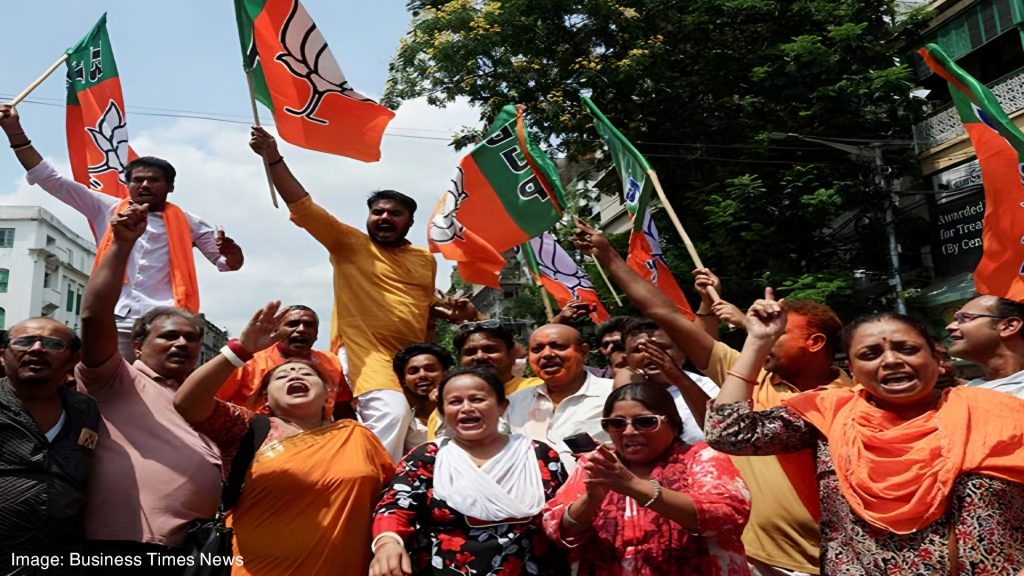
Growing Debate Over Hindu Nationalism
The BJP’s rise continues to spark intense debate inside and outside India.
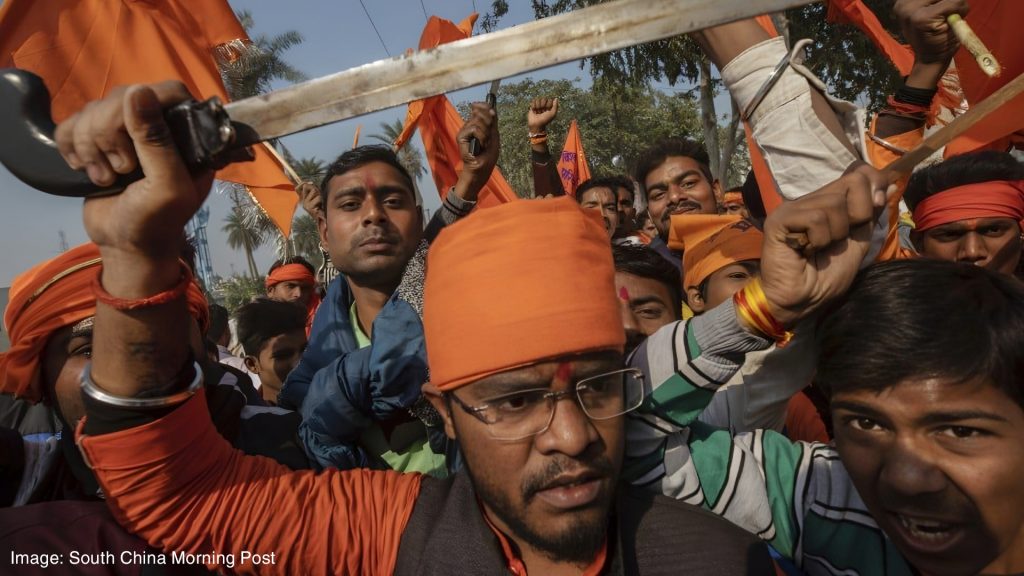
Supporters credit Modi with modernising infrastructure, boosting India’s global image, strengthening nationalism, and delivering political stability. But critics argue the party’s growth has come alongside increasing religious polarization, rising anti-Muslim rhetoric, and growing pressure on India’s secular identity.
Over the past several years, Modi’s government has faced criticism over policies linked to Muslims and minority rights, including the Citizenship Amendment Act, the revocation of Kashmir’s special autonomy, anti-conversion laws, and controversial mosque-temple disputes. Human rights groups and opposition figures have repeatedly warned about shrinking space for dissent and rising hostility toward minorities. BJP rejects those accusations and says it governs equally for all Indians.
Still, critics argue the West Bengal result strengthens a political movement they believe is fundamentally reshaping India itself.
Opposition Forces Continue to Fracture
The election result comes as India’s opposition bloc faces growing internal divisions.
Congress recently announced support for actor Vijay’s Tamilaga Vettri Kazhagam in Tamil Nadu, ending its long-time alliance with the DMK in an attempt to build a broader anti-BJP coalition. Instead, analysts fear the move could split opposition votes even further.
With West Bengal slipping away and regional alliances weakening elsewhere, Modi now appears politically stronger than at almost any point since first taking office in 2014.
Pakistan’s Quiet Rise While India Faces Global Headwinds
As Modi consolidates power at home, India’s regional rival is moving in the opposite direction internationally.
Pakistan recently secured lower U.S. tariff rates than India, a development that analysts say reflects Washington’s shifting strategic calculations in South Asia. India, meanwhile, remains locked in difficult tariff negotiations with the United States, facing higher trade barriers that could begin reshaping regional economic dynamics faster than traditional diplomacy can respond.
Pakistan has also been strengthening ties with Saudi Arabia and participating in broader international discussions around stabilisation proposals linked to Gaza, positioning Islamabad as a more active diplomatic player than its economic size would typically suggest. While India remains the region’s dominant economic power by volume, its growing domestic political pressures and international trade friction are creating openings that Pakistan is quietly beginning to fill.
For observers of South Asia, the contrast is striking. India is getting louder at home and quieter on the global stage. Pakistan is doing the opposite.
This Is No Longer Just An Indian Story
Modi’s growing domestic control now intersects with rising international pressure and a creeping diplomatic isolation that few in New Delhi want to openly acknowledge. India is facing higher tariffs than its regional rival, losing ground in key diplomatic conversations and watching its neighbors quietly realign away from its orbit.
The question is no longer whether BJP can be stopped inside India. That window appears to be closing. The question now is what kind of India emerges on the other side, and whether the world will still be paying attention when it does.
Sources: Reuters, Al Jazeera, Bloomberg, The Hindu, Indian Express, Election Commission of India, South Asia Investor
Hashtags: #Verum #India #Modi #BJP #WestBengal #IndianPolitics #HinduNationalism #SouthAsia #BreakingNews #Geopolitics