Genocide, Famine, Drone Strikes. Sudan Is Collapsing And Nobody Is Watching.

A War The World Stopped Watching

Sudan’s civil war began in April 2023 as a power struggle between the Sudanese Armed Forces and the paramilitary Rapid Support Forces. Three years later, the conflict has evolved into one of the world’s largest humanitarian catastrophes.

Yet compared to wars in Gaza or Ukraine, Sudan rarely dominates headlines.

For millions of Sudanese civilians, however, the war never slowed down.

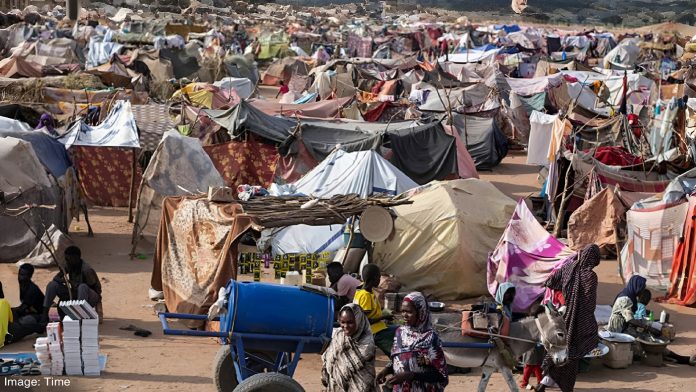
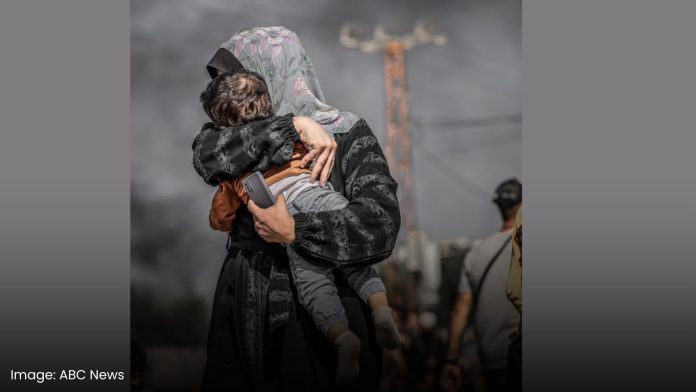
Families continue to flee burning towns across Darfur and Kordofan. Some walk for days through desert heat carrying children and whatever belongings they can still save, searching for food, water, or shelter that may no longer exist.

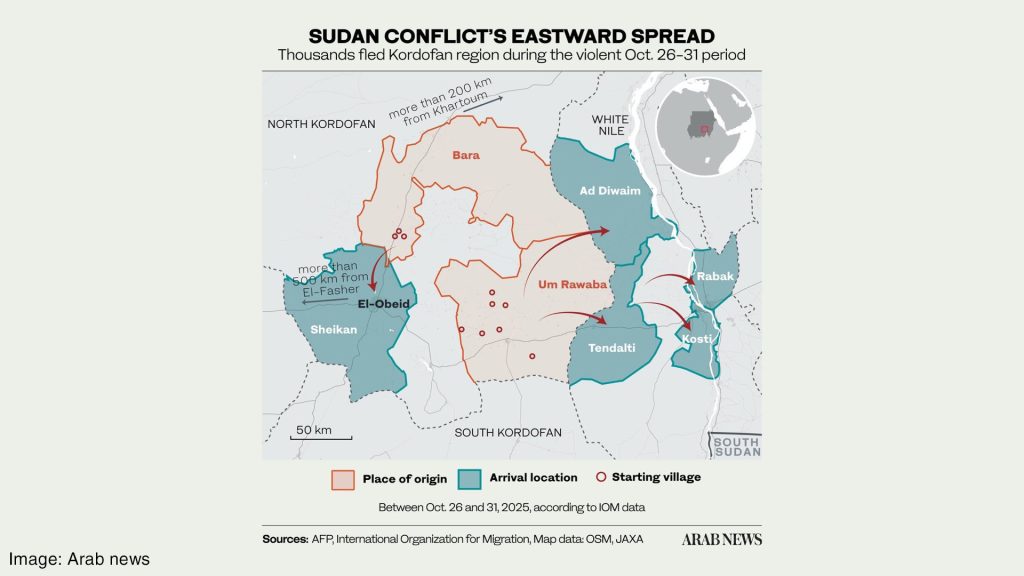
The country is now effectively split in two. The SAF controls much of northern, central, and eastern Sudan, including Khartoum, while the RSF controls most of Darfur and large areas of Kordofan. New fronts have also opened near the Ethiopian border in Blue Nile state.

There is still no decisive end in sight.

Darfur’s Violence Is Becoming Increasingly Horrific

On January 7, 2025, the United States formally determined that the RSF committed genocide in Darfur and sanctioned RSF commander Mohammed Hamdan Dagalo along with several RSF-linked companies.
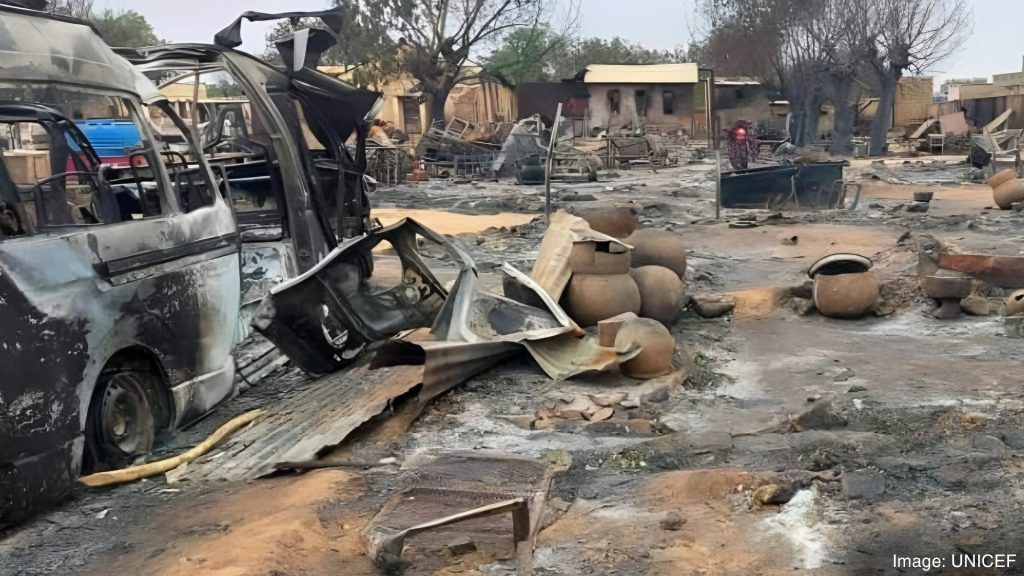
The war’s worst atrocities have centered around El Fasher, the last major SAF stronghold in Darfur. After RSF forces captured the city in late 2025, humanitarian investigators described the violence as catastrophic. The Yale School of Public Health’s Humanitarian Research Lab estimated that around 250,000 civilians were either killed, displaced, forced into hiding, or otherwise disappeared during the assault and its aftermath.

A UN fact-finding mission in 2026 later concluded the violence showed the hallmarks of genocide.

What investigators found in Darfur was not the fog of war. It was mass killing, widespread sexual violence, torture, slavery, and the erasure of entire communities. More than 500 victims of sexual violence were documented in 2025 alone. Women and children now make up the majority of Sudan’s humanitarian crisis.

Hunger Is Spreading Faster Than Aid

The United Nations estimates that around 30.4 million Sudanese people now require humanitarian assistance, roughly 65% of the country’s population. Children account for more than half of those in need.

Aid agencies warn Sudan is rapidly becoming one of the worst hunger crises on Earth. International relief operations remain severely underfunded, with humanitarian assistance only around 40% funded for 2026.

Recent USAID cuts forced more than 60% of Sudanese-run emergency food kitchens to shut down, deepening fears that famine conditions could spread even further. For many Sudanese families, survival now depends on aid networks that are themselves collapsing.

A Proxy War Is Taking Shape

The conflict is also becoming increasingly international.

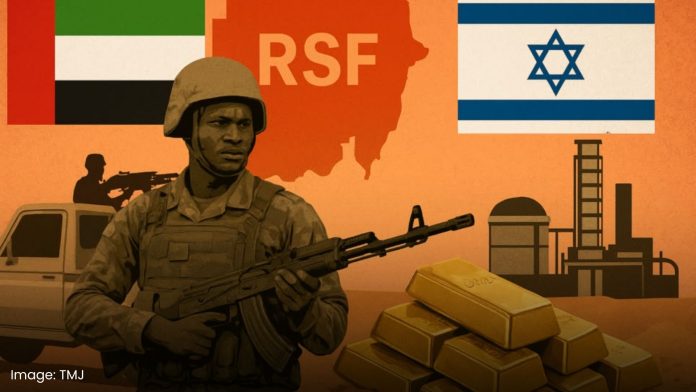
This week, Sudan accused Ethiopia and the UAE of involvement in drone attacks targeting Khartoum International Airport, temporarily shutting operations down for three days. Sudan later recalled its ambassador from Ethiopia and warned the attacks would not be met with silence.

Meanwhile, multiple reports suggest Pakistan could provide military equipment to the SAF through Saudi-backed funding arrangements, while the UAE continues to face accusations of supporting the RSF.

Analysts increasingly warn that Sudan’s war is evolving beyond a civil conflict into a wider regional proxy struggle involving drones, foreign weapons, and competing alliances.
Sudan Never Recovered

Despite the scale of the destruction, Sudan still receives only a fraction of the international attention given to many other global conflicts.

But for Sudanese civilians, the catastrophe never faded.

Millions remain trapped between war, hunger, displacement, and fear. Sudan may already be one of the century’s worst humanitarian disasters.

Much of the world barely notices.

Sources: United Nations Human Rights Office | Yale Humanitarian Research Lab | Reuters | Al Jazeera

#Verum #Sudan #Darfur #Africa #HumanitarianCrisis #Genocide #Khartoum #GlobalNews #War #ForgottenCrisis

A War The World Stopped Watching

Sudan’s civil war began in April 2023 as a power struggle between the Sudanese Armed Forces and the paramilitary Rapid Support Forces. Three years later, the conflict has evolved into one of the world’s largest humanitarian catastrophes.

Yet compared to wars in Gaza or Ukraine, Sudan rarely dominates headlines.

For millions of Sudanese civilians, however, the war never slowed down.

Families continue to flee burning towns across Darfur and Kordofan. Some walk for days through desert heat carrying children and whatever belongings they can still save, searching for food, water, or shelter that may no longer exist.

The country is now effectively split in two. The SAF controls much of northern, central, and eastern Sudan, including Khartoum, while the RSF controls most of Darfur and large areas of Kordofan. New fronts have also opened near the Ethiopian border in Blue Nile state.

There is still no decisive end in sight.

Darfur’s Violence Is Becoming Increasingly Horrific

On January 7, 2025, the United States formally determined that the RSF committed genocide in Darfur and sanctioned RSF commander Mohammed Hamdan Dagalo along with several RSF-linked companies.

The war’s worst atrocities have centered around El Fasher, the last major SAF stronghold in Darfur. After RSF forces captured the city in late 2025, humanitarian investigators described the violence as catastrophic. The Yale School of Public Health’s Humanitarian Research Lab estimated that around 250,000 civilians were either killed, displaced, forced into hiding, or otherwise disappeared during the assault and its aftermath.

A UN fact-finding mission in 2026 later concluded the violence showed the hallmarks of genocide.

What investigators found in Darfur was not the fog of war. It was mass killing, widespread sexual violence, torture, slavery, and the erasure of entire communities. More than 500 victims of sexual violence were documented in 2025 alone. Women and children now make up the majority of Sudan’s humanitarian crisis.

Hunger Is Spreading Faster Than Aid

The United Nations estimates that around 30.4 million Sudanese people now require humanitarian assistance, roughly 65% of the country’s population. Children account for more than half of those in need.

Aid agencies warn Sudan is rapidly becoming one of the worst hunger crises on Earth. International relief operations remain severely underfunded, with humanitarian assistance only around 40% funded for 2026.

Recent USAID cuts forced more than 60% of Sudanese-run emergency food kitchens to shut down, deepening fears that famine conditions could spread even further. For many Sudanese families, survival now depends on aid networks that are themselves collapsing.

A Proxy War Is Taking Shape

The conflict is also becoming increasingly international.

This week, Sudan accused Ethiopia and the UAE of involvement in drone attacks targeting Khartoum International Airport, temporarily shutting operations down for three days. Sudan later recalled its ambassador from Ethiopia and warned the attacks would not be met with silence.

Meanwhile, multiple reports suggest Pakistan could provide military equipment to the SAF through Saudi-backed funding arrangements, while the UAE continues to face accusations of supporting the RSF.

Analysts increasingly warn that Sudan’s war is evolving beyond a civil conflict into a wider regional proxy struggle involving drones, foreign weapons, and competing alliances.

Sudan Never Recovered

Despite the scale of the destruction, Sudan still receives only a fraction of the international attention given to many other global conflicts.

But for Sudanese civilians, the catastrophe never faded.

Millions remain trapped between war, hunger, displacement, and fear. Sudan may already be one of the century’s worst humanitarian disasters.

Much of the world barely notices.

Sources: United Nations Human Rights Office | Yale Humanitarian Research Lab | Reuters | Al Jazeera

#Verum #Sudan #Darfur #Africa #HumanitarianCrisis #Genocide #Khartoum #GlobalNews #War #ForgottenCrisis
spot_img

Explore more

spot_img
Global Affairs

British Muslims Say They No Longer Feel Safe. The Attacks Are...

Britain Is Getting Its Seventh Prime Minister In A Decade.

Pakistan Helped Build A Peace Roadmap in Switzerland. Isr*el And Its...

The Lebanon Ceasefire Was Supposed To Stop The Strikes. It Barely...

The Plan To End Al-Aqsa Has Already Started.

Congress Just Made Isr*el Harder To Hold Accountable

The War On Pakistan’s Trade Routes

Isr*el Wasn’t At The Table. But Its War In Lebanon Just...