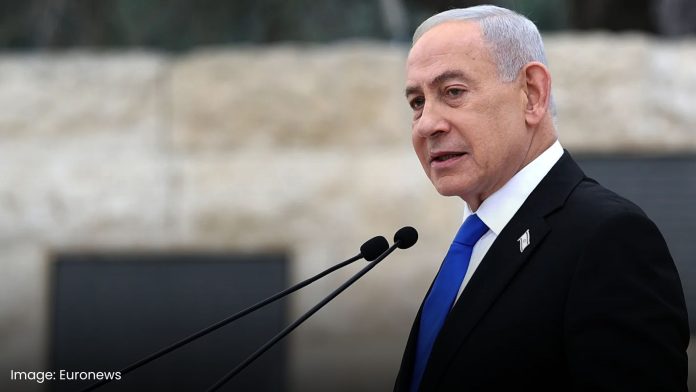
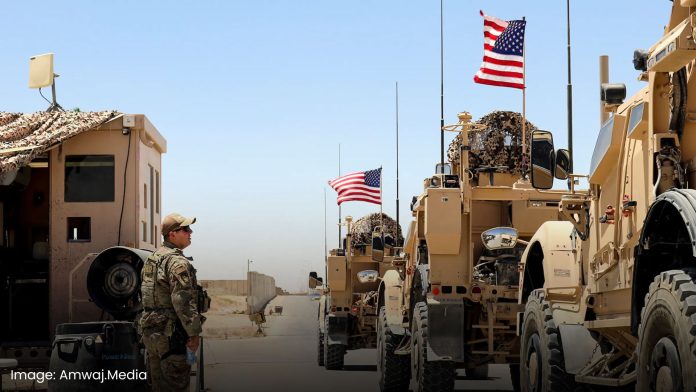
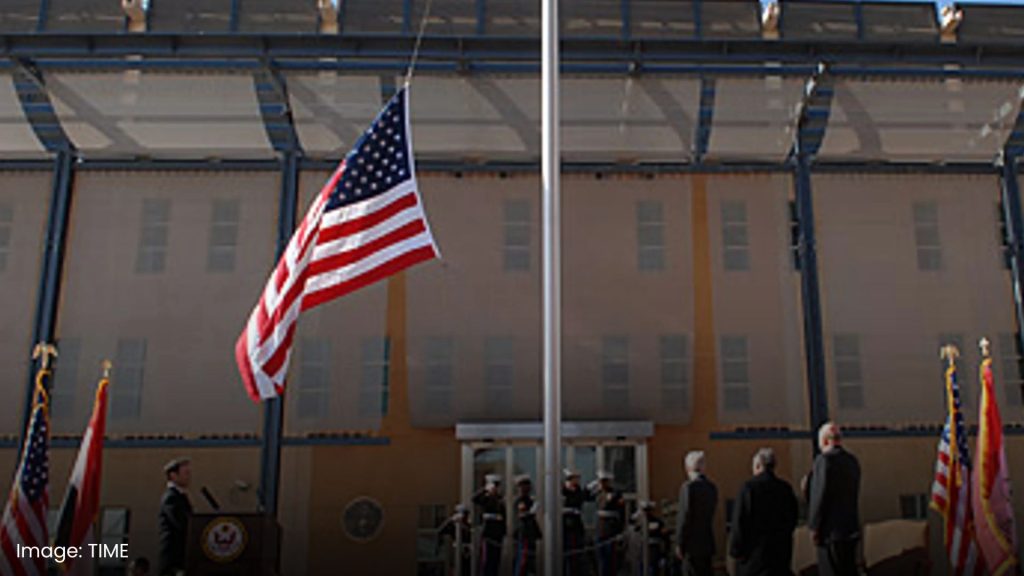
The United States is completing the withdrawal of its remaining forces from Iraq, bringing an end to a military presence that began with the 2003 invasion. The departure, agreed between Washington and Baghdad in 2024, is being completed by the Trump administration at a particularly consequential moment: the United States is simultaneously engaged in conflict with Iran. For Iraq, the withdrawal is therefore more than the conclusion of a long military deployment. It is a shift in the strategic environment in which Baghdad has spent years balancing relationships with Washington and Tehran.
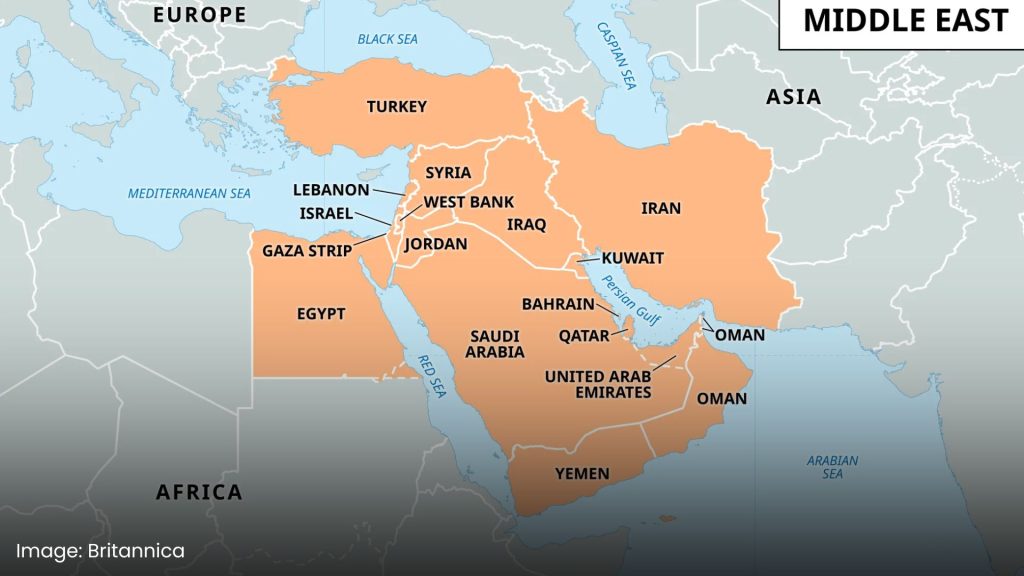
The US military presence in Iraq has undergone several transformations. American forces invaded in 2003, withdrew in 2011, and returned in 2014 as part of the international campaign against Islamic State. Iraq subsequently became one of the few states maintaining close political and military relationships with both the United States and Iran. At the same time, Iraqi territory repeatedly became an arena for confrontation between the two powers. The 2020 US kill*ng of Iranian commander Qasem Soleimani at Baghdad airport and subsequent attacks by Iran-aligned groups on US positions demonstrated how directly this rivalry could affect Iraq.
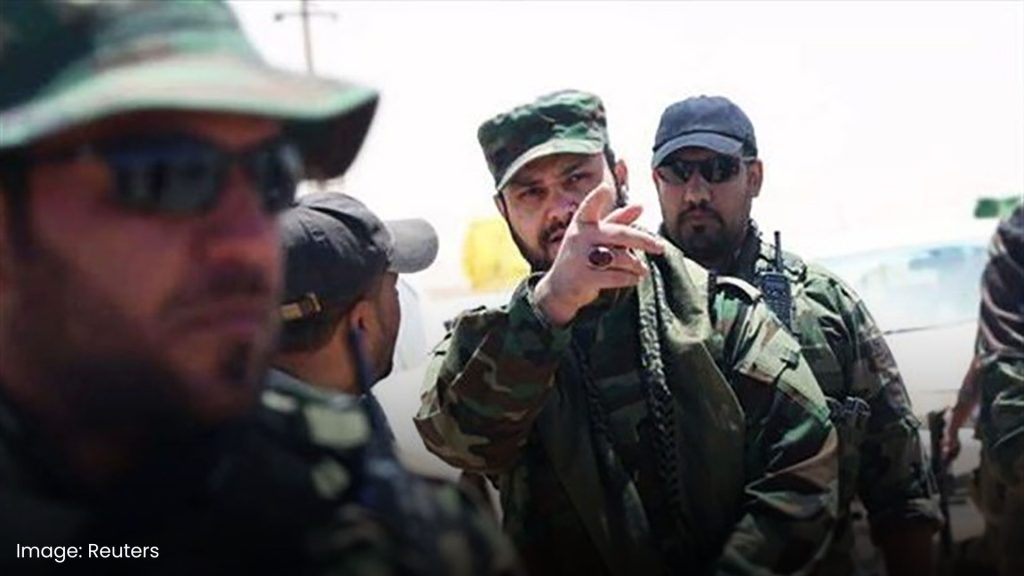
The withdrawal consequently alters an existing balance. Iraqi security analyst Jasim al-Bahadli told Reuters that Iran stands to benefit strategically because the departure removes a US military presence that had acted as a counterweight to Tehran’s influence. Iran and its allied Iraqi armed groups have themselves described the withdrawal as a victory. An Iranian parliamentary security official said Tehran welcomed the departure and presented it as part of the broader effort to remove US forces from the region.
However, describing the outcome simply as an Iranian takeover of the strategic space would overlook Iraq’s own political agency. Baghdad has its own state institutions, security forces and competing political actors, and the withdrawal was agreed between the Iraqi and US governments rather than imposed solely by Tehran. The more immediate question is whether Iraqi institutions can manage the security responsibilities that accompany a reduced foreign military presence.
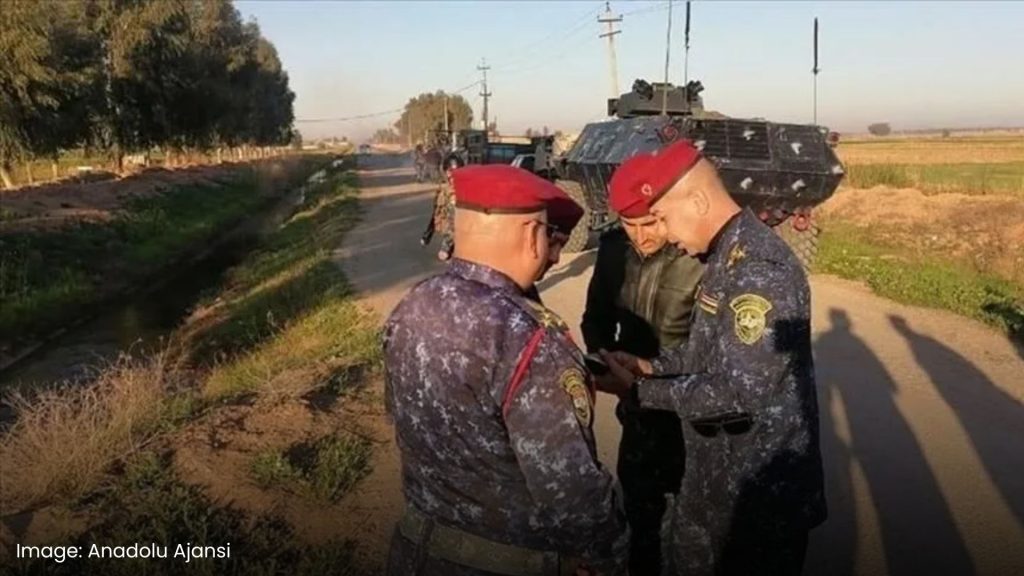
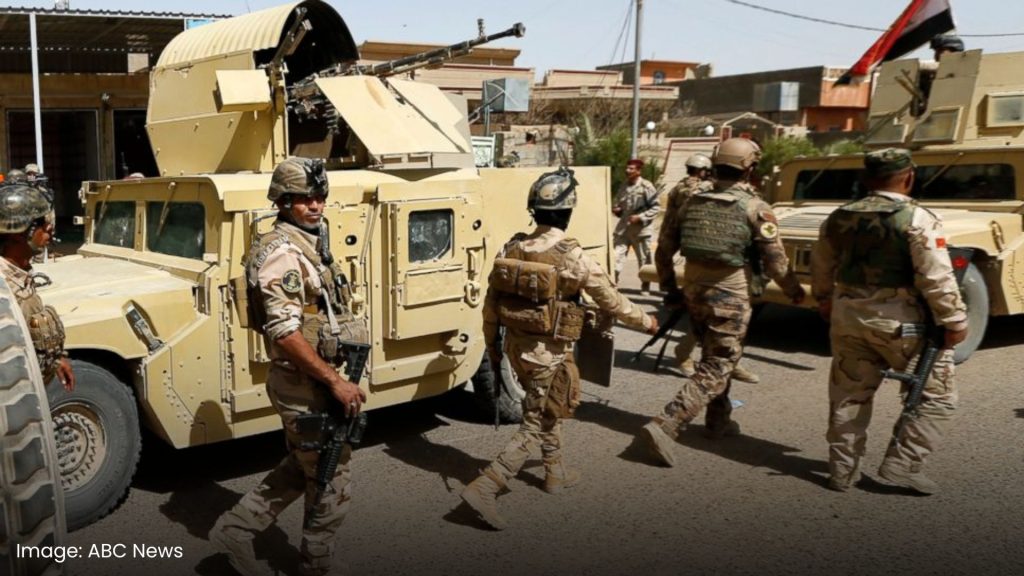
That concern is particularly relevant because US forces have provided capabilities beyond combat troops. Iraqi and Kurdish security officials have raised concerns about losing American intelligence, logistical assistance and drone capabilities. These resources have been important in monitoring militant networks, particularly Islamic State sleeper cells that remain active despite the group’s loss of territorial control in Iraq. Iraqi security forces had uncovered a suspected Islamic State plot involving suicide attacks around the time of the withdrawal.
This creates a complicated security dilemma. Greater reliance on Iraqi forces can strengthen the principle of national sovereignty, but a reduction in external intelligence and logistical support can also expose existing vulnerabilities. Meanwhile, the presence of powerful Iran-aligned armed groups means that the state is not the only actor capable of exercising coercive power. Iraqi tribal and security figures therefore differ in their assessment of whether the country is sufficiently prepared for the transition.
The withdrawal also carries a symbolic dimension. For many Iraqis, the end of the US military presence represents an important step toward sovereignty after decades of foreign intervention and conflict. Yet sovereignty is not only about the absence of foreign troops. It also concerns the state’s ability to independently control its territory, monopolize legitimate force and make security decisions without being dominated by competing external powers.
That is where Iraq’s strategic dilemma becomes particularly important. The country sits between two powerful relationships: Washington remains an important diplomatic and economic partner, while Tehran has developed extensive political and security ties with Iraqi actors. The US departure does not eliminate either relationship. Instead, it changes the military component of the equation.
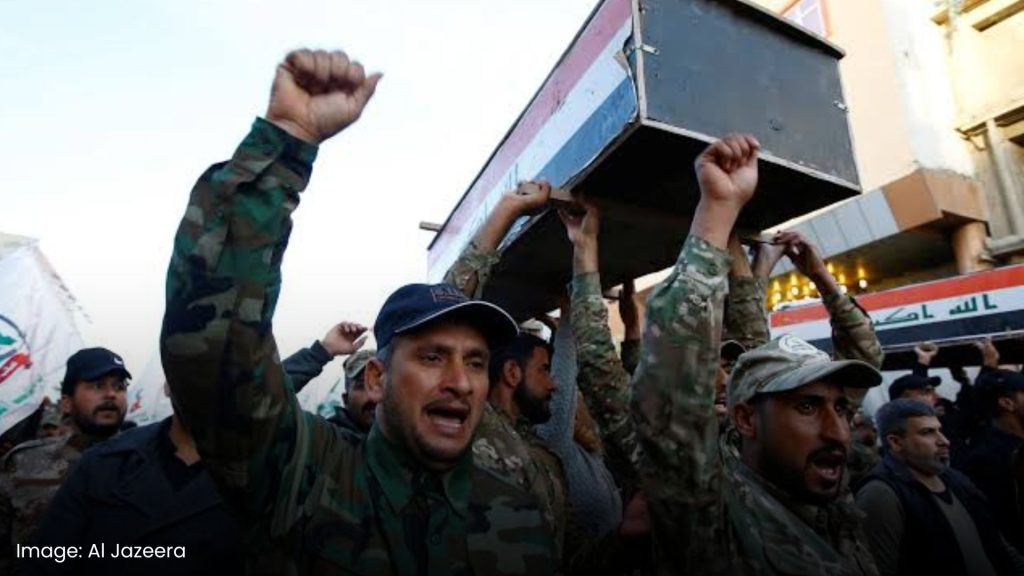
Ultimately, the significance of the withdrawal will depend less on who physically occupies the vacated bases than on how Iraq’s political and security institutions respond to the new environment. Iran may gain greater room for influence, while Islamic State could attempt to exploit security gaps. At the same time, Baghdad has an opportunity to assert greater control over its own security architecture. The end of the US military presence therefore does not automatically resolve Iraq’s sovereignty dilemma it places greater responsibility for managing that dilemma on Iraq itself.
Reference
https://www.channelafrica.co.za/channelafrica/news/us-forces-exit-iraq-after-two-decades-leaving-opening-for-iran/ https://www.tbsnews.net/worldbiz/middle-east/us-forces-exit-iraq-after-two-decades-leaving-opening-iran-1557196