Can Trump Really Call the US “Guardian” of Hormuz Under International Law?

Trump’s “Guardian of Hormuz” Plan Runs Into a Basic Problem, International Law Doesn’t Allow It

Maryam Tariq

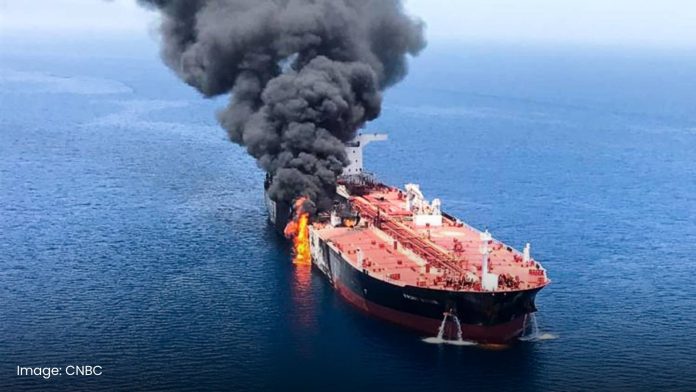
President Donald Trump declared this week that the United States would become the guardian of the Strait of Hormuz, reimposing a naval blockade on Iranian shipping and charging a 20 percent toll on cargo passing through the waterway. Within a day, the toll plan had collapsed. The reason wasn’t political pushback alone, it was that legal experts, the UN’s own maritime authority, and even members of Trump’s own administration had already said this kind of move violates settled international law.
What Trump Actually Announced

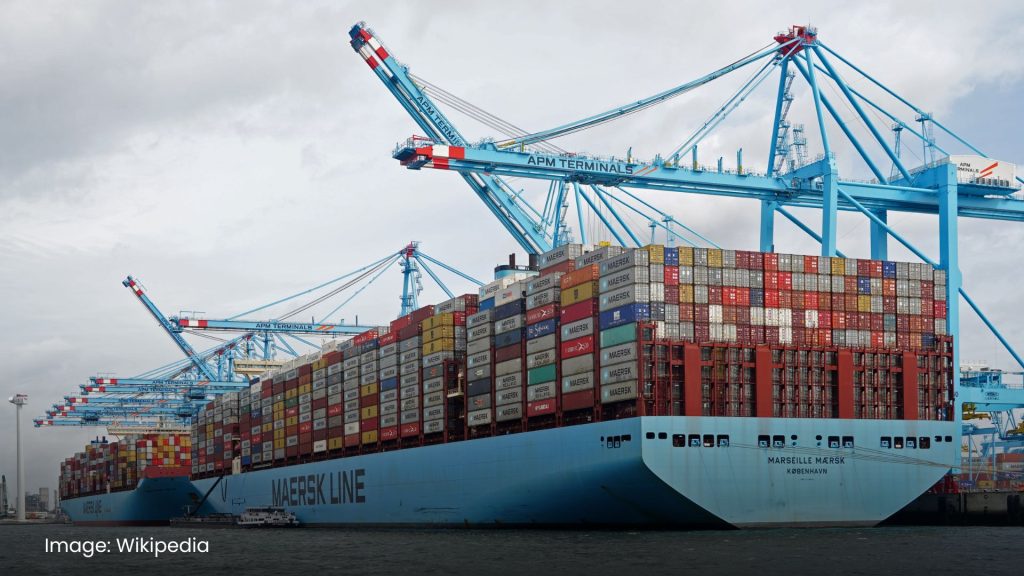
In a Truth Social post and a Fox News interview, Trump said the Hormuz Strait is open and will remain open, with or without Iran, while announcing the reinstatement of what he called the Iranian blockade, targeting only Iran’s ships and customers. He said the US would be known from that point forward as the Guardian of the Hormuz Strait and would be reimbursed at a rate of 20 percent on all cargo shipped, calling it a matter of fairness for the cost of providing security. Roughly 20 percent of the world’s oil and gas exports pass through the strait, meaning the financial stakes of any toll were significant, one estimate put the cost at around 34 million dollars per large tanker.

Why International Law Doesn’t Support This

The Strait of Hormuz is legally classified as an international waterway under the UN Convention on the Law of the Sea, meaning all vessels, commercial and military alike, hold a right to transit passage that cannot be suspended by any single country. Ian Ralby, president of the maritime governance organization Auxilium Worldwide, called the toll plan illegal, unprecedented and harmful. Georgetown University international law professor Anthony Clark Arend said charging any fee for transiting the strait would be a clear violation of the 1982 Convention on the Law of the Sea. Notably, neither the US nor Iran has actually ratified UNCLOS, but legal experts say that doesn’t exempt either country from its rules, since freedom of navigation is considered binding customary international law regardless of ratification.

Even Trump’s Own Team Had Already Said This

Perhaps the clearest evidence of the plan’s legal problems came from inside Trump’s own administration. Weeks before Trump’s announcement, Secretary of State Marco Rubio said plainly that no country is allowed to charge tolls or fees on an international waterway, calling it existing international law, at the time responding to reports that Iran was considering the exact same kind of toll. The International Maritime Organization echoed this directly in response to Trump’s plan, stating there is no legal basis through which to introduce mandatory tolls simply to transit through a strait, and drawing a clear legal distinction between natural straits like Hormuz and man made canals like Suez or Panama, where infrastructure investment justifies charging fees.

The Blockade Raises a Separate Legal Question

Beyond the toll, legal experts flagged a second issue, the naval blockade itself. Unilateral blockades restricting international shipping during peacetime, outside a formally declared war, are generally considered unlawful unless backed by UN Security Council authorization or grounded in clear self defense. Analysts note this kind of blockade risks violating the navigational rights of neutral countries with no stake in the underlying conflict, simply trying to move cargo through a shared global shipping lane.
What Happened After the Backlash

Within roughly 24 hours, Trump reversed course on the toll specifically, saying the US would maintain the blockade but replace the mandatory fee with investment and trade deals from Gulf region allies instead. The guardian language and blockade remained in place even after the toll was dropped. Legal experts noted that voluntary paid military escorts, where shipping companies opt in for protection, would be legally different from a mandatory toll, though Trump’s original proposal was structured as the latter.

Why This Matters Going Forward

The episode highlights a broader tension playing out in real time, a US administration that has publicly and correctly criticized Iran for floating illegal tolls on the same waterway, only to briefly propose the identical policy itself days later. Whether or not the blockade or guardian claim holds up long term, the toll’s rapid collapse shows that international maritime law still functions as a real constraint, one that forced a reversal within a single news cycle.

Sources:

Inanc

·  Can Trump Take Over The Strait of Hormuz, What International Law Says — Outlook India: https://www.outlookindia.com/international/can-trump-take-over-the-strait-of-hormuz-what-international-law-says

·  Trump says US will become guardian of Strait of Hormuz and collect tolls — Al Jazeera: https://www.aljazeera.com/news/2026/7/13/trump-says-us-will-become-guardian-of-strait-of-hormuz-and-collect-tolls

·  Donald Trump’s cargo toll plan in Strait of Hormuz would have been unprecedented, and likely illegal — PolitiFact: https://www.politifact.com/article/2026/jul/14/strait-hormuz-cargo-ship-toll-trump-iran/

·  Trump backtracks on 20% Strait of Hormuz tolls that violate maritime law and risked oil shock — Cronkite News: https://cronkitenews.azpbs.org/2026/07/14/trump-tolls-strait-hormuz/ ·  Global shipping industry sounds the alarm over Trump’s Hormuz toll plan — CNBC: https://www.cnbc.com/2026/07/14/shipping-industry-trump-hormuz-toll-backfire.html

Trump’s “Guardian of Hormuz” Plan Runs Into a Basic Problem, International Law Doesn’t Allow It

Maryam Tariq

President Donald Trump declared this week that the United States would become the guardian of the Strait of Hormuz, reimposing a naval blockade on Iranian shipping and charging a 20 percent toll on cargo passing through the waterway. Within a day, the toll plan had collapsed. The reason wasn’t political pushback alone, it was that legal experts, the UN’s own maritime authority, and even members of Trump’s own administration had already said this kind of move violates settled international law.

What Trump Actually Announced

In a Truth Social post and a Fox News interview, Trump said the Hormuz Strait is open and will remain open, with or without Iran, while announcing the reinstatement of what he called the Iranian blockade, targeting only Iran’s ships and customers. He said the US would be known from that point forward as the Guardian of the Hormuz Strait and would be reimbursed at a rate of 20 percent on all cargo shipped, calling it a matter of fairness for the cost of providing security. Roughly 20 percent of the world’s oil and gas exports pass through the strait, meaning the financial stakes of any toll were significant, one estimate put the cost at around 34 million dollars per large tanker.

Why International Law Doesn’t Support This

The Strait of Hormuz is legally classified as an international waterway under the UN Convention on the Law of the Sea, meaning all vessels, commercial and military alike, hold a right to transit passage that cannot be suspended by any single country. Ian Ralby, president of the maritime governance organization Auxilium Worldwide, called the toll plan illegal, unprecedented and harmful. Georgetown University international law professor Anthony Clark Arend said charging any fee for transiting the strait would be a clear violation of the 1982 Convention on the Law of the Sea. Notably, neither the US nor Iran has actually ratified UNCLOS, but legal experts say that doesn’t exempt either country from its rules, since freedom of navigation is considered binding customary international law regardless of ratification.

Even Trump’s Own Team Had Already Said This

Perhaps the clearest evidence of the plan’s legal problems came from inside Trump’s own administration. Weeks before Trump’s announcement, Secretary of State Marco Rubio said plainly that no country is allowed to charge tolls or fees on an international waterway, calling it existing international law, at the time responding to reports that Iran was considering the exact same kind of toll. The International Maritime Organization echoed this directly in response to Trump’s plan, stating there is no legal basis through which to introduce mandatory tolls simply to transit through a strait, and drawing a clear legal distinction between natural straits like Hormuz and man made canals like Suez or Panama, where infrastructure investment justifies charging fees.

The Blockade Raises a Separate Legal Question

Beyond the toll, legal experts flagged a second issue, the naval blockade itself. Unilateral blockades restricting international shipping during peacetime, outside a formally declared war, are generally considered unlawful unless backed by UN Security Council authorization or grounded in clear self defense. Analysts note this kind of blockade risks violating the navigational rights of neutral countries with no stake in the underlying conflict, simply trying to move cargo through a shared global shipping lane.

What Happened After the Backlash

Within roughly 24 hours, Trump reversed course on the toll specifically, saying the US would maintain the blockade but replace the mandatory fee with investment and trade deals from Gulf region allies instead. The guardian language and blockade remained in place even after the toll was dropped. Legal experts noted that voluntary paid military escorts, where shipping companies opt in for protection, would be legally different from a mandatory toll, though Trump’s original proposal was structured as the latter.

Why This Matters Going Forward

The episode highlights a broader tension playing out in real time, a US administration that has publicly and correctly criticized Iran for floating illegal tolls on the same waterway, only to briefly propose the identical policy itself days later. Whether or not the blockade or guardian claim holds up long term, the toll’s rapid collapse shows that international maritime law still functions as a real constraint, one that forced a reversal within a single news cycle.

Sources:

Inanc

·  Can Trump Take Over The Strait of Hormuz, What International Law Says — Outlook India: https://www.outlookindia.com/international/can-trump-take-over-the-strait-of-hormuz-what-international-law-says

·  Trump says US will become guardian of Strait of Hormuz and collect tolls — Al Jazeera: https://www.aljazeera.com/news/2026/7/13/trump-says-us-will-become-guardian-of-strait-of-hormuz-and-collect-tolls

·  Donald Trump’s cargo toll plan in Strait of Hormuz would have been unprecedented, and likely illegal — PolitiFact: https://www.politifact.com/article/2026/jul/14/strait-hormuz-cargo-ship-toll-trump-iran/

·  Trump backtracks on 20% Strait of Hormuz tolls that violate maritime law and risked oil shock — Cronkite News: https://cronkitenews.azpbs.org/2026/07/14/trump-tolls-strait-hormuz/ ·  Global shipping industry sounds the alarm over Trump’s Hormuz toll plan — CNBC: https://www.cnbc.com/2026/07/14/shipping-industry-trump-hormuz-toll-backfire.html
spot_img

Explore more

spot_img
Global Affairs

France Bans Social Media for Kids Under 15

Satellite Images Show Israel’s Is Building a Wall Going Past Gaza’s...

US to Let Saudi Enrich Uranium, the Same Thing It Fought...

Delaware County’s First Muslim Sheriff Targeted With Racist Death Threats

Gaza’s Population Has Dropped by Nearly 10 Percent Since October 2023

Venezuela, Iran, Cuba: The Oil Pattern Behind Trump’s Three Targets

US Senators Push Bill to Punish India and China for Buying...

Behind the Cockroach Protests: A Broken Exam System That’s Cost Students...