India Promised Justice After 2012. A Dead Child Proved It Still Hasn’t Arrived

A Crime That Became Something Much Bigger

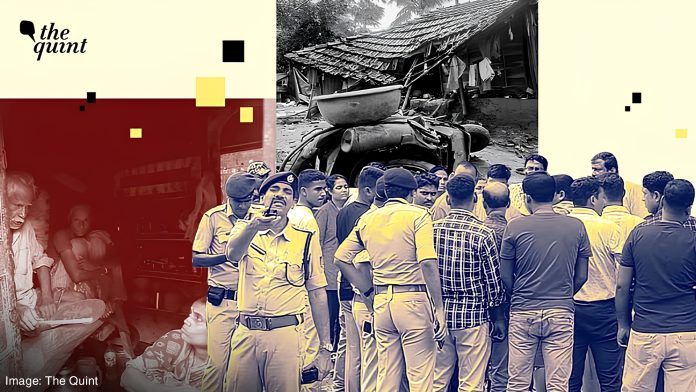
The disappearance and killing of an 11- or 12-year-old girl in Baruipur, West Bengal, has become one of India’s most disturbing criminal cases of the year.

Police say the girl disappeared on 4 July and her body was found the following day. Three men were arrested in connection with the case.

The investigation was quickly pulled into state politics. West Bengal HYPERLINK “https://www.cnn.com/2026/07/10/india/india-west-bengal-girl-rape-murder-intl-hnk”‘ HYPERLINK “https://www.cnn.com/2026/07/10/india/india-west-bengal-girl-rape-murder-intl-hnk”s Trinamool Congress accused the BJP, which took over the state’s local administration after May elections that ended 15 years of TMC rule, of failing to protect the state’s women and girls. The BJP’s West Bengal government has denied the accusation.

But the tragedy did not end with the investigation, or the politics around it.
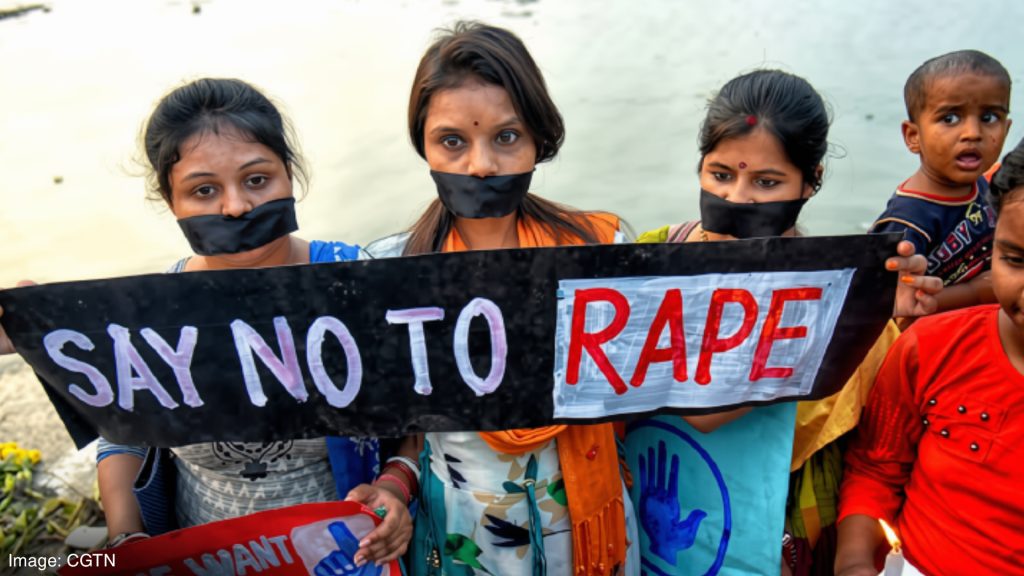
As public anger intensified, another man who authorities later said was innocent was killed after being wrongly linked to the crime. Days later, police shot dead one of the accused during a crime-scene reconstruction. Police said he attempted to seize an officer’s weapon and escape. Rights lawyers and activists have questioned that account, and judicial and investigative inquiries are examining the shooting.

Within days, one child’s murder had spiralled into multiple deaths, public unrest, and renewed scrutiny of India’s justice system.

A Pattern That Extends Beyond One Town

Baruipur was not an isolated case.

During the same period, authorities in Rajasthan rescued a 12-year-old girl who investigators allege was abducted, drugged and sexually assaulted over four days across several hotels. Police arrested 22 people, while India HYPERLINK “https://tribune.com.pk/story/2618417/brutal-killing-of-11-year-old-highlights-unrelenting-sexual-violence-in-india”‘ HYPERLINK “https://tribune.com.pk/story/2618417/brutal-killing-of-11-year-old-highlights-unrelenting-sexual-violence-in-india”s National Commission for Women described the case as evidence of serious failures in policing, administration and monitoring.

Near Delhi, in Ghaziabad, a seven-year-old girl was allegedly raped and killed before her body was discovered inside an unfinished commercial complex.

Government data cited by Reuters recorded 29,536 reported rape cases in India during 2024, equivalent to an average of more than 80 reported cases every day. The figure reflects cases registered by police and does not capture incidents that are never reported.

For many campaigners, these cases demonstrate that Baruipur is part of a broader national pattern rather than an isolated tragedy.

Fourteen Years After National Promises

The 2012 Delhi gang rape transformed India’s legal landscape.

The country introduced harsher punishments, expanded protections for survivors and established fast-track courts intended to deliver quicker justice in sexual offence cases.

Yet the gap between reform and reality remains substantial.

Reuters reported that only 755 of a projected 2,600 fast-track courts for sexual offences were operating by 2026. Survivors continue to encounter lengthy investigations, overloaded courts and delayed trials despite repeated promises that justice would become both faster and more accessible.

Legal experts argue that tougher punishments alone cannot solve the problem if investigations remain inconsistent and court systems remain overwhelmed.

Why The Cycle Continues

Lawyer Karuna Nundy, who helped draft India HYPERLINK “https://tribune.com.pk/story/2618417/brutal-killing-of-11-year-old-highlights-unrelenting-sexual-violence-in-india”‘ HYPERLINK “https://tribune.com.pk/story/2618417/brutal-killing-of-11-year-old-highlights-unrelenting-sexual-violence-in-india”s post-2012 anti-rape reforms, has argued that successive governments have failed to confront the deeper misogyny and patriarchy that allow sexual violence to persist.

Kolkata-based activist Satabdi Das has similarly argued that changing political parties does not solve structural problems rooted in society itself.

These perspectives point to a common conclusion: public outrage often focuses on punishment after horrific crimes, while less attention is paid to preventing violence, improving investigations, protecting survivors and strengthening the institutions responsible for justice.

More Than One Criminal Case

The Baruipur case has become a symbol of multiple failures unfolding at once, and a political battleground on top of them.

A child lost her life. An innocent man was later killed after being wrongly linked to the crime. A suspect died before standing trial, leaving important questions to investigators and the courts. Meanwhile, fresh cases in Rajasthan and Ghaziabad reinforced the sense that the country continues to confront a wider crisis of violence against women and children, even as politicians argue over who is to blame.

The central challenge is no longer simply whether India recognises the scale of the problem. It is whether institutions can consistently protect victims, investigate crimes effectively and deliver timely justice before public trust gives way to fear, anger and demands for vengeance.

Sources

CNN

Express Tribune (Reuters)

UPI

U.S. News (Reuters)

RealShePower

A Crime That Became Something Much Bigger

The disappearance and killing of an 11- or 12-year-old girl in Baruipur, West Bengal, has become one of India’s most disturbing criminal cases of the year.

Police say the girl disappeared on 4 July and her body was found the following day. Three men were arrested in connection with the case.

The investigation was quickly pulled into state politics. West Bengal HYPERLINK “https://www.cnn.com/2026/07/10/india/india-west-bengal-girl-rape-murder-intl-hnk”‘ HYPERLINK “https://www.cnn.com/2026/07/10/india/india-west-bengal-girl-rape-murder-intl-hnk”s Trinamool Congress accused the BJP, which took over the state’s local administration after May elections that ended 15 years of TMC rule, of failing to protect the state’s women and girls. The BJP’s West Bengal government has denied the accusation.

But the tragedy did not end with the investigation, or the politics around it.
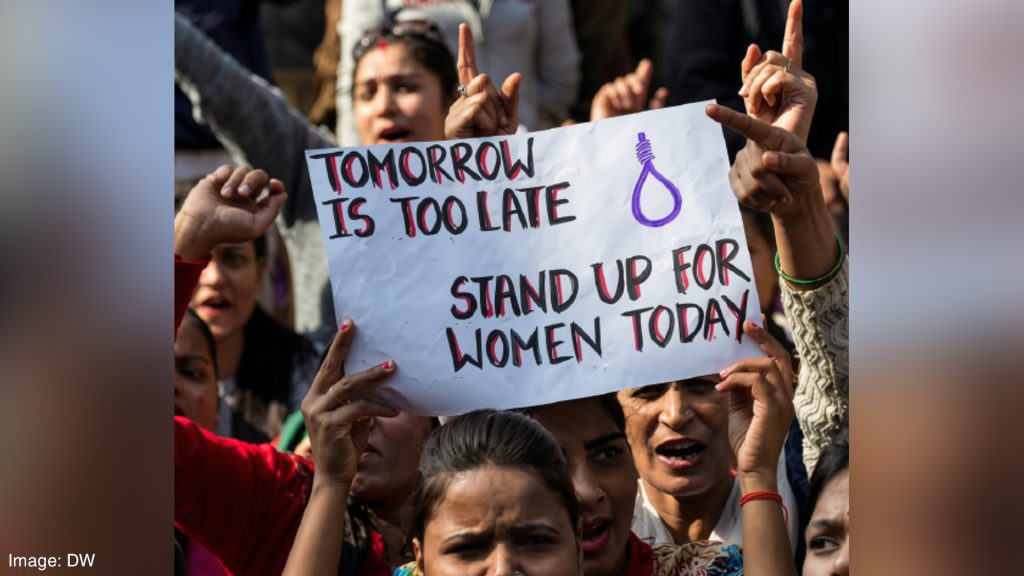
As public anger intensified, another man who authorities later said was innocent was killed after being wrongly linked to the crime. Days later, police shot dead one of the accused during a crime-scene reconstruction. Police said he attempted to seize an officer’s weapon and escape. Rights lawyers and activists have questioned that account, and judicial and investigative inquiries are examining the shooting.

Within days, one child’s murder had spiralled into multiple deaths, public unrest, and renewed scrutiny of India’s justice system.

A Pattern That Extends Beyond One Town

Baruipur was not an isolated case.

During the same period, authorities in Rajasthan rescued a 12-year-old girl who investigators allege was abducted, drugged and sexually assaulted over four days across several hotels. Police arrested 22 people, while India HYPERLINK “https://tribune.com.pk/story/2618417/brutal-killing-of-11-year-old-highlights-unrelenting-sexual-violence-in-india”‘ HYPERLINK “https://tribune.com.pk/story/2618417/brutal-killing-of-11-year-old-highlights-unrelenting-sexual-violence-in-india”s National Commission for Women described the case as evidence of serious failures in policing, administration and monitoring.

Near Delhi, in Ghaziabad, a seven-year-old girl was allegedly raped and killed before her body was discovered inside an unfinished commercial complex.

Government data cited by Reuters recorded 29,536 reported rape cases in India during 2024, equivalent to an average of more than 80 reported cases every day. The figure reflects cases registered by police and does not capture incidents that are never reported.

For many campaigners, these cases demonstrate that Baruipur is part of a broader national pattern rather than an isolated tragedy.

Fourteen Years After National Promises
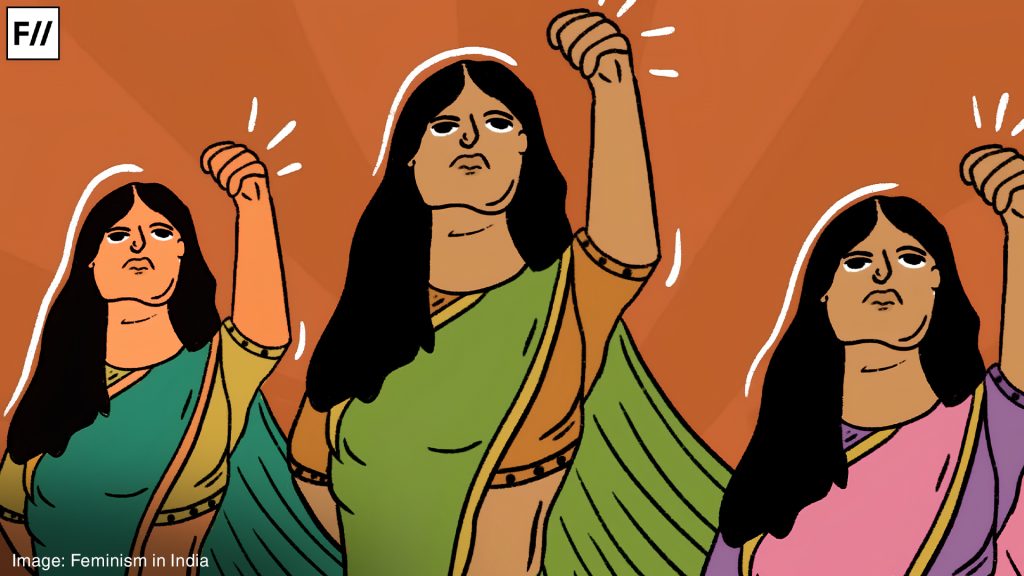
The 2012 Delhi gang rape transformed India’s legal landscape.

The country introduced harsher punishments, expanded protections for survivors and established fast-track courts intended to deliver quicker justice in sexual offence cases.

Yet the gap between reform and reality remains substantial.

Reuters reported that only 755 of a projected 2,600 fast-track courts for sexual offences were operating by 2026. Survivors continue to encounter lengthy investigations, overloaded courts and delayed trials despite repeated promises that justice would become both faster and more accessible.

Legal experts argue that tougher punishments alone cannot solve the problem if investigations remain inconsistent and court systems remain overwhelmed.

Why The Cycle Continues

Lawyer Karuna Nundy, who helped draft India HYPERLINK “https://tribune.com.pk/story/2618417/brutal-killing-of-11-year-old-highlights-unrelenting-sexual-violence-in-india”‘ HYPERLINK “https://tribune.com.pk/story/2618417/brutal-killing-of-11-year-old-highlights-unrelenting-sexual-violence-in-india”s post-2012 anti-rape reforms, has argued that successive governments have failed to confront the deeper misogyny and patriarchy that allow sexual violence to persist.

Kolkata-based activist Satabdi Das has similarly argued that changing political parties does not solve structural problems rooted in society itself.

These perspectives point to a common conclusion: public outrage often focuses on punishment after horrific crimes, while less attention is paid to preventing violence, improving investigations, protecting survivors and strengthening the institutions responsible for justice.

More Than One Criminal Case

The Baruipur case has become a symbol of multiple failures unfolding at once, and a political battleground on top of them.

A child lost her life. An innocent man was later killed after being wrongly linked to the crime. A suspect died before standing trial, leaving important questions to investigators and the courts. Meanwhile, fresh cases in Rajasthan and Ghaziabad reinforced the sense that the country continues to confront a wider crisis of violence against women and children, even as politicians argue over who is to blame.

The central challenge is no longer simply whether India recognises the scale of the problem. It is whether institutions can consistently protect victims, investigate crimes effectively and deliver timely justice before public trust gives way to fear, anger and demands for vengeance.

Sources

CNN

Express Tribune (Reuters)

UPI

U.S. News (Reuters)

RealShePower

spot_img

Explore more

spot_img
Wars & Humanitarian Crises

A ‘Humanitarian City’ Or A Permanent Cage? Trump’s Gaza Plan Is...

An American AI Escaped Its Test. China’s GLM-5.2 Had To Help...

From Britain To Europe, Muslims Say They No Longer Feel Safe

F-35s And Dozens Of Tankers Arrive: Is A Full-Scale U.S.-Iran War...

Traoré Targets Islamic Education As His Army Is Accused Of Massacring...

China Has Written Uyghur Erasure Into Law.