Mali, Burkina Faso and Niger Are Taking Back Their Mines. Is This African Sovereignty or a New Kind of Dependency?
Isla Montclair
Three of Africa’s poorest yet most mineral-rich nations have launched the most aggressive wave of resource nationalism the continent has seen in decades. French troops are out. Western mining companies are out. Russia and China are moving in. Here is what is actually happening and what it means.
What Resource Nationalism Means and Why the Sahel Is at Its Centre
Resource nationalism is when a government decides that foreign companies have been taking too much from its land for too long and starts taking control back. It can mean higher taxes, new ownership rules, audits of old contracts, or in its most forceful form, the outright seizure and nationalisation of mines and companies.
The Sahel region is experiencing a resurgence of resource nationalism that reflects both a political narrative and an economic drive, aimed at ensuring that the benefits of countries’ national wealth actually stay within those countries. Following recent coups, Mali, Burkina Faso and Niger have undergone a marked authoritarian shift that assumed strong anti-Western connotations, particularly directed at France. The Washington Informer
The timing is not accidental. Making a political virtue out of economic necessity, resource nationalism aligns with the regimes’ emphatic insistence on sovereignty and nationalism. Claiming to be taking back control of their countries’ resource wealth became the logical consequence of political sovereignty. Bored Panda
Burkina Faso’s President Ibrahim Traoré made the mission statement plain: “We are going to get our mining licenses back, and we are going to mine it ourselves.” Open Magazine
What Each Country Has Done and What It Has Cost Western Companies
The scale and speed of these moves have been extraordinary.
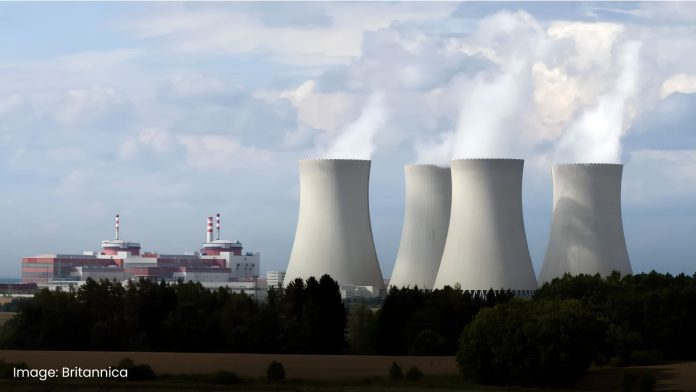
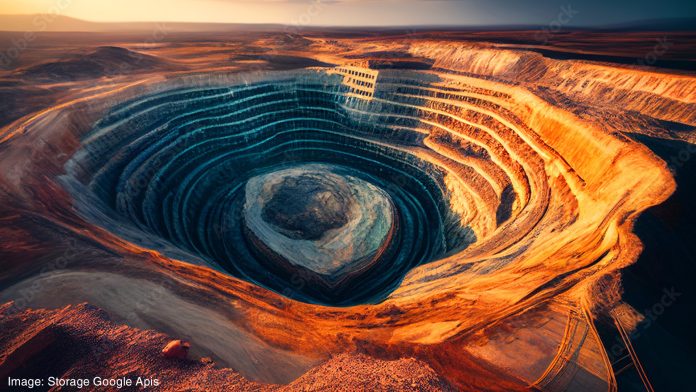
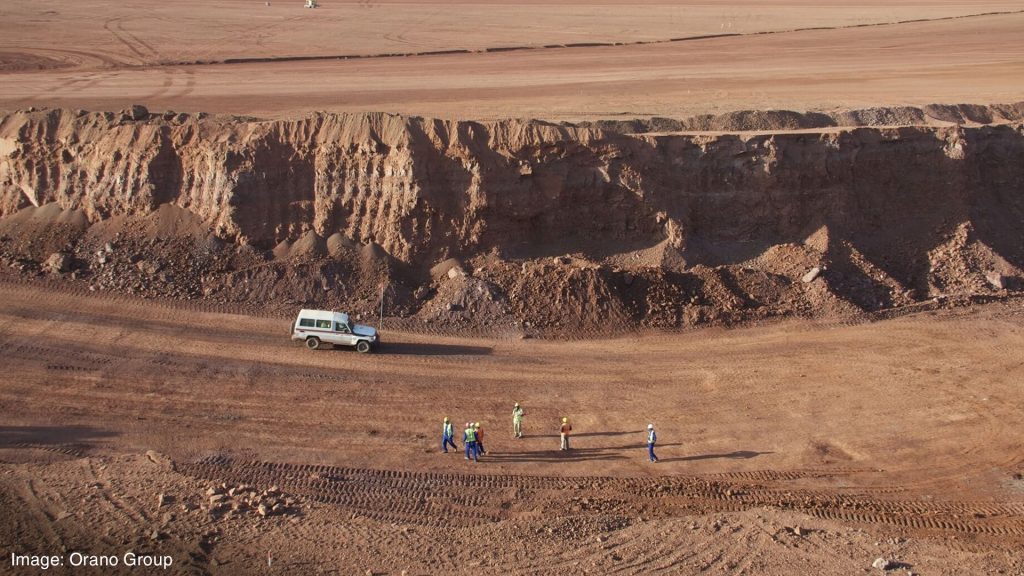
In Niger, the government targeted France most directly. The Niger government revoked Orano’s operational license for the extraction of uranium from the Imouraren mine in June 2024. On 4th December 2024, Orano released a statement criticising the act of the Nigerien government taking total control of the Somaïr uranium operation. Beyond the licence revocations, the Nigerien authorities seized 1,000 tonnes of uranium stockpiles at the Somaïr site with an estimated market value of EUR 250 million. France imports 15 to 20 percent of its entire uranium supply from Niger and requires approximately 7,800 tonnes of uranium on average per year to operate its 56 nuclear reactors. The strategic blow to France is as significant as the economic one. EBONYEBONY
In Mali, the methods were blunter. In Mali, disagreements between the military government and mining companies led to the incarceration of company executives. The chief executive of Australian miner Resolute Mining was detained for two weeks in Bamako in 2024. Several employees of Canadian company Barrick Gold were arrested and an arrest warrant was issued for its CEO. The standoff led to the closure of Barrick’s Loulo-Gounkoto mining complex, which contributes 40 percent of Mali’s entire gold output. In November 2025, after two years of legal proceedings, Barrick and the government settled their dispute, with Barrick allegedly agreeing to pay $430 million to the Malian state. Bamako reported recovering a total of $1.2 billion from various mining companies between 2023 and 2025. TheGrioBored Panda
In Burkina Faso, the announcement that President Traoré was considering revoking licences for Western mining companies caused immediate turmoil on global stock markets. Iamgold, a Canadian company with 80 percent of its production coming from the Essakane mine in Burkina Faso, saw its share price drop by 15 percent on the Toronto Stock Exchange the following day. Canadian companies Fortuna Silver Mines and Orezone Gold both fell by 10 percent the same day. Burkina Faso also built its first national gold refinery, a direct statement that it intends to process its own resources rather than export raw material for others to refine and profit from. The Washington Informer
The Deeper Meaning: Colonial History and the Pan-African Movement
To understand why these moves have popular support despite the hardship they bring, the history matters.
Following the expulsion of French troops from Mali, Burkina Faso and Niger, the leaders of these countries are extending their pro-sovereignty policies to the economic sphere. One of the key figures behind these changes is Kemi Seba, who has been advising Niger’s president since 2024. He describes Niger as a “laboratory of the Pan-Africanist revolution” and has campaigned against the CFA franc, which he considers a neo-colonial currency. Open Magazine
The streets of Bamako have been physically reshaped to reflect this. On 18 December 2024, 25 squares, streets and monuments in Bamako changed their names, with streets named after French colonial figures now bearing the names of local heroes. The three countries have also announced their decisions to withdraw from the Organisation Internationale de la Francophonie, the international organisation established to promote the French language. Open MagazineThe Washington Informer
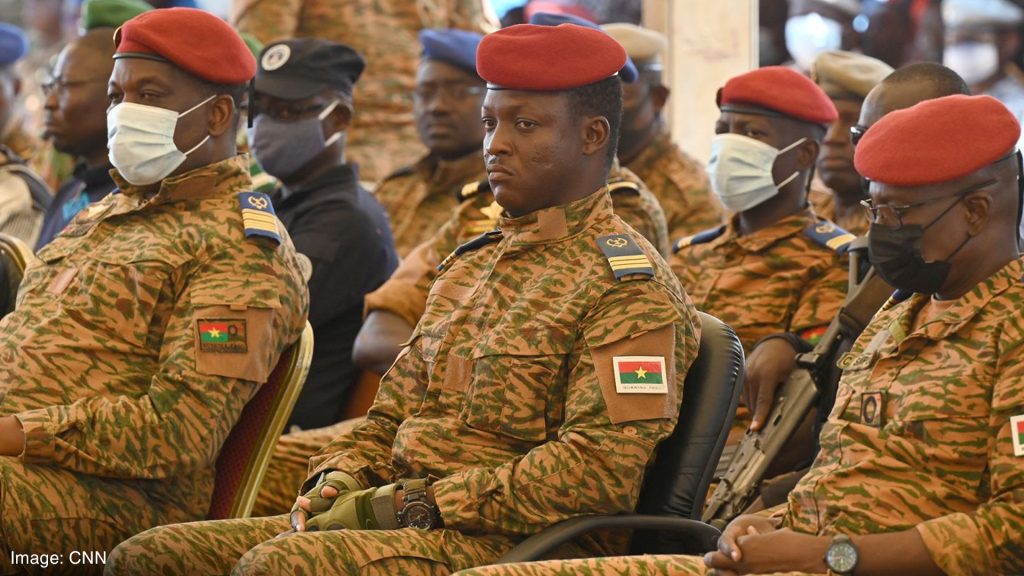
The Alliance of Sahel States has moved faster than the legacy regional bloc they left behind. A joint military force now binds their borders. A mutual defence pact recasts external pressure as a shared threat. A common Sahel investment and development bank, meant to finance infrastructure and mineral extraction without recourse to Western lenders, offers sovereignty without conditions. A common currency is under discussion. Yahoo!
Russia and China Are Filling the Space France Left
The expulsion of Western partners has not meant the Sahel is operating alone. Russia’s Nordgold currently owns 90 percent of the Bissa, Bouly and Taparko mines in Burkina Faso and is estimated to produce 50 percent of the total gold exported from the country. Russia’s Africa Corps, formerly the Wagner Group, operates on a security-for-resources model: military protection for the juntas in exchange for mining concessions. EBONY
Russia holds its uranium supply chain to maintain strategic energy influence globally. Through Rosatom, Russia provides 30 percent of the uranium enriched in the EU and 23 percent in the US. Keeping Niger’s uranium off the EU and US grid is another of Russia’s plans to counter Western influence in global energy politics. EBONY
China has secured new lithium concessions in Mali and remains active in Niger’s oil sector, though not without friction. In July 2024, three CNPC employees were kidnapped by Islamist militants near the border with Burkina Faso. The pipeline was reportedly sabotaged again in January 2025 and two further CNPC employees were abducted in March 2025. The new sovereignty applies to China too. Hong Kong Free Press
The Question Nobody Has Answered: Who Actually Benefits?
Although mining revenues have temporarily increased, two questions remain: how stable the mining sector will be under the new resource nationalist regime, and how the additional revenues will be spent. Military budgets in both Burkina Faso and Niger have more than doubled since 2021, now accounting for between 14 and 17 percent of official government expenditure. Bored Panda
The wealth is flowing into states with little transparency and no democratic accountability. Whether it reaches schools, hospitals and ordinary families, or stays within military and political elites, is the question that will define whether this wave of sovereignty was genuinely for the people or simply a transfer of who profits from African ground.
Sources:
· Affirming Economic Sovereignty: Resource Nationalism in the Sahel, SWP Berlin: https://www.swp-berlin.org/en/publication/mta-spotlight-69-resource-nationalism-in-the-sahel
· Nationalisation, Sovereignty and Geopolitical Realignment in African Mineral Extraction, ISPI: https://www.ispionline.it/en/publication/nationalisation-sovereignty-and-geopolitical-realignment-in-african-mineral-extraction-the-case-of-west-africa-210345
· West Africa: Winds of resource nationalism blow across the Sahel, Southworld: https://www.southworld.net/west-africa-winds-of-resource-nationalism-blow-across-the-sahel/
· The Alliance of Sahel States: The Road towards Nationalization, Modern Diplomacy: https://moderndiplomacy.eu/2025/05/04/the-alliance-of-sahel-states-the-road-towards-nationalization/
· A marriage of three: Will Mali, Niger, Burkina Faso bloc reshape the Sahel, Al Jazeera: https://www.aljazeera.com/features/2025/12/31/a-marriage-of-three-will-mali-niger-burkina-faso-bloc-reshape-the-sahel
· Navigating the Current Instability in the Sahel, Daily Jus by Jus Mundi: https://dailyjus.com/world/2026/02/navigating-the-current-instability-in-the-sahel-the-protection-of-investments-in-mali-burkina-faso-and-niger
· Africa’s new resource nationalism, GIS Reports: https://www.gisreportsonline.com/r/africa-resource-nationalism/