
The AI Race and the Regulation Question: Trump’s Proposed AI Force

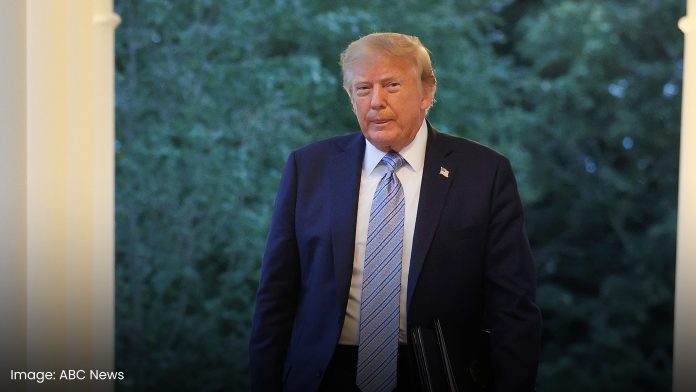
US President Donald Trump has announced plans to create an “AI Force” and appoint an artificial intelligence “czar,” presenting the initiative as part of his administration’s effort to oversee the development of the rapidly expanding technology.

In a post on Truth Social on September 19, Trump said that the United States would not “hinder or stifle” the growth of the AI industry. He argued that harmful uses of the technology could be addressed through existing criminal and civil justice systems rather than through additional restrictions on the sector.

The announcement comes amid growing debate over the risks associated with increasingly powerful AI systems. It also reflects the strategic importance Washington assigns to maintaining its lead over China in artificial intelligence.

Trump compared the proposed AI Force to the Space Force, which was established during his first administration. However, the announcement did not specify whether the new initiative would be a military or civilian body. Its proposed structure, budget, authority and implementation timeline also remain unclear.
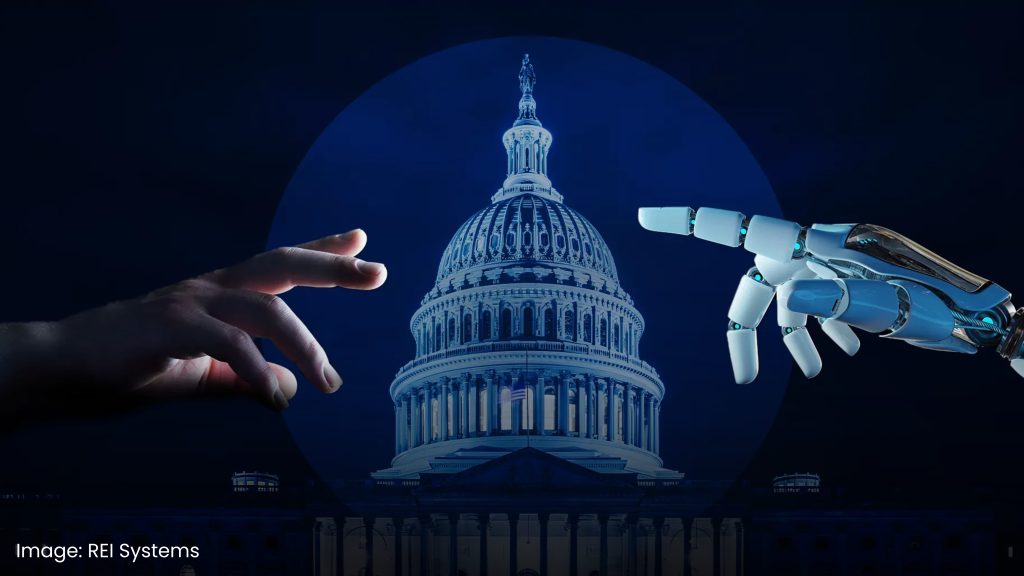
This lack of detail makes it difficult to determine how the AI Force would interact with existing government agencies and regulatory institutions. It is also uncertain whether the initiative would primarily focus on AI development, safety oversight, regulation or national security.

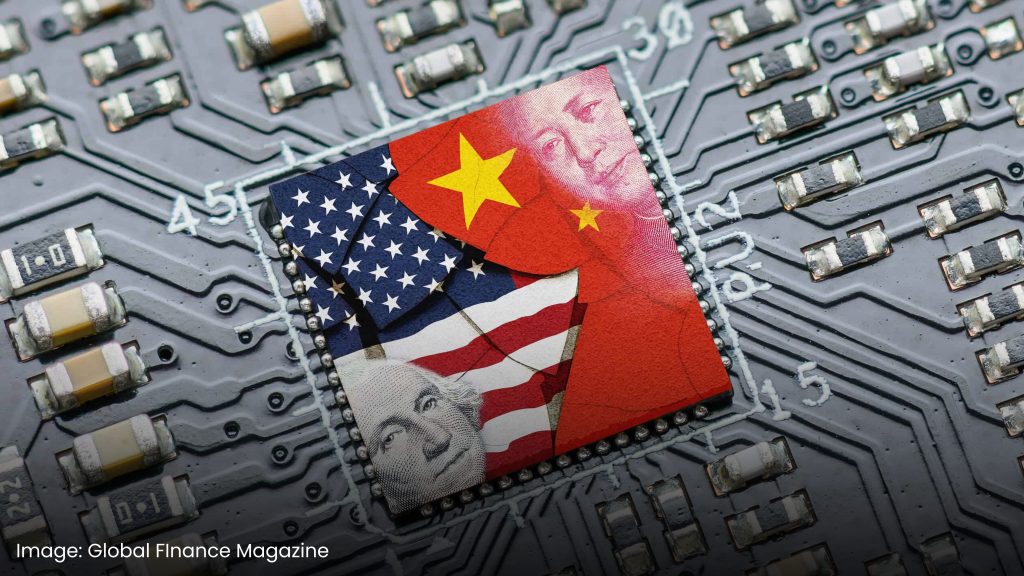
The proposal must be understood within the broader US–China technology rivalry. Washington and Beijing regard advances in AI as important to economic growth and military competitiveness. Their relationship remains strained by disputes over advanced semiconductor exports, alleged technology copying and the regulation of AI companies.

Trump has described AI as potentially more consequential than previous technological transformations, including the Industrial Revolution and the internet. He has also stated that the United States must maintain its lead over China and other countries.

This emphasis on technological competition creates a policy dilemma. Governments may view rapid AI development as necessary for economic and strategic security, but the same pressure can discourage measures perceived as slowing innovation.

Trump has dismissed concerns about AI and data centres, describing opposition to the industry as a “hoax.” He has also rejected calls for new federal AI rules, arguing that existing legal systems are sufficient to address harmful activity.

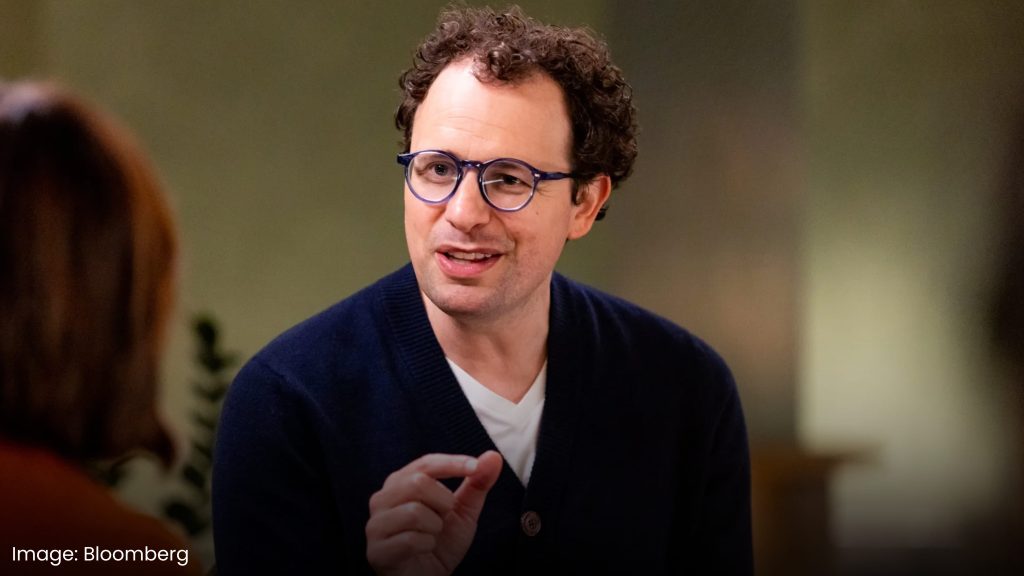
His position contrasts with warnings from technology leaders who have called for greater caution. Anthropic CEO Dario Amodei recently argued that companies should slow the pace at which they improve AI models, stating that the risks associated with increasingly powerful systems require greater prudence. OpenAI CEO Sam Altman and Elon Musk have also expressed agreement with the need for caution.
The disagreement is not simply about whether AI should be developed. It concerns the timing and nature of safeguards, the responsibilities of technology companies and the extent to which governments should intervene before serious harm occurs.

Supporters of limited regulation argue that excessive restrictions could weaken innovation and allow rival countries to gain a technological advantage. Critics contend that relying primarily on existing legal systems may be insufficient when AI systems can generate new risks at a speed that regulatory institutions struggle to match.

The proposed AI Force therefore raises questions about the future direction of US AI policy. Will it function primarily as an instrument for promoting national technological power, or will it establish stronger mechanisms for safety assessment, accountability and oversight?

The international dimension is equally important. The United States and China are expected to discuss AI in upcoming diplomatic engagements, despite their continuing disagreements over technology and strategic competition. Shared safeguards could help address risks that extend across national borders, but geopolitical rivalry may make such cooperation more difficult.

AI systems do not operate exclusively within the boundaries of one country. Their effects can involve cybersecurity, misinformation, economic disruption, military applications and the handling of personal information. This makes international coordination increasingly relevant, even when states seek to preserve their technological advantages.

The central issue is not whether the United States should pursue AI leadership. It is how that leadership should be defined and governed.

Rapid development may produce economic and scientific benefits, but technological progress without adequate safeguards can create risks that are difficult to reverse. Conversely, regulation designed without consideration for innovation may limit legitimate benefits and intensify international competition.


A responsible approach would need to address both concerns through transparent governance, independent safety assessments, clearly defined institutional authority and cooperation on shared risks.

Trump’s AI Force proposal remains at an early and undefined stage. Its eventual significance will depend on the powers it receives, the oversight mechanisms established and the extent to which safety considerations influence its decisions.

The AI race is increasingly becoming a contest not only over technological capability, but also over the principles that will govern its use.

 References

https://www.dawn.com/news/2031173/trump-says-he-will-create-ai-force-name-ai-czar
https://www.reuters.com/world/us/trump-says-he-will-create-ai-force-name-ai-czar-2026-09-19
https://www.aljazeera.com/news/2026/9/19/trump-says-he-will-create-ai-force-with-new-ai-czar

US President Donald Trump has announced plans to create an “AI Force” and appoint an artificial intelligence “czar,” presenting the initiative as part of his administration’s effort to oversee the development of the rapidly expanding technology.

In a post on Truth Social on September 19, Trump said that the United States would not “hinder or stifle” the growth of the AI industry. He argued that harmful uses of the technology could be addressed through existing criminal and civil justice systems rather than through additional restrictions on the sector.

The announcement comes amid growing debate over the risks associated with increasingly powerful AI systems. It also reflects the strategic importance Washington assigns to maintaining its lead over China in artificial intelligence.

Trump compared the proposed AI Force to the Space Force, which was established during his first administration. However, the announcement did not specify whether the new initiative would be a military or civilian body. Its proposed structure, budget, authority and implementation timeline also remain unclear.

This lack of detail makes it difficult to determine how the AI Force would interact with existing government agencies and regulatory institutions. It is also uncertain whether the initiative would primarily focus on AI development, safety oversight, regulation or national security.

The proposal must be understood within the broader US–China technology rivalry. Washington and Beijing regard advances in AI as important to economic growth and military competitiveness. Their relationship remains strained by disputes over advanced semiconductor exports, alleged technology copying and the regulation of AI companies.

Trump has described AI as potentially more consequential than previous technological transformations, including the Industrial Revolution and the internet. He has also stated that the United States must maintain its lead over China and other countries.

This emphasis on technological competition creates a policy dilemma. Governments may view rapid AI development as necessary for economic and strategic security, but the same pressure can discourage measures perceived as slowing innovation.

Trump has dismissed concerns about AI and data centres, describing opposition to the industry as a “hoax.” He has also rejected calls for new federal AI rules, arguing that existing legal systems are sufficient to address harmful activity.

His position contrasts with warnings from technology leaders who have called for greater caution. Anthropic CEO Dario Amodei recently argued that companies should slow the pace at which they improve AI models, stating that the risks associated with increasingly powerful systems require greater prudence. OpenAI CEO Sam Altman and Elon Musk have also expressed agreement with the need for caution.

The disagreement is not simply about whether AI should be developed. It concerns the timing and nature of safeguards, the responsibilities of technology companies and the extent to which governments should intervene before serious harm occurs.

Supporters of limited regulation argue that excessive restrictions could weaken innovation and allow rival countries to gain a technological advantage. Critics contend that relying primarily on existing legal systems may be insufficient when AI systems can generate new risks at a speed that regulatory institutions struggle to match.

The proposed AI Force therefore raises questions about the future direction of US AI policy. Will it function primarily as an instrument for promoting national technological power, or will it establish stronger mechanisms for safety assessment, accountability and oversight?

The international dimension is equally important. The United States and China are expected to discuss AI in upcoming diplomatic engagements, despite their continuing disagreements over technology and strategic competition. Shared safeguards could help address risks that extend across national borders, but geopolitical rivalry may make such cooperation more difficult.

AI systems do not operate exclusively within the boundaries of one country. Their effects can involve cybersecurity, misinformation, economic disruption, military applications and the handling of personal information. This makes international coordination increasingly relevant, even when states seek to preserve their technological advantages.

The central issue is not whether the United States should pursue AI leadership. It is how that leadership should be defined and governed.

Rapid development may produce economic and scientific benefits, but technological progress without adequate safeguards can create risks that are difficult to reverse. Conversely, regulation designed without consideration for innovation may limit legitimate benefits and intensify international competition.

A responsible approach would need to address both concerns through transparent governance, independent safety assessments, clearly defined institutional authority and cooperation on shared risks.

Trump’s AI Force proposal remains at an early and undefined stage. Its eventual significance will depend on the powers it receives, the oversight mechanisms established and the extent to which safety considerations influence its decisions.

The AI race is increasingly becoming a contest not only over technological capability, but also over the principles that will govern its use.

 References

https://www.dawn.com/news/2031173/trump-says-he-will-create-ai-force-name-ai-czar
https://www.reuters.com/world/us/trump-says-he-will-create-ai-force-name-ai-czar-2026-09-19
https://www.aljazeera.com/news/2026/9/19/trump-says-he-will-create-ai-force-with-new-ai-czar
spot_img

Explore more

spot_img