Gaza’s Dead Are Still Being Found. But How Long Can Justice Remain Buried?

Beneath Gaza’s Rubble: Recovering the Dead and Preserving the Evidence

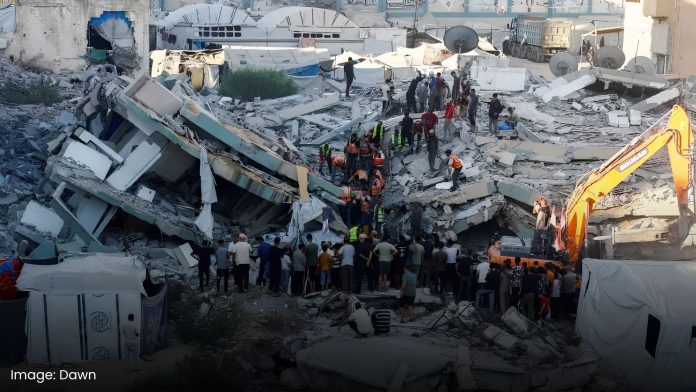
The recovery of hundreds of bodies from Gaza’s rubble has renewed international concern over possible violations of international humanitarian law. Nearly three years after the beginning of Israel’s military campaign, Palestinian Civil Defence teams continue to search destroyed buildings for human remains, while thousands of people are believed to remain buried beneath the debris.

On September 15, UN High Commissioner for Human Rights Volker Türk said that the recovery of extensive human remains, many of them belonging to women and children, had raised fresh concerns about possible war crimes. He stated that remains appearing to belong to entire families were being recovered from locations destroyed during Israeli attacks.
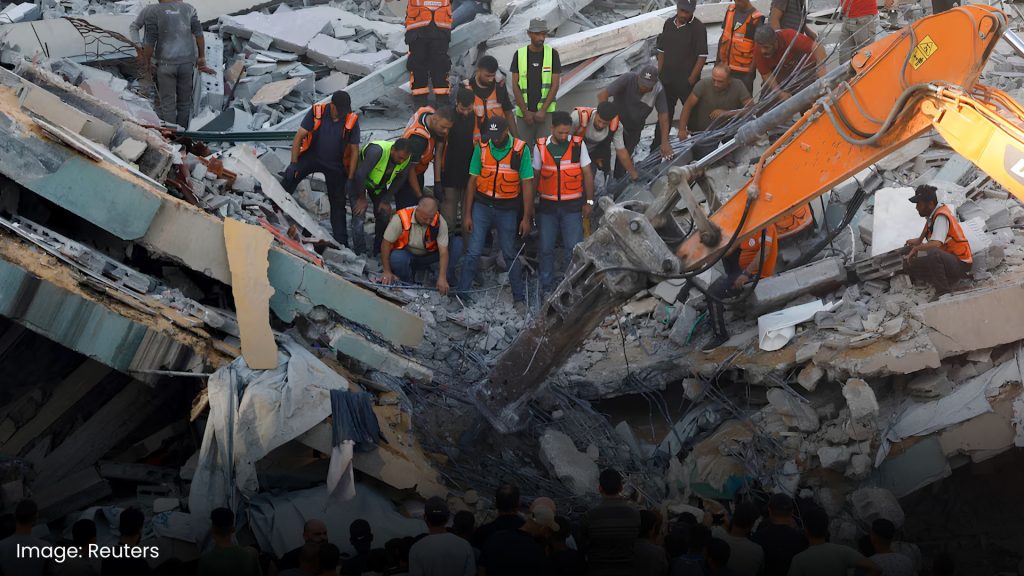
The Palestinian Civil Defence reports that more than 630 bodies and human remains were recovered from beneath destroyed buildings across Gaza between November 2025 and September 2026. Palestinian authorities estimate that more than 8,000 people remain buried under the rubble.

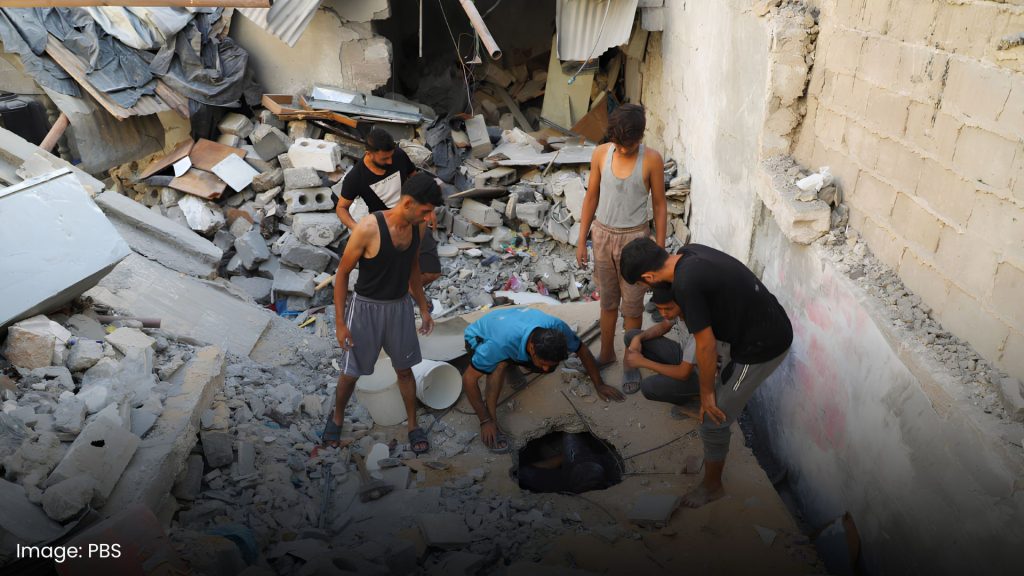
These figures reflect a crisis that extends beyond the immediate consequences of military operations. Families who lost relatives during the war have often been left without confirmation of their deaths. The absence of identification and burial has prolonged uncertainty, while the destruction of residential areas has complicated recovery efforts.

A recovery operation in the Az Zeitoun neighbourhood, southeast of Gaza City, illustrates the scale of the challenge. Palestinian Civil Defence teams reported recovering 96 bodies and human remains from a site reportedly struck in November 2023. According to the UN, the remains included 58 children and 23 women, with most recovered manually.
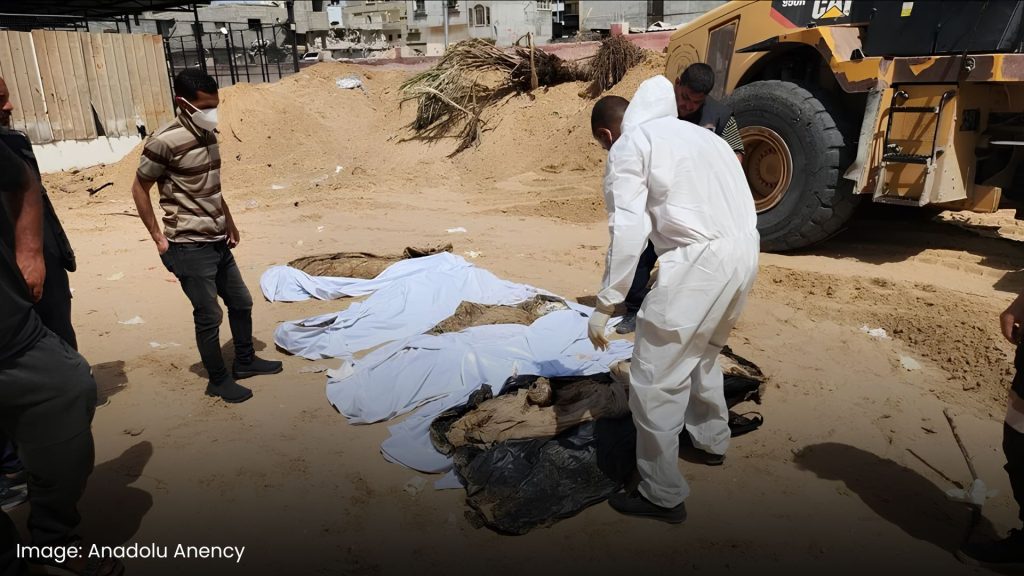
Between June 27 and August 27, Civil Defence also reported recovering 233 of 407 bodies believed to be buried beneath 20 destroyed buildings, most of them in Gaza City. The recovered remains included 74 children and 106 women.

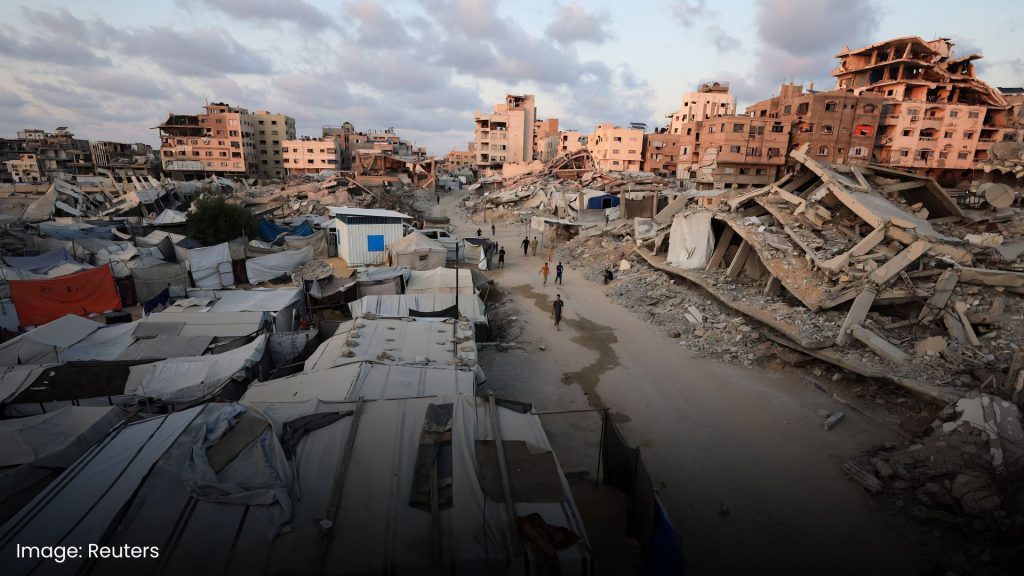
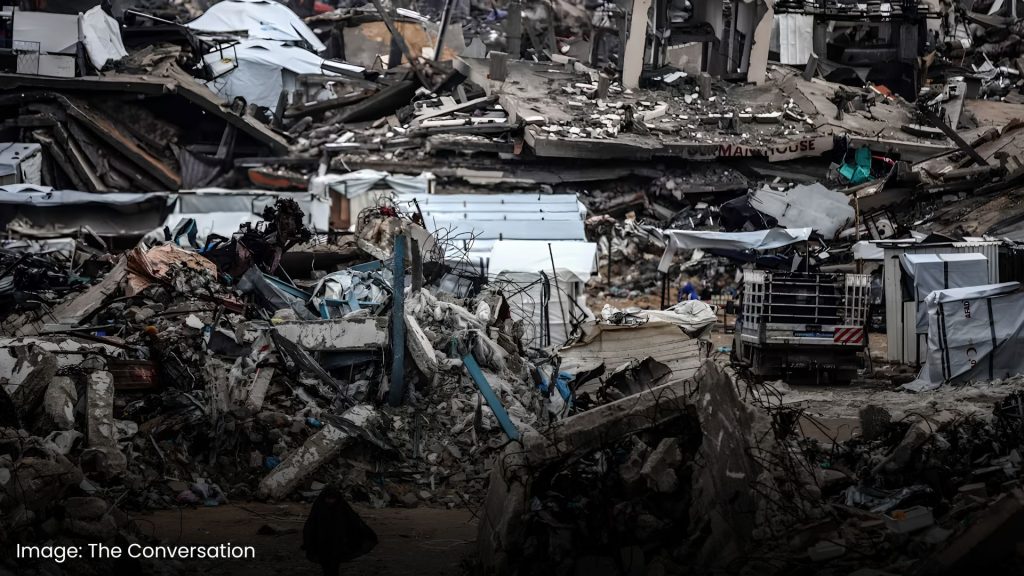
The operations have taken place amid restrictions on heavy machinery and the continuing destruction of infrastructure. The UN estimates that around 61 million tonnes of rubble and debris have accumulated across Gaza, with clearance potentially taking seven years.

However, debris removal presents a challenge beyond reconstruction. Destroyed buildings may contain human remains, personal possessions and physical evidence relevant to investigations. The rapid clearance of sites without proper documentation could compromise efforts to establish the circumstances of individual deaths.

Türk has therefore called for international investigators to be granted access to all parts of Gaza to assist with evidence-gathering. He has also urged authorities to document and identify victims, preserve forensic information and biological samples, record burial locations and inform families.
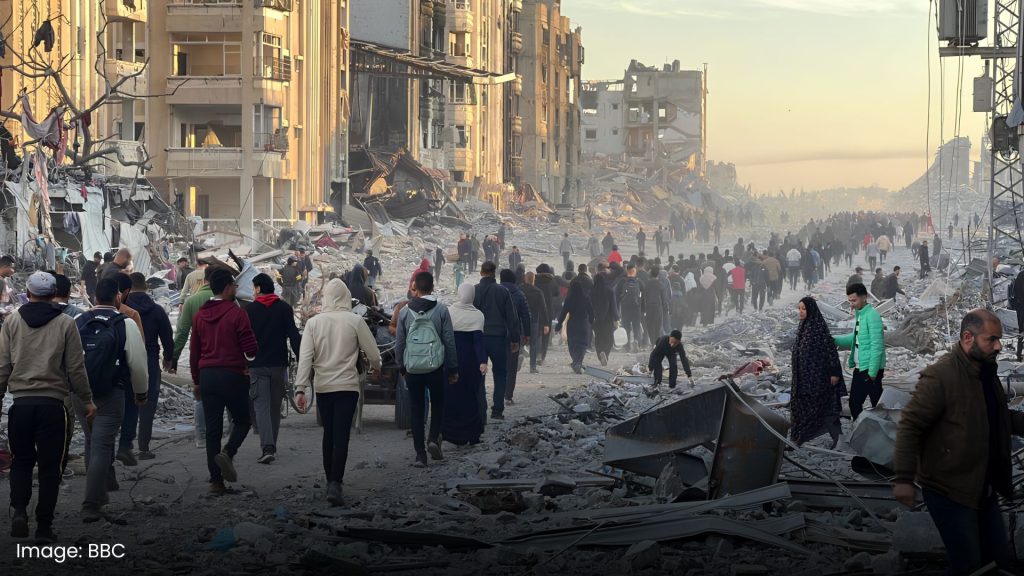
The UN’s concerns are connected to its earlier findings. A 2024 report by the UN Human Rights Office examined Israeli strikes on residential buildings and other civilian sites during the initial months of the war. It concluded that some attacks may have violated fundamental principles of international humanitarian law, including distinction, proportionality and precautions in attack.

These findings do not automatically establish criminal responsibility for every reported death. Determining whether a particular attack constituted a war crime requires an assessment of the available evidence, the circumstances of the attack and the applicable legal standards. Israel has repeatedly rejected allegations that it deliberately targets civilians and maintains that its military operations comply with international law.

Nevertheless, the UN argues that reports of large numbers of family members being killed in attacks on residential buildings warrant effective investigation. The recovery of remains may help establish the identities of victims, but it cannot independently determine how they died or whether the attacks complied with international law.

This distinction is central to the question of accountability. Humanitarian recovery addresses the immediate needs of families and ensures that victims can be identified and buried with dignity. Investigation, meanwhile, seeks to establish the circumstances of death and determine whether legal violations occurred.

The two processes must proceed together.

As Gaza faces the enormous task of clearing rubble and rebuilding destroyed communities, the preservation of evidence remains urgent. Reconstruction is necessary, but it should not come at the cost of erasing the physical record of the war.

The recovery of Gaza’s dead is therefore not simply a matter of removing bodies from beneath destroyed buildings. It is also about documenting what happened, informing families and ensuring that potential violations are not lost beneath the debris.

The dead must be recovered with dignity. The evidence must be preserved. And allegations of war crimes must be investigated through credible legal processes.

 References

https://www.un.org/unispal/document/un-human-rights-chief-says-recovery-of-remains-in-gaza-three-years-later-adds-to-palestinian-trauma
https://www.reuters.com/world/middle-east/un-rights-chief-says-uncovered-remains-gaza-raise-concerns-war-crimes-2026-09-15

https://www.reuters.com/world/middle-east/un-rights-chief-says-uncovered-remains-gaza-raise-concerns-war-crimes-2026-09-15/ https://www.ohchr.org/en/press-releases/2026/09/turk-says-recovery-remains-gaza-three-years-later-adds-palestinian-trauma

Beneath Gaza’s Rubble: Recovering the Dead and Preserving the Evidence

The recovery of hundreds of bodies from Gaza’s rubble has renewed international concern over possible violations of international humanitarian law. Nearly three years after the beginning of Israel’s military campaign, Palestinian Civil Defence teams continue to search destroyed buildings for human remains, while thousands of people are believed to remain buried beneath the debris.

On September 15, UN High Commissioner for Human Rights Volker Türk said that the recovery of extensive human remains, many of them belonging to women and children, had raised fresh concerns about possible war crimes. He stated that remains appearing to belong to entire families were being recovered from locations destroyed during Israeli attacks.

The Palestinian Civil Defence reports that more than 630 bodies and human remains were recovered from beneath destroyed buildings across Gaza between November 2025 and September 2026. Palestinian authorities estimate that more than 8,000 people remain buried under the rubble.

These figures reflect a crisis that extends beyond the immediate consequences of military operations. Families who lost relatives during the war have often been left without confirmation of their deaths. The absence of identification and burial has prolonged uncertainty, while the destruction of residential areas has complicated recovery efforts.

A recovery operation in the Az Zeitoun neighbourhood, southeast of Gaza City, illustrates the scale of the challenge. Palestinian Civil Defence teams reported recovering 96 bodies and human remains from a site reportedly struck in November 2023. According to the UN, the remains included 58 children and 23 women, with most recovered manually.

Between June 27 and August 27, Civil Defence also reported recovering 233 of 407 bodies believed to be buried beneath 20 destroyed buildings, most of them in Gaza City. The recovered remains included 74 children and 106 women.

The operations have taken place amid restrictions on heavy machinery and the continuing destruction of infrastructure. The UN estimates that around 61 million tonnes of rubble and debris have accumulated across Gaza, with clearance potentially taking seven years.

However, debris removal presents a challenge beyond reconstruction. Destroyed buildings may contain human remains, personal possessions and physical evidence relevant to investigations. The rapid clearance of sites without proper documentation could compromise efforts to establish the circumstances of individual deaths.

Türk has therefore called for international investigators to be granted access to all parts of Gaza to assist with evidence-gathering. He has also urged authorities to document and identify victims, preserve forensic information and biological samples, record burial locations and inform families.
The UN’s concerns are connected to its earlier findings. A 2024 report by the UN Human Rights Office examined Israeli strikes on residential buildings and other civilian sites during the initial months of the war. It concluded that some attacks may have violated fundamental principles of international humanitarian law, including distinction, proportionality and precautions in attack.

These findings do not automatically establish criminal responsibility for every reported death. Determining whether a particular attack constituted a war crime requires an assessment of the available evidence, the circumstances of the attack and the applicable legal standards. Israel has repeatedly rejected allegations that it deliberately targets civilians and maintains that its military operations comply with international law.

Nevertheless, the UN argues that reports of large numbers of family members being killed in attacks on residential buildings warrant effective investigation. The recovery of remains may help establish the identities of victims, but it cannot independently determine how they died or whether the attacks complied with international law.

This distinction is central to the question of accountability. Humanitarian recovery addresses the immediate needs of families and ensures that victims can be identified and buried with dignity. Investigation, meanwhile, seeks to establish the circumstances of death and determine whether legal violations occurred.

The two processes must proceed together.

As Gaza faces the enormous task of clearing rubble and rebuilding destroyed communities, the preservation of evidence remains urgent. Reconstruction is necessary, but it should not come at the cost of erasing the physical record of the war.

The recovery of Gaza’s dead is therefore not simply a matter of removing bodies from beneath destroyed buildings. It is also about documenting what happened, informing families and ensuring that potential violations are not lost beneath the debris.

The dead must be recovered with dignity. The evidence must be preserved. And allegations of war crimes must be investigated through credible legal processes.

 References

https://www.un.org/unispal/document/un-human-rights-chief-says-recovery-of-remains-in-gaza-three-years-later-adds-to-palestinian-trauma
https://www.reuters.com/world/middle-east/un-rights-chief-says-uncovered-remains-gaza-raise-concerns-war-crimes-2026-09-15

https://www.reuters.com/world/middle-east/un-rights-chief-says-uncovered-remains-gaza-raise-concerns-war-crimes-2026-09-15/ https://www.ohchr.org/en/press-releases/2026/09/turk-says-recovery-remains-gaza-three-years-later-adds-palestinian-trauma

spot_img

Explore more

spot_img
Global Affairs

From Deterrence to Normalisation: The New Front in Space Security

The Far Right Lost Ground in Sweden? But has its Politics...

The New Delhi Declaration: Can BRICS Bridge Its Own Fault Lines?

Political Terrorism Is Rising Fast in the US, and the Country...

25 Years After 9/11, DHS Declares Itself Permanently at W*r

US Stopped Tracking Famine Risk in Afghanistan, Somalia and Yemen

Europe’s “Toughest Ever” Migration Crackdown Is Arriving

Another Trump Post, Another Diplomatic Backlash