The British Museum Erased Palestine From Its Displays. Now It Has Been Caught Lying About Why.
Isla Montclair
A freedom of information investigation by Middle East Eye has confirmed that the British Museum’s public justification for removing Palestine from its displays was false. Here is what the evidence actually shows about how and why it happened.
What the British Museum Did and What It Claimed
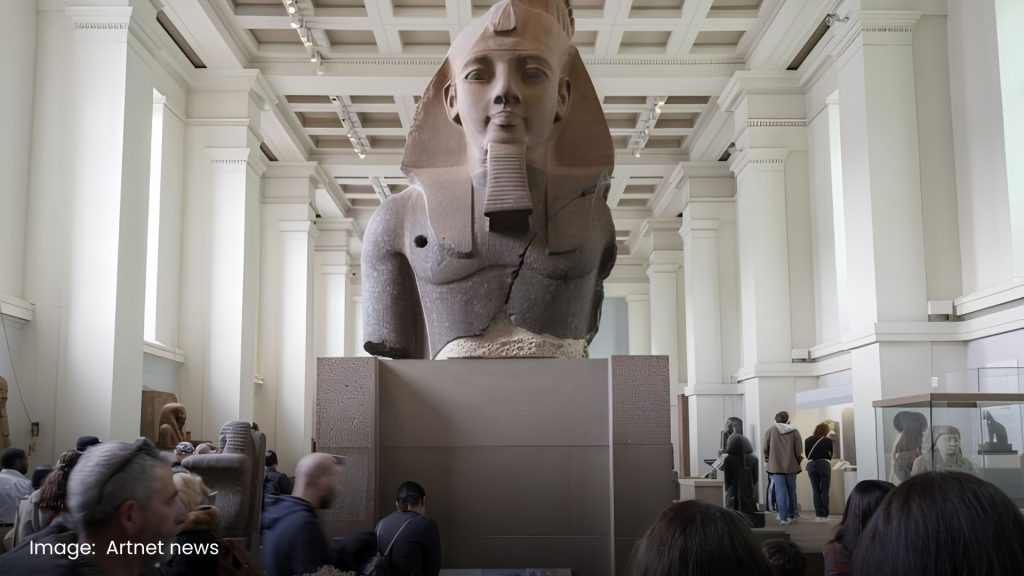
The British Museum removed the terms Palestine, Palestinian and Israelite occupation from its displays in direct response to months of lobbying in 2024, a Middle East Eye investigation has found.
In February 2026, the museum defended its decision to alter some displays, saying that audience testing showed the term Palestine to be no longer meaningful. However, a new disclosure by the museum to Middle East Eye, in response to a freedom of information request, confirmed that no such testing was carried out, nor any visitor research related to the term Palestine.
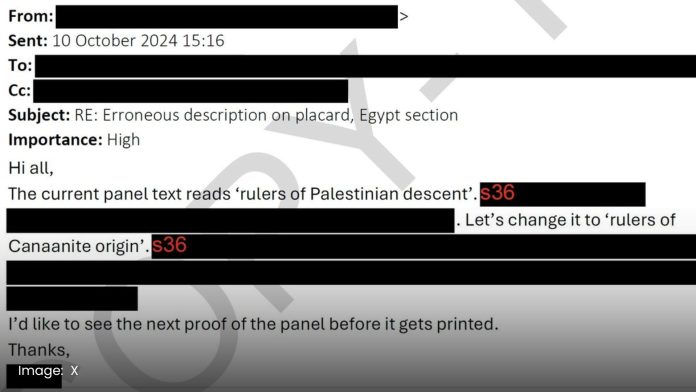
The museum’s director Nick Cullinan told Scottish historian William Dalrymple, who has 1.2 million followers on X, that he had known nothing of a February 2026 intervention by UK Lawyers for Israel. Though heavily redacted, Middle East Eye’s analysis of the internal emails appears to belie the claim. The museum acknowledged that the redactions were made by Cullinan himself.
The museum’s official public statement has continued to insist that it still uses Palestine across a series of galleries. But the investigation identified specific cases where the language was changed directly in response to the lobbying, with no internal academic process to justify it.
What Actually Drove the Changes
The changes to displays dating as far as 7,500 BCE came after private and public complaints by organisations and high-profile individuals supportive of Israel between October and December 2024, museum emails show. Complainants include a former Daily Mail showbiz editor, a prominent historian and the Board of Deputies of British Jews, a pro-Israel Jewish community organisation which recently partnered with the museum on events marking Jewish Culture Month.
The lobbying group UK Lawyers for Israel wrote to the British Museum calling for a review of its collections and to revise the descriptions of its artefacts so that regions are referred to by such names as Canaan, the Kingdoms of Israel and Judah, or Judea according to the relevant period. It claimed that some maps and descriptions used the term Palestine to refer to periods when no such entity existed and risked obscuring the history of Israel and the Jewish people.
One specific example of what changed: in a panel on the Hyksos people in the 17th and 16th centuries BCE, the phrase Palestinian descent was changed to Canaanite descent.
What Historians and Academics Say
The museum’s claim that Palestine is no longer a meaningful historical geographic term has found no support in the academic community. Every historian and curator consulted, on and off the record, reiterated the same point: Palestine is the conventional term used in academia for this part of the world. Marchella Ward, a classical historian and lecturer at the Open University, said: “I don’t know another ancient historian that wouldn’t use the term ancient Palestine. The idea that this is somehow a term that’s problematic is just simply untrue within the field.”
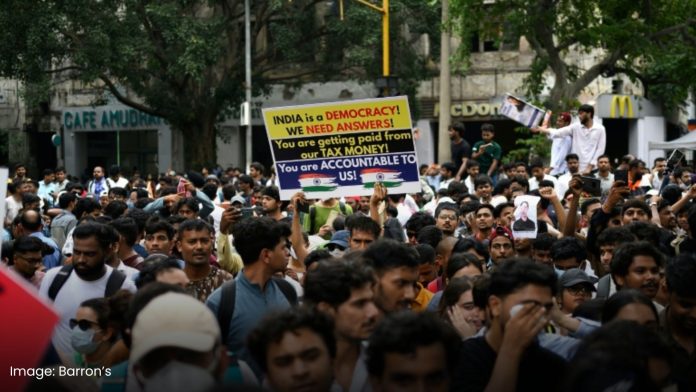
A petition launched by academics argues that the removal of the term is not supported by historical evidence and contributes to a wider pattern of erasing Palestinian presence from public memory. The petition adds: “If the British Museum is genuinely concerned about modern etymology, then consistency would require similar scrutiny of terms such as Britain, which is itself a relatively modern political construct. Yet Britain remains unchallenged in the museum’s own galleries.”
More than 6,800 people have signed the petition calling for the labels to be reinstated.
The Palestinian Response
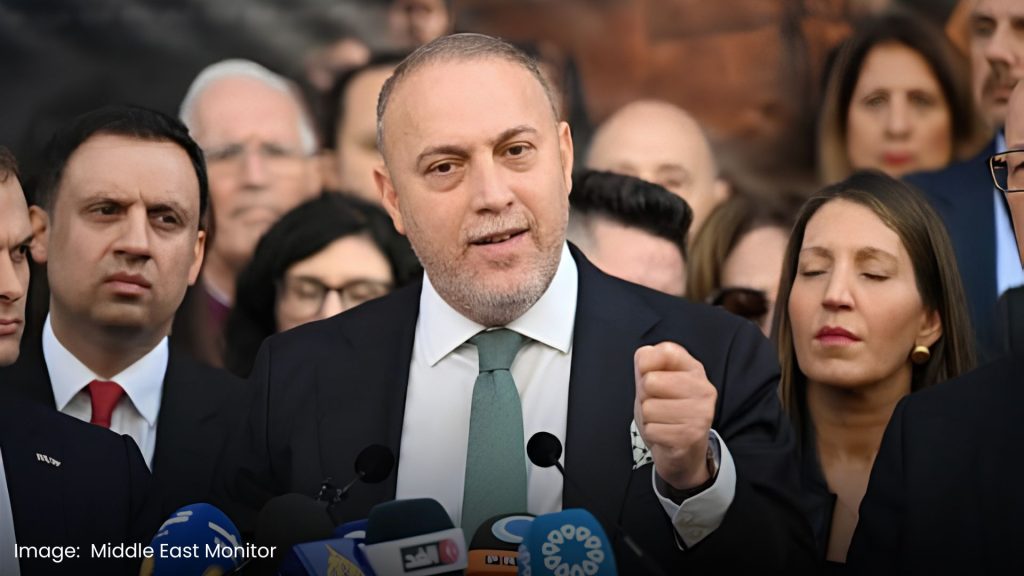
Husam Zumlot, the Palestinian ambassador in the UK, told Middle East Eye that the removal of references to Palestine in the museum’s galleries was absolutely existential for us and said he had previously written to the museum and to the British government to demand their restoration.
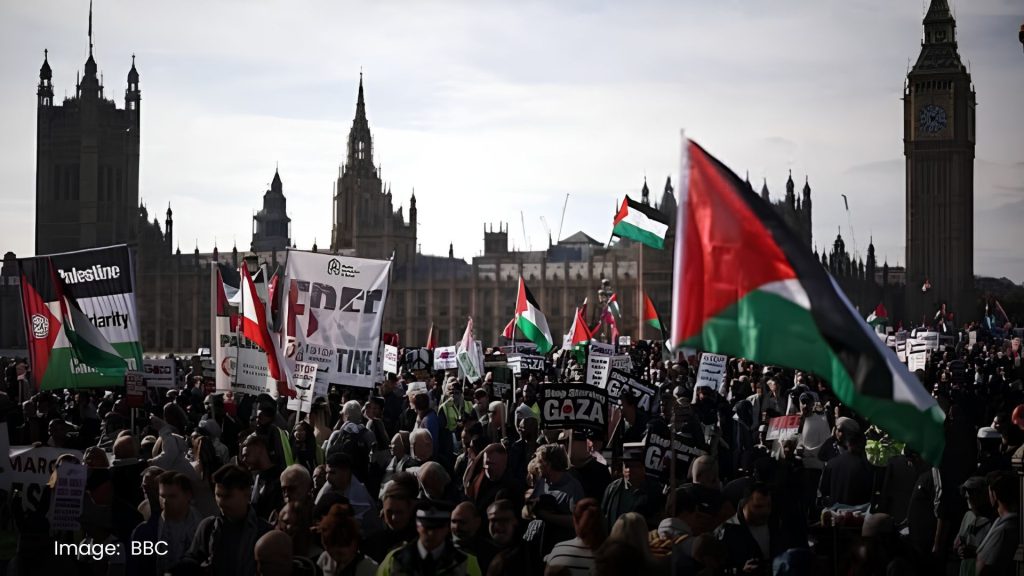
The decision of Britain’s premier cultural institution to respond to this pressure has prompted a furious backlash from scholars in Middle Eastern history, archaeologists and experts in ancient Levantine cultures. They have criticised the British Museum’s decision as part of a systematic attack on Palestinian cultural identity that contributes to the erasure of Palestinian history.
Who Is UK Lawyers for Israel and What Else Have They Done
UKLFI has filed complaints against pro-Palestinian musicians Bob Vylan and Kneecap. It challenged the UK government’s decision to suspend 30 out of 350 arms licences to Israel and filed a misconduct complaint against the International Criminal Court’s prosecutor Karim Khan, who issued arrest warrants for Netanyahu and his then Defence Minister Yoav Gallant. It played a key role, along with other Zionist lobby groups, in persuading the British government to proscribe Palestine Action as a terrorist group. The Public Interest Law Centre and the European Legal Support Centre filed a 114-page complaint accusing UKLFI of issuing vexatious and legally baseless threats, described as strategic lawsuits against public participation intended to intimidate and silence.
The Solicitors Regulation Authority confirmed it had opened a formal investigation into UKLFI. The Charity Commission announced an active case examining the UKLFI Charitable Trust and its relationship to the lobbying company of the same name, a dual structure that enables an organisation to receive tax-deductible charitable donations while engaging in political activity normally prohibited for charities.
The British Museum Is Not Alone
The British Museum is not the only museum facing these issues. A similar case was recently seen at the Royal Ontario Museum in Toronto, Canada. The pattern of pressure on cultural institutions to alter how Palestinian history is presented is documented across multiple countries.
The British Museum declined to substantively comment on Middle East Eye’s findings, instead reiterating a press statement made in February. The statement does not address the confirmed absence of the audience testing it previously cited as justification. The investigation has exposed not just a labelling change but a gap between what one of the world’s most prominent cultural institutions told the public and what its own internal records show.
Sources:
Exclusive: British Museum made false claims about its removal of Palestine from displays, Middle East Eye: https://www.middleeasteye.net/big-story/exclusive-how-british-museum-made-false-claims-about-its-removal-palestine-displays
Why Did the British Museum Remove References to Palestine, New Lines Magazine: https://newlinesmag.com/reportage/why-did-the-british-museum-remove-references-to-palestine/
Erasing history: British Museum criticised for removing references to Palestine from exhibits, Middle East Eye: https://www.middleeasteye.net/news/british-museum-removal-term-palestine-displays-part-systematic-attempt-erase-it-history
Row after British Museum removes term Palestine from some displays, Museums Association: https://www.museumsassociation.org/museums-journal/news/2026/02/row-after-british-museum-removes-term-palestine-from-some-displays/
British Museum caves in to Zionist lobby group removes Palestine from Ancient Middle East displays, World Socialist Web Site: https://www.wsws.org/en/articles/2026/02/22/gyuc-f22.html
Has the British Museum really removed references to Palestine from exhibits, France 24: https://www.france24.com/en/europe/20260225-british-museum-remove-references-palestine-exhibits-confusion-questions-decision
The British Museum and Palestine: On Misinformation Zionist Lobbying Cultural Erasure and Complicity in Genocide, Everyday Orientalism: https://everydayorientalism.wordpress.com/2026/02/25/the-british-museum-and-palestine-on-misinformation-zionist-lobbying-cultural-erasure-and-complicity-in-genocide/