The Doctor On Your Feed May Be A Deepfake.

AI Is Making Health Scams Look Trusted

Medical misinformation used to look like bad advice from a stranger online. Now it can look like a doctor, sound like a doctor and speak with the confidence of someone who spent years in medical training.

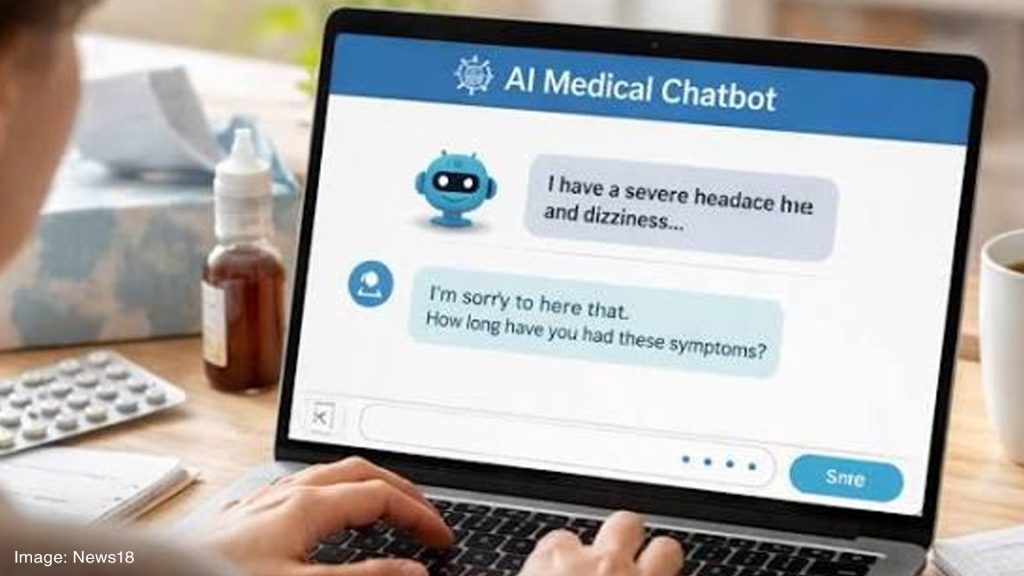
That is the danger at the centre of a growing AI health crisis. A study published in The Lancet Digital Health tested 20 large language models across more than 3.4 million medical prompts and found that AI systems accepted false medical claims 32% of the time. Some weaker models accepted false claims far more often.

The Lie Works Better When It Sounds Clinical

The study found that false health claims became more convincing to AI systems when they were written in confident medical language. In other words, the danger is not only that chatbots can be wrong. It is that they can be fooled by the appearance of authority.

That matters because millions of people already use chatbots to ask health questions, understand symptoms or interpret medical advice. A false claim repeated in a calm clinical tone can feel safer than it is.
Fake Doctors Are Now Selling Real Scams

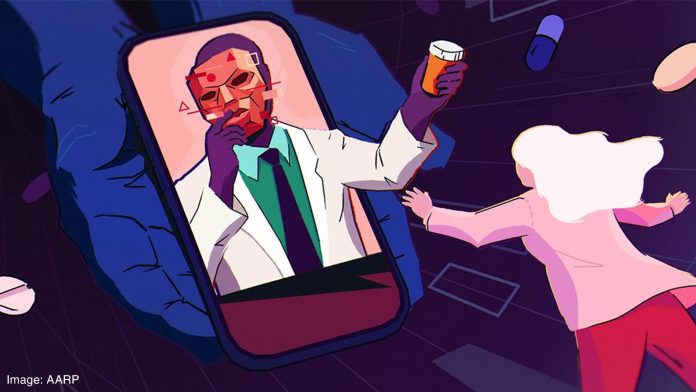
The same problem is spreading across social media. Fact-checkers have found hundreds of AI deepfake videos using the faces and voices of real doctors, academics and public-health figures to promote supplements, fake cures and medical misinformation.

Full Fact found deepfake videos impersonating real medical professionals, including Prof David Taylor-Robinson and former Public Health England chief Duncan Selbie. Some videos pushed invented conditions and unproven products. Others used cloned voices and altered footage to make fake endorsements look real.

One Doctor, Fourteen Fakes, Six Weeks

Taylor-Robinson is a children’s public health doctor at the University of Liverpool. He is not a menopause expert. He is not even on TikTok. Yet fourteen fake videos showed a convincing version of him inventing a menopause symptom called thermometer leg and recommending supplements to treat it. One video passed 365,000 views.

When his university reported the videos, TikTok first said no rules had been broken. Removal took six weeks. By then, a friend’s wife had nearly been taken in by the fake, saved only because her daughter spotted it. If the people who know a doctor personally can almost be fooled, strangers scrolling past never stood a chance.

The Scam Is Becoming Industrial

This is not just one fake video. Full Fact found evidence of an affiliate-style scam economy, where people were allegedly guided on how to create deepfake doctor videos, clone voices, write scripts in multiple languages and avoid platform detection.

That means the scam can scale quickly. One trusted face can be copied again and again. One fake medical claim can be repackaged for different countries, languages and audiences.

Africa Is Already Seeing The Damage

In South Africa, Africa Check debunked a deepfake falsely portraying epidemiologist Salim Abdool Karim making false claims about Covid-19 vaccines. In Kenya, fact-checkers have documented fake medical and celebrity endorsement videos pushing questionable health products.

The danger is sharper in places where healthcare is expensive, public trust is fragile and people are already forced to search online for answers. When the system fails people, a fake doctor on a phone screen becomes easier to believe.
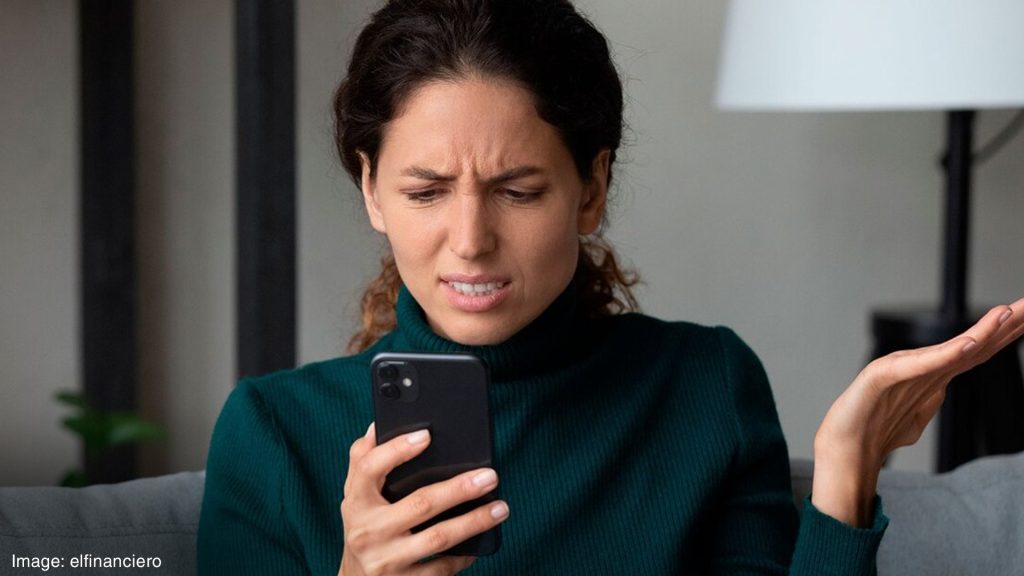
The Real Target Is Trust

The biggest victim is not only the person who buys a fake supplement or follows bad advice. It is public trust itself.

Medicine depends on trust. AI can now borrow a doctor’s face, clone a doctor’s voice and imitate a doctor’s confidence. Once people cannot tell real medical advice from synthetic authority, every health decision becomes harder.

The next health scam may not look suspicious.

It may look familiar.

Sources Used

The Lancet Digital Health  |  Euronews  |  Full Fact  |  The Guardian  |  Africa Check  |  STAT News
AI Is Making Health Scams Look Trusted

Medical misinformation used to look like bad advice from a stranger online. Now it can look like a doctor, sound like a doctor and speak with the confidence of someone who spent years in medical training.

That is the danger at the centre of a growing AI health crisis. A study published in The Lancet Digital Health tested 20 large language models across more than 3.4 million medical prompts and found that AI systems accepted false medical claims 32% of the time. Some weaker models accepted false claims far more often.

The Lie Works Better When It Sounds Clinical

The study found that false health claims became more convincing to AI systems when they were written in confident medical language. In other words, the danger is not only that chatbots can be wrong. It is that they can be fooled by the appearance of authority.

That matters because millions of people already use chatbots to ask health questions, understand symptoms or interpret medical advice. A false claim repeated in a calm clinical tone can feel safer than it is.

Fake Doctors Are Now Selling Real Scams

The same problem is spreading across social media. Fact-checkers have found hundreds of AI deepfake videos using the faces and voices of real doctors, academics and public-health figures to promote supplements, fake cures and medical misinformation.

Full Fact found deepfake videos impersonating real medical professionals, including Prof David Taylor-Robinson and former Public Health England chief Duncan Selbie. Some videos pushed invented conditions and unproven products. Others used cloned voices and altered footage to make fake endorsements look real.

One Doctor, Fourteen Fakes, Six Weeks

Taylor-Robinson is a children’s public health doctor at the University of Liverpool. He is not a menopause expert. He is not even on TikTok. Yet fourteen fake videos showed a convincing version of him inventing a menopause symptom called thermometer leg and recommending supplements to treat it. One video passed 365,000 views.

When his university reported the videos, TikTok first said no rules had been broken. Removal took six weeks. By then, a friend’s wife had nearly been taken in by the fake, saved only because her daughter spotted it. If the people who know a doctor personally can almost be fooled, strangers scrolling past never stood a chance.

The Scam Is Becoming Industrial

This is not just one fake video. Full Fact found evidence of an affiliate-style scam economy, where people were allegedly guided on how to create deepfake doctor videos, clone voices, write scripts in multiple languages and avoid platform detection.

That means the scam can scale quickly. One trusted face can be copied again and again. One fake medical claim can be repackaged for different countries, languages and audiences.

Africa Is Already Seeing The Damage

In South Africa, Africa Check debunked a deepfake falsely portraying epidemiologist Salim Abdool Karim making false claims about Covid-19 vaccines. In Kenya, fact-checkers have documented fake medical and celebrity endorsement videos pushing questionable health products.

The danger is sharper in places where healthcare is expensive, public trust is fragile and people are already forced to search online for answers. When the system fails people, a fake doctor on a phone screen becomes easier to believe.

The Real Target Is Trust

The biggest victim is not only the person who buys a fake supplement or follows bad advice. It is public trust itself.

Medicine depends on trust. AI can now borrow a doctor’s face, clone a doctor’s voice and imitate a doctor’s confidence. Once people cannot tell real medical advice from synthetic authority, every health decision becomes harder.

The next health scam may not look suspicious.

It may look familiar.

Sources Used

The Lancet Digital Health  |  Euronews  |  Full Fact  |  The Guardian  |  Africa Check  |  STAT News
spot_img

Explore more

spot_img
Global Affairs

China Has Written Uyghur Erasure Into Law.

Christopher Nolan Filmed The Odyssey On Occupied Land. Behind It Sits...

From Teen Suicide To Fake Nudes: The Human Cost Of The...

She Was Blinded At 14. Bollywood Called It “Limited Damage.”

Isr*el’s Sexual Abuse Crisis Is Not A Scandal. It Is A...

Qualified, Shortlisted, Then Shut Out: Black Doctors In The UK Face...

Behind Messi’s Silence On Gaza Lies A Web Of Isr*eli Ties

The Fight For Jerusalem Begins With Who Controls Its Story