
Mental Health Crisis Is Accelerating
One person dies by suicide every 43 seconds globally.
That statistic alone is difficult to process. But behind it sits an even larger reality: more than one billion people worldwide are now living with a mental health condition, according to data highlighted during the World Health Assembly’s 79th session in Geneva this week.
The numbers are no longer isolated warning signs. They are pointing toward a worldwide psychological crisis unfolding in real time.
According to the World Health Organization, roughly one in eight people globally now lives with a mental health disorder. Anxiety disorders affect more than 300 million people worldwide. Depression affects another 280 million. Suicide remains one of the leading causes of death among young people globally, particularly those between the ages of 15 and 29. For years, mental health discussions were treated as secondary public-health conversations. Today, the scale of the numbers is becoming impossible to ignore.

Gen Z Burnout And The Social Media Era
The crisis is especially visible among younger generations.
Multiple 2026 studies show Gen Z reporting record levels of burnout, anxiety, emotional exhaustion, and depression. According to recent survey data, 94 percent of Gen Z report experiencing monthly mental health struggles, while 83 percent say they regularly experience burnout. Depression among adults under 30 has more than doubled since 2017.
The generation raised during the rise of smartphones, social media, economic instability, and nonstop online connectivity is increasingly describing itself as emotionally overwhelmed. Researchers have repeatedly linked excessive social media exposure to rising loneliness, anxiety, self-esteem issues, and emotional fatigue among young users. Among young women specifically, 91 percent say social media negatively impacts their mental health.
Mental health experts increasingly warn that young people are growing up in environments defined by algorithmic pressure, constant comparison, economic insecurity, political instability, and exposure to traumatic global events through their phones every day. The result is a generation that appears deeply connected digitally while simultaneously feeling emotionally isolated.
The Four-Cent Mental Healthcare Scandal
But the most disturbing part of the crisis may not be the numbers themselves. It may be how little the world is spending to stop it.
According to WHO data, the median government spending globally on mental health is just 2 percent of national health budgets. In some low-income countries, annual spending on mental healthcare is as low as four cents per person per year. In comparison, high-income countries spend nearly 1,600 times more per person on mental healthcare. That gap is not a funding shortfall. It is a structural abandonment.
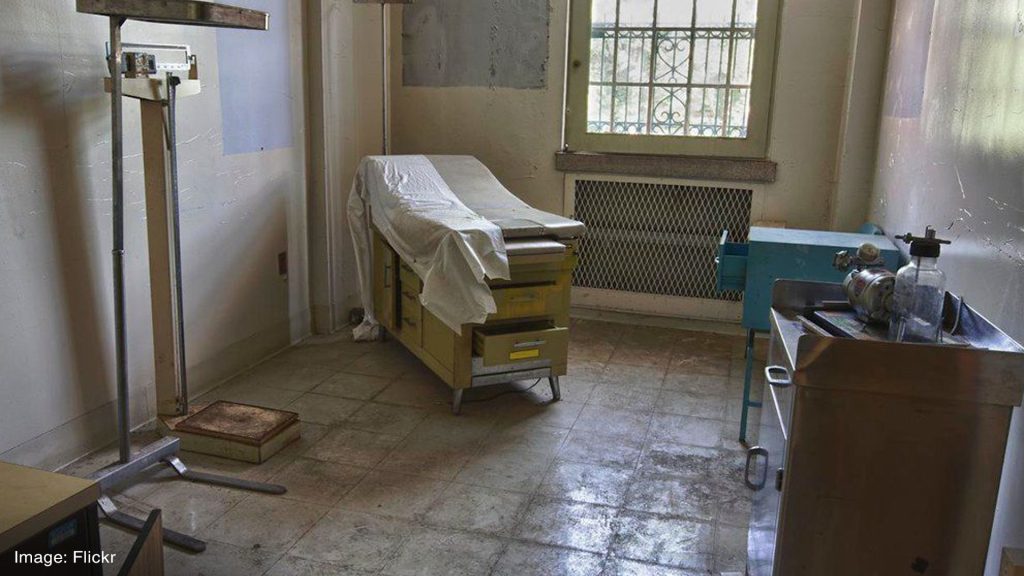
The consequences are devastating. In parts of sub-Saharan Africa, nine out of ten people living with mental health conditions receive no treatment at all. In many low-income countries, there is roughly one psychiatrist for every million people. Globally, more than 70 percent of people living with psychosis receive no mental health services whatsoever.
The WHO Is Being Defunded While The Crisis Worsens
The crisis has become even more alarming as the one institution built to coordinate the global response is being systematically dismantled.
The WHO currently faces a 45 percent budget gap for 2026 to 2027. The United States and Argentina have both formally withdrawn funding support. WHO has already announced the elimination of 1,282 staff positions, slashing programmes across emergency response, tuberculosis, maternal care, and mental health. The world’s poorest populations are bearing the cost of that withdrawal most directly.
Mental health, already the most underfunded area in global healthcare, is now losing even the minimal international coordination it had.
The Economic And Human Cost
Mental health disorders are now among the leading contributors to disability worldwide. The World Health Organization estimates that depression and anxiety alone cost the global economy one trillion dollars per year in lost productivity. Experts warn the true figure, accounting for untreated conditions, unemployment, and reduced workforce participation, is significantly higher.
But behind the economic numbers sits a more human reality. Millions of people are silently navigating burnout, panic attacks, emotional exhaustion, loneliness, trauma, addiction, depression, and suicidal thoughts while trying to continue functioning normally in everyday life.
The 43-seconds statistic, drawn from the most comprehensive global suicide analysis ever published in The Lancet Public Health, represents a real person. Every 43 seconds. Around the clock. Every day.

The crisis was never really hidden. The question is whether the world will decide it is worth treating before another generation grows up without the systems to support them.
By Shizza Farooqui
Sources
WHO Mental Health Fact Sheets | Al Jazeera Mental Health Data Breakdown, 21 May 2026 | The Lancet Public Health Suicide Study, February 2025 | IHME Suicide Data Research | WHO Mental Health Atlas 2024 | United for Global Mental Health WHA79 Briefing | Swiss Info WHO Funding Crisis Report, May 2026