After 21 hours of failed peace talks in Islamabad, Trump’s response was swift. He sent in the Navy.
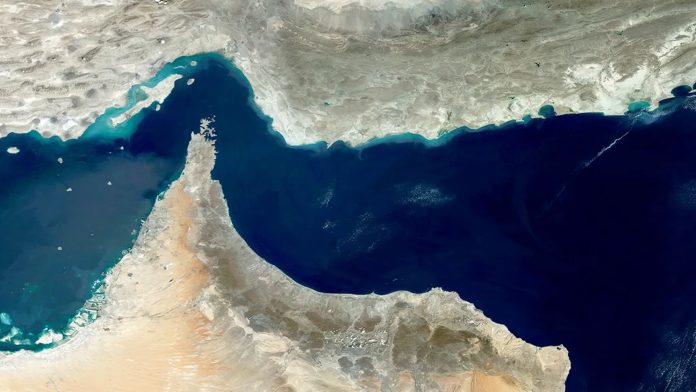
The US military blockade of Iranian ports began at 10AM ET on Monday, with CENTCOM confirming it had “completely halted economic trade going into and out of Iran by sea.” The US has at least 15 ships in the region including an aircraft carrier and 11 destroyers. Ships travelling between non-Iranian ports can still pass freely. For everyone else, the door is shut.
The blockade is more targeted than Trump’s original announcement suggested but the consequences are anything but. Brent crude rose toward $100 a barrel on Monday. The US Energy Secretary warned prices will stay high, possibly rising further, until meaningful ship traffic gets through again. He expects that to take weeks.
What the blockade also revealed is how isolated Washington has become. The UK refused to join, with Keir Starmer saying his focus was reopening the strait rather than closing it further. France and the UK are now co-organising a summit of over 40 nations for a separate peaceful mission to reopen it. Australia said it received no request from Washington at all.
Iran’s parliament speaker Mohammad Bagher Ghalibaf posted a map of US gas prices near the White House. The caption read: “Enjoy the current price of gasoline. With what is being called a blockade, you will soon miss $4 to $5 gas.”
Trump says Iran has been calling since talks collapsed. “They’d like to make a deal. Very badly,” he told reporters. A second round of talks in Pakistan is expected within days. Whether the blockade brings Iran back to the table or pushes the region closer to open conflict is the only question that matters right now.