US Forces Shoot Down Iranian Drones in Strait of Hormuz as Iran Frames 100 Day War as Survival Victory
Maryam Tariq
Strait of Hormuz Escalation
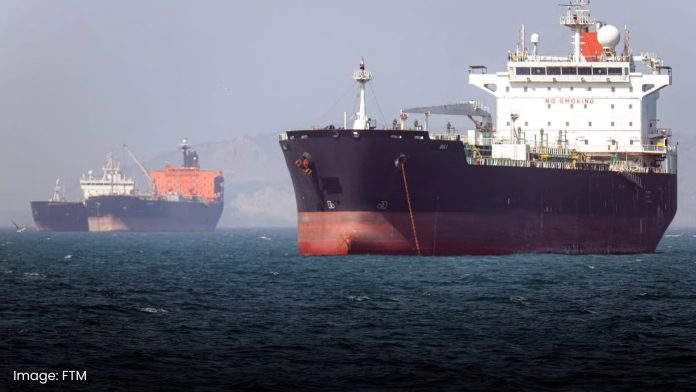
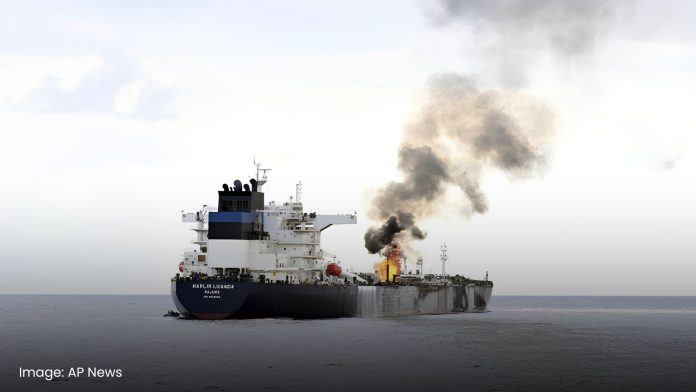
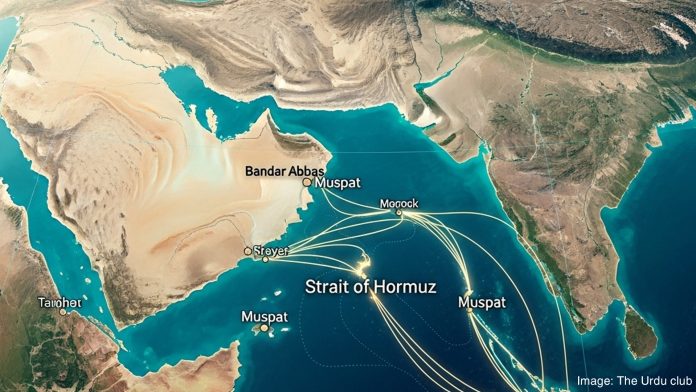
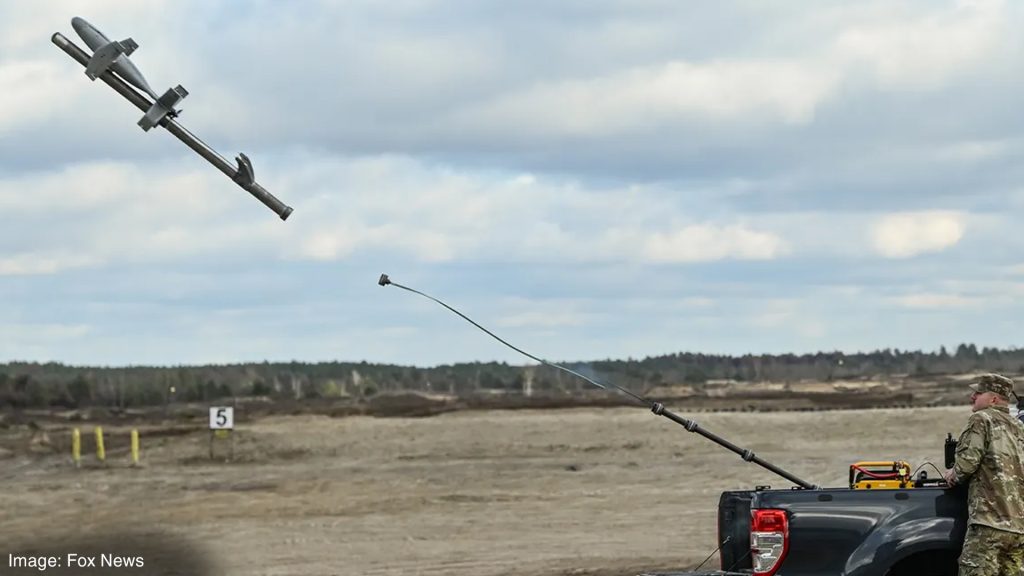
US forces shot down Iranian drones over the Strait of Hormuz as tensions between Iran, the United States and Israel entered a prolonged 100 day phase of conflict. The Strait of Hormuz, one of the world’s most important oil shipping routes, remains heavily disrupted due to ongoing military activity and restricted maritime movement.
According to regional reports, Iran has continued limiting vessel passage through the Strait, allowing only selected ships to pass. The situation has raised concerns over global energy stability and maritime security as the conflict expands beyond direct battlefield zones.
US Iranian Military Confrontation
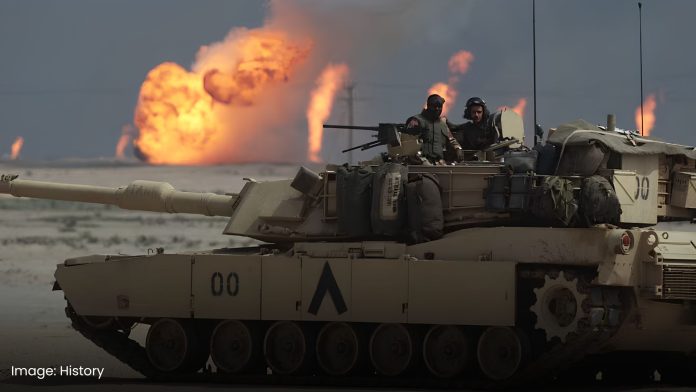
The drone interception reflects continued direct military encounters between US forces and Iranian operations in the region. The US has responded to repeated aerial and missile activity with defensive measures aimed at protecting naval routes and allied positions.
Officials have stated that maintaining freedom of navigation in the Gulf remains a strategic priority, even as hostilities widen across multiple fronts including Lebanon and surrounding maritime corridors.
Iran War 100 Days Losses and Military Impact
Independent assessments of the conflict indicate that Iran has suffered significant losses over the 100 day period. Reports estimate more than 3,400 Iranian citizens have been killed since the start of the war, alongside damage to military infrastructure and command systems.
Analysts also note that Iranian missile and drone activity dropped sharply in the early phase of the war due to sustained US and Israeli strikes that targeted launch systems and logistical networks.
Despite these losses, Iran has continued to maintain operational capabilities in limited form and has adapted its strategy toward asymmetric pressure, particularly through maritime leverage.
Iran Survival Strategy and Political Messaging
Iranian leadership has increasingly framed the conflict not in terms of battlefield dominance but in terms of state survival. According to political analysis, Tehran views the continued functioning of its governing system after sustained regime change pressure as a form of strategic success.
The closure and restriction of the Strait of Hormuz is being used as both economic leverage and symbolic resistance. Iranian authorities argue that external attempts to collapse the state structure have failed to achieve their primary objective.

Regional and Global Implications
The ongoing conflict has also reshaped regional alliances and security assumptions. Gulf states and international actors have expressed concern over the instability of maritime routes and the risk of wider escalation.
With diplomatic efforts stalled, the war continues to evolve into a broader geopolitical confrontation involving energy security, military deterrence and regional influence.
Sources:
Inanc
US Forces Shoot Down Iranian Drones in Strait of Hormuz / BBC News / https://www.bbc.com/news
Iran after 100 days of war: the triumph of survival / Al Jazeera / https://www.aljazeera.com/news
Strait of Hormuz security and shipping disruption reports / Reuters / https://www.reuters.com/world
Middle East maritime conflict updates / Associated Press / https://apnews.com