The icc’s judges did not find misconduct. Why did 82 countries vote to remove karim khan?

Why Did 82 Countries Remove Karim Khan After A Judicial Panel Found Misconduct Was Not Established?

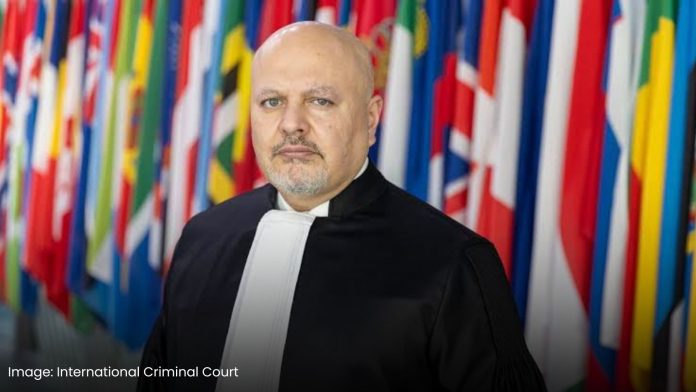
Karim Khan’s removal as Chief Prosecutor of the International Criminal Court was not a routine change in leadership. On July 24, 2026, 82 of the court’s 125 member states voted to remove him, with 13 voting against and 15 abstaining, after the Assembly of States Parties concluded he had committed serious misconduct and a serious breach of duty. Khan denies the allegations and says he intends to challenge the decision.

The vote followed nearly two years of controversy sparked by allegations from a junior colleague in his own office, who accused Khan of repeated non-consensual sexual conduct, with some incidents alleged to have occurred during overseas missions and at the court’s headquarters in The Hague. Khan has denied having a sexual relationship with her or committing any misconduct.

These allegations deserved investigation. Any court that exists to hold governments accountable has to be able to hold its own leadership to the same standard, or its authority means nothing.

Judges Reviewed The Evidence. They Found No Misconduct.

Here is where the story gets complicated. The Bureau appointed a panel of three judicial experts, Leona Theron of South Africa’s Constitutional Court, Paul Lemmens of Belgium, and Seymour Panton of Jamaica, to determine whether the UN investigation’s findings met the legal bar for misconduct. The judges spent nearly three months reviewing a 150-page report and more than 5,000 pages of evidence before reaching their conclusion on March 9, 2026: unanimously, that the facts did not establish misconduct or breach of duty under the applicable framework.

Weeks later, the Bureau disregarded that conclusion and found, in a confidential decision, that the evidence established beyond reasonable doubt that Khan had engaged in a sexual relationship with the complainant. That finding, not the judges’, is what went to the full Assembly for a vote.

82 Countries Voted To Remove Him Anyway

The scale of the vote is real. 82 states supported removal against 13 opposed, well past the threshold required. Assembly President Päivi Kaukoranta announced the finding that Khan “committed serious misconduct and a serious breach of duty.”

But that scale doesn’t resolve the underlying contradiction. More than 180 Palestinian civil society and rights organizations warned in a joint statement that the process had been reduced to a political referendum shaped by individual states’ national interests rather than the judges’ findings. Not every legal voice agrees the Bureau acted improperly. Rights groups including FIDH and the Women’s Initiatives for Gender Justice have pointed out that the judicial panel’s advice was always meant to be advisory, not binding, on the Bureau.

The Woman Who Went Public

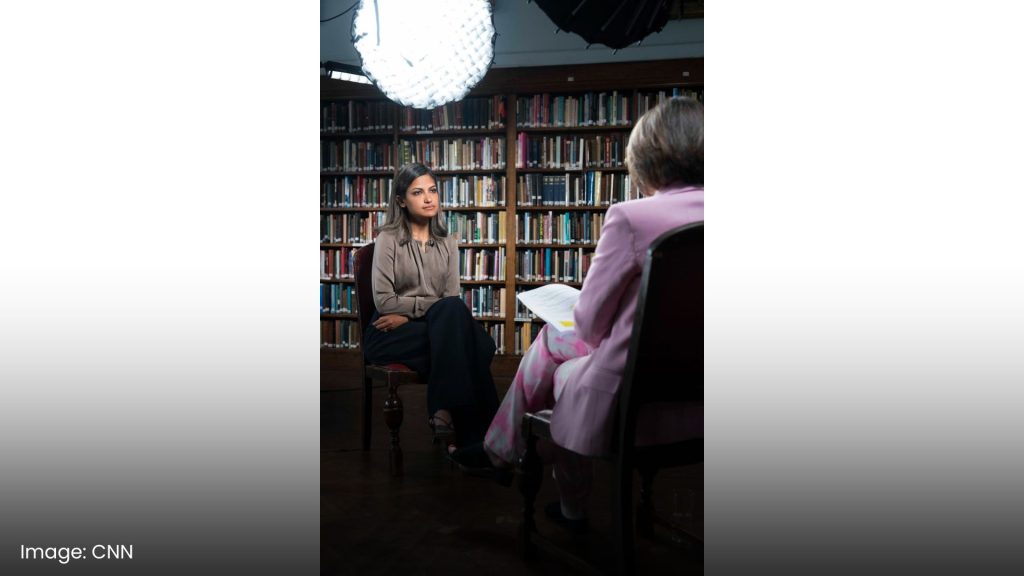
Days before the vote, Khan’s accuser gave her first public interview, speaking to CNN’s Christiane Amanpour and standing by her allegation of non-consensual conduct. Khan denies that any sexual relationship occurred at all. That direct, on-record account from the complainant, delivered just as member states prepared to vote, is part of what makes this more than a procedural dispute over which body’s finding controls.

A Process Under Outside Pressure

The vote also landed inside an unusually hostile political climate for the court. The United States, not an ICC member, sanctioned Khan and other court officials over investigations touching American and Isr∗eli figures, while Secretary of State Marco Rubio pushed a wider campaign against the court. Former EU foreign policy chief Josep Borrell accused the Assembly of holding a political vote instead of upholding the judicial findings that cleared Khan. A former UN oversight official who reviewed the case for Khan’s legal team went further, calling the process a stitch-up.

None of this proves Khan is innocent, and it doesn’t make the complainant’s account false. But it means the public is being asked to accept a removal built on a finding that directly contradicts the court’s own judges, at the exact moment outside powers were actively trying to weaken the institution.

Khan Is Gone. The Warrants Are Still Live.

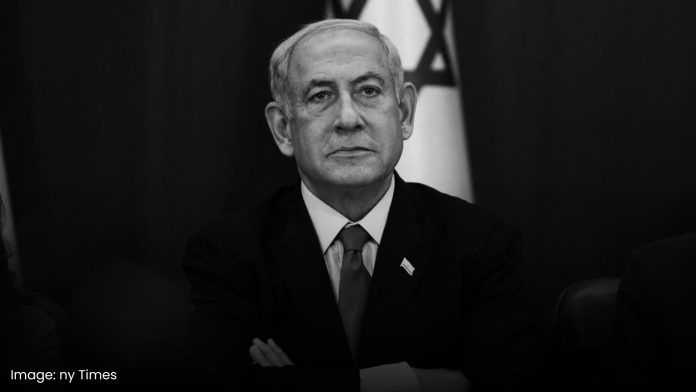
Khan’s removal does not cancel the arrest warrants against Benjamin Netanyahu or Yoav Gallant. Those warrants were authorized by ICC judges and remain active unless the court withdraws them through a separate judicial process. Investigations continue under the deputy prosecutors while the Assembly begins the process of choosing Khan’s successor, a vote not expected until next year.

Two things are true at once. The allegations against Khan required serious investigation and real accountability. And the way this ended, with the Bureau overriding its own judges’ unanimous finding under intense external political pressure, is exactly the kind of precedent a court built on legal process should not want to set for itself.

SOURCES

ICC – Assembly of States Parties concludes special session

Reuters – ICC members vote to dismiss Khan

AP News

Middle East Eye – member states remove Khan

Middle East Eye – the Karim Khan saga timeline

CNN – ICC member states vote to dismiss Khan

UN News – ICC prosecutor Karim Khan dismissed

Why Did 82 Countries Remove Karim Khan After A Judicial Panel Found Misconduct Was Not Established?

Karim Khan’s removal as Chief Prosecutor of the International Criminal Court was not a routine change in leadership. On July 24, 2026, 82 of the court’s 125 member states voted to remove him, with 13 voting against and 15 abstaining, after the Assembly of States Parties concluded he had committed serious misconduct and a serious breach of duty. Khan denies the allegations and says he intends to challenge the decision.

The vote followed nearly two years of controversy sparked by allegations from a junior colleague in his own office, who accused Khan of repeated non-consensual sexual conduct, with some incidents alleged to have occurred during overseas missions and at the court’s headquarters in The Hague. Khan has denied having a sexual relationship with her or committing any misconduct.

These allegations deserved investigation. Any court that exists to hold governments accountable has to be able to hold its own leadership to the same standard, or its authority means nothing.

Judges Reviewed The Evidence. They Found No Misconduct.
Here is where the story gets complicated. The Bureau appointed a panel of three judicial experts, Leona Theron of South Africa’s Constitutional Court, Paul Lemmens of Belgium, and Seymour Panton of Jamaica, to determine whether the UN investigation’s findings met the legal bar for misconduct. The judges spent nearly three months reviewing a 150-page report and more than 5,000 pages of evidence before reaching their conclusion on March 9, 2026: unanimously, that the facts did not establish misconduct or breach of duty under the applicable framework.

Weeks later, the Bureau disregarded that conclusion and found, in a confidential decision, that the evidence established beyond reasonable doubt that Khan had engaged in a sexual relationship with the complainant. That finding, not the judges’, is what went to the full Assembly for a vote.

82 Countries Voted To Remove Him Anyway

The scale of the vote is real. 82 states supported removal against 13 opposed, well past the threshold required. Assembly President Päivi Kaukoranta announced the finding that Khan “committed serious misconduct and a serious breach of duty.”

But that scale doesn’t resolve the underlying contradiction. More than 180 Palestinian civil society and rights organizations warned in a joint statement that the process had been reduced to a political referendum shaped by individual states’ national interests rather than the judges’ findings. Not every legal voice agrees the Bureau acted improperly. Rights groups including FIDH and the Women’s Initiatives for Gender Justice have pointed out that the judicial panel’s advice was always meant to be advisory, not binding, on the Bureau.

The Woman Who Went Public

Days before the vote, Khan’s accuser gave her first public interview, speaking to CNN’s Christiane Amanpour and standing by her allegation of non-consensual conduct. Khan denies that any sexual relationship occurred at all. That direct, on-record account from the complainant, delivered just as member states prepared to vote, is part of what makes this more than a procedural dispute over which body’s finding controls.

A Process Under Outside Pressure

The vote also landed inside an unusually hostile political climate for the court. The United States, not an ICC member, sanctioned Khan and other court officials over investigations touching American and Isr∗eli figures, while Secretary of State Marco Rubio pushed a wider campaign against the court. Former EU foreign policy chief Josep Borrell accused the Assembly of holding a political vote instead of upholding the judicial findings that cleared Khan. A former UN oversight official who reviewed the case for Khan’s legal team went further, calling the process a stitch-up.

None of this proves Khan is innocent, and it doesn’t make the complainant’s account false. But it means the public is being asked to accept a removal built on a finding that directly contradicts the court’s own judges, at the exact moment outside powers were actively trying to weaken the institution.

Khan Is Gone. The Warrants Are Still Live.

Khan’s removal does not cancel the arrest warrants against Benjamin Netanyahu or Yoav Gallant. Those warrants were authorized by ICC judges and remain active unless the court withdraws them through a separate judicial process. Investigations continue under the deputy prosecutors while the Assembly begins the process of choosing Khan’s successor, a vote not expected until next year.

Two things are true at once. The allegations against Khan required serious investigation and real accountability. And the way this ended, with the Bureau overriding its own judges’ unanimous finding under intense external political pressure, is exactly the kind of precedent a court built on legal process should not want to set for itself.

SOURCES

ICC – Assembly of States Parties concludes special session

Reuters – ICC members vote to dismiss Khan

AP News

Middle East Eye – member states remove Khan

Middle East Eye – the Karim Khan saga timeline

CNN – ICC member states vote to dismiss Khan

UN News – ICC prosecutor Karim Khan dismissed

spot_img

Explore more

spot_img
Global Affairs

Commanders Allegedly Told US Troops Trump Was Anointed By Jesus For...

Five Historic Mosques Were Demolished To Widen A Road To Modi’s...

Trump wants more data centers. New York’s governor just said no.

Mali wants its gold and lithium back. Is that why Trump...

The Bulldozers Won: Assam’s BJP Returns With A Mandate To Evict...

Free On Paper, Exiled In Practice: India’s Cage Just Got Bigger

A ‘Humanitarian City’ Or A Permanent Cage? Trump’s Gaza Plan Is...