
Why the US, Israel and Russia Opposed the UN Human Rights Chief’s Reappointment
Maryam Tariq
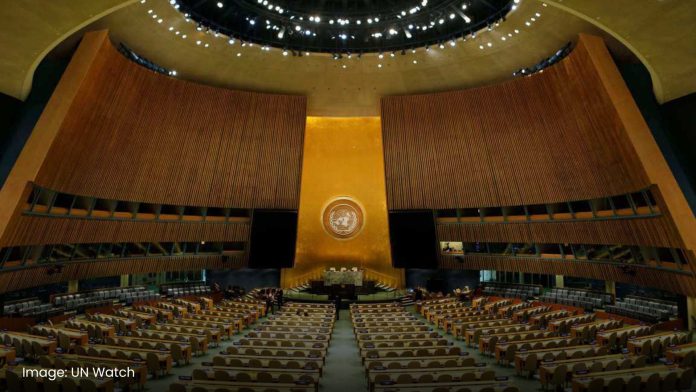
The United Nations General Assembly voted overwhelmingly on Friday to grant human rights chief Volker Turk a second four year term, despite unusually intense opposition from the United States, Israel and Russia. The 144 to 10 vote, with 13 abstentions, makes Turk the first person to serve two full terms in the role since it was created in 1993. But the path to that outcome was far from smooth, and each objecting country’s reasoning traces directly back to criticism Turk personally leveled at them during his first term.
Why Israel Opposed Turk’s Reappointment
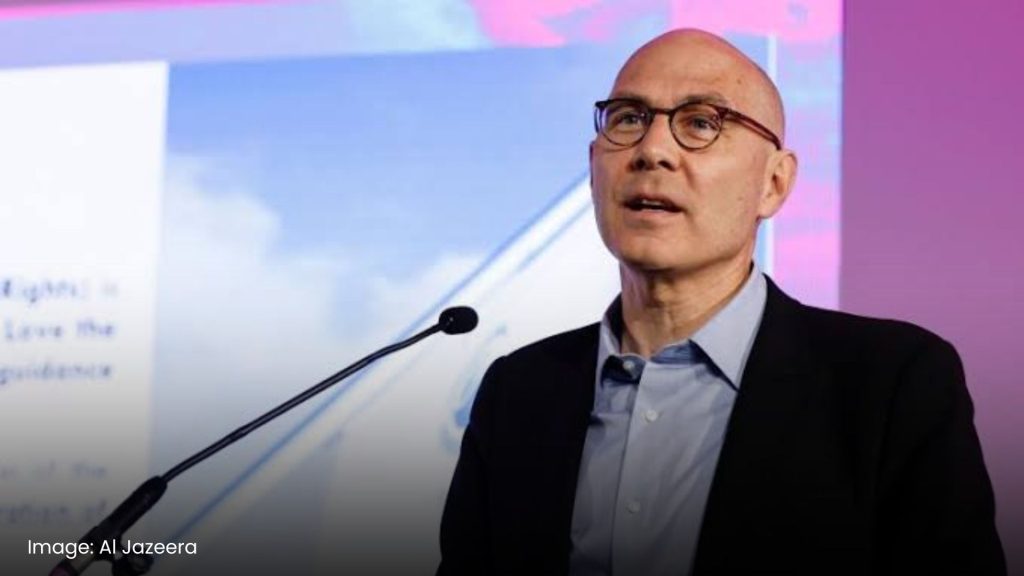
Israel’s Ministry of Foreign Affairs issued a sharp public statement criticizing Turk’s record, accusing his office of having erased the atrocities of October 7, misused funds, and betrayed UN neutrality in favor of what it called corrupt political radicalism. This objection didn’t emerge from nowhere. Turk has been an outspoken and consistent critic of Israel’s conduct in Gaza throughout his first term, repeatedly calling for investigations and accountability over the humanitarian toll of the war. Diplomats told Reuters that Israel opposed a four year extension well before the formal vote took place, helping turn what had been expected to be a routine, consensus backed reappointment into a genuinely contentious one.
Why Russia Opposed Turk’s Reappointment
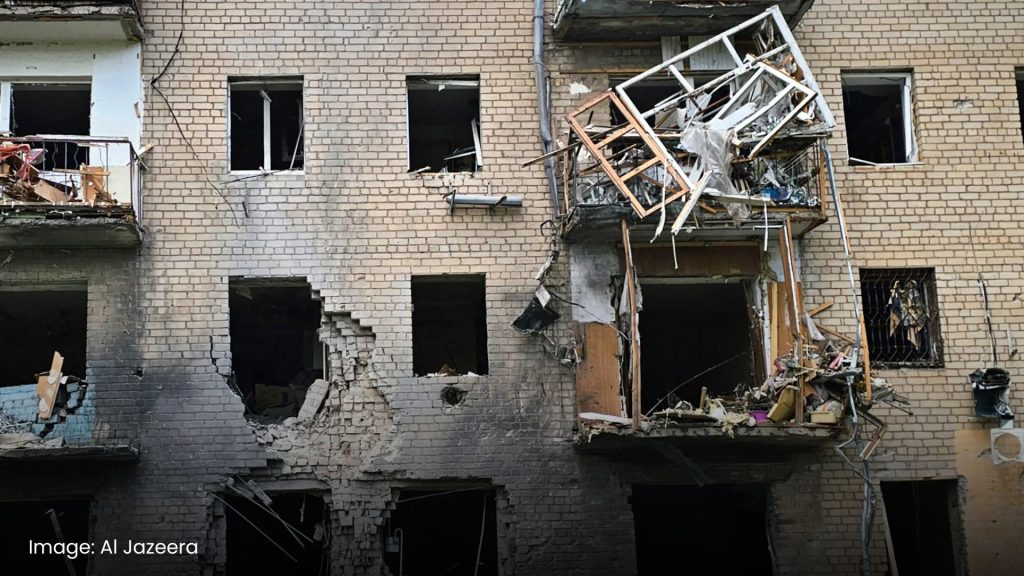
Russia’s objection followed a similar pattern. Deputy Ambassador Dmitry Chumakov accused Turk of political bias and of promoting what he called Western geopolitical interests under the pretext of concern for human rights. Russia went further than simply voting no, submitting a formal counter-proposal to extend Turk’s term by just over two months, until the end of 2026, rather than the full four years Secretary General Antonio Guterres had proposed. Russia’s UN mission separately argued that reappointing Turk for four years would deprive the next Secretary General of the chance to choose their own pick for the role. Turk has accused Russia of severe violations of human rights and international humanitarian law since its 2022 invasion of Ukraine, allegations Moscow has consistently denied, and that record appears to sit at the center of Russia’s objection now.
Why the United States Opposed Turk’s Reappointment
The US did not initially join Israel and Russia’s opposition as visibly, but diplomats say Washington raised doubts about the process itself, pushing for the vote to be delayed until the following week. American officials have separately voiced concerns about how the nomination was handled, given that Guterres proposed Turk’s second term just weeks before his own tenure as Secretary General ends in December, timing critics argue rushed a major appointment ahead of a leadership transition, rather than leaving the decision to Guterres’ successor. Turk has also criticized elements of US human rights and immigration policy during his current term, a record that has not gone unnoticed by Washington.
How the Vote Actually Played Out
Despite the pushback, member states rejected both the US proposal to delay the vote and Russia’s proposal to shorten Turk’s term. The final vote saw the US, Israel, Russia, North Korea and six other countries vote against Turk’s reappointment, while 144 nations voted in favor and 13 abstained. The European Union’s delegation praised Turk directly, with its representative stating that he had demonstrably fulfilled his responsibilities effectively and with integrity in an objective, non-selective manner throughout his first term, arguing that his continued leadership mattered precisely because human rights violations worldwide continue to multiply.
What This Reveals About the Role Itself
Turk, an Austrian lawyer who joined the UN in 1999 and previously served in roles spanning Kosovo, Bosnia, the Democratic Republic of Congo and UN headquarters in New York, was seen by some early observers as likely to take a quieter approach in the post. Instead, he has spent his first term criticizing major powers across the political spectrum, Russia, Israel and the US alike, rather than favoring any single geopolitical bloc. That pattern is arguably the clearest throughline connecting all three countries’ objections, each is responding not to a shared ideological complaint, but to specific criticism Turk directed at their own individual record, a dynamic that itself illustrates how contested the role of a truly independent global human rights watchdog has become.
Sources:
· UN human rights chief Turk wins unprecedented 2nd term despite opposition from US, Israel — Times of Israel: https://www.timesofisrael.com/un-human-rights-chief-wins-unprecedented-2nd-term-despite-opposition-from-us-israel/
· Israel, Russia oppose electing UN human rights chief Volker Turk to a new term — Times of Israel: https://www.timesofisrael.com/israel-russia-oppose-electing-un-human-rights-chief-volker-turk-to-a-new-term/
· UN rights chief Turk wins second term despite US and Israeli opposition — Al Jazeera: https://www.aljazeera.com/news/2026/7/25/un-rights-chief-turk-wins-second-term-despite-us-and-israeli-opposition