
Iran Says It Rejected a Broken Promise, Not Peace, in Collapsed US Ceasefire Bid
Maryam Tariq
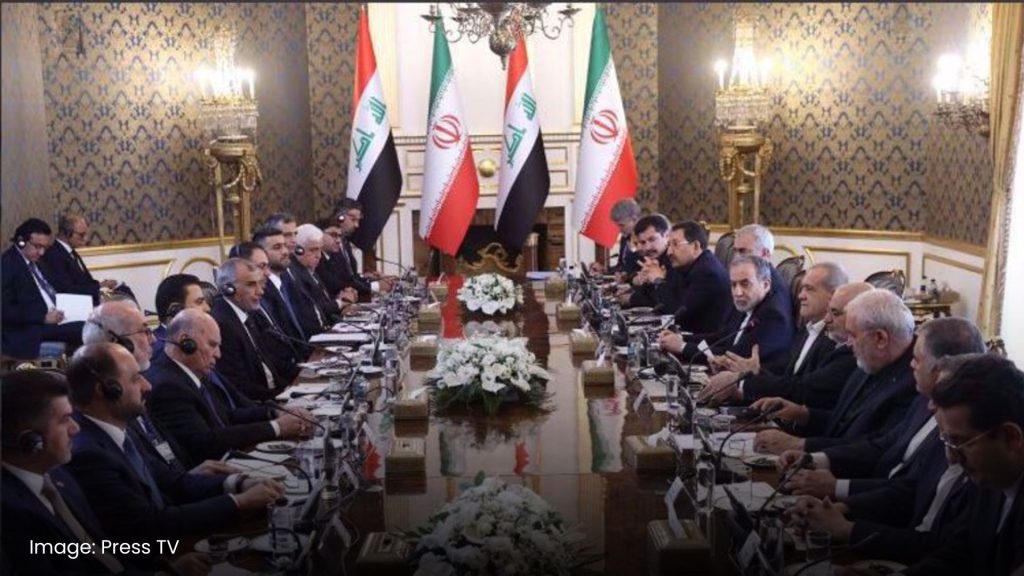
A US ceasefire proposal delivered to Tehran this week by Iraqi Prime Minister Ali al-Zaidi has collapsed, with Iran formally turning down the offer. While early reporting from the New York Times framed the moment as a blunt Iranian rejection, Iranian officials have pushed back hard against that characterization, insisting they did not walk away from peace at all, but refused a short term arrangement that failed to address the war’s actual root cause.
What the US Actually Offered
According to Iranian and Iraqi officials cited by the Times, al-Zaidi traveled to Tehran carrying a proposal drafted shortly after his own recent meeting with President Trump at the White House. The offer reportedly centered on a temporary pause, roughly 10 days, meant to freeze military operations and restart formal diplomatic talks. Iranian officials said the proposal left the central issue of the war, control over the Strait of Hormuz, completely unresolved.
Why Iran Says This Wasn’t a Genuine Peace Offer
Iranian officials have been clear that their objection isn’t to negotiation itself, but to the shape of what was offered. Rather than a real settlement, Tehran describes the US proposal as a misleading, short term bandage, one that would pause the fighting temporarily without resolving the underlying dispute or accounting for what Iran calls Washington’s history of broken commitments. Iran’s Foreign Minister Abbas Araghchi has been especially direct on this point, telling NBC News that Israel and the US had already shattered the ceasefire that ended last year’s 12 day war, and asking pointedly why Iran should trust a new temporary arrangement when the last one didn’t hold. There needs to be a permanent end to the war, Araghchi said, adding that until that happens, Iran intends to keep defending itself.
Iran’s Actual Conditions for Peace
Far from refusing all dialogue, Iranian officials have laid out specific terms for what a real resolution would require. These include a full stop to US and Israeli strikes on Iranian territory and allied forces in Lebanon and Iraq, binding security guarantees against future attacks, compensation for war damages, and formal international recognition of Iranian authority over the Strait of Hormuz. Framed this way, Iran’s position isn’t a rejection of peace as a concept, but a rejection of a deal that asks Iran to stand down without addressing any of the conditions that led to renewed fighting in the first place.
The Trust Deficit Driving Iran’s Position
Iran’s skepticism toward US brokered ceasefires didn’t emerge from nowhere. Iranian officials have repeatedly pointed to a pattern, agreements reached and then not honored, going back to the ceasefire that ended the earlier 12 day war. Araghchi has separately noted that Iran has expressed similarly low trust toward Israel honoring past ceasefire commitments in other contexts, including Gaza, describing what he called tricks and betrayals regarding previous agreements. From Tehran’s perspective, accepting another short pause without addressing that trust deficit would mean repeating a cycle that has already failed once.
Where Things Stand Now
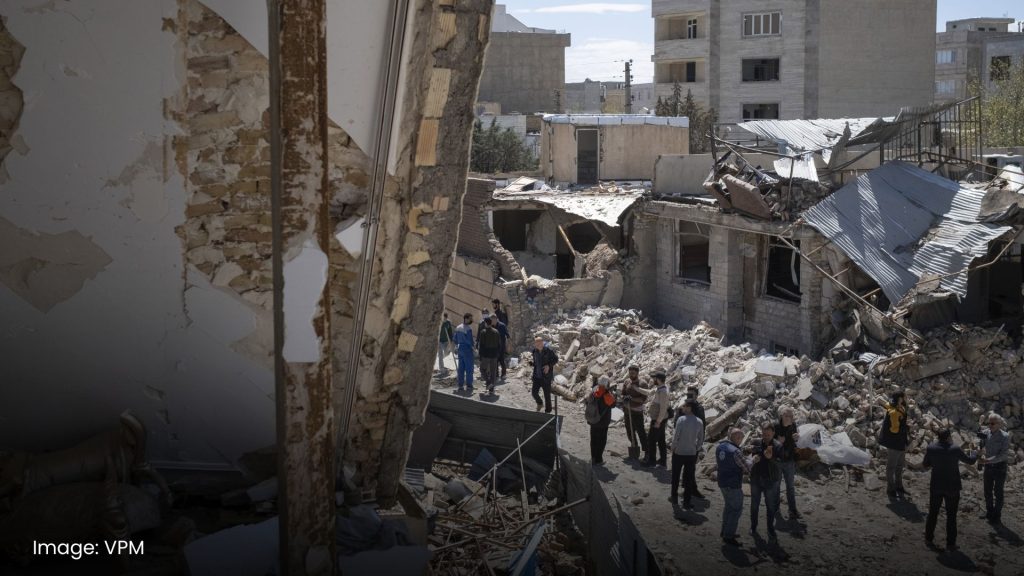
Trump, for his part, has shown little interest in softening his position following the rejection, telling reporters Thursday that Iran isn’t ready yet and needs more of the same, while accusing Iranian leadership of harboring evil intentions. That response has done little to ease Iranian concerns that Washington’s ceasefire offers are more about pausing hostilities on American terms than resolving the dispute on equal footing. Iraq, for its part, has tried to maintain a delicate balancing role, with al-Zaidi’s office saying his visit was meant to call for peace and dialogue while pledging that Iraqi territory would not be used to launch attacks on Iran.
Why the Framing of This Story Matters
Whether this episode gets remembered as Iran rejecting peace or Iran rejecting a flawed proposal depends heavily on which side’s account gets told first and most widely. Iranian officials argue the distinction isn’t just rhetorical, it goes to the heart of why ceasefire talks keep collapsing, a temporary pause offered without addressing sovereignty, trust, or accountability was never likely to hold in the first place, and treating its rejection as simple stubbornness misses why Tehran said no.
Sources:
· Iran, uninterested in temporary deal with US, rejects Iraqi led ceasefire proposal — Jerusalem Post: https://www.jpost.com/middle-east/iran-news/article-903531
· Iran rejects US ceasefire proposal delivered by Iraqi prime minister — i24NEWS: https://www.i24news.tv/en/news/middle-east/artc-iran-rejects-us-ceasefire-proposal-delivered-by-iraqi-prime-minister-report
· Iran said to reject US ceasefire proposal passed along by Iraqi prime minister — Times of Israel: https://www.timesofisrael.com/liveblog_entry/iran-said-to-reject-us-ceasefire-proposal-passed-along-by-iraqi-prime-minister/
· Iran Rejects US Ceasefire Proposal Delivered Via Iraq, Says Hormuz Issue Unresolved — Daily Excelsior: https://www.dailyexcelsior.com/iran-rejects-us-ceasefire-proposal-delivered-via-iraq-says-hormuz-issue-unresolved-report/