
The Outsider Who Never Left the System
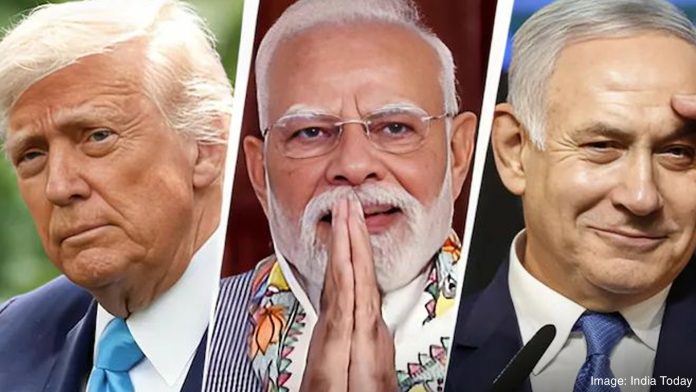
Donald Trump was sold to millions of Americans as the president who would end wars, resist foreign entanglements, and challenge the interventionist machinery of Washington. To his supporters, he represented a break from the bipartisan foreign policy establishment that had dominated America for decades. He was marketed as the outsider willing to confront the “deep state,” reject endless wars, and put America first.
But many observers argue that this image was always more illusion than reality.
Trump may reject the tone and aesthetics of the traditional American establishment, particularly those associated with Democrats, but that does not necessarily make him a true renegade against the deeper strategic system underpinning American power. Presidents may differ in personality and rhetoric, yet still operate within the same geopolitical framework.
The Kennedy Question
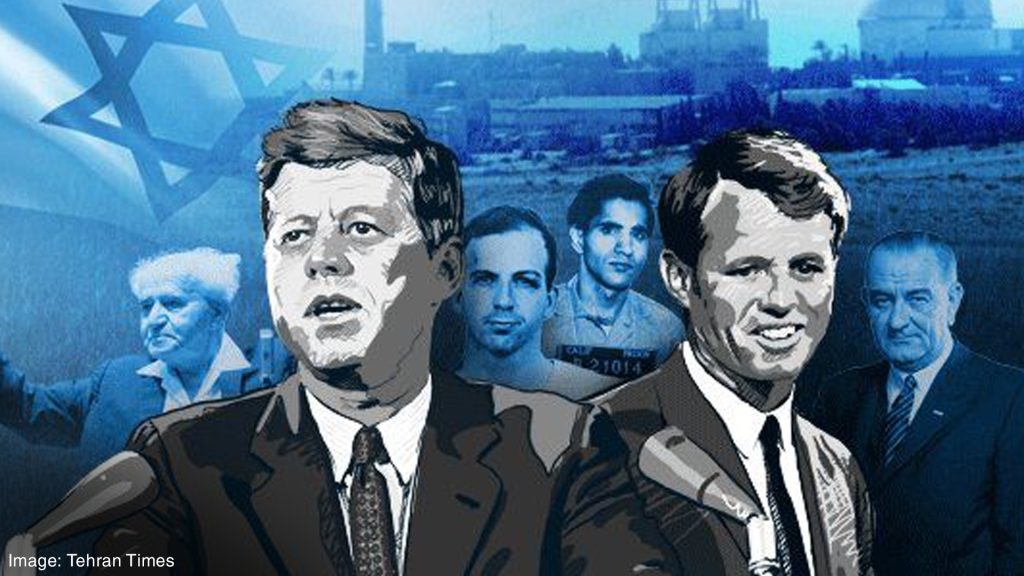
For many, the case of President John F. Kennedy symbolizes this reality. Kennedy reportedly opposed Isr*el’s nuclear ambitions and pushed for inspections of the Dimona nuclear facility. Some conspiracy theorists believe his assassination was linked to resistance from entrenched intelligence, military, and pro-Israel interests. There is no definitive evidence proving this claim, but the theory persists because of public distrust toward opaque power structures operating behind elected governments.
What is striking today, however, is that even long-standing taboos around Isr*el’s nuclear program are beginning to crack. Some lawmakers in Congress have recently pushed for greater transparency regarding whether Isr*el possesses nuclear weapons and why the American public has never been openly told the truth about the matter. For decades, even raising the question was politically untouchable in Washington. The mere fact that it is now being publicly discussed reflects how rapidly the narrative is shifting.
The Machine Eisenhower Warned About
Many analysts argue that this broader framework revolves around preserving American global dominance, protecting Israeli regional interests, and sustaining the military-industrial complex.
The “military-industrial complex,” a term famously warned about by President Dwight D. Eisenhower, refers to the deeply intertwined relationship between governments, defense contractors, intelligence agencies, lobbying networks, and foreign policy interests. Under this view, war is no longer simply about ideology or national defense. It is an industry that sustains arms production, surveillance expansion, security states, and centralized authority.
Within this worldview, Isr*el occupies a central role.
Many now argue that Israeli strategic interests and expansionist policies increasingly appear to override the actual needs of the American people themselves. Despite mounting domestic crises, Washington continues offering near-unconditional support to Isr*el, leading some to believe pro-Israel influence within American politics has become so extensive that the United States increasingly resembles a vassal state unwilling to place its own interests above those of Isr*el and the broader Zionist agenda.
Observers point to bipartisan support for Israeli military actions, lobbying influence, and the political risks faced by American politicians who challenge Israeli policy too directly.
For many around the world, particularly after the genocide in Gaza, attacks across Lebanon, and continued settlement expansion in the West Bank, this support has become increasingly difficult to morally justify. Large numbers of people now openly accuse Western governments of enabling mass civilian suffering while suppressing dissent by branding criticism as antisemitic.
To many opponents of Israeli policy, antisemitism has increasingly been weaponized as a label to silence criticism of Zionism and Israeli state policy rather than genuine hatred toward Jewish people.
The Huckabee Moment
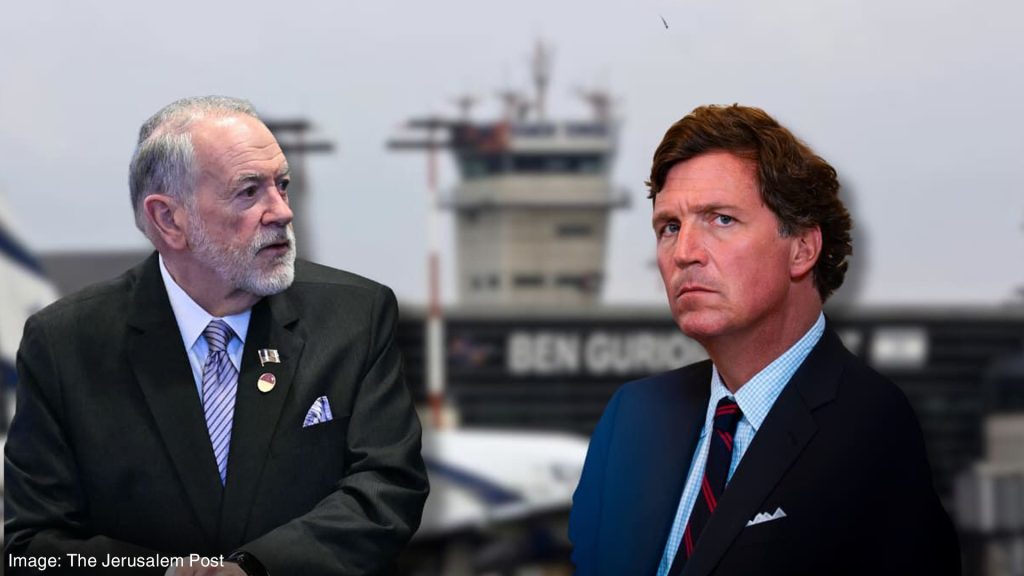
The interview between Mike Huckabee and Tucker Carlson further reinforced these perceptions for many viewers. Huckabee spoke about Isr*el and the Middle East with unwavering ideological certainty, treating Israeli objectives as unquestionable regardless of the humanitarian or regional cost. What many found striking was that such views came not from a fringe activist, but from a veteran mainstream American politician, reflecting what some believe is a deeply bipartisan culture of unwavering commitment to Israeli strategic interests.
Many also argue that the American public has, for decades, been conditioned to reflexively support Israeli state narratives through media framing, political discourse, and institutional pressure that narrowed the boundaries of acceptable criticism.
The Consent That Was Never Built
Yet something now appears to be changing.
Ironically, Trump himself may have accelerated that shift.
Historically, American presidents seeking war cultivated public consent through emotional narratives and sustained media messaging. Trump, however, operates differently. His rhetoric is impulsive, transactional, and less disciplined than previous administrations. Some argue that while earlier presidents carefully manufactured consensus before escalation, Trump failed to fully “sell” confrontation with Iran and broader Middle Eastern conflict to the American public in the traditional way.
As a result, growing numbers of Americans are openly questioning why their country remains trapped in endless wars, why billions continue flowing abroad while domestic crises deepen at home, and whose interests are truly being served by permanent instability.
The Real Story
Some theorists even speculate that Trump eventually realized the limits of challenging entrenched power structures. They argue that his increasingly deferential posture toward Benjamin Netanyahu suggests not independence, but pressure. More speculative theories point toward political leverage, establishment coercion, or even the long-rumored Epstein files as possible tools of influence.
There is no evidence conclusively proving such claims. But the fact that so many people increasingly entertain them reflects a deeper collapse of trust in governments, institutions, media, and official narratives.
And perhaps that, more than Trump himself, is the real story unfolding before us.
SOURCES
Reuters | BBC News | The Guardian | Bloomberg | Al Jazeera
#VerumNetwork #AmericaFirst #TrumpForeignPolicy #MilitaryIndustrialComplex #GazaGenocide #IsraelLobby #WashingtonPolitics #EndlessWars #ZionistAgenda #Geopolitics