Bangladesh China Partnership Grows As Teesta Project Signals A Shift In South Asian Politics
Isla Montclair
Tarique Rahman China Visit Deepens Bangladesh Beijing Ties
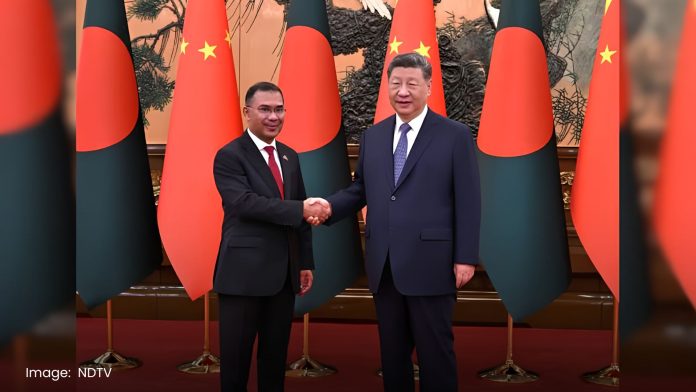
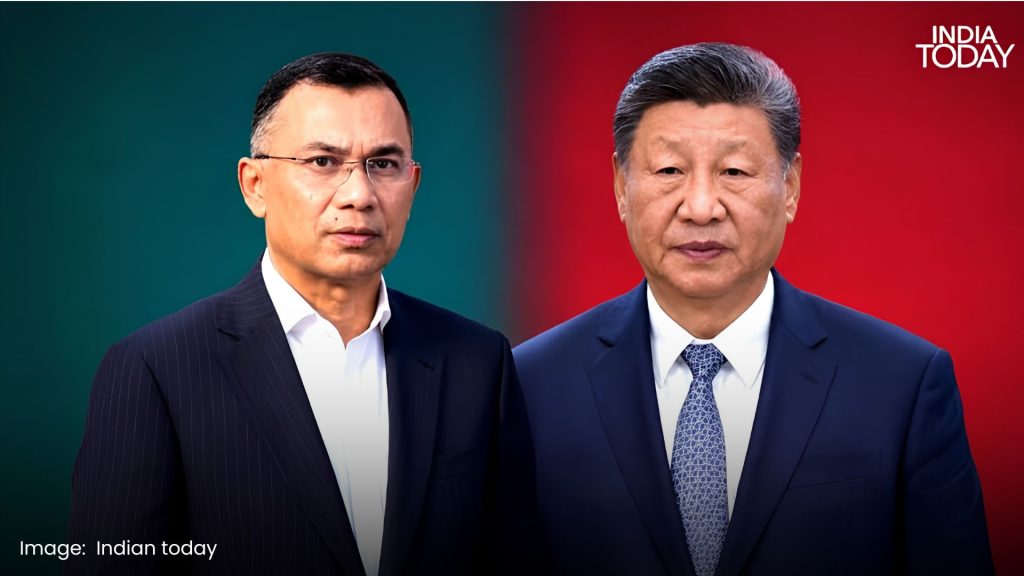
Bangladesh Prime Minister Tarique Rahman’s recent visit to China has highlighted a changing dynamic in South Asian diplomacy.
The visit resulted in 13 agreements between Bangladesh and China focused on areas including trade, technology, infrastructure, economic zones and development cooperation.
The agreements show that Dhaka is seeking deeper economic engagement with Beijing while trying to expand its options beyond traditional regional partnerships.
China is already Bangladesh’s largest trading partner, and both countries have continued to strengthen cooperation through infrastructure and investment projects.
The visit has attracted attention because it comes at a time when Bangladesh is trying to balance relations with major powers including China and India.
Teesta River Project Becomes The Main Focus
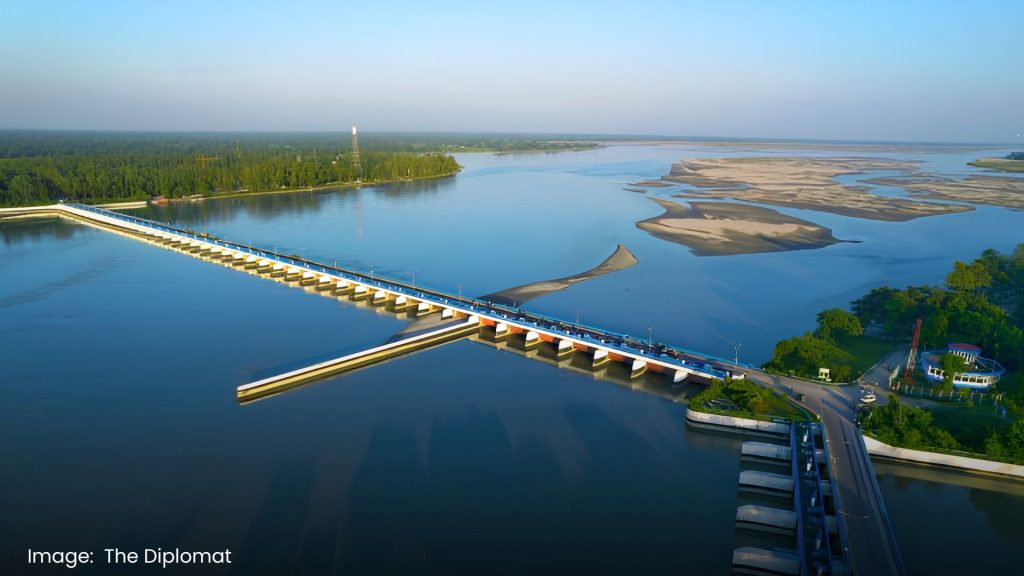
The biggest development from the visit was renewed movement on the Teesta River management project.
The Teesta River flows from India into northern Bangladesh and is a critical water source for agriculture and local communities.
For years, Bangladesh has sought a water sharing agreement with India, but the issue has remained unresolved due to political disagreements, particularly involving India’s West Bengal state.
The lack of a final agreement has remained a sensitive issue in Bangladesh because farmers face challenges from both flooding during monsoon seasons and water shortages during dry periods.
The China backed Teesta project focuses on river management inside Bangladesh, including improving irrigation systems, reducing erosion and managing water resources.
Bangladesh has argued that the project is necessary for protecting communities and improving agricultural productivity.
China Bangladesh Infrastructure Cooperation Expands
Beyond Teesta, the agreements signed during the visit included broader economic cooperation.
The two countries discussed expanding trade links, improving industrial cooperation and increasing Chinese involvement in infrastructure development.
Mongla Port modernization and economic zone development were among the areas linked with deeper cooperation.
China has already been involved in major infrastructure projects across Bangladesh, including transport, energy and industrial development.
For Beijing, Bangladesh is an important part of its wider regional connectivity strategy.
For Dhaka, Chinese investment offers another source of financing and development support.
India Watches China’s Growing Role
The strengthening Bangladesh China relationship has attracted attention in India because of the region’s strategic importance.
The Teesta River area is geographically close to the Siliguri Corridor, a narrow stretch of Indian territory connecting mainland India with the northeastern states.
Because of this geography, greater Chinese involvement near the region is viewed carefully by Indian policymakers.
However, Bangladesh has maintained that its foreign policy approach is based on economic development and national interests rather than choosing sides.
The country has historically maintained relations with both India and China while trying to benefit from cooperation with major partners.
South Asia Geopolitical Balance And The China Factor
The Bangladesh China partnership reflects a larger regional trend where countries are increasing engagement with multiple global powers.
China has expanded its economic presence across South Asia through infrastructure investment and trade.
India remains one of Bangladesh’s most important neighbors due to geography, history and economic links.
The current situation highlights a challenge for New Delhi as Bangladesh explores additional partnerships.
The Teesta project has therefore become more than a water management issue. It represents questions about influence, infrastructure and strategic competition in South Asia.
Sheikh Hasina Factor In Bangladesh India Relations
Political developments inside Bangladesh have also influenced relations with India.
The issue surrounding former Prime Minister Sheikh Hasina has become a point of tension between Dhaka and New Delhi.
Bangladesh’s current political leadership has emphasized greater independence in foreign policy, while India’s position toward Bangladesh’s internal political situation remains closely watched.
This has contributed to discussions about whether Bangladesh is moving toward a stronger China relationship.
What The Bangladesh China Shift Means Next
The Teesta project and new agreements show that Bangladesh is expanding its diplomatic and economic choices.
China provides investment and infrastructure support, while Bangladesh gains another major partner for development.
At the same time, India remains a key regional actor with deep historical and economic connections.
The future of Bangladesh’s foreign policy will likely depend on how Dhaka manages relations with both Beijing and New Delhi.
The Teesta project may become a symbol of this changing regional balance, showing how water, infrastructure and geopolitics are increasingly connected in South Asia.
Sources:
Bangladesh and China sign 13 agreements during Tarique Rahman visit
Source: Bangladesh government and Chinese government statements
Ministry of Foreign Affairs Bangladesh
China Bangladesh relations and infrastructure cooperation
Reuters World News China Bangladesh Coverage
Teesta River water dispute between India and Bangladesh
BBC Teesta River Water Dispute Background