US to Let Saudi Enrich Uranium, the Same Thing It Fought Iran Over

The US Fought Iran Over Uranium Enrichment, Now It’s Handing Saudi Arabia the Same Capability

Maryam Tariq

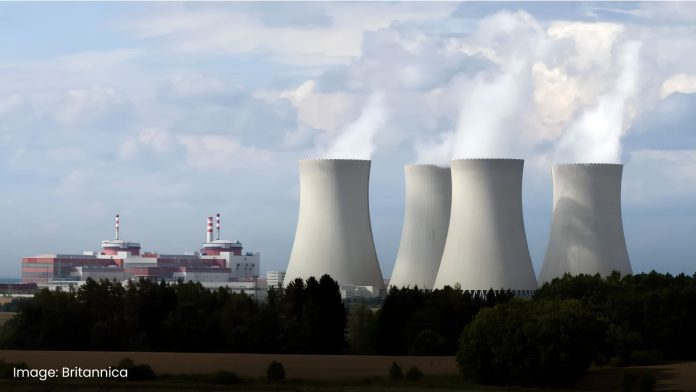
The United States and Saudi Arabia are expected to formally announce a civilian nuclear deal this week, one that could allow the kingdom to enrich uranium on its own soil, according to multiple US media reports. The timing is difficult to separate from a striking contradiction, the US and Israel went to war with Iran earlier this year with preventing uranium enrichment as one of their stated central goals, and Washington is now poised to help a different Middle Eastern power build exactly that capability.

What the US Saudi Nuclear Deal Actually Includes

According to the Wall Street Journal and CNN, President Trump has already approved the agreement, which is expected to run for 30 years. Under its terms, Saudi Arabia and the US would conduct a joint study into domestic fuel production, after which Saudi Arabia could be permitted to enrich uranium at a facility built with help from American companies. If the US objects to enrichment after that study, Saudi Arabia would be barred from pursuing it alone or with another foreign partner for ten years. The deal notably does not require Saudi Arabia to sign the International Atomic Energy Agency’s Additional Protocol, the standard inspection agreement most nuclear cooperation deals include, and sources say Saudi leadership only agreed to limited international inspections of its nuclear sites.

Why This Breaks From the Region’s Existing Precedent

This arrangement stands in sharp contrast to the deal the US signed with the United Arab Emirates in 2009, often described by nonproliferation experts as the gold standard. Under that agreement, the UAE agreed not to enrich uranium or reprocess spent fuel domestically at all, relying instead on imported fuel. Saudi Arabia’s deal explicitly avoids that restriction, opening a pathway to domestic enrichment that arms control specialists have spent years trying to prevent from spreading further across the region.

The Direct Contradiction With the Iran War

The uncomfortable overlap here is hard to miss. The US and Israel launched military strikes against Iran earlier this year, citing the need to permanently prevent Tehran from developing nuclear weapons capability through uranium enrichment, something Iran has maintained is for civilian energy purposes only. CNN reported that the war with Iran actually delayed Trump’s signature on the Saudi deal, precisely because of how the optics would look, offering enrichment rights to one regional power while bombing another over the exact same technology. Senator Edward Markey criticized the move directly, warning that granting Saudi Arabia enrichment capabilities while escalating tension with Iran risks further destabilizing the region and could push other states to reconsider their own nuclear options.

Why Saudi Arabia’s Own Statements Raise Red Flags

Crown Prince Mohammed bin Salman has been explicit about the kingdom’s position for years. In a 2018 interview, he said Saudi Arabia does not want a nuclear bomb, but added, without a doubt, if Iran developed a nuclear bomb, we will follow suit as soon as possible. That statement has taken on new weight now that Saudi Arabia is set to gain the technical building blocks, enrichment infrastructure, that sit closest to weapons capability among civilian nuclear technologies. Saudi Arabia has also signed a mutual defense pact with nuclear armed Pakistan in the past year, a move that followed Israel’s strike on Hamas officials in Qatar and that some analysts have read as a signal aimed partly at Israel.

What Comes Next

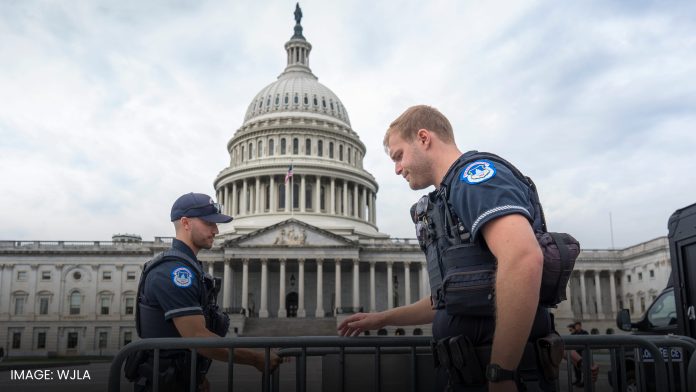
The deal will now move to Congress for review, where lawmakers from both parties are expected to raise objections over proliferation risk, even though Trump’s Republican Party controls both chambers. Notably, the agreement has not been made contingent on Saudi Arabia formally recognizing Israel diplomatically, unlike earlier versions of similar proposals floated under previous administrations. As the deal moves toward finalization, the core tension remains unresolved, the US is simultaneously trying to prevent one country from building nuclear weapons capacity through military force, while handing a very similar capacity to its neighbor through diplomacy.

Sources:

·  US to announce deal allowing Saudi Arabia a nuclear programme, reports say — BBC: https://www.bbc.com/news/articles/cvgnp4v1kddo

·  Trump approves deal with Saudi Arabia that could allow kingdom to enrich nuclear fuel — CNN: https://www.cnn.com/2026/07/22/politics/us-saudi-nuclear-deal

·  Nuclear deal that would permit uranium enrichment by Saudi Arabia in limbo awaiting Trump admin sign off — CNN: https://www.cnn.com/2026/07/18/politics/saudi-arabia-trump-nuclear-enrichment

·  The US Saudi Arabia nuclear agreement, Is Riyadh a step closer to nuclear weapons — The Week: https://www.theweek.in/news/middle-east/2026/07/22/saudi-arabia-nuclear-deal-approved-trump.html
The US Fought Iran Over Uranium Enrichment, Now It’s Handing Saudi Arabia the Same Capability

Maryam Tariq

The United States and Saudi Arabia are expected to formally announce a civilian nuclear deal this week, one that could allow the kingdom to enrich uranium on its own soil, according to multiple US media reports. The timing is difficult to separate from a striking contradiction, the US and Israel went to war with Iran earlier this year with preventing uranium enrichment as one of their stated central goals, and Washington is now poised to help a different Middle Eastern power build exactly that capability.

What the US Saudi Nuclear Deal Actually Includes

According to the Wall Street Journal and CNN, President Trump has already approved the agreement, which is expected to run for 30 years. Under its terms, Saudi Arabia and the US would conduct a joint study into domestic fuel production, after which Saudi Arabia could be permitted to enrich uranium at a facility built with help from American companies. If the US objects to enrichment after that study, Saudi Arabia would be barred from pursuing it alone or with another foreign partner for ten years. The deal notably does not require Saudi Arabia to sign the International Atomic Energy Agency’s Additional Protocol, the standard inspection agreement most nuclear cooperation deals include, and sources say Saudi leadership only agreed to limited international inspections of its nuclear sites.

Why This Breaks From the Region’s Existing Precedent

This arrangement stands in sharp contrast to the deal the US signed with the United Arab Emirates in 2009, often described by nonproliferation experts as the gold standard. Under that agreement, the UAE agreed not to enrich uranium or reprocess spent fuel domestically at all, relying instead on imported fuel. Saudi Arabia’s deal explicitly avoids that restriction, opening a pathway to domestic enrichment that arms control specialists have spent years trying to prevent from spreading further across the region.

The Direct Contradiction With the Iran War

The uncomfortable overlap here is hard to miss. The US and Israel launched military strikes against Iran earlier this year, citing the need to permanently prevent Tehran from developing nuclear weapons capability through uranium enrichment, something Iran has maintained is for civilian energy purposes only. CNN reported that the war with Iran actually delayed Trump’s signature on the Saudi deal, precisely because of how the optics would look, offering enrichment rights to one regional power while bombing another over the exact same technology. Senator Edward Markey criticized the move directly, warning that granting Saudi Arabia enrichment capabilities while escalating tension with Iran risks further destabilizing the region and could push other states to reconsider their own nuclear options.

Why Saudi Arabia’s Own Statements Raise Red Flags

Crown Prince Mohammed bin Salman has been explicit about the kingdom’s position for years. In a 2018 interview, he said Saudi Arabia does not want a nuclear bomb, but added, without a doubt, if Iran developed a nuclear bomb, we will follow suit as soon as possible. That statement has taken on new weight now that Saudi Arabia is set to gain the technical building blocks, enrichment infrastructure, that sit closest to weapons capability among civilian nuclear technologies. Saudi Arabia has also signed a mutual defense pact with nuclear armed Pakistan in the past year, a move that followed Israel’s strike on Hamas officials in Qatar and that some analysts have read as a signal aimed partly at Israel.

What Comes Next

The deal will now move to Congress for review, where lawmakers from both parties are expected to raise objections over proliferation risk, even though Trump’s Republican Party controls both chambers. Notably, the agreement has not been made contingent on Saudi Arabia formally recognizing Israel diplomatically, unlike earlier versions of similar proposals floated under previous administrations. As the deal moves toward finalization, the core tension remains unresolved, the US is simultaneously trying to prevent one country from building nuclear weapons capacity through military force, while handing a very similar capacity to its neighbor through diplomacy.

Sources:

·  US to announce deal allowing Saudi Arabia a nuclear programme, reports say — BBC: https://www.bbc.com/news/articles/cvgnp4v1kddo

·  Trump approves deal with Saudi Arabia that could allow kingdom to enrich nuclear fuel — CNN: https://www.cnn.com/2026/07/22/politics/us-saudi-nuclear-deal

·  Nuclear deal that would permit uranium enrichment by Saudi Arabia in limbo awaiting Trump admin sign off — CNN: https://www.cnn.com/2026/07/18/politics/saudi-arabia-trump-nuclear-enrichment

·  The US Saudi Arabia nuclear agreement, Is Riyadh a step closer to nuclear weapons — The Week: https://www.theweek.in/news/middle-east/2026/07/22/saudi-arabia-nuclear-deal-approved-trump.html
spot_img

Explore more

spot_img
Global Affairs

France Bans Social Media for Kids Under 15

Satellite Images Show Israel’s Is Building a Wall Going Past Gaza’s...

Delaware County’s First Muslim Sheriff Targeted With Racist Death Threats

Gaza’s Population Has Dropped by Nearly 10 Percent Since October 2023

Venezuela, Iran, Cuba: The Oil Pattern Behind Trump’s Three Targets

US Senators Push Bill to Punish India and China for Buying...

Behind the Cockroach Protests: A Broken Exam System That’s Cost Students...

The 2026 World Cup’s Real Price Tag: Billions Lost Before a...